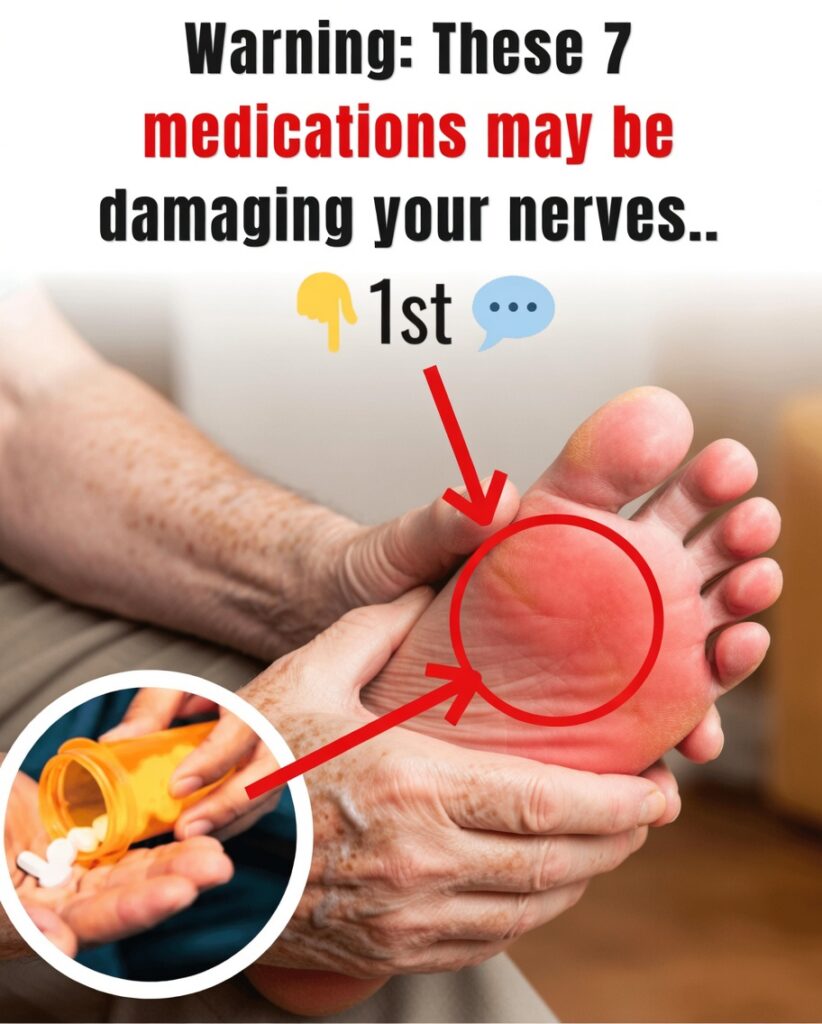
Neuropathy-Causing Medications: 7 Common Drugs That May Affect Your Nerves
The burning, tingling, and numbness that can spread through your hands and feet may turn ordinary routines into frustrating, exhausting struggles. When neuropathy is involved, even simple tasks can feel overwhelming. Sleep may suffer, movement may become harder, and it is natural to worry that a medication meant to help you could also be contributing to the problem.
The encouraging news is that understanding the connection between neuropathy-causing medications and nerve symptoms can help you make better, more informed decisions. Once you know what to watch for, you can take practical steps to better protect your nerve health.
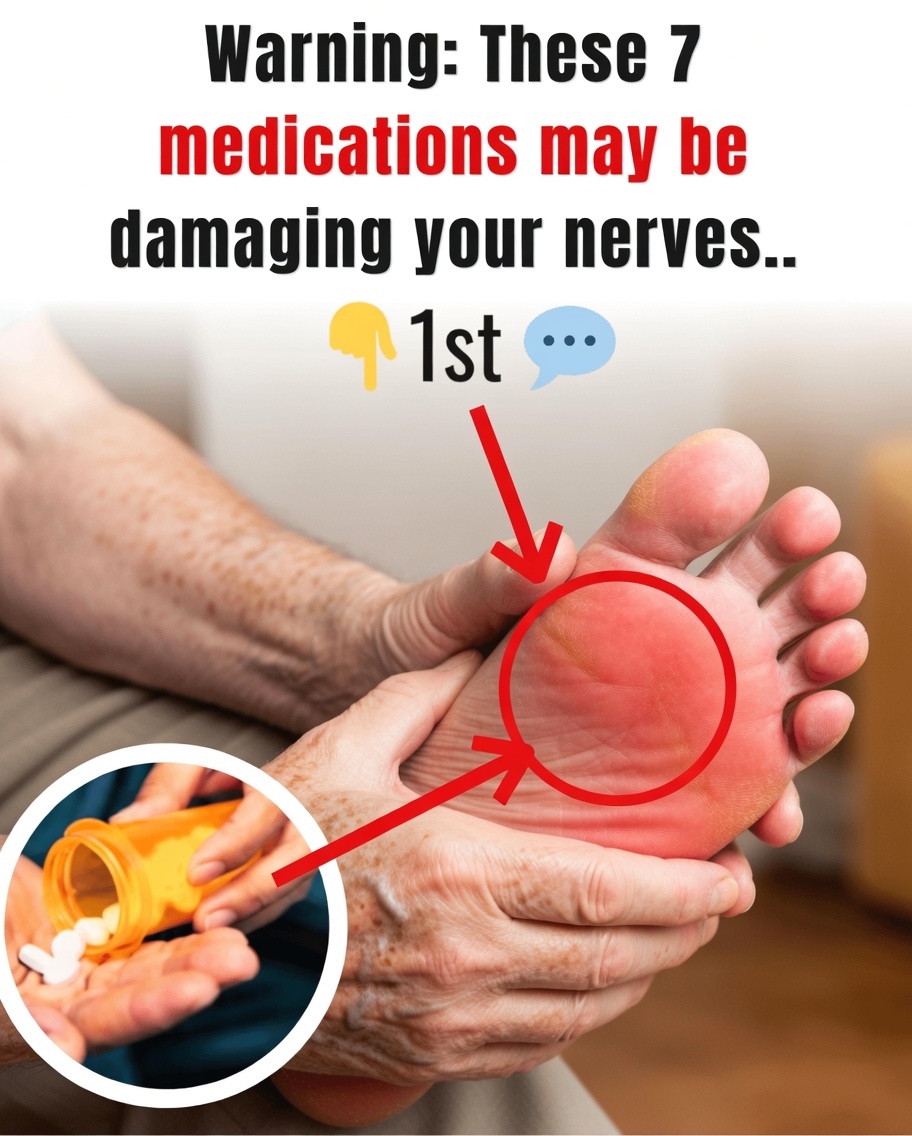
What Is Neuropathy?
Neuropathy is a form of nerve damage that commonly leads to pain, tingling, burning, or numbness, especially in the hands and feet. For many people, these symptoms are not just uncomfortable—they can interfere with work, family life, sleep, and overall well-being.
A persistent pins-and-needles sensation or burning pain can make walking, standing, or using your hands feel far more difficult than it should. Over time, that physical discomfort may also create emotional stress, anxiety, and frustration. When medications that cause neuropathy are part of the equation, learning more about the risk is one of the most empowering things you can do.
How Medications Can Contribute to Nerve Problems
A wide range of prescription drugs can affect the peripheral nerves in different ways. Because of this, neuropathy-causing medications are sometimes an overlooked reason behind unexplained nerve pain or numbness.
These side effects may develop gradually, making them easy to miss at first. As symptoms continue, people may begin avoiding activities they once enjoyed or feel increasingly discouraged by ongoing discomfort. Research suggests that medication-related nerve issues are not rare, particularly with long-term use or certain high-risk drug classes.
Recognizing the possible link between your symptoms and your prescriptions is an important first step toward protecting your nerve health.

7 Neuropathy-Causing Medications You Should Know About
Some of the most widely used medications have been associated with nerve damage, yet this risk is often not discussed enough. If you are experiencing ongoing tingling, burning, or shooting pain, these medication categories are worth knowing about.
1. Chemotherapy Drugs
Several cancer treatments are known to increase the risk of neuropathy. These include:
- Cisplatin
- Oxaliplatin
- Paclitaxel
- Vincristine
- Bortezomib
These medications may make the nerves more sensitive, and in some cases even light touch can become painful.
2. Certain Antibiotics
Some antibiotics have also been linked to nerve-related side effects, including:
- Metronidazole
- Nitrofurantoin
- Isoniazid
For some people, symptoms may continue even after treatment has ended.
3. Cardiovascular Medications
A number of heart and circulation-related drugs have been associated with nerve complications, such as:
- Amiodarone
- Hydralazine
- Certain statins
These medications may affect nerve function or contribute to symptoms that resemble peripheral neuropathy.
4. Anticonvulsants
Some seizure medications may trigger neuropathy symptoms in susceptible individuals, including:
- Phenytoin
- Carbamazepine
- Phenobarbital
Although not everyone is affected, it is important to stay alert to new or worsening nerve discomfort.
5. HIV/AIDS Medications
Older HIV treatments have been especially associated with neuropathy risk, including:
- Didanosine
- Stavudine
- Zalcitabine
These drugs have been linked to nerve damage that can significantly affect quality of life.
6. Immunosuppressants
Certain immune-modulating medications may also play a role in nerve issues, such as:
- Etanercept
- Infliximab
- Leflunomide
While not extremely common, the potential connection should still be considered if symptoms appear.
7. Other Common Medications
A few additional drugs are also known for possible neuropathy-related side effects, including:
- Thalidomide
- Colchicine
- Disulfiram
Because these medications are used in different medical settings, their nerve risks may not always be immediately recognized.

Environmental Toxins Can Add to the Risk
Medications are not the only possible cause of nerve damage. Exposure to environmental toxins such as lead and arsenic may also harm the nerves and worsen symptoms over time.
When toxin exposure combines with neuropathy-causing medications, the result may be more intense numbness, burning, or discomfort. These factors can build slowly and quietly, making symptoms harder to explain at first. Staying aware of both medication-related and environmental risks can help you stay ahead of potential problems.
Simple Ways to Support Nerve Health While Taking Medication
Even if you need to stay on a medication that may affect your nerves, daily habits can still make a meaningful difference. Small, consistent lifestyle choices may help your body better manage stress on the nervous system and improve overall comfort.
Lifestyle Habits That May Help
- Gentle regular exercise can improve circulation and reduce the heavy, uncomfortable feeling often linked to neuropathy.
- An antioxidant-rich diet with berries, leafy greens, and nuts may help the body handle oxidative stress associated with nerve damage.
Action Steps You Can Start Today
- Keep a simple journal of any new tingling, numbness, or burning sensations.
- Share those changes with your doctor when reviewing your medications.
- Drink enough water and aim for about 30 minutes of walking on most days, if your health allows.
- Review your full medication list with your healthcare provider at least once a year to identify possible neuropathy risks early.

Supplements That May Help Support Nerve Comfort
Some supplements have shown promise in supporting nerve health, particularly when oxidative stress is involved. Two commonly discussed options are:
- Alpha-lipoic acid
- Acetyl-L-carnitine
Research suggests these may help support mitochondrial function and improve overall nerve comfort in some individuals. While they are not a cure, they may offer additional support when used responsibly. Always speak with your healthcare provider before adding any supplement to your routine, especially if you take prescription medications.
Why It Is Important to Talk to Your Doctor
A direct conversation with your healthcare team about neuropathy-causing medications can make a major difference. Addressing symptoms early may prevent them from becoming more severe and disruptive.
Many people hesitate to speak up because they worry about stopping treatment or seeming overly concerned. But medical guidance consistently emphasizes the value of patient-doctor communication when nerve side effects are possible. Bringing up numbness, tingling, or pain early can lead to better monitoring, medication adjustments, or supportive strategies.
This may be the simple but often overlooked step that helps protect your nerves the most: review your medications openly and regularly with your doctor.

Final Thoughts: Awareness Is the First Step to Protecting Your Nerves
Living with symptoms linked to medications that cause neuropathy does not have to take over your life. When you understand the risks, monitor changes, and adopt supportive daily habits, you give yourself a better chance of reducing discomfort and maintaining your quality of life.
By recognizing how neuropathy-causing medications may affect the body and taking practical action early, you put yourself in a stronger position to protect your nerve health and feel more like yourself again.
Frequently Asked Questions
What are the early signs of neuropathy caused by medications?
Common early signs include:
- Tingling in the hands or feet
- Numbness
- Burning sensations
- Sharp or shooting pain
- Increased sensitivity to touch
If these symptoms begin after starting or changing a medication, it is a good idea to discuss them with your doctor.
Should I stop taking a medication if I think it is causing neuropathy?
No. Do not stop any prescribed medication on your own. Instead, talk to your healthcare provider about your symptoms. They can help determine whether your medication may be involved and whether changes are needed.
Can medication-related neuropathy go away?
In some cases, symptoms improve after the medication is adjusted or discontinued under medical supervision. In other cases, nerve symptoms may last longer. Early recognition often gives you the best chance of better outcomes.
Are all people taking these medications at risk?
Not everyone who takes these drugs will develop neuropathy. Risk may depend on factors such as dosage, length of treatment, personal health history, nutritional status, and exposure to other nerve-damaging factors.
What is the best way to protect nerve health while taking medication?
The most effective approach is to:
- Stay informed about possible side effects
- Monitor symptoms closely
- Maintain healthy lifestyle habits
- Review medications regularly with your doctor
- Report new tingling, numbness, or pain as soon as possible
Early action can make a real difference in protecting your nerves.