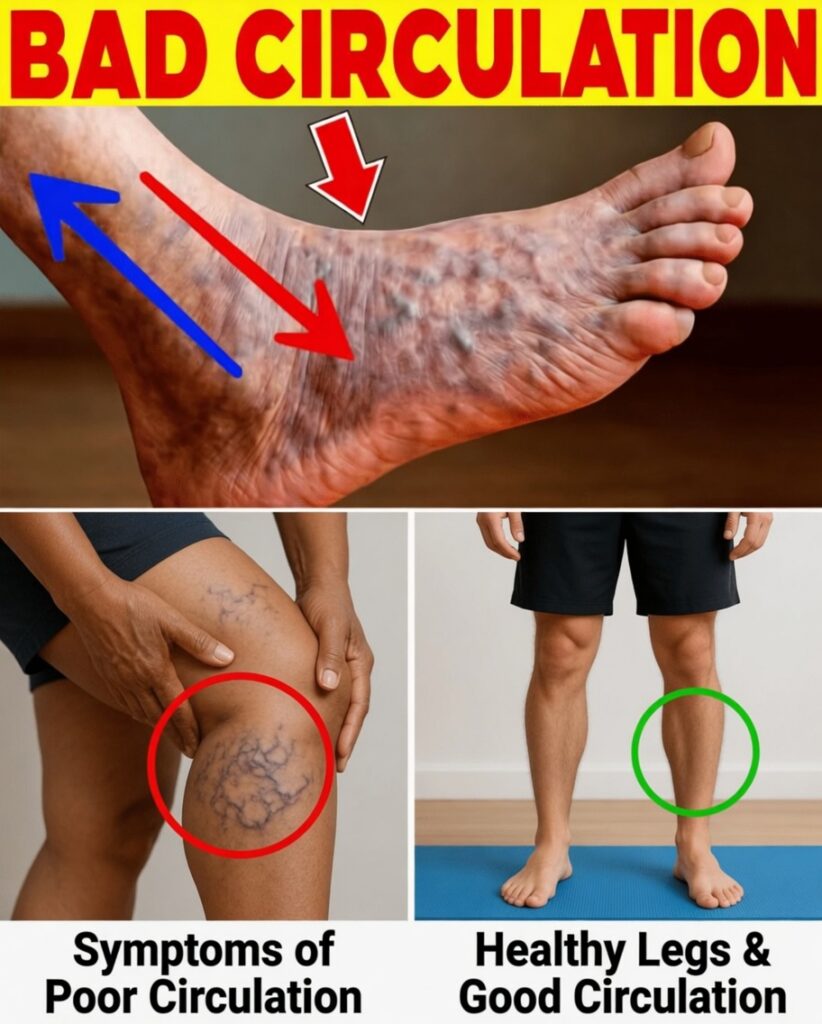
Heavy, Tired Legs After a Long Day? Your Leg Circulation May Need a Boost
After hours of sitting or standing, you may get home and notice your legs feel unusually heavy, tight, or “full”—sometimes with tingling or mild swelling that doesn’t go away right away. Poor leg circulation is more common than many people think, and it often shows up as fatigue, stiffness, and a drained feeling that makes everyday tasks feel harder than they should.
The encouraging part: gentle, consistent movement can support leg circulation naturally and safely. Keep reading—because the final exercise offers a surprisingly “complete” benefit that ties the routine together.
Why Healthy Leg Circulation Matters
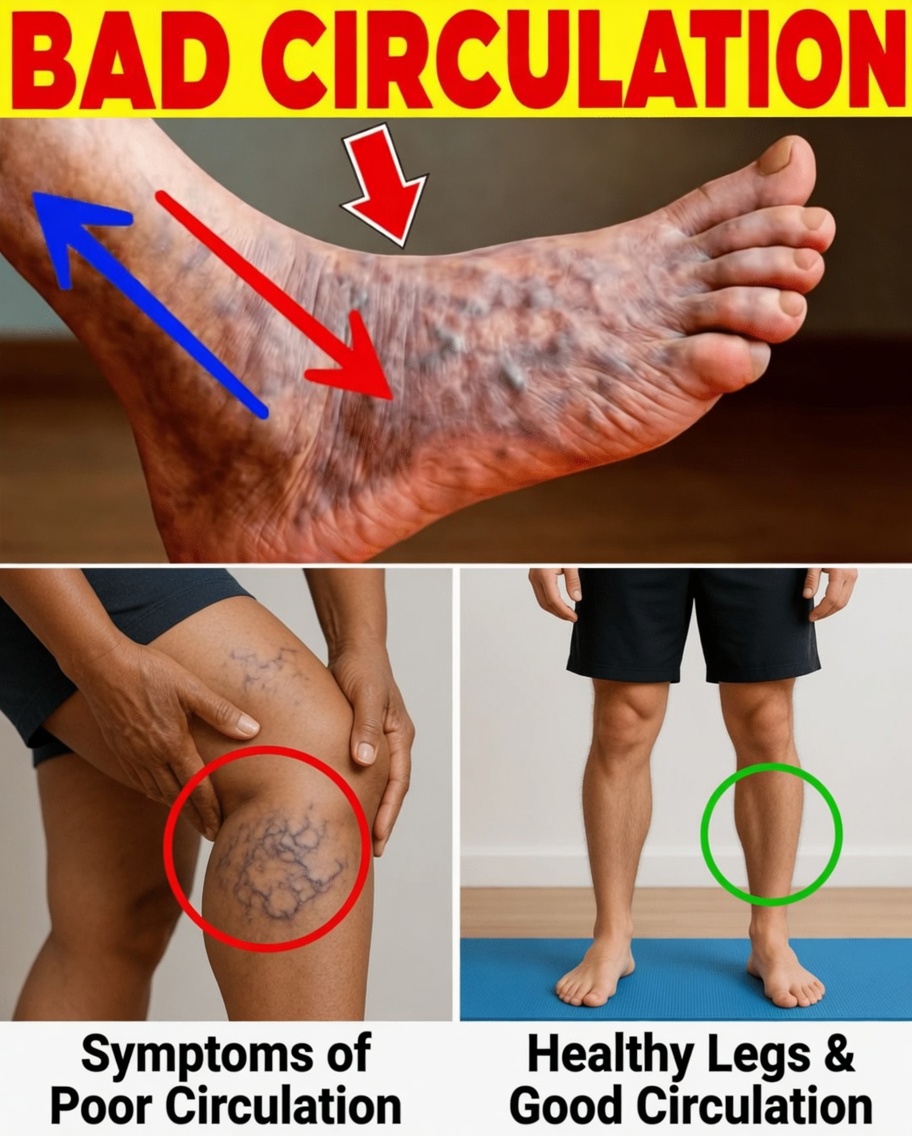
When blood flow in the legs slows down, your lower body can start to feel stiff and weighed down—especially after long desk sessions or standing for extended periods. Reduced leg circulation can also contribute to:
- Swelling around the ankles and calves
- Muscle cramps or tightness
- A lingering “tired legs” sensation that makes you want to sit even more
Research and general movement science consistently suggest that regular lower-body movement supports healthy circulation, helping many people feel lighter and less fatigued. And it doesn’t require intense workouts—small exercises done well can make a noticeable difference.
The Power of Movement: 6 No-Equipment Exercises to Improve Leg Circulation
These six moves take only minutes and require zero equipment. They’re designed to activate the muscle “pump” action in the lower body, which helps move blood back upward and may reduce that heavy, sluggish feeling. Below is a countdown from the simplest to the most full-body option.
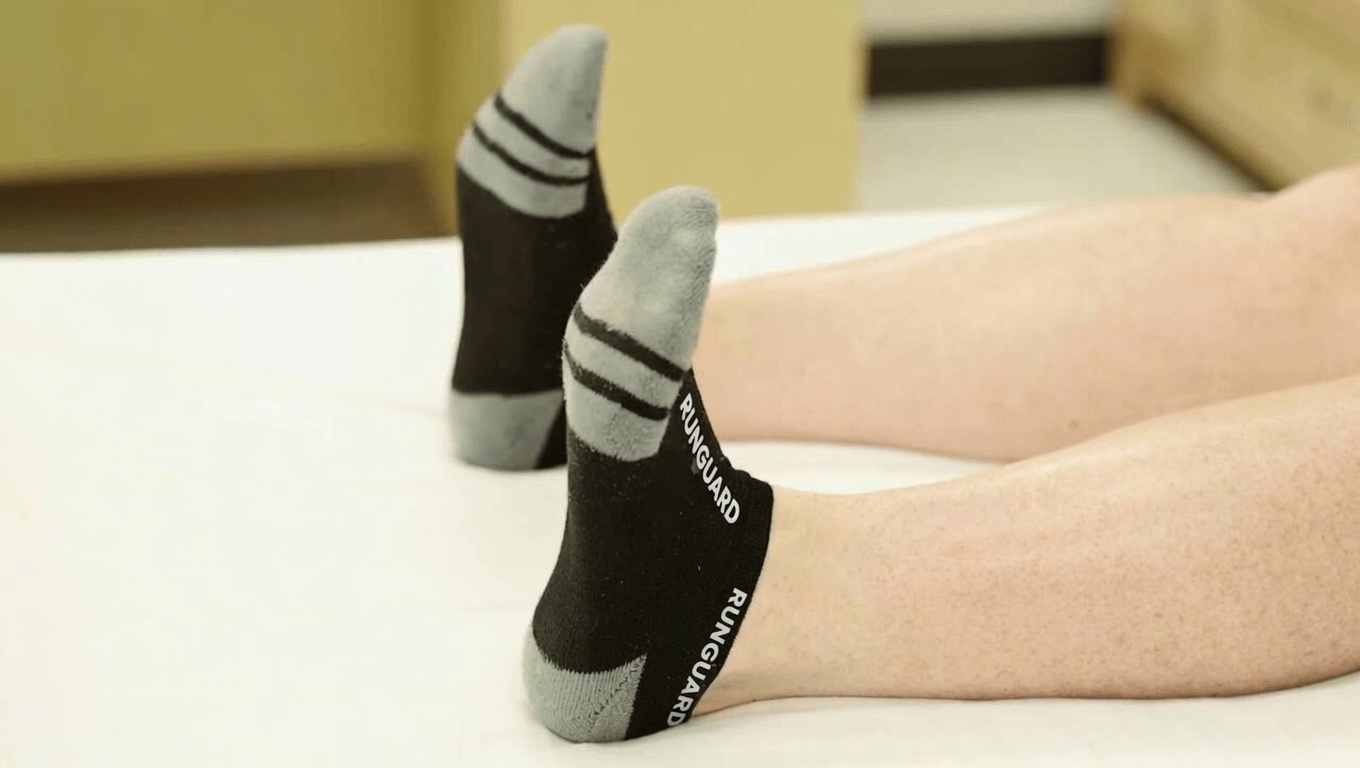
6) Ankle Pumps: A Gentle Reset for Leg Circulation
Lisa, a teacher, used to feel her legs “buzz” and grow heavy by evening after standing all day. She started doing ankle pumps during short breaks and noticed her legs felt less weighed down.
How to do it:
- Sit or lie down comfortably.
- Point your toes away from you.
- Pull your toes back toward your shins.
- Repeat 15 reps per foot.
This small motion encourages venous return (blood flowing back toward the heart) and may help ease swelling and fatigue linked to sluggish leg circulation.
5) Calf Raises: Strengthen the Body’s Natural Blood Pump
John, 60, often felt cramps during walks and suspected circulation was part of the issue. After adding calf raises, he found walking felt smoother and less uncomfortable.
How to do it:
- Stand tall with feet hip-width apart.
- Rise up onto your toes.
- Hold for 2 seconds.
- Lower slowly.
- Complete 3 sets of 12 reps.
Your calf muscles act like a “pump” that helps push blood upward—so strengthening them can support better leg circulation and reduce that heavy, tired feeling.
4) Seated Leg Extensions: Desk-Friendly Circulation Support
Sarah, 47, noticed stiffness and swelling during long workdays. Seated leg extensions became her go-to move during meetings.
How to do it:
- Sit upright in a chair.
- Extend one leg until it’s straight.
- Hold for 3 seconds.
- Lower with control, then switch legs.
- Do 10 reps per leg.
Simple lower-limb movement like this can help reduce “stagnant” feelings caused by too much sitting and may support steadier leg circulation during the day.
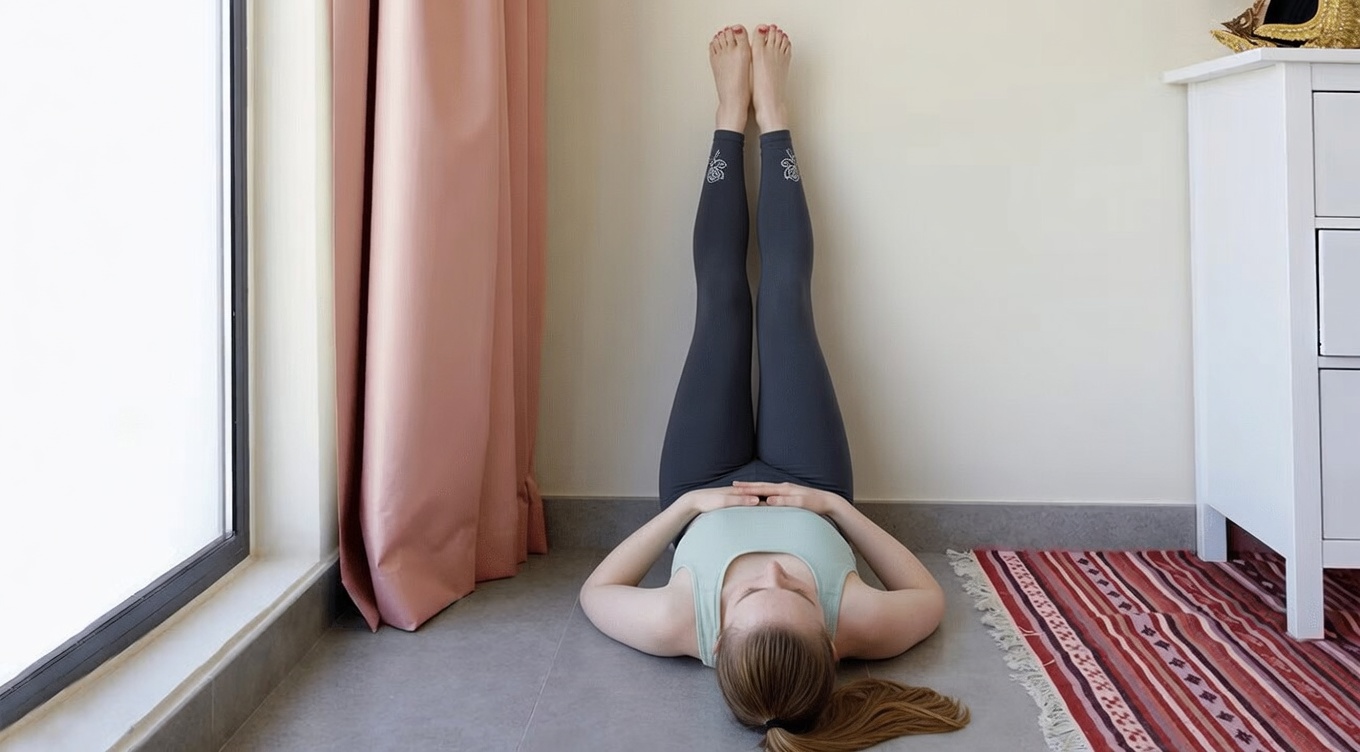
3) Wall Leg Lifts: Let Gravity Help Reduce Fluid Buildup
Maria, 55, often saw swelling after long days. She tried wall leg lifts and felt gentle relief, especially in the evening.
How to do it:
- Lie on your back near a wall.
- Place your legs up against the wall.
- Relax your shoulders and breathe normally.
- Stay for 5–10 minutes.
This position uses gravity to encourage fluid drainage and can feel especially soothing when your legs feel heavy or puffy.
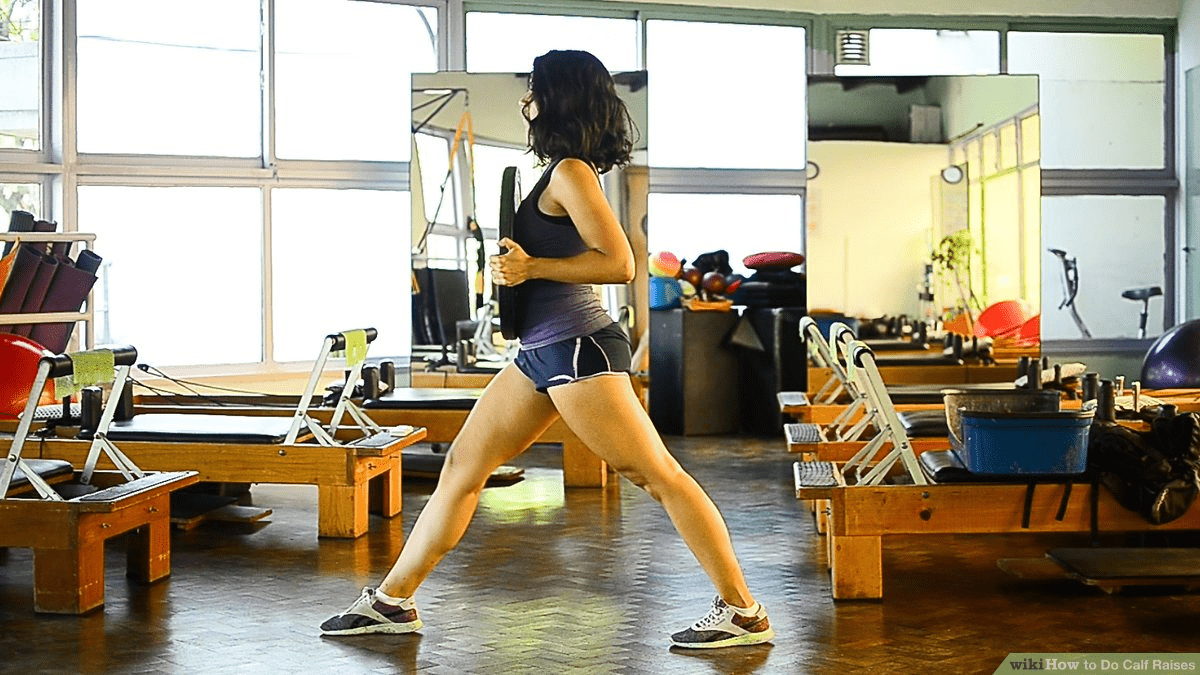
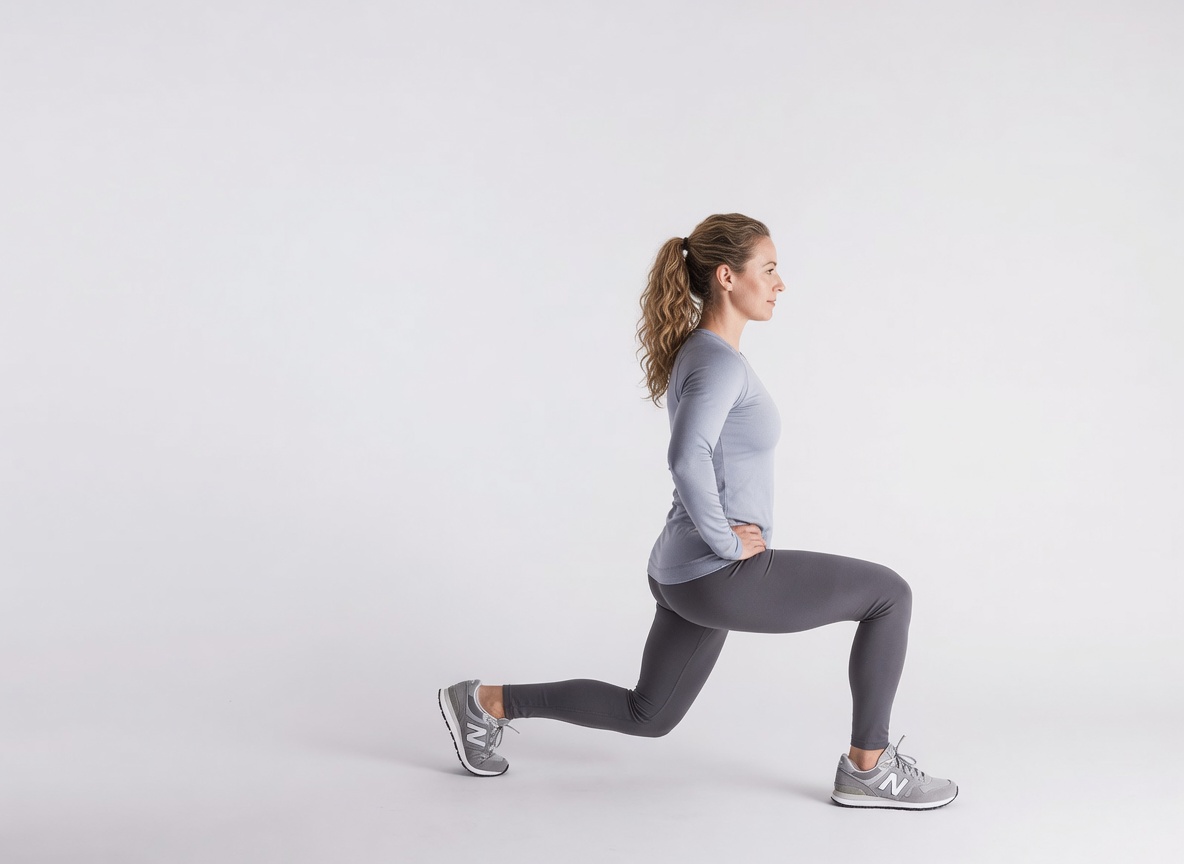
2) Walking Lunges: Activate Flow and Build Functional Strength
Tom, 50, wanted better hiking stamina but felt limited by tired legs. Walking lunges helped him feel more stable and energized.
How to do it:
- Step forward into a lunge.
- Lower under control (keep your torso tall).
- Push through your front foot to stand.
- Repeat on the other side.
- Do 10 reps per side.
Lunges engage multiple leg muscles at once, boosting the muscle-pump effect that supports leg circulation and helps fight fatigue.
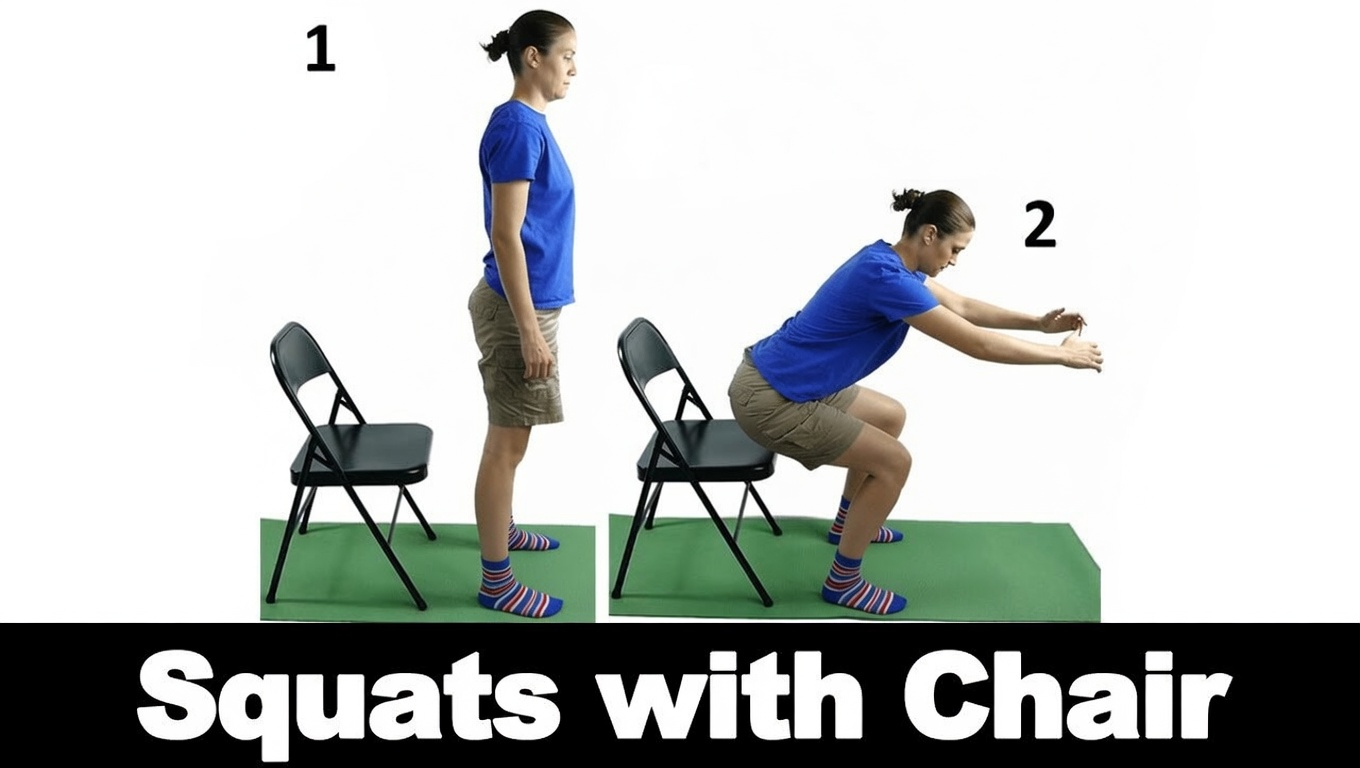
1) Chair Squats: The Full-Leg Revitalizer for Better Circulation
Jane, 48, described her legs as “sluggish” most evenings. Chair squats became her most effective habit because they worked many muscles at once—without needing a gym.
How to do it:
- Stand in front of a chair with feet about shoulder-width apart.
- Lower down as if sitting until you nearly touch the seat.
- Stand back up.
- Do 3 sets of 10 reps.
Squats recruit major muscle groups (glutes, quads, hamstrings), which can strongly support leg circulation and reduce the persistent heavy-leg feeling.
Quick Comparison: Simple Exercises That Fit Busy Schedules
-
Ankle Pumps
- Best benefit: Helps reduce heaviness and mild swelling
- Time: 2–3 minutes
- Ideal for: Desk workers, frequent sitting
-
Calf Raises
- Best benefit: Strengthens the calf “pump” that supports circulation
- Time: About 5 minutes
- Ideal for: Daily energy and walking comfort
-
Wall Leg Lifts
- Best benefit: Uses gravity to ease fluid buildup
- Time: 5–10 minutes
- Ideal for: Evening recovery after work
Active movement often beats passive approaches because it directly uses your muscles to encourage healthier leg circulation.
How to Do These Exercises Safely
If you’re new to exercise—or you’re concerned about circulation—start gently and build up over time.
- Ankle pumps: Move slowly; stop if you feel sharp ankle pain
- Calf raises: Use a wall or chair for balance if needed
- Chair squats: Keep knees tracking in line with your toes; don’t force depth
If any exercise causes pain, dizziness, or unusual symptoms, pause and consult a healthcare professional before continuing.
Your Simple Plan for Better Leg Circulation
Even if you’re busy, this routine can fit into daily life. Many people can complete several of these moves in 10–15 minutes, during a coffee break, between meetings, or while watching TV. With consistency, it’s common to notice legs feel less heavy within days.
- Try: Do ankle pumps every evening for one week and observe how your legs feel
- Reflect: Do your legs feel worse after long sitting? A few minutes of movement may help
- Share: Teach calf raises to a friend who complains about tired legs
Don’t Let Heavy Legs Limit Your Day
Imagine moving through your day—walking, dancing, traveling, playing—without the “brick-like” heaviness in your legs. These six movements—ankle pumps, calf raises, seated leg extensions, wall leg lifts, walking lunges, and chair squats—offer a straightforward way to support leg circulation daily.
P.S. Even five minutes of ankle pumps can feel surprisingly refreshing when practiced consistently.
FAQ
What causes poor leg circulation?
Common contributors include prolonged sitting or standing, low daily movement, and certain lifestyle factors that slow blood flow and create a heavy, tired sensation in the legs.
How often should I do these exercises to support leg circulation?
Many people benefit from 10–15 minutes per day (or every other day). Consistency usually matters more than intensity.
Are these exercises helpful if I sit at a desk all day?
Yes. Ankle pumps and seated leg extensions are especially practical for desk workers aiming to reduce stiffness and support healthy leg circulation.
Disclaimer: This content is for informational purposes only and does not replace professional medical advice. Consult your healthcare provider for guidance tailored to your health and symptoms.