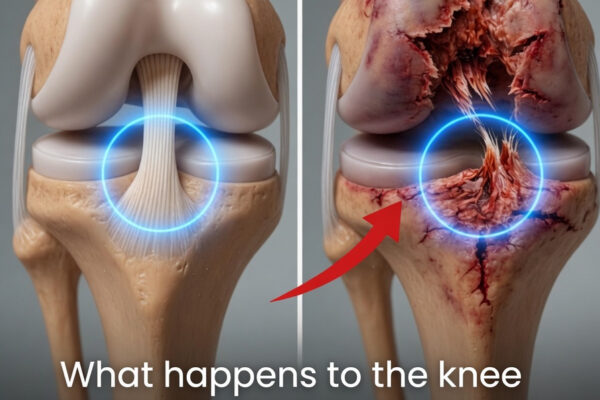
The Nighttime Protein Strategy for Stronger Muscles After 60
As the years go by, especially past age 60, holding on to muscle can begin to feel like a constant challenge. You may notice softer arms, a weaker grip, or that everyday tasks—like climbing stairs or carrying groceries—demand more effort than they used to.
This is not just “getting older”; it’s partly due to the body’s slowing ability to repair and rebuild muscle tissue. Without the right kind of support at the right time, maintaining muscle strength becomes increasingly difficult.
There is, however, one specific protein that can work for you while you sleep. Most people don’t use it in the most effective way at night—and that missed opportunity might be the key piece you’ve been looking for.

Why Maintaining Muscle After 60 Is More Difficult
Once you pass 60, your body naturally starts losing muscle mass more quickly than it can replace it—a process known as sarcopenia. Several factors contribute:
- Age-related hormonal changes
- Reduced physical activity
- Lower appetite or inconsistent eating
- Slower recovery from everyday movement and exercise
Many older adults notice:
- Less energy throughout the day
- Longer recovery times after simple activities like walking or light chores
- Fewer visible results from regular exercise or daily movement
Research shows that without targeted nutrition, muscle loss can speed up, even if you stay relatively active.
Another hidden issue: most of the protein you eat during the day is digested and used within a few hours. During the long overnight stretch, when your body should be repairing muscles, there may not be enough building blocks available. In that case, the body may start breaking down muscle for fuel.
This is where timing—and choosing the right type of protein—becomes critical.
The Key Nighttime Food: Casein Protein
The standout option for muscle maintenance while you sleep is casein protein. Casein is a slow-digesting protein naturally found in dairy and is commonly sold as a fine, white powder.
What makes casein unique?
- Unlike fast proteins (such as whey), casein thickens into a gel-like structure in your stomach.
- This gel slows digestion and allows amino acids—the building blocks of muscle—to be released gradually.
- Casein can supply your muscles with a steady stream of amino acids for up to 7 hours.
Studies in older adults have found that consuming around 40 grams of casein before bed significantly increases the rate of muscle protein synthesis overnight compared with consuming no protein.
In simple terms, it feeds your muscles exactly when they would otherwise be running on empty.
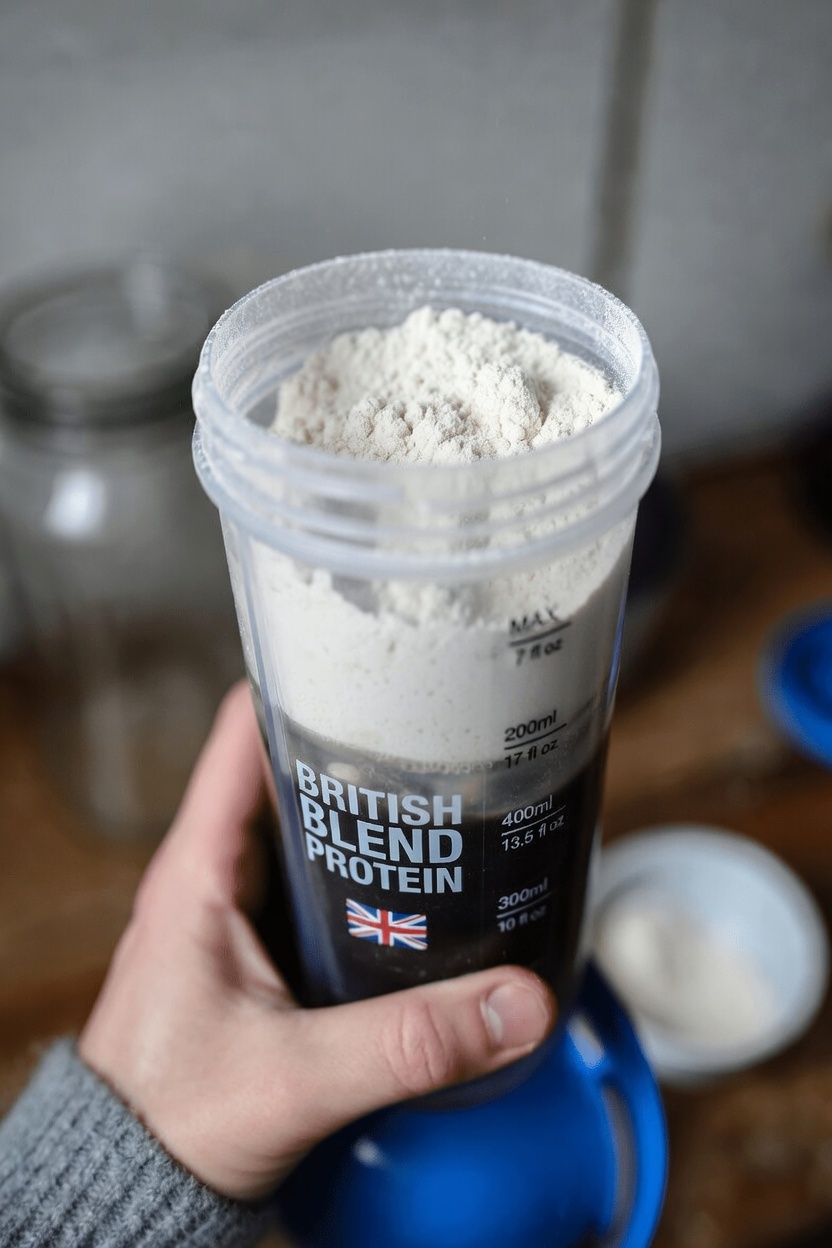
The Nighttime Hack Most People Overlook
Taking casein protein shortly before going to sleep can turn your normal night’s rest into a powerful recovery window. Instead of drifting into a state where your body may break down muscle tissue, you help keep your muscles in a positive protein balance overnight.
Research—particularly in adults over 60—shows that:
- Consuming casein before sleep supports higher rates of muscle building compared with no nighttime protein.
- When combined with light resistance training, it leads to greater gains in muscle strength and mass than training alone.
One often-cited study reported that an evening dose of 40 g of casein boosted overnight muscle protein synthesis by about 22% in individuals performing resistance training. Another trial in men around 70 years old found enhanced muscle-building activity during sleep with pre-bed casein, without disturbing sleep patterns or morning appetite.
This is why a nighttime casein shake is different from a regular daytime protein shake:
- Daytime protein fuels and repairs around your activities.
- Nighttime casein protects your muscles during the longest period you go without food.
How Casein Helps Protect Muscle After 60
Here’s what this strategy can do for daily life and long-term muscle maintenance after 60:
- Prevents overnight breakdown: A continuous release of amino acids helps stop your body from tapping into muscle tissue for energy.
- Supports evening exercise: If you do any strength work later in the day, casein provides the raw materials to rebuild those worked muscles overnight.
- Simplifies your routine: It offers structured support without the need for heavy late-night meals or complicated diets.
For many older adults, this approach is a practical, sustainable way to support strength, mobility, and independence.
How to Start Using Casein Before Bed: Step-by-Step
You can begin this nighttime habit as soon as tonight. Follow these steps for safe and effective use:
-
Choose the right product
- Look for a micellar casein powder.
- Aim for a product that has minimal added sugar and at least 30–40 g of protein per serving.
-
Measure your serving
- Use about 40 g of powder (often one heaping scoop, but check the label).
- Take it roughly 30 minutes before you plan to sleep.
-
Mix your shake
- Combine with 300–400 ml of water or an unsweetened milk alternative (such as almond milk).
- Use a shaker bottle; you don’t need a blender.
-
Drink slowly
- Sip it while you relax and get ready for bed.
- This can easily become part of your evening routine, like reading or watching TV.
-
Stay consistent
- For best results, use it nightly.
- Combine with your usual daily walking or light activity.
- Benefits often build over several weeks rather than overnight.
Many people notice better morning recovery, less stiffness, and a general sense of being more “ready to move” within the first 1–2 weeks.
Mistakes That Can Weaken Your Results
To get the full benefit of casein protein before bed, avoid these common pitfalls:
-
Using whey instead of casein at night
Whey and other fast proteins are absorbed too quickly, usually within 2–4 hours. They’re great after workouts, but not ideal for 7–8 hours of sleep. -
Eating a very heavy dinner right before the shake
Large, late meals can slow digestion and may cause discomfort. Keep dinner moderate and allow a bit of time before you have your casein. -
Taking very large doses without guidance
Stick to 40–45 g per serving unless your doctor or dietitian recommends otherwise. More protein doesn’t always mean better results. -
Loading the shake with extra calories
If your goal is maintaining muscle rather than gaining weight, avoid adding lots of sugar, cream, or oils to the shake.
Daytime Protein vs. Nighttime Casein: How They Work Together
You don’t need to choose between daytime and nighttime protein; using both strategically can support muscle maintenance around the clock.
| Aspect | Daytime Protein (Whey or Plant-Based) | Nighttime Casein (Micellar Casein) |
|---|---|---|
| Digestion speed | Fast (about 2–4 hours) | Slow (up to ~7 hours) |
| Best time to use | Around workouts or active periods | About 30 minutes before going to bed |
| Main benefit | Quick recovery and energy | Prolonged overnight muscle support |
| Ideal role for adults 60+ | Supports daily movement and exercise | Helps prevent overnight muscle breakdown |
Used together, they create a simple, effective routine:
- Daytime protein to support activity and recovery.
- Nighttime casein to protect and rebuild while you sleep.
Combine Casein With Simple Strength Exercises
To maximize the benefits of casein protein before bed, pair it with light resistance training a few times per week. The combination of exercise plus protein is what truly stimulates muscle maintenance and growth.
You don’t need intense gym sessions. Two or three short workouts of 15–20 minutes can be enough. Focus on:
-
Lower-body moves:
- Chair squats or half squats
- Heel raises holding onto a counter for balance
-
Upper-body moves:
- Wall push-ups
- Seated rows with a resistance band
-
Core and posture:
- Seated marches
- Gentle standing holds or balance exercises
Start very small—one set of each exercise is a fine beginning. The goal is consistency, not pushing to your limit. Over time, the combination of movement plus pre-sleep casein creates a stronger signal for your body to maintain and rebuild muscle.
Real-World Benefits Older Adults Often Report
When adults over 60 adopt this nighttime casein habit—especially alongside regular light exercise—many notice:
- Feeling steadier when walking or climbing stairs
- Less fatigue after household tasks or outings
- More confidence lifting groceries, gardening, or playing with grandchildren
- Better morning recovery, with less soreness and stiffness
Because casein digests slowly, most people don’t experience sudden hunger at night or discomfort the next day. It usually fits smoothly into a normal evening routine.
One Extra Tip Most People Overlook: Hydration
Casein does its best work in a well-hydrated body. To support digestion and muscle function:
- Drink water regularly throughout the day.
- Having a small glass of water with your casein shake is helpful.
- Aim for steady fluid intake rather than a large amount all at once late at night.
Good hydration helps your body transport nutrients and makes the entire recovery process more efficient.
Bringing It All Together
To support muscle maintenance after 60, especially overnight, one of the simplest and most effective strategies is:
- Take around 40 g of micellar casein protein about 30 minutes before bed.
- Combine this with light strength training two or three times a week and regular daily movement.
- Stay consistent for several weeks to allow your body time to respond.
You’re unlikely to see dramatic changes overnight. Instead, you’ll often notice steady improvements in how you feel: more strength, better balance, and greater ease in daily activities. Small, sustainable steps today can translate into lasting strength and independence at any age.
FAQ
Is casein protein safe for adults over 60?
For most healthy older adults, studies suggest that 40 g of casein before sleep is well-tolerated and does not interfere with sleep quality or next-day appetite.
However, you should consult your healthcare provider first if you:
- Have kidney issues
- Are sensitive or allergic to dairy
- Take medications that may be affected by increased protein intake
How long before I might notice a difference?
Timelines vary, but many people report:
- 2–4 weeks: Improved morning recovery, less stiffness, more consistent energy
- 8–12 weeks: Noticeable strength and performance improvements, especially when combined with regular resistance training
Can I use cottage cheese instead of casein powder?
Yes, but there are some trade-offs:
- Cottage cheese is rich in casein, but you would typically need around 500–600 g (about 1–1.3 lb) to reach 40 g of protein.
- That amount can feel heavy before bedtime and may be uncomfortable for some people.
For most older adults, casein powder is a more convenient, lighter, and more precise way to hit the recommended dose.
Disclaimer
This content is for informational and educational purposes only and should not be taken as medical advice. Individual responses to supplements and diet changes differ. Always talk with your doctor or a qualified healthcare professional before adding new supplements, changing your protein intake, or starting a new exercise routine—especially if you have existing medical conditions or take prescription medications.