

A Simple Bedtime Habit That May Help Preserve Muscle After 60
As people move through their 60s and beyond, many begin to notice a gradual drop in strength. Everyday activities such as lifting shopping bags, getting up stairs, or standing up from a chair may feel more demanding than they once did. Muscles that used to feel firm can start to look and feel less toned. This common age-related change can slowly affect energy, stability, and the ability to stay independent.
The encouraging news is that research suggests a very simple evening routine may help support muscle health while you sleep. In some cases, the missing link may be as easy as eating one specific type of food before bed.
Why Muscle Loss Often Increases After Age 60
This change is real and extremely common. Beginning around age 50, adults typically lose about 3% to 8% of muscle mass per decade. After 60, that decline can become more noticeable if no action is taken. This process is known as sarcopenia, and it happens in part because the body becomes less effective at using dietary protein to build and maintain muscle.
Even so, muscle loss is not something you have to simply accept. Consistent daily habits, especially around nutrition, can help your body better support muscle maintenance. One particularly helpful time to do that may be the hour before sleep.
Why Protein Before Bed Matters
For years, many people assumed eating at night was always a bad idea. But newer research paints a more nuanced picture, especially when the evening meal includes protein.
A moderate amount of protein before sleep can provide the body with a steady stream of amino acids overnight. That matters because sleep is one of the body’s main recovery periods. Studies involving older adults have shown that slow-digesting protein taken before bed can increase overnight muscle protein synthesis. Put simply, your body may stay in repair and maintenance mode longer while you rest, rather than breaking down muscle tissue.
Another benefit is that this habit does not appear to harm sleep quality or make people unusually hungry the next morning when the portion is kept reasonable. Instead, it gives the muscles support during the hours when recovery naturally occurs.
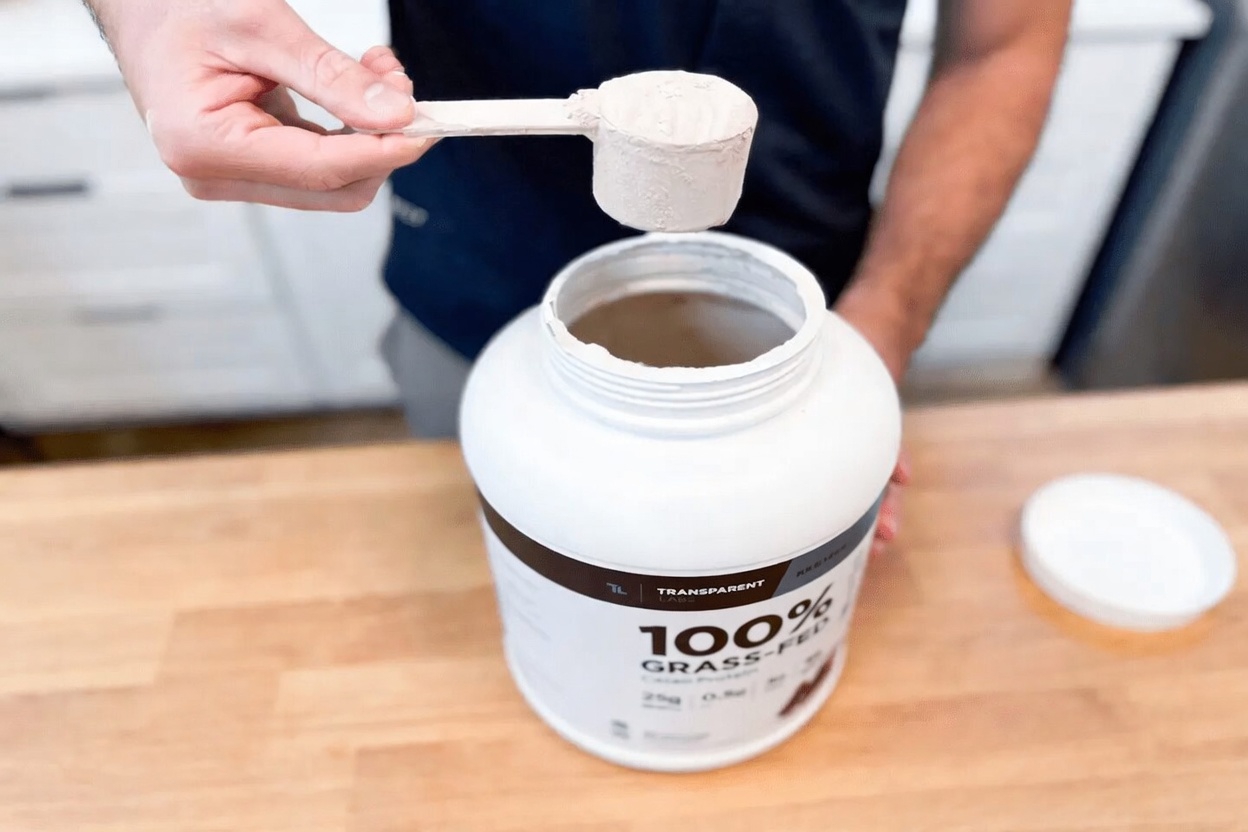
The Best Nighttime Food for Muscle Support
So what is this much-discussed bedtime food? It is not an exotic supplement or a trendy superfood. The most effective option is usually a slow-digesting protein, especially casein protein, which is found in milk and dairy products.
Common choices include:
- Casein protein powder
- Plain Greek yogurt
- Low-fat cottage cheese
Casein digests more slowly than many other proteins, releasing amino acids gradually over several hours. That makes it especially useful at night. A typical serving provides around 20 to 30 grams of protein, which matches the amount commonly used in research.
Easy Protein Options Before Bed
Here is a simple comparison of nighttime protein choices:
| Option | Approximate Protein per Serving | Why It Works at Night | Quick Prep Tip |
|---|---|---|---|
| Casein protein powder | 25 g | Slow release for 6 to 8 hours | Mix 1 scoop with water or milk |
| Plain Greek yogurt | 15 to 20 g | Naturally rich in casein and probiotics | Eat about 3/4 cup, unsweetened |
| Low-fat cottage cheese | 25 g | High in casein and very filling | Try 1 cup with light seasoning |
These foods are practical, affordable, and supported by science rather than hype.
How to Turn It Into a Simple Evening Routine
If you want to try this habit, keep it easy and sustainable. Here is a straightforward approach:
-
Pick a protein source you enjoy
- Choose the option that fits your taste and lifestyle best.
- Many people prefer casein powder because it is fast to prepare.
-
Have it 30 to 60 minutes before sleep
- This gives your body time to begin digestion without making you feel too full.
-
Keep the serving moderate
- Aim for about 20 to 40 grams of protein total.
- More is not always better.
-
Add light flavor if needed
- A little cinnamon or a few berries can improve taste without adding too much sugar.
-
Be consistent
- Try it on most nights for several weeks to see how your body responds.
A useful tip: if you already do resistance training or strength exercises a few times per week, adding protein before bed may work especially well alongside that routine. Exercise plus smart nutrition gives muscles a stronger chance to stay healthy over time.
What Research Says About Pre-Sleep Protein
Several studies published in respected scientific journals, including the Journal of the International Society of Sports Nutrition, have examined the effects of protein before sleep in adults over 60.
The overall finding is consistent: consuming casein protein before bed can increase overnight muscle protein synthesis compared with going to sleep without protein. Some research has also found improvements in muscle mass and strength when this habit is combined with regular strength training.
One study involving older men suggested that the muscle-building effect lasted for up to 7.5 hours overnight, without negatively affecting sleep. These findings are promising, but they should be viewed as part of a broader healthy lifestyle, not as a miracle solution on their own.

Other Important Habits to Protect Muscle After 60
Bedtime protein can be helpful, but it works best when combined with other proven strategies for healthy aging.
-
Do resistance training 2 to 3 times per week
- Light weights, resistance bands, squats, and push-ups can all help preserve muscle.
-
Spread protein intake across the day
- Try to get around 20 to 30 grams of protein per meal, not only at night.
-
Drink enough water
- Poor hydration can make muscles feel weaker and recovery less efficient.
-
Prioritize sleep
- Aim for 7 to 9 hours of quality rest so the body can recover properly.
-
Include vitamin D and leucine-rich foods
- These nutrients may help the body use protein more effectively.
Frequently Asked Questions
How much protein should I eat before bed?
Most studies use 20 to 40 grams. A good starting point is the lower end of that range, especially if you are testing how well your stomach tolerates it.
Will eating protein at night cause weight gain or hurt my sleep?
Current evidence suggests that a moderate, low-sugar portion of protein before bed does not negatively affect sleep or increase appetite the next day.
What if I do not want dairy or protein powder?
Plant-based protein blends, such as pea protein, are available, although they usually digest faster than casein. Other options like turkey or a small handful of nuts can provide protein too, but the slow-release effect is strongest with dairy-based casein.
Final Thoughts
Maintaining muscle after 60 does not require extreme diets or complicated fitness plans. Often, the most effective strategies are simple habits that fit naturally into daily life. Adding a serving of slow-digesting protein before bed is one of those small but meaningful choices that may support strength, recovery, and independence over time.
Start small tonight. A scoop of casein, a bowl of Greek yogurt, or some cottage cheese may be enough to give your muscles extra support while you sleep. Over the long run, that simple nighttime habit could make a real difference.
Disclaimer: This article is for educational purposes only and should not be considered medical advice. Results vary from person to person. Always speak with your healthcare provider before making major changes to your diet or exercise routine, especially if you have existing health conditions.