
The Bedtime Nutrition Habit That May Help Slow Muscle Loss After 60
Once you reach your 60s, everyday tasks can start to feel unexpectedly harder. Grocery bags seem heavier, sleeves fit looser around the upper arms, and climbing stairs may leave you short of breath. That change is not only about aging in general. In many cases, it is linked to sarcopenia, the age-related decline in muscle mass and strength that affects millions of older adults.
What makes this issue so frustrating is how quietly it develops. Many people do not notice how quickly muscle can decline after 60, and even fewer realize that a simple bedtime eating habit may help support muscle preservation.
The encouraging news is that research suggests your pre-sleep protein intake can influence how well your body repairs and maintains muscle overnight. It is not necessarily about eating huge meals all day or exercising harder than ever. In fact, one specific food choice before bed may offer meaningful support for adults over 60 who want to stay stronger, steadier, and more active.
Why Muscle Loss Becomes More Noticeable After 60
As you age, your body becomes less efficient at building and repairing muscle tissue. Overnight muscle protein production declines, hormone levels change, recovery takes longer, and many people become less physically active than they were in earlier decades.
This combination contributes to sarcopenia, which can lead to a 3% to 8% loss of muscle mass per decade if no action is taken. Over time, that can mean:
- Reduced leg strength
- Poorer balance
- More difficulty with daily movement
- Greater risk of falls and injury
Still, there is an important point many people overlook: your muscles continue repairing themselves while you sleep. Nighttime is actually one of the most important recovery periods for the body—if the right nutrients are available.

The Overnight Recovery Window Most People Overlook
During sleep, the body shifts into a restoration phase. This is when many repair processes become more active, including muscle protein synthesis, the mechanism responsible for helping maintain and build muscle tissue.
Studies published in nutrition research have found that consuming around 20 to 40 grams of protein 30 to 60 minutes before bed can significantly increase overnight muscle protein synthesis, especially in older adults.
However, the type of protein matters. Fast-digesting protein is absorbed quickly and may not provide support throughout the night. For bedtime, the better option is a slow-digesting protein that releases amino acids gradually for several hours.
The Protein Your Muscles May Be Missing: Casein
One of the best-known slow-release proteins is casein, a dairy protein naturally found in milk products. Unlike whey protein, which is digested rapidly, casein forms a gel-like consistency in the stomach and releases amino acids slowly over about 6 to 8 hours.
That makes it especially well suited for bedtime use.
A single serving—typically 25 to 30 grams of casein protein powder mixed with water or milk—can provide your muscles with a steady stream of the building blocks they need while you sleep. Research involving older adults, including older men, suggests that taking casein before bed may support better muscle retention and strength improvements when combined with regular physical activity.
Why Casein Works Well at Night
Casein offers several practical benefits for adults over 60:
- Provides a steady amino acid supply through the night
- Supports muscle recovery during sleep
- Is simple to prepare and convenient to add to a routine
- Is generally easy for most healthy adults to tolerate
- Works especially well alongside light resistance exercise
Casein vs. Other Protein Options
Here is a quick comparison of common protein choices and when they may work best:
| Protein Type | Digestion Speed | Best Time to Use | Why It Matters After 60 |
|---|---|---|---|
| Whey protein | Fast | After exercise | Useful for rapid absorption, but less ideal for overnight support |
| Casein protein | Slow, about 6–8 hours | 30–60 minutes before bed | Delivers a steady supply of amino acids while you sleep |
| Plant-based protein blends | Moderate | Any time of day | A good alternative for those who avoid dairy |
| Greek yogurt or cottage cheese | Slow | In the evening or before bed | A natural food-based option with similar slow-release benefits |
How to Add One Spoon Before Bed
If you want to try this tonight, the process is simple. Here is how to make it part of your evening routine safely and effectively.
1. Pick the Right Casein Product
Choose a micellar casein protein powder, which is considered the slowest and most complete form. Try to avoid products loaded with sugar, artificial fillers, or unnecessary additives. Plain or lightly flavored versions are often the best choice.
2. Use One Scoop
Most servings provide about 25 to 30 grams of protein, which is the ideal amount for many older adults before bed. Mix one scoop into:
- 8 to 12 ounces of water
- Unsweetened almond milk
- Low-fat milk
Shake or blend until smooth.
3. Take It at the Right Time
Drink it 30 to 60 minutes before going to sleep. This gives your digestive system time to get started without making you feel overly full at bedtime.
4. Keep the Routine Easy
There is no need for a giant shake. Casein tends to be slightly thicker than other proteins, and many people like that texture because it feels more satisfying—almost like a light dessert or pudding.
5. Combine It With Strength-Building Movement
For better results, pair bedtime protein with 2 to 3 sessions of light resistance training each week. Good options include:
- Bodyweight squats
- Resistance band exercises
- Light dumbbell workouts
- Chair stands
- Wall push-ups
This combination of protein plus resistance training is what helps muscles respond more effectively.
6. Pay Attention to Changes
Give it at least 2 to 4 weeks and notice whether:
- Stairs feel easier
- Your arms or legs seem firmer
- You wake up with better energy
- Daily movement feels more stable
Results differ from person to person, but consistency matters more than perfection.
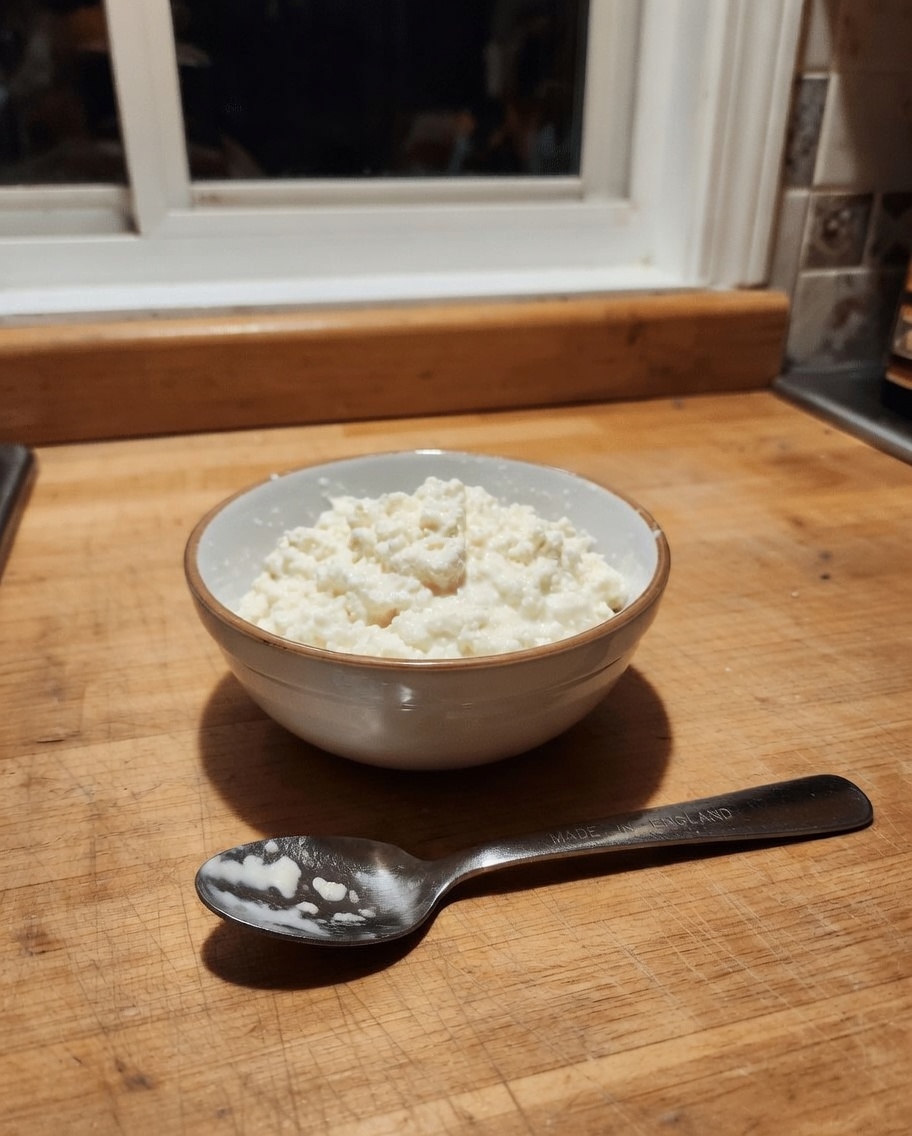
Real-Food Bedtime Protein Options If You Do Not Want Powder
If protein powder is not appealing, you can still support overnight muscle recovery with food. Several whole-food options provide a similar slow-release protein effect.
Try one of these before bed:
- 1 cup low-fat cottage cheese for about 25 grams of protein
- 3/4 cup plain Greek yogurt for roughly 20 grams of protein
- 2 tablespoons natural almond butter on a small slice of whole-grain toast
These choices can help provide muscles with a more gradual supply of nutrients overnight, without using supplements.
Common Questions About Muscle Support After 60
Will this help if I have never done strength training before?
Yes. Even if you are new to exercise, adding light movement along with a bedtime protein habit may help support muscle maintenance. Start gently and consider guidance from your doctor or a qualified trainer.
Is casein safe for everyone over 60?
Most healthy adults can use casein without problems, but it is best to speak with a healthcare provider first—especially if you have kidney disease, digestive issues, or dairy sensitivity. If dairy is not a good fit, there are slower-digesting plant-based alternatives available.
How long does it take to notice results?
Some people report improvements in energy, recovery, or strength within 3 to 4 weeks. More visible changes in muscle tone typically take 8 to 12 weeks, especially when paired with regular exercise and an overall balanced diet.
The Bottom Line
Turning 60 does not mean you have to accept ongoing muscle loss without a fight. Your body still repairs itself every night, and giving it the right fuel before bed can help support that natural process.
A single serving of casein protein before sleep—or a casein-rich food like Greek yogurt or cottage cheese—offers a simple, research-supported way to help preserve strength and muscle as you age.
Start with one easy step tonight. Mix your bedtime protein, get quality rest, and give your muscles the overnight support they may be lacking.
Disclaimer
This article is for informational purposes only and should not be considered medical advice. Individual results vary. Always speak with your healthcare provider before changing your diet or exercise habits, especially if you have existing medical conditions.