

Noticing less definition in your arms, weaker shoulders, or more strain when carrying groceries can be discouraging. For many adults over 60, this change happens so gradually that it is easy to miss at first. Then one day, everyday tasks feel more demanding, and the strength you once relied on does not seem as steady as before. This common decline can influence not only physical ability, but also energy, confidence, and independence.
The encouraging news is that one often-overlooked food may help support muscle health when added to your evening routine. It is simple, practical, and something you can start using right away. A small bedtime habit may offer meaningful support for your muscles over time.
Why Muscle Loss Becomes More Obvious After 60
As you age, your body becomes less efficient at processing protein for muscle repair and growth. The process known as muscle protein synthesis slows down, while muscle breakdown continues around the clock. This is especially important overnight, when you go for hours without eating. Researchers have linked this imbalance to normal age-related muscle decline, even in people who remain reasonably active.
Because of this shift, you may begin to notice reduced strength during ordinary movements, changes in how clothing fits around your limbs, or more difficulty keeping up with activities you enjoy. The good part is that once you understand what is happening, you can take practical steps without turning to extreme exercise plans or restrictive diets.
The Overlooked Role of Overnight Nutrition
Many people focus on eating well during the day, but overlook what happens while they sleep. For adults over 60, the overnight period can be a major gap in nutrition. Even while you rest, your body continues working. If the right nutrients are not available, it may draw on existing muscle tissue to meet its needs.
This is why daytime meals alone may not be enough. Research in nutrition and exercise science has examined the effects of consuming a slow-digesting protein before bed. These studies suggest that this strategy can keep amino acids available for longer, helping support the body’s natural repair process during sleep.
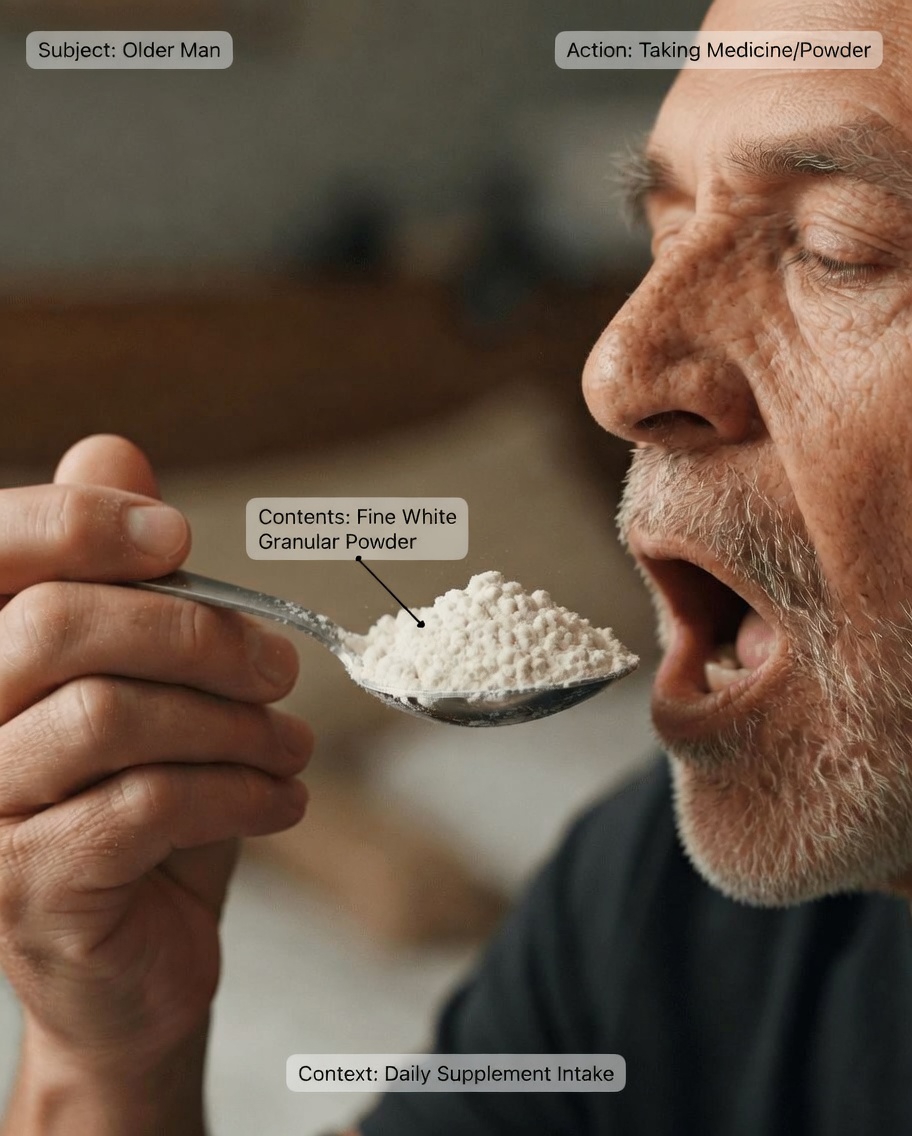
The Simple Bedtime Addition: Casein Protein Powder
One food missing from many nighttime routines is casein protein powder. Casein is a dairy-based protein that digests slowly. In the stomach, it forms a thicker, gel-like texture, which allows amino acids to be released gradually over several hours. It is usually sold as a plain white powder that can be mixed into water, milk, or yogurt.
Unlike fast-digesting proteins that are absorbed quickly and then fade, casein delivers a more steady supply over the night. That slow release makes it especially useful during the long stretch between dinner and breakfast. Studies suggest that in older adults, casein before bed may help support overnight muscle protein balance, particularly when combined with regular movement or strength training.
This is why many people describe it as a very easy habit: just one spoon before sleep.
Why Casein May Be Especially Helpful After 60
Casein contains essential amino acids, including leucine, which plays an important role in muscle maintenance. Because it digests slowly, it can help reduce the long fasting period that often contributes to greater muscle breakdown in older adults. Several studies on pre-sleep protein intake have found favorable effects on muscle-related markers, especially when paired with resistance exercise.
Here are a few reasons it stands out:
- Easy to add to your evening routine with little effort
- Widely available and budget-friendly in stores and online
- Effective in modest amounts, often around 20 to 40 grams depending on your needs
The real value is not in instant transformation. It is in creating a small, steady habit that can support your body week after week.
How to Use Casein Protein Before Bed
If you want to try it, keep the process simple. You can begin tonight with these steps:
-
Choose a basic product
- Look for plain casein protein powder, often labeled as micellar casein.
- Skip products packed with added sugar or stimulants if you want a cleaner option.
-
Start with one serving
- A good starting point is 20 to 30 grams, which is usually about one to two scoops depending on the brand.
- Mix it with 8 to 10 ounces of water, almond milk, or low-fat milk.
-
Take it at the right time
- Drink it about 30 to 60 minutes before bedtime so digestion can begin before you sleep.
-
Keep the recipe easy
- Shake or stir until smooth.
- If desired, add a little cinnamon or a few berries for flavor without greatly increasing calories.
-
Watch for changes over time
- After two to four weeks, pay attention to your energy, your ease with daily tasks, and whether your body feels stronger or more stable.
A smart bonus step is to combine this habit with light resistance exercise two or three times a week. Bodyweight squats, resistance bands, or light dumbbells can all help your body use that protein more effectively.
Healthy Habits That Make Casein Work Even Better
Casein can be a helpful tool, but it works best as part of a broader routine. These habits can improve your results:
-
Distribute protein across the day
- Aim for roughly 25 to 30 grams of protein at each meal when possible.
-
Do regular strength training
- Even brief 20-minute sessions can support muscle maintenance.
-
Protect your sleep
- Getting 7 to 9 hours of quality sleep gives your body more time to benefit from slow-release amino acids.
-
Get enough vitamin D and omega-3s
- These nutrients support overall muscle function and can come from sunlight, fatty fish, or supplements.
-
Stay well hydrated
- Dehydration can make muscle fatigue worse, so regular water intake matters.
When these habits are combined, many adults report feeling steadier, stronger, and more capable in everyday life.

Common Mistakes That Can Limit Results
Even a good routine can be less effective if a few common mistakes get in the way. Try to avoid these:
-
Using whey protein right before bed
- Whey digests quickly, so it may not provide the same overnight support as casein.
-
Skipping resistance exercise completely
- Protein helps, but movement is still essential for maintaining muscle.
-
Taking too much at once
- Larger servings are not always better and may cause digestive discomfort.
-
Expecting immediate changes
- Progress usually comes gradually through consistency.
-
Eating too few calories overall
- Undereating can work against your efforts to preserve muscle.
Correcting even one or two of these habits can make your bedtime protein routine much more effective.
What People Often Notice in Real Life
Adults in their 60s and 70s who adopt this simple nighttime habit often describe practical improvements rather than dramatic ones. They may feel more stable when walking, stronger when lifting bags, or more comfortable with how their body looks and feels. The goal is not to reverse aging overnight. It is to protect your strength, maintain function, and support gradual improvement.
Another advantage is how easy the habit becomes. Once it is part of your routine, it takes almost no extra time. One scoop, a quick mix, and you are done for the evening.
A Simple Long-Term Strategy for Muscle Support
Maintaining muscle after 60 is possible when you focus on realistic, sustainable choices instead of chasing quick fixes. Adding casein protein powder before bed, along with light strength training and balanced nutrition, can give your body extra support during the overnight hours when muscle breakdown may otherwise increase.
Start small. Buy a plain casein powder, follow a simple bedtime routine, and give your body time to respond. Consistent small actions can make a meaningful difference.
FAQ
How much casein protein powder should you take before bed?
Most research uses 20 to 40 grams before sleep, depending on body size and daily protein needs. It is usually best to begin with the lower end of that range and increase only if needed and well tolerated. If you have kidney disease, digestive concerns, or other medical conditions, speak with a healthcare professional before adding protein supplements regularly.