Nourishing Your Body After 50: The Everyday Seeds That Support Cellular Health
After age 50, it’s common to pay closer attention to cellular health, inflammation, and long-term wellness—especially as factors such as oxidative stress become more relevant to overall aging and chronic disease risk. Many adults look for nutrient-dense foods to strengthen the body’s natural defenses, yet it’s not always clear which options truly offer meaningful benefits.
The encouraging news: a few everyday edible seeds deliver concentrated antioxidants, healthy fats, and fiber. When used consistently, they can help support immunity, heart health, digestion, and vitality—without complicated diet changes.
Why Seeds Matter More After 50
With age, the body can experience higher oxidative stress and low-grade chronic inflammation, which may quietly influence energy, joint comfort, and cellular function. Research on dietary patterns repeatedly points to the value of plant-based antioxidants and omega-3 fatty acids in supporting resilience as we age.
Seeds are especially useful because they are:
- Nutrient-dense in small portions
- Easy to add to meals without changing your routine
- A practical way to increase fiber for gut health and steady digestion
The 6 Seeds Worth Eating Regularly (and How to Use Them)
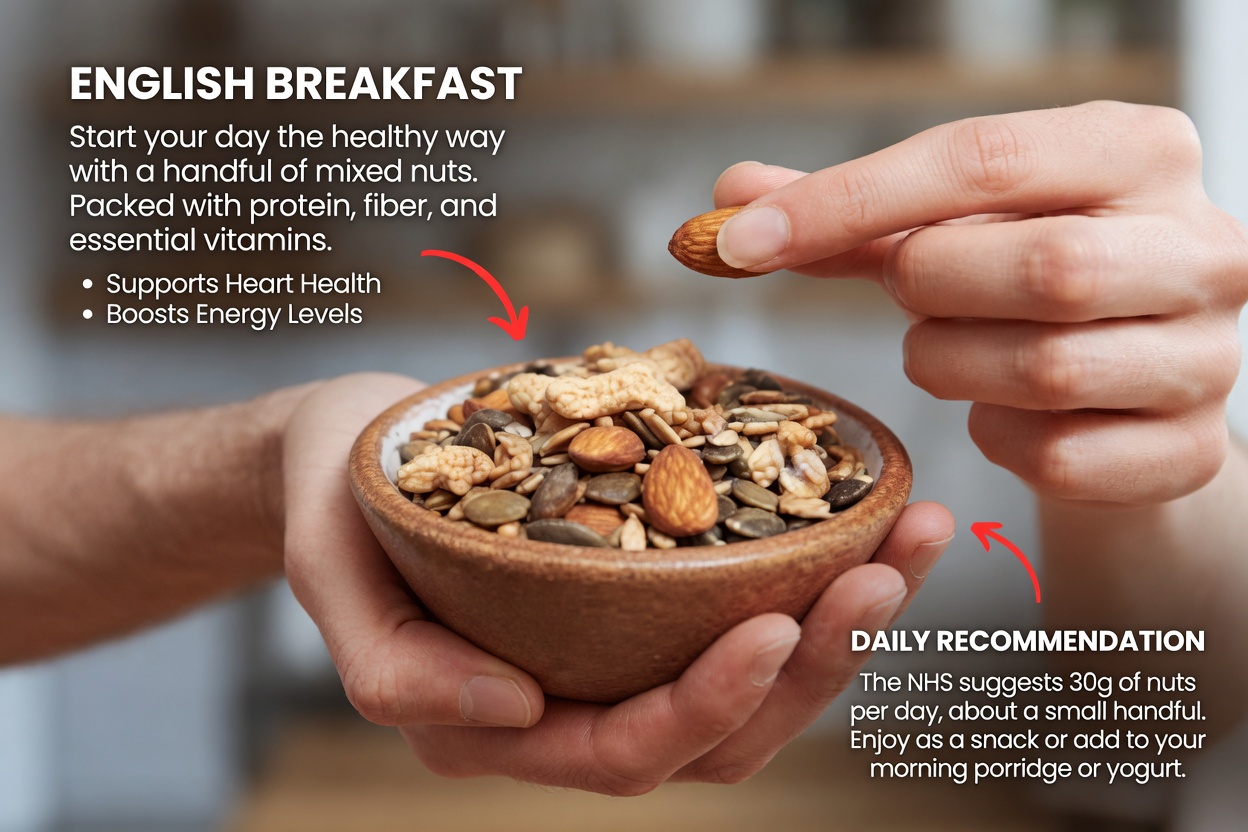
Below are six research-supported seeds, their standout nutrients, and simple ways to enjoy them.
1. Flaxseeds
Flaxseeds are one of the best plant sources of omega-3s (ALA) and are rich in lignans, natural compounds known for their antioxidant activity. Studies suggest lignans may help support hormone balance and inflammation regulation, both relevant for maintaining cellular health with age. Flax also provides substantial fiber, which supports digestion and more stable energy.
How to eat them:
- Use ground flaxseed (whole flax often passes through undigested)
- Add 1–2 tablespoons to oatmeal, smoothies, or yogurt
2. Chia Seeds
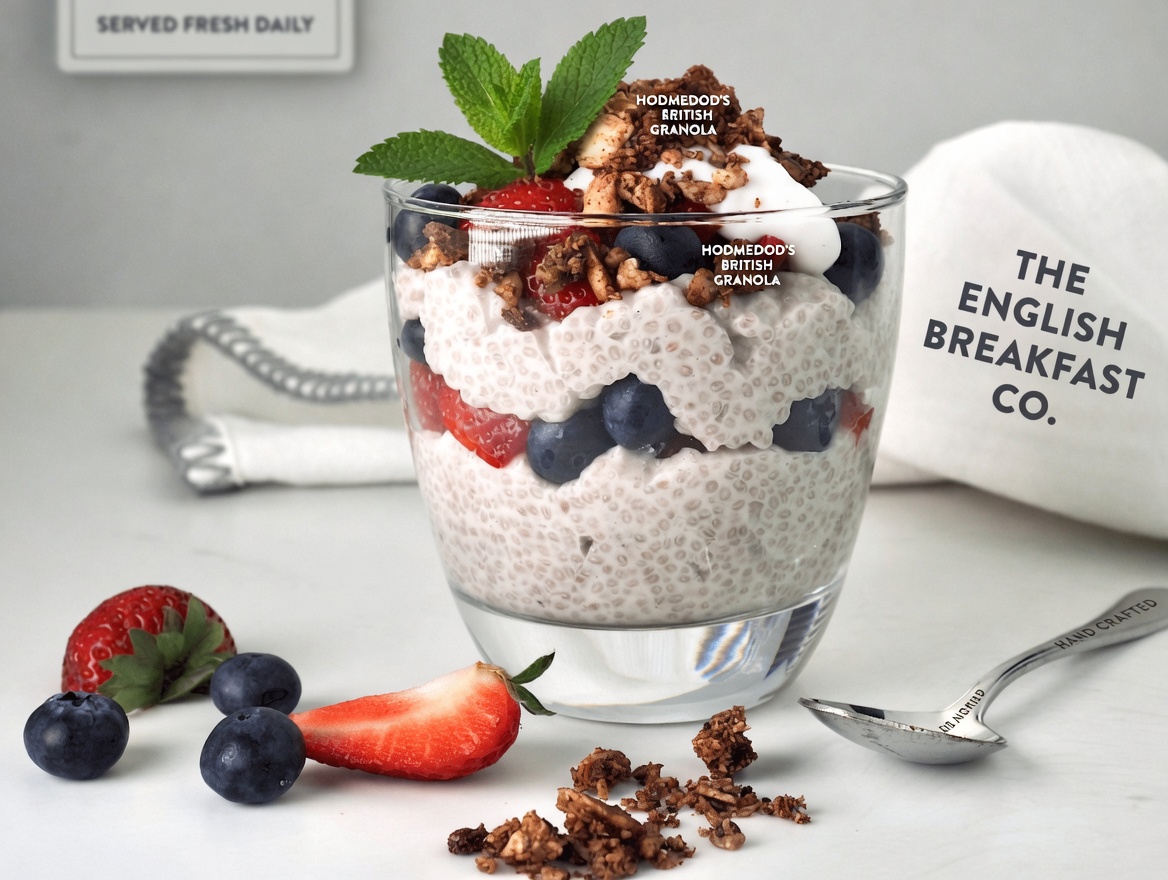
Chia seeds combine omega-3 fats, fiber, and antioxidants in a very small serving size. When soaked, chia forms a gel-like texture that can support hydration and comfortable digestion, a key foundation of overall wellness. Their nutrient profile is also associated with improved gut support and healthy inflammation response.
How to eat them:
- Stir into yogurt for overnight chia pudding
- Mix into water or milk and let it thicken for a quick drink
3. Pumpkin Seeds (Pepitas)
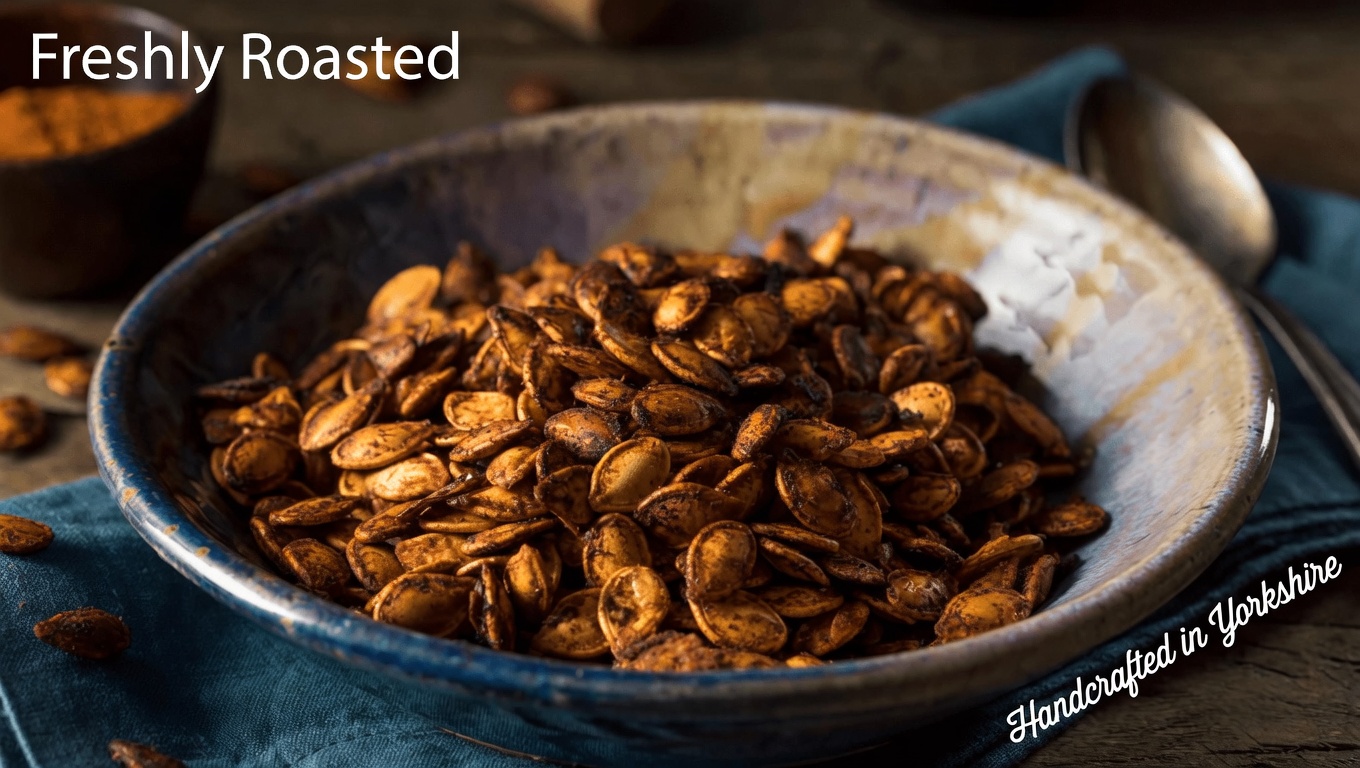
Pumpkin seeds provide important minerals such as zinc and magnesium, plus antioxidants that support immune function and help protect cells from oxidative damage. Their fat and mineral content is also commonly linked with men’s prostate health and sustained energy.
How to eat them:
- Lightly roast and enjoy a small handful as a snack
- Sprinkle over soups, salads, or grain bowls
4. Sesame Seeds
Sesame seeds contain unique lignans, including sesamin, which are widely studied for their antioxidant properties. They also contribute calcium for bone support and heart-friendly fats for everyday nutrition. Research highlights sesame compounds for helping defend cells against free radical damage.
How to eat them:
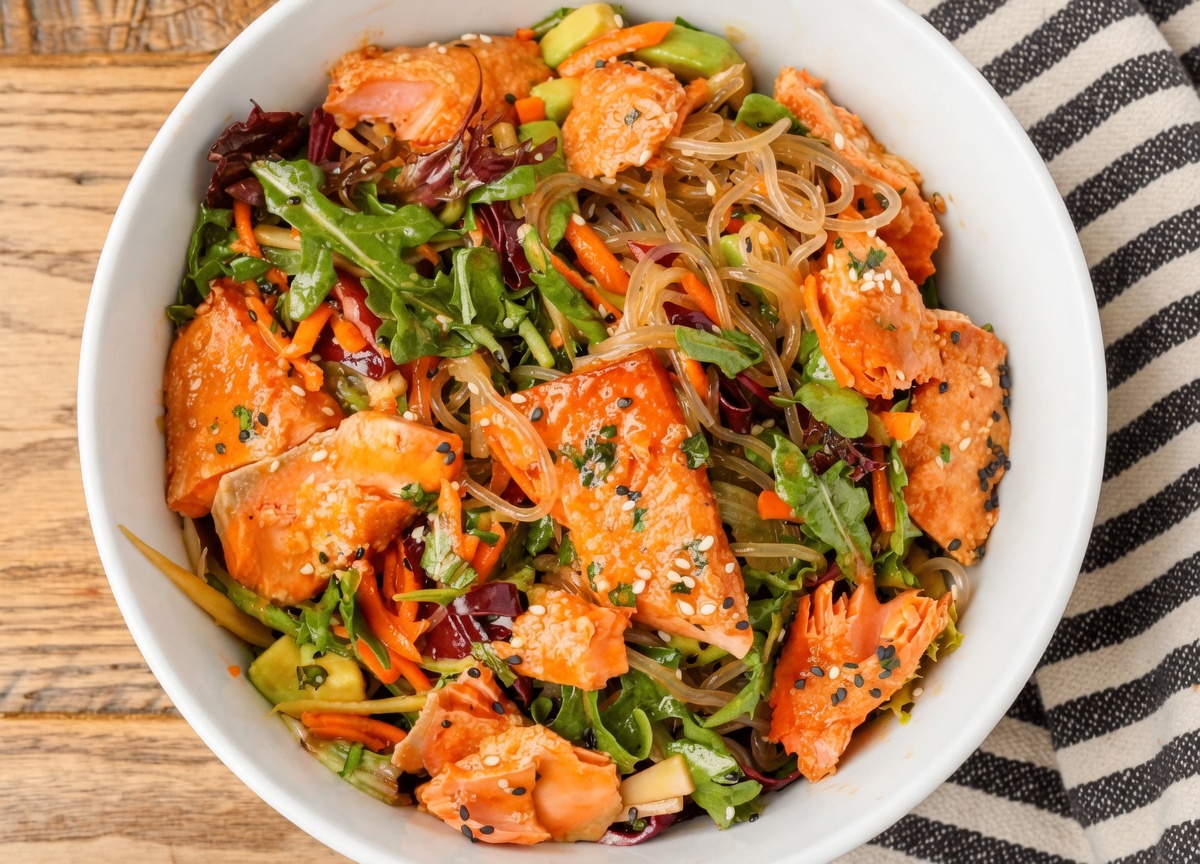
- Sprinkle onto stir-fries, rice bowls, and salads
- Blend into dips (including hummus) or dressings

5. Sunflower Seeds
Sunflower seeds are especially rich in vitamin E, a powerful antioxidant that helps protect cells from damage. They also contain selenium, a nutrient often associated with immune support. Together, these nutrients make sunflower seeds a strong option for maintaining vitality as you age.
How to eat them:
- Add to trail mix
- Sprinkle over yogurt, salads, or oatmeal for crunch
6. Hemp Seeds
Hemp seeds offer complete plant protein (containing all essential amino acids) along with a balanced profile of omega-3 and omega-6 fats, supporting a healthy inflammation balance and immune function. Their mild, nutty taste makes them easy to use daily.
How to eat them:
- Stir into smoothies, oatmeal, or yogurt
- Toss onto salads or roasted vegetables for an easy protein boost
Quick Nutrient Comparison
| Seed | Key Nutrients | Main Support Area | Daily Serving Suggestion |
|---|---|---|---|
| Flaxseeds | Omega-3s, lignans, fiber | Inflammation & hormone balance | 1–2 tbsp (ground) |
| Chia seeds | Omega-3s, fiber, antioxidants | Digestion & hydration | 1–2 tbsp |
| Pumpkin seeds | Zinc, magnesium, antioxidants | Immunity & cell protection | 1 small handful |
| Sesame seeds | Lignans, calcium, healthy fats | Bone support & antioxidants | 1–2 tsp |
| Sunflower seeds | Vitamin E, selenium | Cell protection & immunity | 1 small handful |
| Hemp seeds | Complete protein, omegas | Inflammation balance & protein | 2–3 tbsp |
Simple Ways to Add These Seeds Every Day
Building consistency matters more than being perfect. Start small and rotate varieties:
- Morning boost: add ground flax or hemp to smoothies or oatmeal
- Midday snack: combine pumpkin + sunflower seeds for a quick trail mix
- Lunch upgrade: top salads with sesame seeds and a spoon of chia
- Evening dessert: make chia pudding with yogurt or milk and fruit
Many people report better digestion and steadier energy within a few weeks when fiber-rich foods are added consistently.
Why Small, Consistent Changes Make a Difference
Evidence summarized by organizations such as the National Institutes of Health supports the idea that regularly eating antioxidant-rich, fiber-rich plant foods can contribute to:
- Lower inflammatory burden
- Improved gut function
- Stronger cellular defenses
These outcomes are important for long-term wellness and may help reduce risk factors associated with chronic conditions—while still remaining a simple, enjoyable daily habit.
Frequently Asked Questions
How many seeds should I eat per day?
A practical target is 2–4 tablespoons total per day, spread across different seeds. If you’re new to higher-fiber foods, begin with smaller amounts and increase gradually.
Can these seeds replace medical care or cancer-related guidance?
No. Seeds can support general health, but they do not prevent, treat, or cure any disease. Follow your clinician’s recommendations for any medical concerns.
Any precautions to know?
Seeds are generally safe for most people, but:
- Grind flaxseed for better absorption
- Increase fiber gradually and drink enough fluids
- Consult a healthcare professional if you have digestive conditions, allergies, or take medications that may be affected by dietary changes
Important Disclaimer
This article is for informational purposes only and does not provide medical advice. No food can prevent or cure cancer. Speak with a qualified healthcare professional before making dietary changes—especially if you have a medical condition or concerns about cancer risk factors.
Adding just one new seed this week can be a simple step toward feeling stronger, more supported, and more resilient after 50.