The fear of cancer can be overwhelming—whether it comes from family history, a routine screening reminder, or the uncertainty that often increases with age. That background anxiety can make everyday health decisions feel intense, and the idea of losing control over your body is draining. You’re not alone: millions of people share this concern each year and look for realistic ways to feel more empowered.
The good news is that while no single food can prevent, treat, or cure cancer, a large body of research suggests that a nutrient-dense, plant-forward diet may support your body’s natural defenses and help lower the risk of certain cancers. Below are 16 everyday foods frequently highlighted in scientific studies for their helpful compounds—plus easy ways to include them in real life.
Why Diet Matters for Cancer Risk Reduction
One of the strongest nutrition patterns associated with better long-term health is a plant-forward eating style. Organizations such as the American Institute for Cancer Research (AICR) emphasize that fruits, vegetables, whole grains, and legumes provide:
- Fiber to support digestion and a healthier gut environment
- Vitamins and minerals essential for normal cell function
- Phytochemicals that may help protect cells and reduce inflammation
The most encouraging part: you don’t need rare or expensive ingredients. Many foods linked to lower cancer risk are common, affordable, and easy to add to meals.

1. Berries: Small Fruits with Big Protective Potential
Blueberries, strawberries, raspberries, and blackberries are rich in antioxidants—especially anthocyanins, the compounds behind their deep colors. Research suggests these antioxidants may help neutralize free radicals and support normal, healthy cell activity, which could contribute to a lower cancer risk.
They’re also an easy upgrade: a handful of berries can replace processed sweets while adding nutrients research consistently associates with better health outcomes.
2. Cruciferous Vegetables: Natural Support for Detox Pathways
Broccoli, cauliflower, Brussels sprouts, and cabbage contain sulforaphane and glucosinolates—compounds studied for their potential role in helping the body process and eliminate harmful substances. Both lab research and population studies link higher intake of cruciferous vegetables with markers associated with reduced cancer risk.
For the best balance of taste and benefits, try light steaming or gentle roasting.
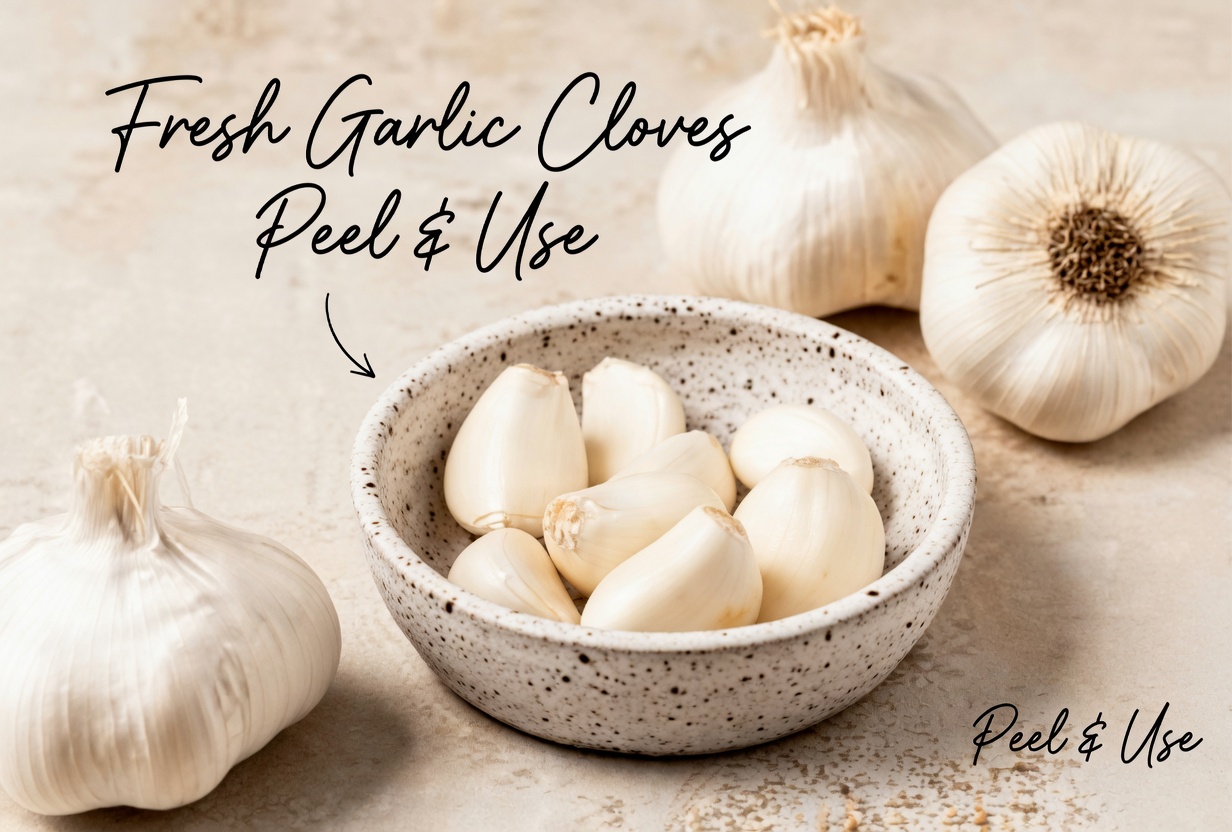
3. Garlic: A Powerful Allium with Strong Research Interest
Garlic contains sulfur-based compounds—especially allicin—that have been researched for potential effects on immune function and mechanisms involved in abnormal cell behavior. Observational studies often associate higher intake of allium vegetables (like garlic and onions) with lower risk of stomach and colorectal cancers.
Tip for maximum benefit: crush or chop garlic and let it rest for about 10 minutes before cooking.
4. Turmeric: The Golden Spice Rich in Curcumin
Turmeric’s best-known compound, curcumin, is widely studied for its anti-inflammatory and antioxidant properties. Research (including human and laboratory studies) suggests it may influence biological pathways involved in cell growth and inflammation.
Because curcumin absorbs poorly on its own, pairing turmeric with black pepper can significantly improve absorption. Add it to soups, rice, roasted vegetables, or warm “golden milk.”
5. Green Tea: A Comforting Drink Packed with Catechins
Green tea contains catechins, particularly EGCG (epigallocatechin gallate). Studies suggest EGCG may help support DNA protection and reduce inflammation. Large population studies—especially in parts of Asia—have linked regular green tea consumption with lower rates of several cancers.
A simple habit shift: replace one daily sugary drink (or even one coffee) with green tea.

6. Tomatoes: Lycopene for Cellular Support
Tomatoes provide lycopene, a carotenoid that becomes more available when tomatoes are cooked. Higher lycopene intake has been linked in research to lower prostate cancer risk, with possible broader cellular benefits.
For better absorption, cook tomatoes with a healthy fat such as olive oil—think pasta sauce, soups, or roasted tomatoes.
7. Leafy Greens: Concentrated Nutrients in Every Bite
Spinach, kale, Swiss chard, arugula, and other leafy greens deliver folate, fiber, and carotenoids. These nutrients play roles in normal cell processes, including support for DNA maintenance and repair. Studies associate higher leafy green intake with lower risk markers for certain cancers, including cancers of the mouth, stomach, and lungs.
Easy options include a daily salad, adding greens to smoothies, or a quick sautéed side dish.
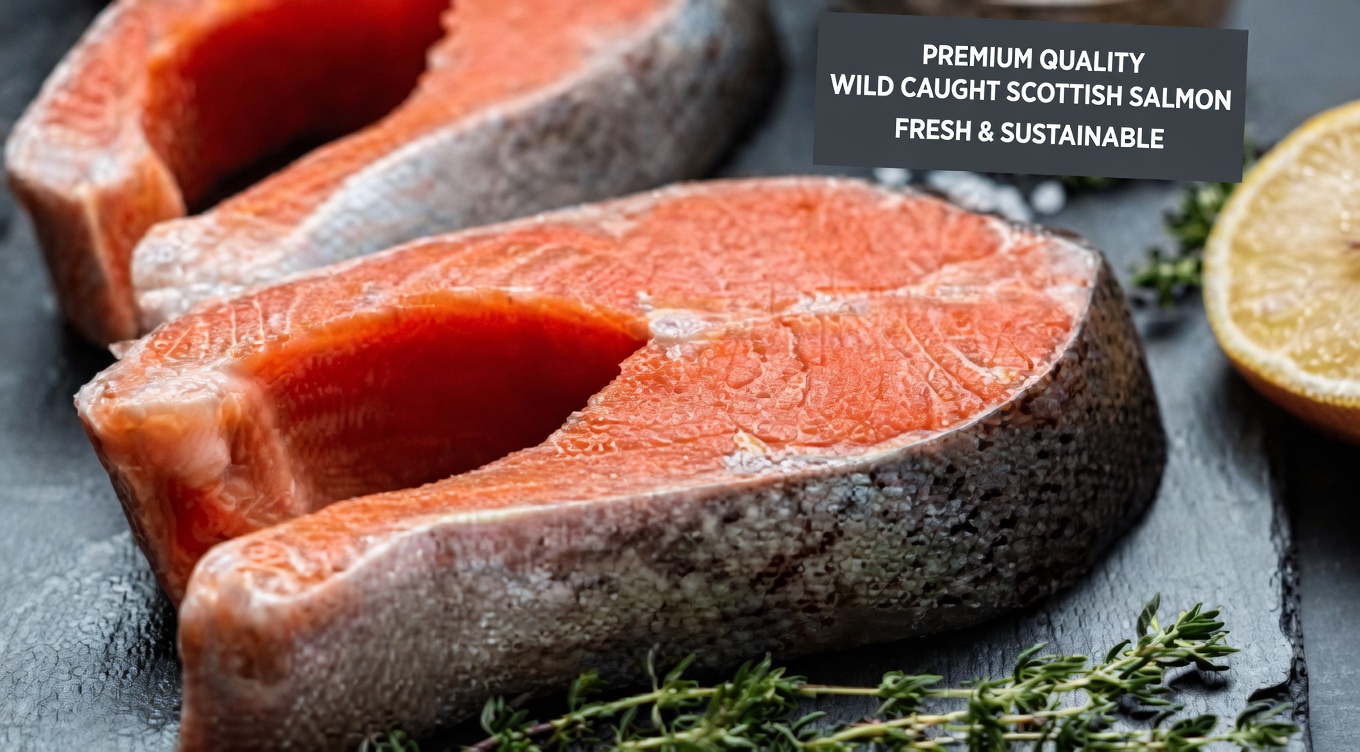
8. Fatty Fish: Omega-3s for Inflammation Balance
Salmon, sardines, and mackerel are excellent sources of omega-3 fatty acids, which are widely researched for supporting a healthier inflammatory response. Because chronic inflammation is associated with many diseases (including cancer), omega-3 intake has drawn strong scientific interest. Several studies connect higher fish consumption with lower risk of colorectal cancer.
A practical guideline: aim for two servings per week, choosing low-mercury options when possible.
Quick Overview: 16 Foods and Their Key Compounds
- Berries — anthocyanins, vitamin C — antioxidant support
- Cruciferous vegetables — sulforaphane, glucosinolates — detox pathway support
- Garlic — allicin, sulfur compounds — immune and cell regulation support
- Turmeric — curcumin — anti-inflammatory and antioxidant properties
- Green tea — EGCG — DNA protection and inflammation support
- Tomatoes — lycopene — prostate and cellular health support
- Leafy greens — folate, carotenoids — DNA support
- Fatty fish — omega-3s — inflammation balance
- Legumes — fiber, saponins — gut and metabolic support
- Whole grains — fiber, phenolic acids — colon health support
- Citrus fruits — vitamin C, flavonoids — antioxidant and immune support
- Carrots — beta-carotene — cellular protection support
- Ginger — gingerol — anti-inflammatory properties
- Flaxseeds — lignans, omega-3s — hormone-related pathway support
- Walnuts — omega-3s, polyphenols — antioxidant and anti-inflammatory support
- Grapes — resveratrol — cardiovascular and cellular health support
9–16. More Everyday Foods Linked to Lower Cancer Risk
Beyond the first eight, these familiar foods add even more protective nutrients and plant compounds:
- Legumes (beans, lentils): high in fiber and plant protein, supporting gut health
- Whole grains: their bran and germ contain protective nutrients linked to colon health
- Citrus fruits: provide flavonoids and vitamin C with antioxidant roles
- Carrots: deliver beta-carotene, studied for cellular protective effects
- Ginger: contains gingerol, linked to anti-inflammatory activity
- Flaxseeds: provide lignans and omega-3s, often studied in hormone-related pathways
- Walnuts: offer healthy fats and polyphenols that support antioxidant defenses
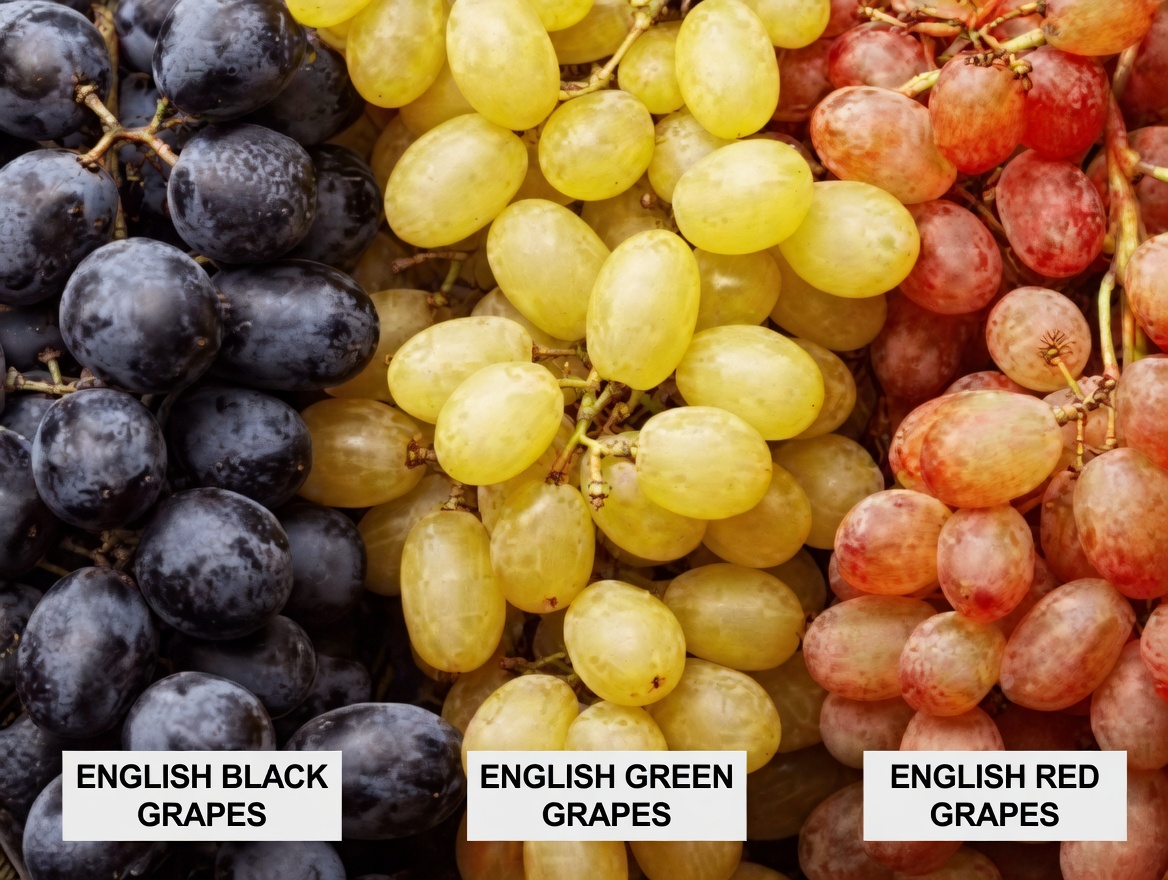
- Grapes: contain resveratrol, researched for cellular and cardiovascular support
These foods may work best together, creating a dietary pattern that supports overall wellness rather than relying on one “superfood.”
Simple, Practical Ways to Eat These Foods Every Day
Start small and build consistency:
-
Breakfast
- Add berries to oatmeal or yogurt
- Drink green tea alongside your meal
-
Lunch
- Make a leafy green salad with tomatoes, beans, and a citrus-based dressing
-
Dinner
- Choose baked salmon (or another fatty fish)
- Add broccoli or other cruciferous vegetables
- Include whole grains as a side (brown rice, oats, quinoa, whole wheat)
-
Snacks
- Carrot sticks
- A small handful of walnuts
- Ginger tea
A helpful rule: aim for variety and color—different plant pigments often reflect different beneficial compounds.
Building a More Protective Plate, One Choice at a Time
No diet can guarantee protection from cancer. However, consistently filling your plate with these 16 research-supported foods can give your body more of the tools associated with lower cancer risk and better long-term health. Small, steady changes matter—start by adding just one or two foods this week and build from there.
Frequently Asked Questions
Can these foods prevent cancer on their own?
No. No single food prevents cancer. These foods may help lower risk when combined with an overall healthy lifestyle, including regular activity, not smoking, maintaining a healthy weight, and limiting alcohol.
How much should I eat each day?
Many major health organizations recommend at least five servings of fruits and vegetables daily, plus regular whole grains, legumes, and (if you eat seafood) fish.
What if I currently have cancer or have a history of cancer?
Follow your clinician’s plan. These foods may support general health, but they should not replace medical treatment. Always consult your healthcare provider for personalized guidance.
Medical Disclaimer
This article is for informational purposes only and does not constitute medical advice. No food can prevent, treat, or cure cancer. Consult your healthcare provider before making dietary changes, especially if you have a medical condition or are undergoing treatment.