
Cayenne Pepper and Capsaicin: What Science Really Says
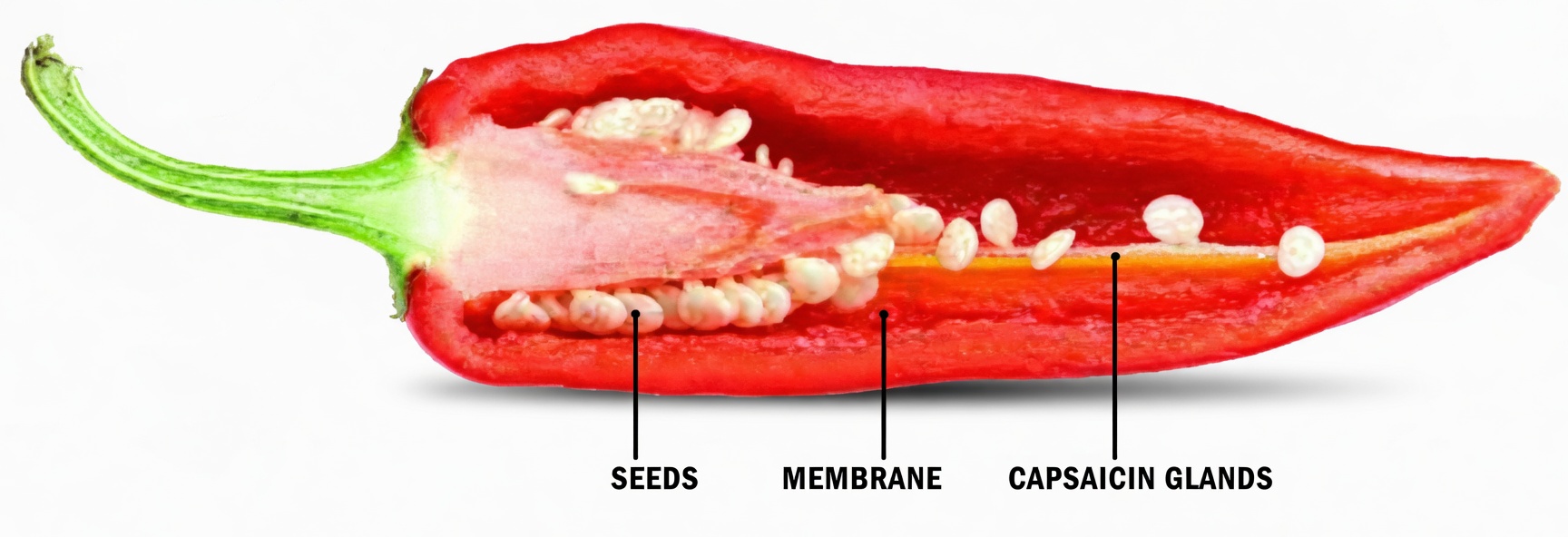
Cayenne pepper is a hot spice made from Capsicum plants. Its signature burn comes from capsaicin, the natural compound responsible for both the heat and many of the health effects studied in research. Online, cayenne is often linked to bold promises—such as “stopping a heart attack” or “killing cancer.” In reality, the science is more complex, and the strongest evidence supports only certain uses.
Can Cayenne Pepper Help Fight Cancer? Promising in the Lab, Not Proven in People
In laboratory research, capsaicin has shown the ability to trigger apoptosis (programmed cell death) in several cancer cell lines, including prostate and pancreatic cancer. Preclinical reviews also describe anti-growth activity across multiple cancer types, sometimes while sparing healthy cells.
However, most of these findings come from test-tube experiments and animal studies, not large, high-quality human clinical trials. At this time, there is no strong clinical proof that capsaicin treats cancer or prevents it in humans. Some research even suggests potential concerns at specific doses or under certain conditions. The takeaway: it’s an interesting research area, but not an evidence-based cancer therapy.
Heart Health: Lower Long-Term Risk Is Possible, But It Won’t “Stop” a Heart Attack
Several observational studies associate regular chili pepper intake with lower cardiovascular mortality, with some large analyses reporting up to about a 26% reduction in risk. Animal studies also suggest capsaicin may activate biological pathways linked to heart protection.
That said, the popular claim that cayenne pepper tea can stop an ongoing heart attack largely traces back to anecdotal reports from herbalist Dr. John Christopher. Modern medical experts do not accept this as proven, and the bigger danger is that it may cause people to delay emergency treatment.
If a heart attack is suspected, call emergency services immediately. Cayenne is not a rescue remedy.

Weight Management: Small, Inconsistent Benefits
Some clinical trials suggest capsaicin (or capsaicin-containing supplements) may:
- slightly increase calorie burning (thermogenesis)
- reduce appetite in some people
- lead to small changes in weight or waist size
But the effects tend to be modest, and results vary depending on dose, formulation, and individual response. Cayenne is not a substitute for movement, nutrition, sleep, and long-term lifestyle habits.

Pain Relief: The Best-Supported Use (Topical Capsaicin)
Among all claims, topical capsaicin has the strongest evidence. Capsaicin creams and high-concentration patches are widely used to ease:
- chronic neuropathic pain (such as pain after shingles or from diabetes)
- musculoskeletal pain, including arthritis-related discomfort
The mechanism involves desensitizing pain-sensing nerves over time. A burning or warming sensation is common early on, but many people experience meaningful longer-term relief.

Gut Health: Benefits at Low Doses, Irritation at Higher Intakes
Capsaicin may support the digestive system in certain ways, including stimulating protective stomach mucus at lower amounts and potentially influencing the gut microbiome. On the other hand, higher intakes can irritate the digestive lining for some individuals and may aggravate symptoms in people prone to reflux, ulcers, or gastrointestinal sensitivity.
For most people, spicy foods are fine in moderation—but discomfort is a signal to scale back.
Safety and Side Effects
In typical culinary amounts, cayenne pepper is generally safe. Issues are more likely with supplements or large doses, which may cause:
- heartburn or stomach upset
- sweating or flushing
- digestive discomfort
Topical capsaicin can cause temporary burning or redness, especially during the first uses.
A practical approach is to start with small amounts and increase slowly if tolerated.
Bottom Line
Capsaicin offers real, evidence-backed benefits—especially for topical pain relief, and possibly for heart health when chili peppers are eaten regularly as part of a balanced diet. But sensational claims—like curing cancer or stopping heart attacks—are not supported by solid human evidence. Enjoy cayenne for its flavor and potential wellness perks, but rely on proven medical care for serious conditions.
Educational information only; not medical advice. Speak with a qualified healthcare professional before making changes—especially if you have medical conditions or take medications.