5 Common Pills That May Raise Heart Attack and Stroke Risk in Older Adults
It is easy to reach for a familiar medication to calm joint pain, open a blocked nose, or get through the day with less discomfort. For many older adults, that habit feels harmless. But some widely used medicines can place extra stress on the heart and blood vessels, especially when taken often.
Many seniors are unaware that certain everyday pills may increase the risk of heart attack and stroke in older adults by raising blood pressure, causing fluid retention, or affecting heart rhythm. That is what makes this issue so concerning: the danger may build quietly over time.
If you or someone you love regularly uses pain relievers, cold medicines, diabetes drugs, stimulants, or certain cancer treatments, it is important to know what to watch for and when to speak with a doctor.

Why These Medications Can Be Risky for Seniors
As we age, the cardiovascular system becomes more sensitive to changes in blood pressure, fluid balance, and heart workload. A medication that seems routine can have a stronger effect in an older body than expected.
These 5 pills that may raise heart attack and stroke risk in the elderly are especially important to review if you are over 65, have high blood pressure, heart disease, diabetes, or a history of stroke.
5. NSAIDs Such as Ibuprofen and Naproxen
Nonsteroidal anti-inflammatory drugs, or NSAIDs, are commonly used for arthritis, back pain, headaches, and other everyday aches. While they can be effective for pain relief, regular use may come with cardiovascular concerns.
These medicines can:
- Increase blood pressure
- Cause the body to retain fluid
- Add strain to the heart over time
For older adults who depend on them frequently, a simple pain-management routine can slowly become a larger heart health issue. That is why long-term use of ibuprofen or naproxen should be reviewed carefully with a healthcare provider.

4. Decongestants Like Pseudoephedrine
Cold and allergy medicines often contain pseudoephedrine or similar decongestants. These drugs work by narrowing blood vessels to reduce swelling in the nasal passages, helping you breathe more easily.
The problem is that this same action can also:
- Raise blood pressure
- Increase heart rate
- Put extra pressure on the cardiovascular system
For older adults, especially those with hypertension or heart disease, these medications may create more risk than many realize. What seems like relief for seasonal congestion can turn into a hidden source of cardiac stress.
3. Older Diabetes Drugs Such as Rosiglitazone
Some older diabetes medications, including rosiglitazone, have been linked to cardiovascular concerns in certain patients. These drugs may contribute to:
- Fluid retention
- Reduced heart efficiency
- Greater strain on people already managing blood sugar issues
Balancing diabetes care is already challenging. When a medication also places extra pressure on the heart, it can make treatment decisions more complicated. If you are taking an older diabetes drug and have not had a recent cardiovascular review, it may be time to ask for one.
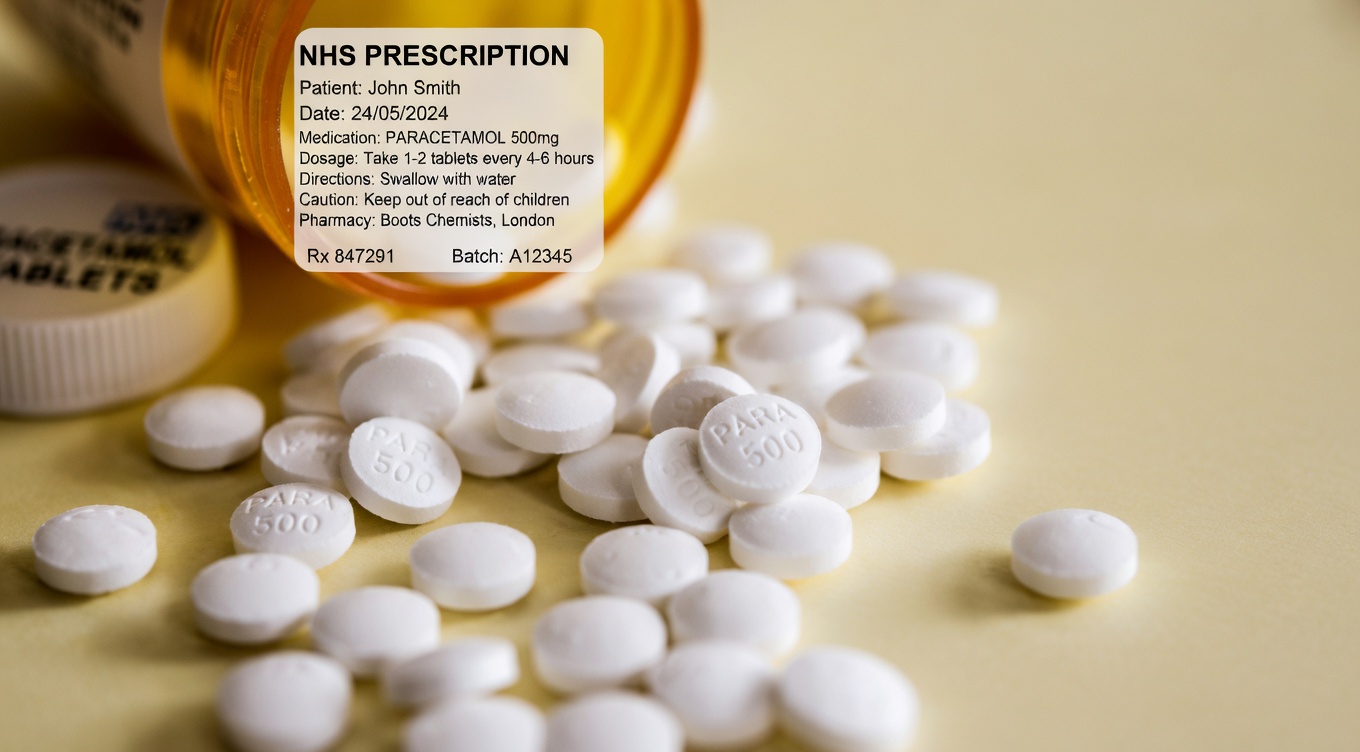
2. Stimulants Such as Amphetamines
Stimulant medications are sometimes prescribed for ADHD, low energy, or focus problems. Even at modest doses, they can affect the heart in ways that matter more in later life.
Possible effects include:
- Faster heart rate
- Higher blood pressure
- Increased risk of irregular heart rhythms
For older adults, these changes can be significant. A medication intended to improve alertness or daily function may also trigger unwanted cardiovascular effects, particularly if underlying heart issues are already present.
1. Certain Chemotherapy Drugs Like Doxorubicin
Among the medications on this list, this is one that many people underestimate. Some chemotherapy treatments, including doxorubicin, can weaken the heart muscle over time.
This may lead to:
- Reduced heart function
- Higher long-term risk of heart failure
- Greater vulnerability to serious cardiovascular problems
Cancer treatment is already physically and emotionally overwhelming. For survivors and families, it is important to understand that some therapies may require long-term heart monitoring even after treatment ends. This is one of the most overlooked medication-related heart risks in older adults.
Two Real-Life Examples
Robert, 68, Florida
Robert noticed that his blood pressure was climbing while he was taking NSAIDs every day for pain. After discussing the issue with his doctor, he changed to safer options and avoided any major heart-related event.
Margaret, 72, Ohio
Margaret continued using decongestants throughout allergy season without realizing the possible cardiovascular impact. After chest pain sent her to the hospital, she switched to a safer treatment plan. Earlier action might have prevented the scare.
A 60-Second Risk Check
Ask yourself whether any of these have applied to you in the past three months:
- Regular use of ibuprofen or naproxen
- Frequent use of decongestants for colds or allergies
- An older diabetes medication without a recent heart review
- Stimulant medicine for focus, fatigue, or energy
- Chemotherapy or other treatments known to affect the heart
If you answered yes to one, call your doctor this week.
If you answered yes to two or more, contact your doctor tomorrow.
These quick questions can help identify whether one of these 5 common pills may be increasing heart attack and stroke risk in the elderly before a bigger problem develops.
Medication Review Cheat Sheet for Seniors
| Situation | What to Do | Why It Matters |
|---|---|---|
| You take any of the medications listed above | Review them with your doctor this month | Helps prevent hidden strain on the heart |
| You are over 65 and have a history of heart problems | Ask about safer alternatives or monitoring | Can reduce overall cardiovascular risk |
| You use medication daily for pain or congestion | Consider non-pill options first | Lowers long-term exposure |
| You notice chest discomfort or other new symptoms | Stop and seek medical care immediately | Early action may prevent serious complications |
What to Do Next
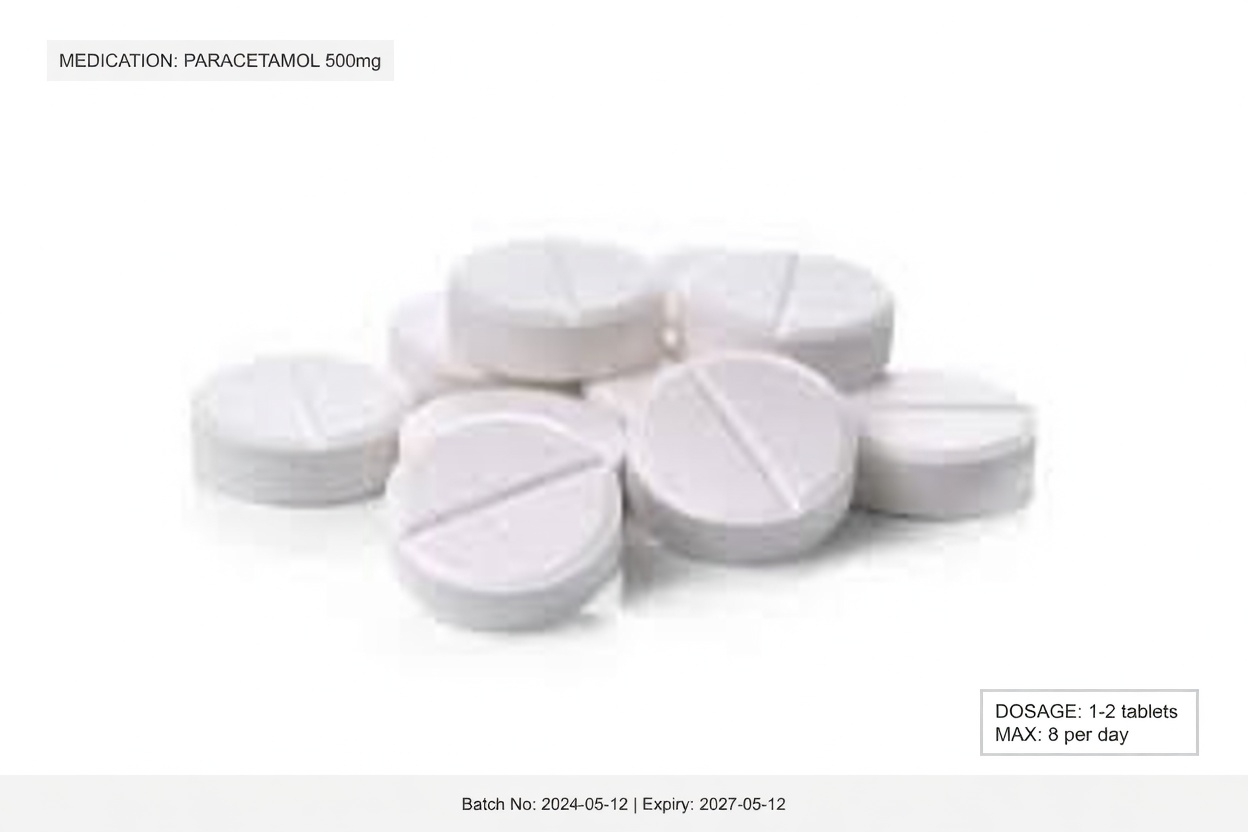
If you take any of these medications, start with a simple step: make a full list of every pill you use and note how often you take each one over the course of a week.
Then:
- Schedule an appointment with your doctor or cardiologist
- Bring your medication list with you
- Ask whether any of your medicines may affect heart attack or stroke risk
- Discuss safer substitutes when appropriate
- Ask whether monitoring tests are needed
Possible alternatives may include:
- Acetaminophen instead of certain NSAIDs for pain, if appropriate
- Saline nasal spray instead of decongestants for congestion
- Closer follow-up for diabetes, stimulant, or cancer-related medications
Taking action turns fear into a plan and gives you more control over your long-term heart health.
Frequently Asked Questions
1. Do these medications only become dangerous with long-term use?
Not always. Occasional use may be reasonable in some situations, but the risk generally rises with regular or repeated use. A brief conversation with your doctor can help determine what is safest for you.
2. Are younger adults less at risk?
Age increases vulnerability because blood vessels and heart function naturally change over time. That is why these medications deserve extra attention after age 65. Even so, awareness is useful at any age.
3. What if I depend on one of these medicines every day?
Do not stop suddenly without medical advice. Instead, speak with your healthcare provider about safer alternatives, dose adjustments, or monitoring strategies that can help protect your heart while still addressing your symptoms.
The Bottom Line
These 5 pills that may raise the risk of heart attack and stroke in older adults often seem routine, but their effects can build quietly. If you are a senior—or caring for one—this is the time to review every medication, pay attention to symptoms, and speak openly with a doctor.
Even one conversation can help protect your health, preserve your independence, and reduce the chance of a serious cardiovascular event.
If a doctor brushes off your concern as “just aging,” it may be wise to seek a second opinion. When it comes to heart health, trusting your instincts matters.
Important Note
This article is for educational purposes only and does not replace professional medical advice. If you take any of these medications or develop new symptoms, contact your healthcare provider promptly for guidance tailored to your situation.