Common Medications and Supplements That May Affect Heart Health in Older Adults
As people age, everyday concerns like joint pain, mild sleep troubles, or the goal of staying mobile often lead to the use of familiar over-the-counter medicines and dietary supplements. Because these products are easy to access, many seniors take them without thinking twice. However, what seems harmless can sometimes place added stress on the heart and blood vessels, especially when combined with prescription medications.
Research from respected groups, including the American Heart Association, shows that some commonly used remedies may contribute to fluid retention, elevated blood pressure, or other cardiovascular issues in older adults. The encouraging part is that a little awareness and a few simple habits can go a long way in protecting heart health while still helping manage daily discomfort.
Understanding these hidden risks is more important than ever. And later in this article, you’ll learn one simple question to ask your doctor that often reveals medication interactions people never knew they had.
Why NSAIDs Can Be Risky for Seniors
Nonsteroidal anti-inflammatory drugs, or NSAIDs, are widely used for headaches, arthritis pain, and muscle aches. Popular examples include ibuprofen and naproxen. Many older adults rely on them because they work fast and are available without a prescription.
The problem is that frequent use, high doses, or long-term use can cause the body to retain extra fluid. That can raise blood pressure and force the heart to work harder. For people already dealing with hypertension or other heart-related conditions, studies have linked this pattern to a greater risk of hospitalization for heart failure symptoms.
The American Heart Association advises using the lowest effective dose for the shortest possible time. In some cases, alternatives such as acetaminophen may be a better choice, depending on the individual.
Older adults face greater risk because kidney function often declines naturally with age. As a result, the body may have a harder time managing the effects of NSAIDs on blood pressure and fluid balance.
NSAIDs Worth Discussing With Your Doctor
- Ibuprofen (Advil, Motrin)
- Naproxen (Aleve)
- High-dose aspirin when taken for pain rather than for heart protection
If you have a history of high blood pressure, heart disease, or swelling, even occasional use should be reviewed with a healthcare professional.
ED Medications and the Need for Extra Caution
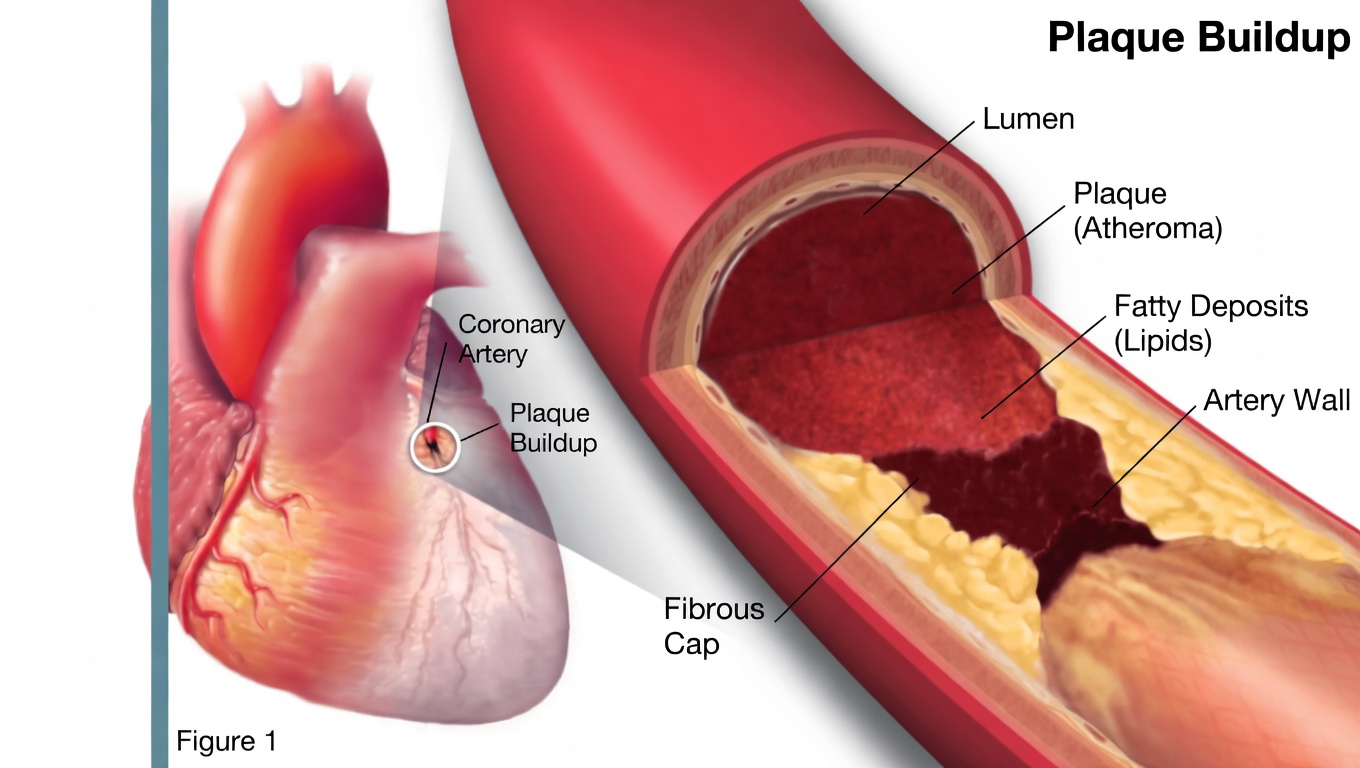
Many men over 60 notice changes in sexual function and may consider medications such as sildenafil (Viagra), tadalafil (Cialis), or other PDE5 inhibitors. These drugs can improve quality of life, but they also carry important safety concerns when certain heart medications are involved.
The most serious interaction is with nitrates, including drugs like nitroglycerin used for chest pain or angina. Both nitrates and ED medications widen blood vessels. When taken together, they can cause a sudden and dangerous drop in blood pressure. This is a well-established risk and is considered a strict contraindication in major cardiology guidelines.
Even if nitrates are not involved, caution is still important for older adults with uncontrolled high blood pressure or those taking alpha-blockers for prostate issues or blood pressure management.
Always bring a full list of everything you take to your medical appointment, including any new prescriptions or occasional medicines.
Quick Comparison of Common Medication Risks
| Medication Type | Potential Concern in Seniors | Key Action to Take |
|---|---|---|
| NSAIDs (ibuprofen, naproxen) | Fluid retention and higher blood pressure | Use the lowest dose for the shortest time and ask about safer alternatives |
| PDE5 inhibitors (ED medications) | Dangerous blood pressure drop when combined with nitrates | Never combine them; follow the proper waiting period if instructed |
| Unregulated supplements | Possible effects on the liver, kidneys, or heart rhythm | Choose trusted brands and tell your doctor about every product you use |
The Supplement Problem Many Seniors Overlook
Pharmacies and online stores are filled with vitamins, herbal products, and “heart support” blends that promise more energy, less pain, or better overall wellness. For many older adults, these products seem especially appealing because they are often marketed as natural solutions.
But natural does not always mean harmless.
Unlike prescription medications, many supplements are not regulated as strictly. Some may affect liver or kidney function, which is especially important in older age. Others can alter heart rhythm or interact with blood thinners and blood pressure medicines in ways that are easy to miss.
Guidance such as the American Geriatrics Society’s Beers Criteria encourages caution with certain herbal products and high-dose supplements in older adults. Some studies have raised concerns about products like red yeast rice, large amounts of green tea extract, and certain herbal formulas because of possible liver effects or other complications.
That does not mean every supplement is unsafe. The real issue is choosing quality products and being transparent with your healthcare team.
Before Starting Any Supplement, Take These Steps
- Bring the actual bottle or label to your next doctor’s visit.
- Ask directly: “Could this interact with my medications or affect my heart or kidneys?”
- Look for third-party testing seals such as USP, NSF, or ConsumerLab when available.
- Try a food-first approach when possible, such as adding leafy greens, nuts, or fatty fish before turning to pills.
Daily Habits That Help Protect Your Heart
The good news is that reducing these risks does not require complicated changes. A few steady habits can make a meaningful difference.
Start by keeping a complete list of everything you take. This should include:
- Prescription medications
- Over-the-counter products
- Vitamins
- Herbal supplements
- Occasional remedies such as sleep aids or antacids
Update the list anytime something changes, and take it with you to every appointment.
Checking your blood pressure at home with a validated monitor is also a smart step. Some seniors notice small increases after starting a new pain reliever, giving them the chance to speak with their doctor before the issue becomes more serious.
Regular check-ups should include a medication review. Ask your doctor or pharmacist to go over every item with you. A “brown bag review,” where you bring in all your medicine bottles, often uncovers duplicate products or hidden interactions.
But there is one question that can completely shift the conversation.
Ask your doctor: “Based on everything I’m taking, including supplements, is there anything we should adjust or stop?”
That one open-ended question often leads to more personalized guidance and helps uncover issues that might otherwise go unnoticed.
Other simple ways to support heart health include:
- Staying well hydrated
- Moving gently each day
- Prioritizing sleep
- Managing stress
These basic lifestyle habits support cardiovascular health and may reduce the need for extra pain relief.
Your Everyday Plan for Safer Medication Use
To stay comfortable while protecting your heart, keep these practical steps in mind:
- Review your medications every month with a trusted family member or caregiver.
- Never restart an old prescription or try someone else’s remedy without medical advice.
- Pay attention to how you feel after starting anything new, especially changes in swelling, breathing, or energy.
- Choose heart-friendlier pain relief options first when possible, and save stronger choices for short-term use.
These habits can help older adults remain active and independent while lowering avoidable cardiovascular risks.
One of the most effective forms of protection is often the simplest: an honest conversation with your healthcare provider. When you put every medicine, supplement, and concern on the table, that discussion can lead to safer doses, better alternatives, and a plan tailored to your life.
FAQ
1. Can I take ibuprofen if I have high blood pressure?
In some cases, occasional low-dose use may be acceptable, but it is best to speak with your doctor first. They can assess your personal risk and recommend safer short-term options if needed.
2. How long should I wait after taking a nitrate before using an ED medication?
General guidance often recommends waiting at least 24 hours after a short-acting nitrate and up to 48 hours after a longer-acting nitrate. However, your cardiologist should give advice based on your exact medication plan and health status.
3. Are all vitamins and supplements dangerous for seniors?
No, not all supplements are harmful. However, some can interact with medications or affect the heart, liver, or kidneys. The safest approach is to choose reputable products and review every supplement with your doctor before starting it.