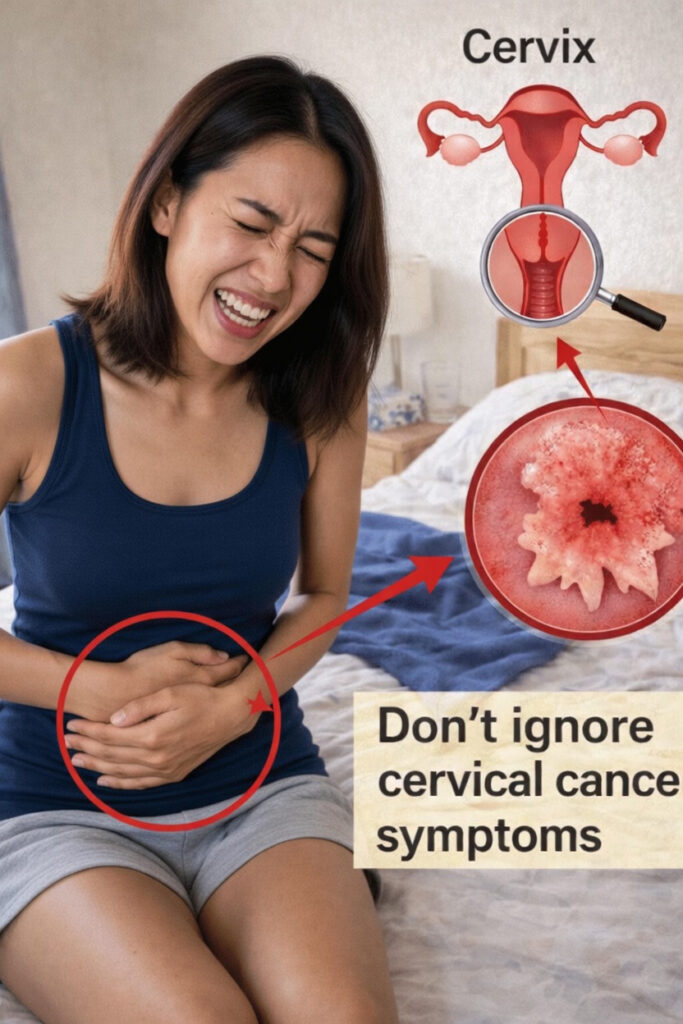
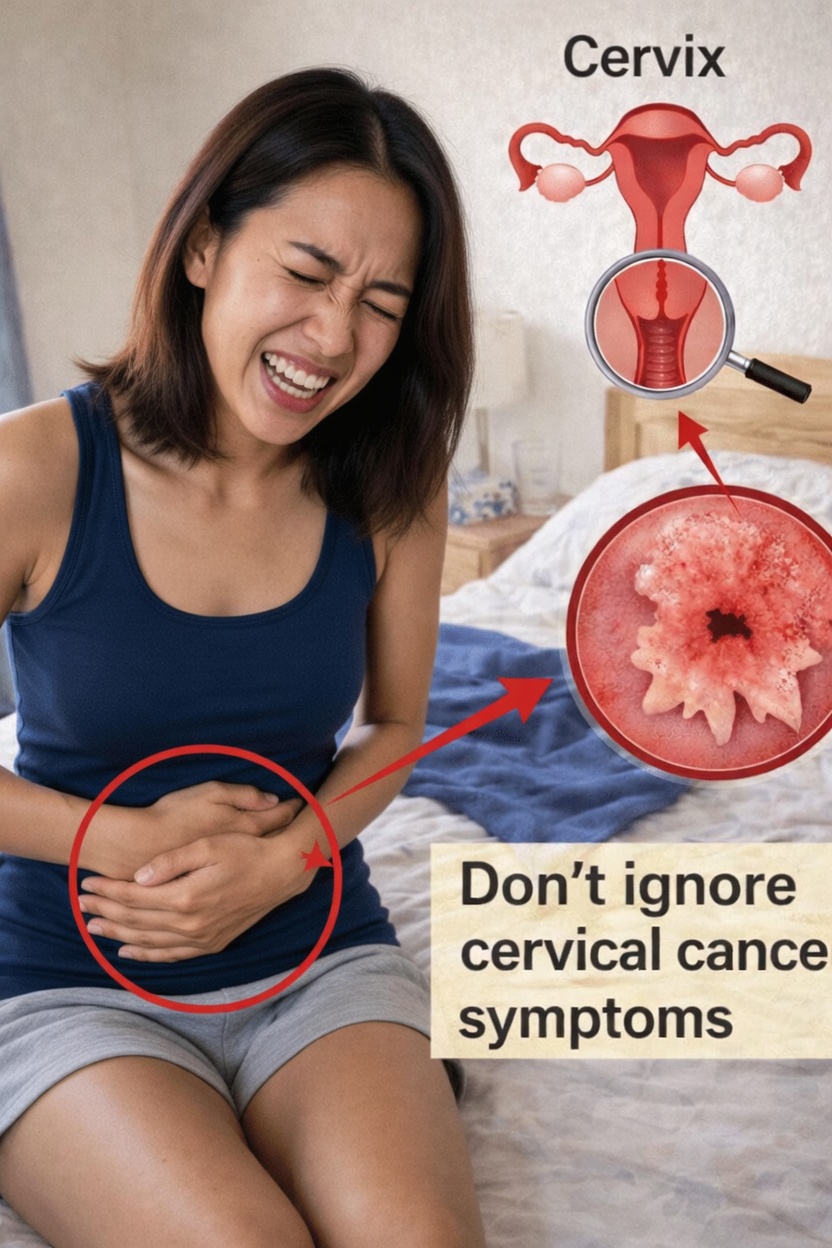
Pay Attention to Possible Cervical Cancer Symptoms
Many women dismiss light spotting, unusual discharge, or pelvic aches as normal period changes or the result of stress. However, when these symptoms continue or feel different from your usual pattern, they may be worth discussing with a healthcare professional. It can feel difficult to monitor your body closely, especially when daily life is busy and the symptoms seem small. Still, learning what to notice and taking a few simple actions can offer reassurance and help protect your long-term health.
Why Awareness Is So Important
Cervical cancer develops in the cervix, the lower part of the uterus that opens into the vagina. In its early stages, it often causes no clear symptoms, which is why routine screening is essential. As the condition advances, certain warning signs may begin to appear. Health organizations such as the American Cancer Society and Mayo Clinic emphasize that recognizing these changes early can help you seek medical advice sooner.
At the same time, it is important to remember that many of these symptoms are also linked to common conditions such as infections or hormone-related changes. Awareness should help you feel informed, not frightened.
Common Cervical Cancer Symptoms Women May Notice
Experts point to several symptoms that should not be ignored if they continue. These include:
- Unusual vaginal bleeding, including spotting after sex, between periods, or after menopause
- Changes in your menstrual cycle, such as heavier bleeding, longer periods, or irregular timing
- Abnormal vaginal discharge that looks watery, pink, or brown, or has a strong unpleasant smell
- Pain during or after intercourse
- Ongoing pelvic pain or lower back discomfort that does not seem related to your period

These are some of the most frequently reported signs mentioned in trusted medical sources. If you recognize any of them, the best next step is to schedule an appointment with your healthcare provider. There is no need to panic.
In many cases, these symptoms are caused by treatable conditions that are not cancer. Even so, getting evaluated can quickly provide answers and peace of mind.
Less Common Symptoms That May Appear Later
When cervical cancer is more advanced, some women report additional symptoms, such as:
- Persistent abdominal or lower back pain lasting for weeks
- Unexplained tiredness, weight loss, or reduced appetite
- Painful urination or needing to urinate more often
- Pain or swelling in one leg
These signs can also be related to many other health problems, which is exactly why professional medical guidance matters.
Keeping track of how long symptoms last and how often they happen can give your doctor a much clearer picture during your visit.
Why Regular Screening Still Matters
Cervical cancer rates have fallen dramatically because of widespread use of the Pap test and HPV testing. The U.S. Preventive Services Task Force recommends that screening begin at age 21 and continue until age 65, with timing based on age and personal medical history. For many women between ages 30 and 65, HPV testing every five years or co-testing may be recommended.
Symptoms and screening work best together. Screening can detect changes before symptoms even begin, while symptom awareness helps you act quickly if something changes between appointments.
5 Simple Steps You Can Take Right Now
You do not need to make major changes to become more proactive about your health. Start with these practical habits:
-
Track symptoms briefly
Use a notes app or calendar to record unusual bleeding, discharge, or pain for a few weeks. -
Schedule your next check-up
Even if you feel well, bring up any unusual symptoms during your yearly exam. -
Ask about the HPV vaccine
If you are under 45 and have not been vaccinated, your doctor can tell you whether it may still be helpful. -
Follow protective daily habits
Using condoms consistently and avoiding smoking may support reproductive health, according to research. -
Discuss family medical history
Tell your provider if close relatives have had cervical cancer or related conditions so screening can be tailored to you.

These small steps are easy to fit into a full schedule and can help you feel more informed and in control.
What to Expect When You See a Doctor
If you bring up these symptoms, your provider will usually begin with a pelvic exam. They may also suggest a Pap smear, an HPV test, or other follow-up testing depending on what they find. The purpose is to identify the cause as soon as possible and determine the right next steps. In many cases, women leave the appointment reassured that the issue is manageable.
Final Thoughts: Small Actions Can Bring Big Reassurance
Paying attention to your body does not have to feel alarming. Recognizing possible cervical cancer symptoms early, along with staying consistent with routine screenings, gives you a strong foundation for long-term wellness. Most symptoms turn out to have non-serious causes, but knowing when to get checked can make a real difference.
Stay informed, keep your regular appointments, and speak up whenever something feels off. Your future health may benefit from the action you take today.
FAQ
Are there usually no early symptoms of cervical cancer?
In many cases, early cervical cancer causes no obvious symptoms. That is why regular Pap tests and HPV screening are so important. When symptoms do appear, they often involve unusual bleeding or changes in vaginal discharge.
How often should women over 30 be screened?
Many women in this age group are advised to have an HPV test every five years or a Pap test every three years. However, your doctor may recommend a different schedule based on your personal medical history.
Can lifestyle habits lower risk?
Yes. Research supports several preventive steps, including getting the HPV vaccine when appropriate, avoiding smoking, practicing safer sex, and attending routine medical visits.
Disclaimer
This article is intended for informational purposes only and should not replace professional medical advice. Always consult a qualified healthcare provider about any symptoms or health concerns. Every individual situation is different, and only a medical professional can offer guidance tailored to your needs.