Chayote for Knee Comfort and Heart Health: A Simple Food With Big Wellness Potential
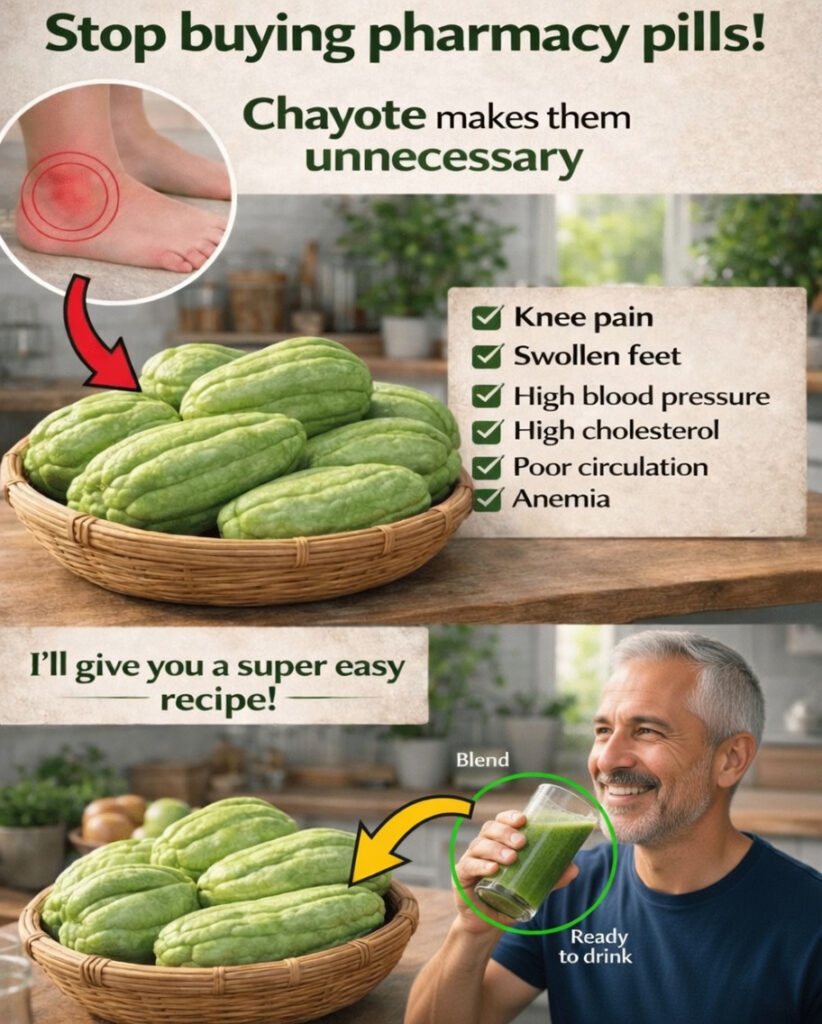
Persistent knee discomfort can make basic daily tasks feel harder than they should. Walking, climbing stairs, or even standing for long periods may become frustrating. At the same time, many people are also concerned about cardiovascular health, especially issues related to blood pressure and cholesterol. One easy food to consider adding to your routine is chayote. This humble vegetable-fruit offers useful nutrients that may help support both joint comfort and heart wellness.
There is more to chayote than its mild flavor and versatility. When used regularly as part of a balanced diet, it may provide practical benefits for overall health and fit easily into many meals.
What Is Chayote?
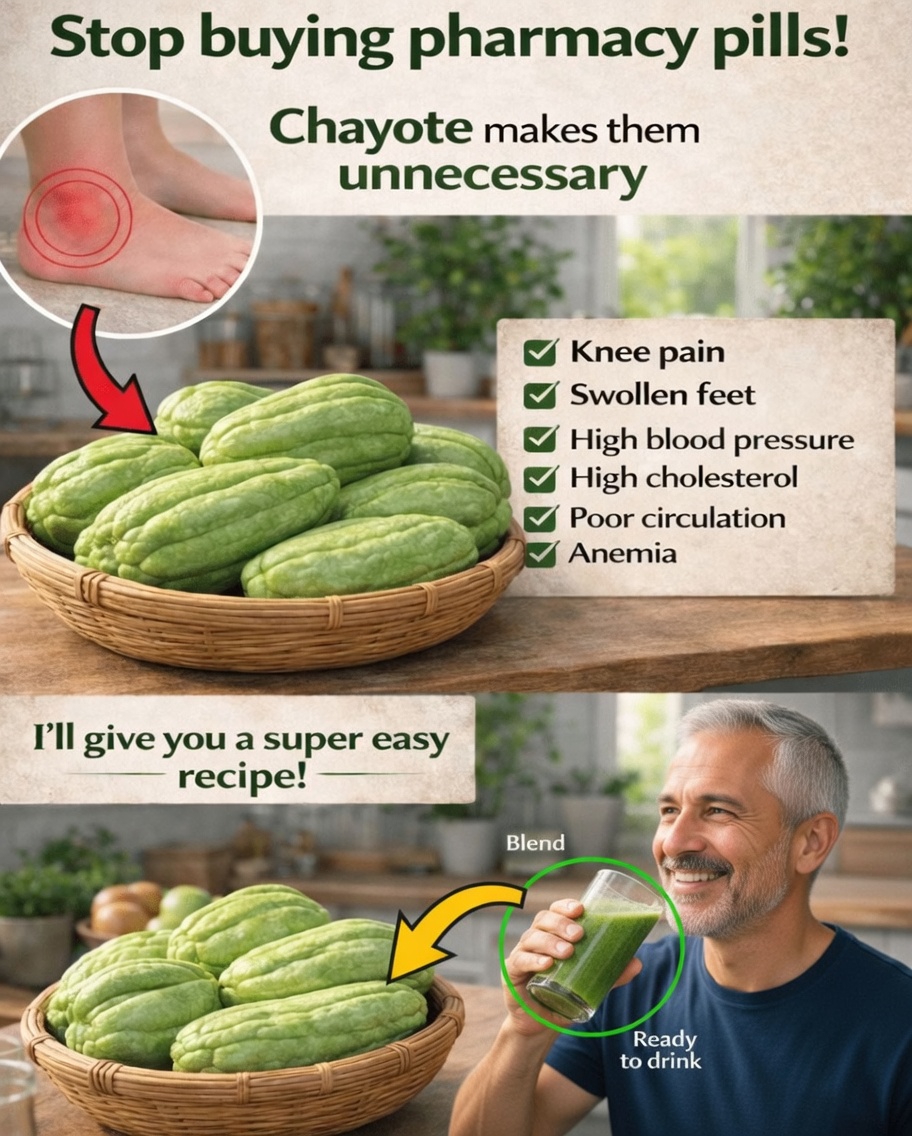
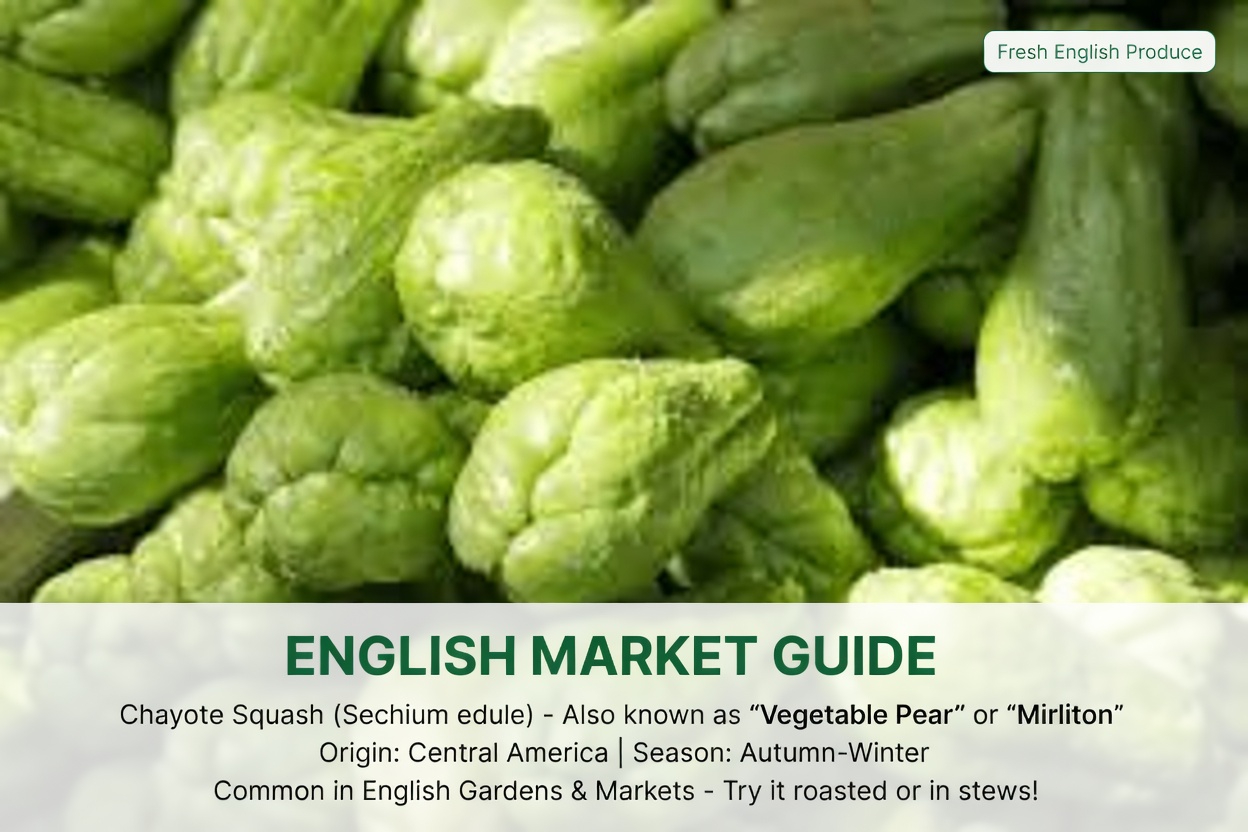
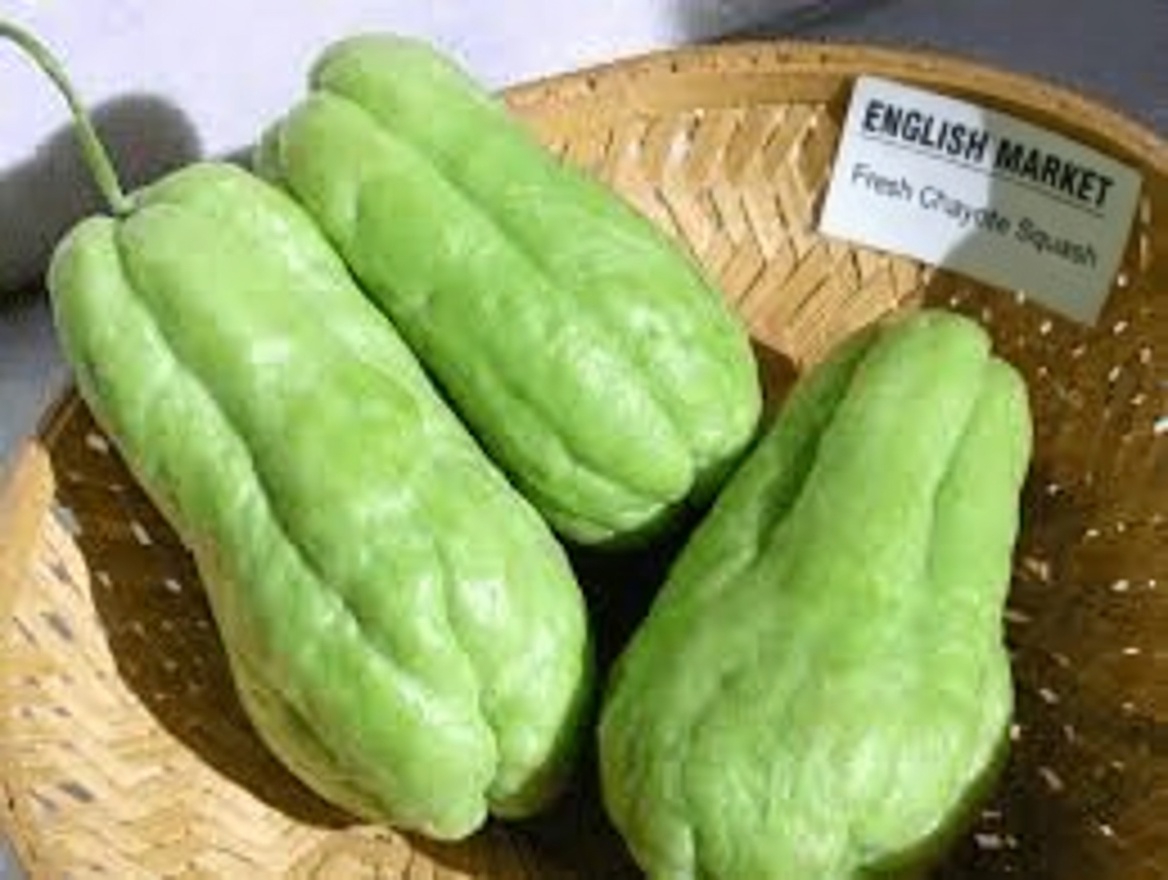
Chayote is a crisp, light-flavored produce item that is technically a fruit, though it is commonly cooked and served like squash. It is popular in many cuisines around the world and works well in both raw and cooked recipes. Its texture is often compared to cucumber or zucchini, which makes it easy to enjoy in salads, stir-fries, soups, and side dishes.
For people looking for natural ways to support their body, especially when managing stiffness or weight concerns, chayote is a smart option. It is low in calories, yet rich in important nutrients. It also contains fiber, vitamins, and minerals, while naturally containing no fat or cholesterol.
Because it adds volume to meals without adding many calories, chayote can help you feel satisfied while supporting a healthy eating plan.
How Chayote May Benefit Heart Health
If you are trying to protect your heart, the foods you eat every day matter. Chayote can be a useful addition to a heart-conscious diet because it contains soluble fiber, which may help reduce LDL cholesterol when eaten consistently.
Another key benefit is its potassium content. Potassium helps the body maintain a healthier balance with sodium, which plays an important role in supporting normal blood pressure. Diets rich in potassium are often associated with better cardiovascular function, and chayote can contribute to that goal.
Chayote also contains antioxidants, including quercetin and myricetin. These plant compounds may help defend blood vessels from oxidative stress and support healthy circulation. For anyone focused on long-term cardiovascular wellness, this is an important advantage.
Taken together, the fiber, potassium, and antioxidant content of chayote make it a practical food for supporting heart health naturally.
Chayote and Knee Comfort
Knee pain or stiffness can affect movement, independence, and quality of life. While chayote is not a cure for joint problems, its nutrient profile may help support the body in ways that contribute to better comfort over time.
One reason is its antioxidant activity, which may help the body manage inflammation. Since inflammation can play a role in joint discomfort, foods that support a healthier inflammatory response may be useful as part of a broader wellness plan.
Chayote also provides dietary fiber, which supports digestive health. A healthier gut may help regulate immune function and influence inflammation levels throughout the body. For those dealing with swelling or stiffness, this connection may be especially relevant.
Improved circulation may be another indirect benefit. Nutrients in chayote that support blood flow and vascular health could also contribute to easier daily movement and better overall comfort.
Its low-calorie nature is another plus. Maintaining a healthy weight can reduce stress on the knees, and chayote makes that goal easier by adding satisfying bulk to meals without excess energy intake.
Why Chayote Stands Out Nutritionally
Chayote earns its reputation as a wellness-friendly food because it delivers a strong nutrient package in a simple, affordable form. It contains vitamin C, vitamin K, and several B vitamins, all of which support functions such as immunity, energy metabolism, and tissue health.
A single cup of chayote also provides beneficial amounts of fiber and minerals like manganese and copper. These nutrients help support many body systems, from connective tissue maintenance to antioxidant protection.
Key Nutritional Highlights of Chayote
- High in fiber to support digestion and cholesterol balance
- Rich in potassium to help maintain healthy blood pressure
- Packed with antioxidants to fight oxidative stress
- Low in calories for those managing weight
- Naturally free of fat and cholesterol
This combination helps explain why chayote is becoming more popular among people interested in natural wellness.
Anti-Inflammatory Potential for Overall Wellness
Inflammation can affect both joints and the cardiovascular system, making it an important target for anyone trying to improve long-term health. Chayote contains compounds that have shown anti-inflammatory effects in research.
In one study involving older adults with metabolic syndrome, chayote supplementation was linked to improved antioxidant defenses and reductions in certain inflammatory markers. While more research is still needed, these findings suggest that chayote may help the body manage inflammation more effectively when included in a healthy lifestyle.
This matters for people who are dealing with ongoing knee discomfort or trying to reduce heart-related risk factors. A food that supports both antioxidant status and inflammation control offers a valuable double benefit.
One of the best things about chayote is that it is easy to eat regularly, making it practical for building long-term habits that support overall well-being.
Easy Ways to Add Chayote to Your Diet
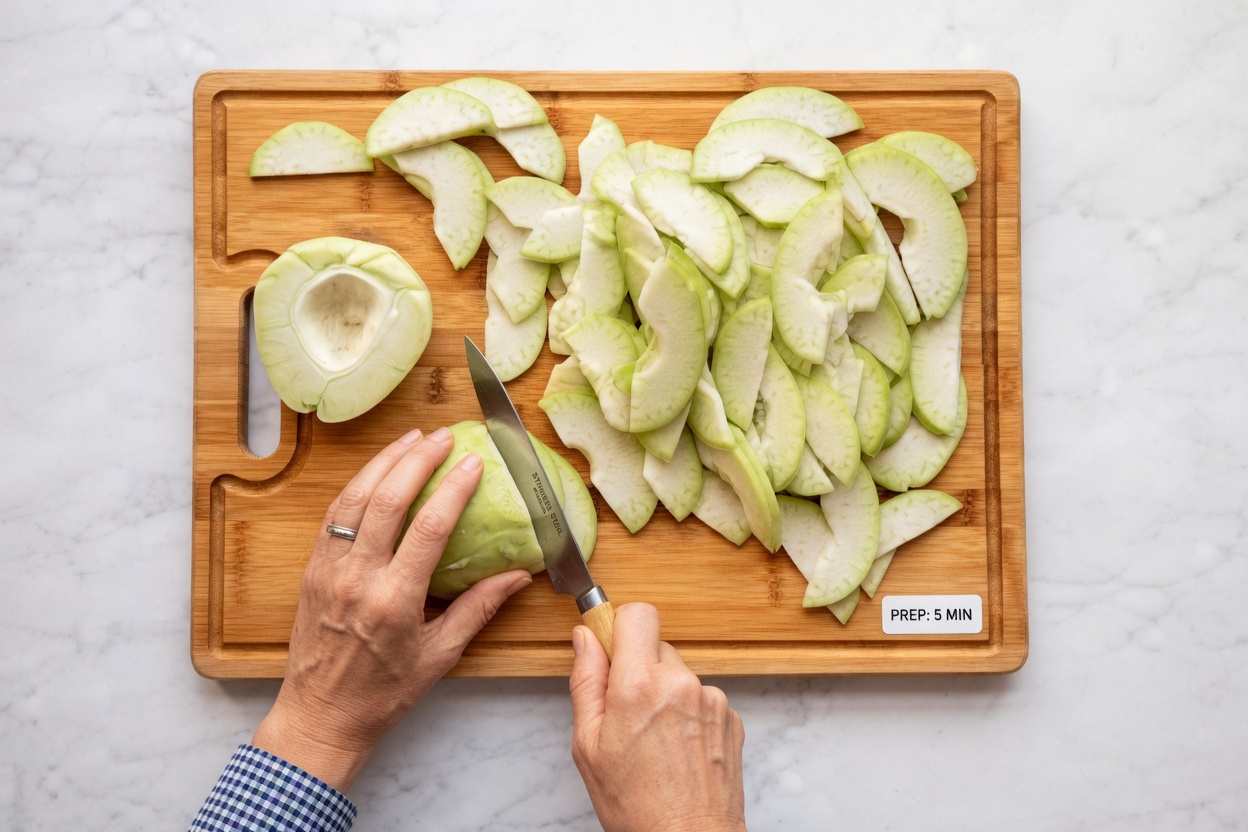
Chayote is simple to prepare and works in many everyday dishes. Its mild flavor allows it to blend easily with other ingredients, so you can include it in meals without much effort.
Practical Ideas for Daily Use
-
Sautéed chayote
- Peel and slice it thinly.
- Cook with garlic, onions, and herbs for a quick, flavorful side dish.
-
Fresh chayote salad
- Slice it raw and combine with tomatoes, cucumber, and a light dressing.
- This keeps the texture crisp and refreshing.
-
Steamed or stir-fried chayote
- Add it to vegetable stir-fries or steam it for a simple low-fat side.
- Pair it with lean proteins for a balanced meal.
-
Baked or stuffed chayote
- Cut it in half and fill it with vegetables, whole grains, or other wholesome ingredients.
- Bake until tender for a hearty dish.
-
Chayote in soups and stews
- Dice it and add it to broths or one-pot meals.
- Its delicate flavor blends well while increasing nutritional value.
Because chayote absorbs seasonings well, it is ideal for experimenting with different flavors in your kitchen.
Other Health Benefits of Chayote
In addition to supporting joint comfort and heart health, chayote may contribute to wellness in several other ways.
Its fiber content supports digestion and may help you feel lighter and more regular. Good digestive health can also influence energy levels and general comfort.
For people trying to maintain a healthy body weight, chayote is especially useful. Since it is low in calories but filling, it can help reduce overall calorie intake without making meals feel small or unsatisfying.
Emerging research also suggests chayote may play a role in blood sugar support when included as part of a balanced diet. This makes it even more appealing for those focused on metabolic health.
Another overlooked benefit is hydration. Chayote contains a high amount of water, which can support skin health, hydration status, and overall body function.
These qualities make chayote a well-rounded food for a more complete wellness routine.
How to Choose, Prepare, and Store Chayote
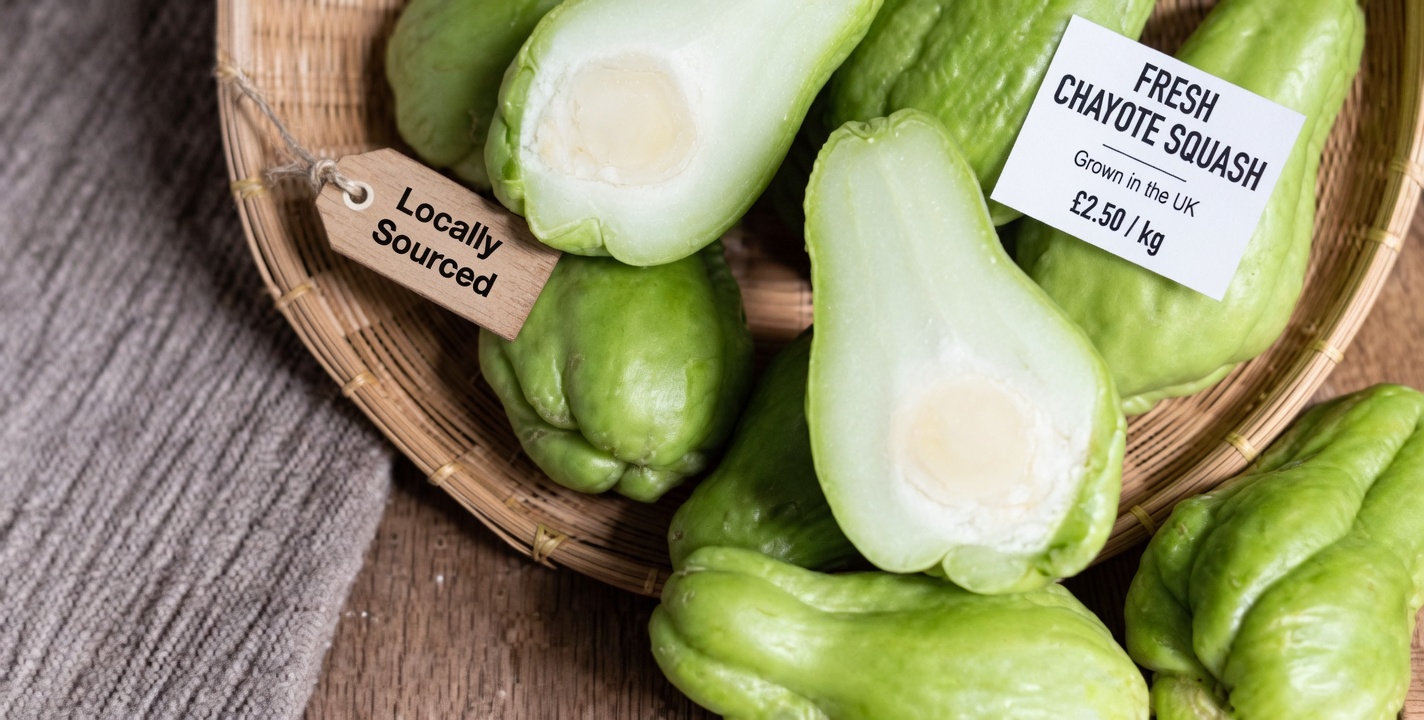
To get the best quality, choose chayote that feels firm, heavy for its size, and free from blemishes. Smooth skin and a lack of soft spots usually indicate better texture and freshness.
Before using it, wash it thoroughly. Many people prefer to peel chayote before cooking, although the skin can be edible depending on the variety and recipe. If eating it raw, be sure it is well rinsed and fresh.
For storage, place chayote in the refrigerator inside a plastic bag. It can typically keep well for up to two weeks, making it convenient to have on hand for regular meals.

Making Chayote Part of a Long-Term Wellness Plan
Like any healthy food, chayote works best when used consistently. It should not replace medical care, but it can be part of a supportive lifestyle that includes:
- Regular physical activity
- Proper hydration
- Balanced nutrition
- Professional medical guidance when needed
Chayote fits especially well into Mediterranean-style and plant-forward diets, both of which are often linked to improved cardiovascular and overall health. The more often you use it in simple, enjoyable recipes, the easier it becomes to keep it as a regular part of your routine.
A helpful tip is to pair chayote with other nutrient-rich foods such as olive oil, leafy greens, legumes, and lean proteins. This can create meals that are even more supportive for inflammation control, heart health, and healthy weight management.
Final Thoughts
Chayote may look modest, but it offers a surprising range of benefits. From supporting heart health through fiber, potassium, and antioxidants to potentially helping with knee comfort through inflammation management and weight support, it deserves a place in a wellness-focused diet.
It is easy to cook, simple to store, and versatile enough for many types of meals. If you are looking for a natural, practical way to support your health, adding chayote to your weekly menu is a smart and sustainable step.