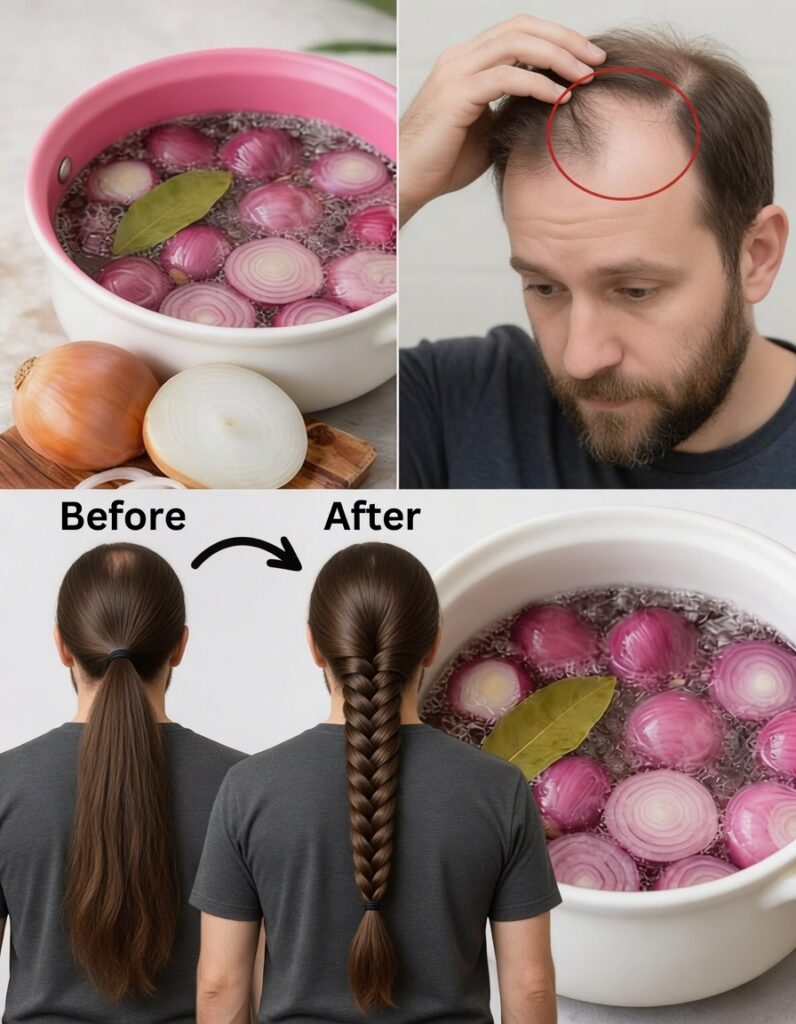
Hair Loss and Thinning: Why Onion Juice Keeps Showing Up in Natural Hair Care
Hair thinning impacts millions of people, and it can make everyday moments—brushing, washing, even running your fingers through your hair—feel discouraging as more strands appear to shed. Over time, the emotional toll often follows: reduced confidence, dodging photos, and constant worry about how noticeable a widening part or thinner areas may be.
That’s why many people are curious about simple, low-cost options at home. One remedy that repeatedly sparks interest is onion juice for hair growth—a kitchen staple some use to support the appearance of thicker, fuller hair and a healthier-looking scalp.
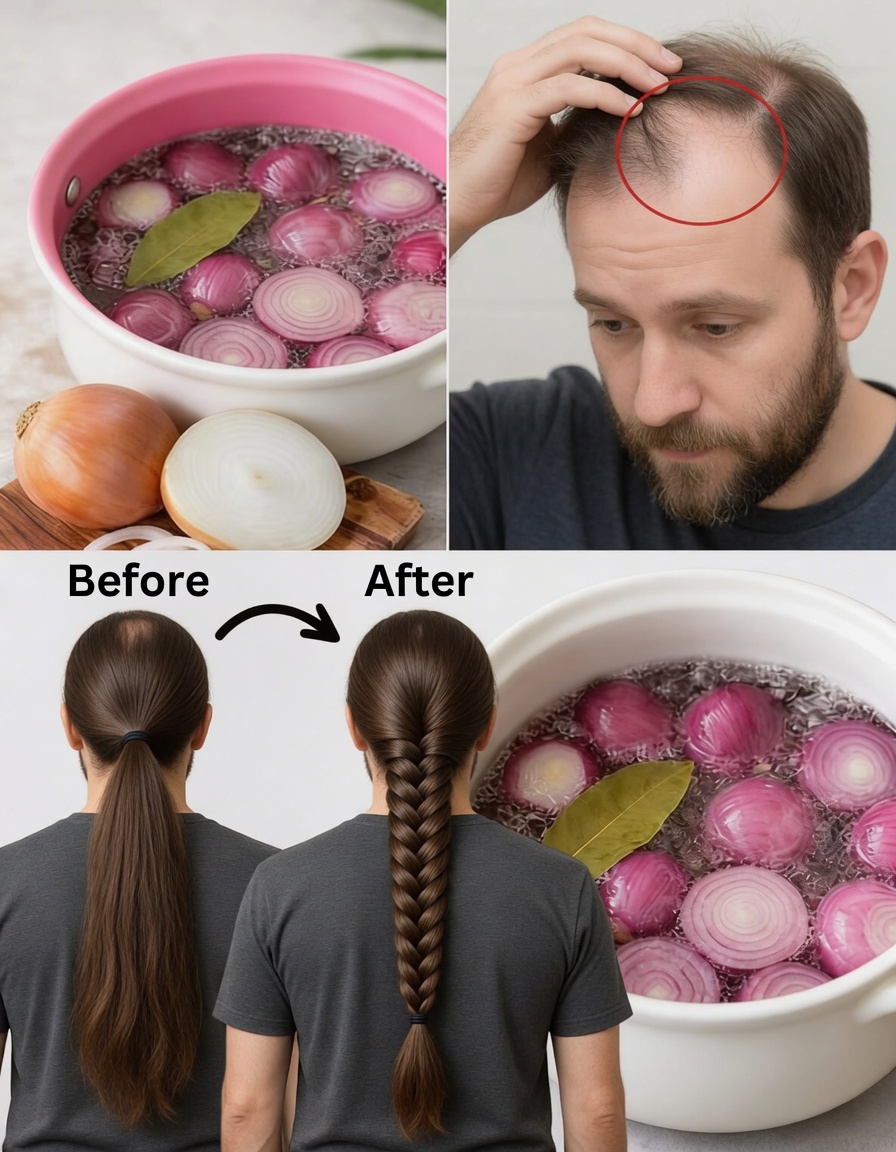
The Quiet, Daily Reality of Hair Thinning
Onion juice may sound unexpected, but the struggle behind hair loss is very real. Whether you’re noticing extra hair in the shower drain or finding it harder to style your hair the way you used to, thinning can feel like it’s always on your mind. Many people begin to see visible changes in their 30s and 40s—and stress can make the experience feel even more intense.
Research consistently shows how common thinning is: by midlife, a large portion of women and the majority of men experience some degree of hair density change. Because onion juice is accessible, inexpensive, and easy to test, it has become a popular DIY approach for those hoping to improve scalp care and maintain fuller-looking hair.

Why Onion Juice Stands Out for Natural Hair Support
What makes onion juice notable is its combination of sulfur-containing compounds and antioxidants, which may help support a scalp environment associated with stronger-looking hair.
A frequently cited clinical study (Journal of Dermatology, 2002) investigated topical onion juice for patchy hair loss and reported more regrowth observations in the onion group than in the control group. Results can vary widely from person to person, but findings like this help explain why onion juice continues to stay in the conversation around natural hair care.
The biggest advantage is practical: onion juice is easy to source and simple to add to a routine without major lifestyle changes.
Benefit 1: Sulfur Content That Supports Keratin Structure
When hair feels fine, weak, or prone to breakage, volume can become difficult to maintain. Onion juice contains sulfur, an element involved in the structure of keratin, the key protein that gives hair its strength and shape.
Many users who try onion juice scalp applications report that their hair feels more substantial over time. While personal results differ, the sulfur content is one reason onion juice is often associated with stronger-looking strands and less visible breakage.
Benefit 2: Quercetin May Help Calm Scalp Irritation
Scalp itchiness or sensitivity can make hair care feel like a constant battle. Onion juice naturally contains quercetin, an antioxidant widely studied for its anti-inflammatory potential. In a hair routine, that may translate into a calmer scalp environment—especially for people who feel that irritation or inflammation is contributing to their hair concerns.
A more comfortable scalp can also make consistent care easier, which matters because most approaches to improving hair appearance require time and routine.

Enhancing Onion Juice: Why People Pair It With Rosemary Essential Oil
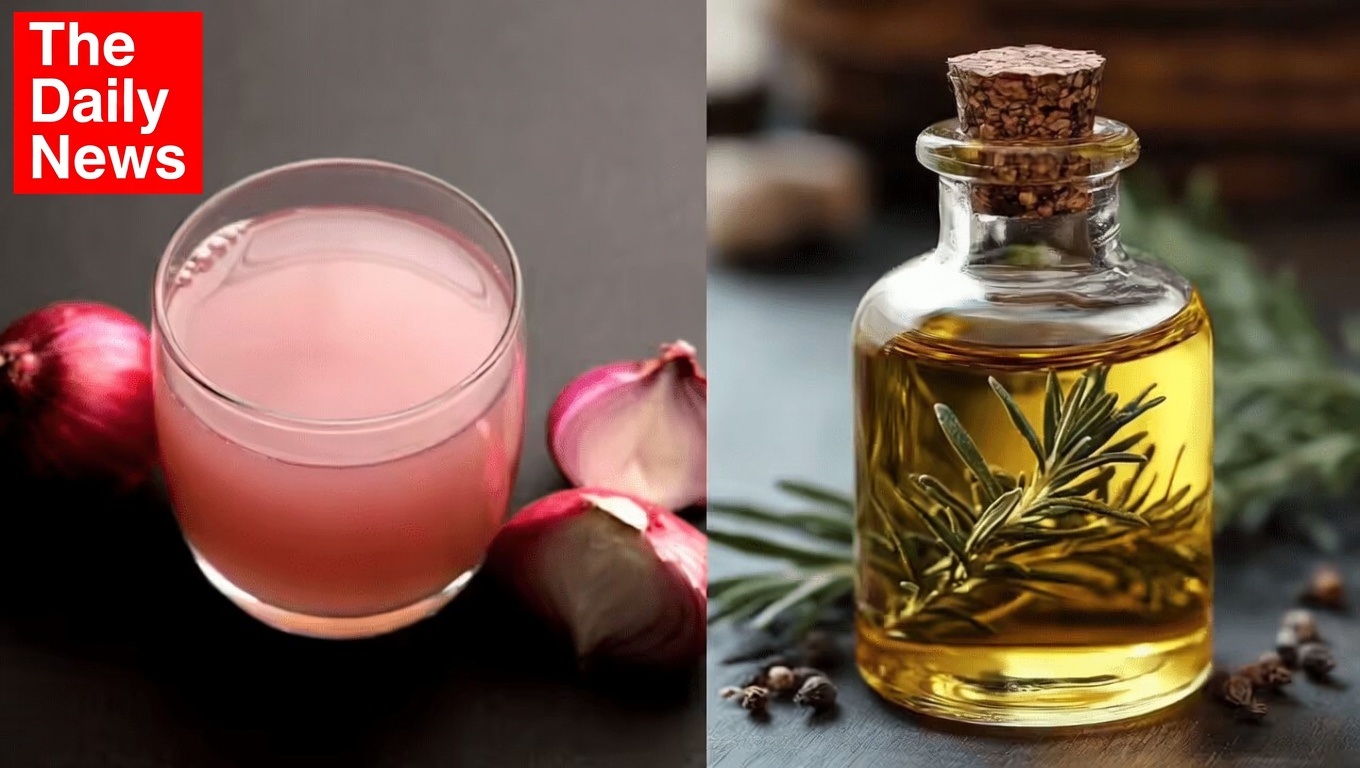
Onion juice is often used on its own, but some people combine it with rosemary essential oil to improve the overall scalp-care experience.
A 2015 study in Skinmed compared rosemary oil to a common topical option for pattern hair loss and found comparable improvements in hair count after six months, with fewer reports of scalp irritation in the rosemary group. For that reason, rosemary is commonly described as a supportive add-on for scalp circulation and hair density goals.
A small amount of rosemary oil mixed into onion juice may create a blend that feels more targeted—especially for those aiming for a thicker, fuller appearance.
Benefit 3: Circulation Support (Especially in Combinations)
Busy schedules, stress, and daily habits can all influence scalp health. Onion juice—particularly when paired with rosemary—may support better-looking scalp circulation, helping deliver nutrients to the follicle area.
Some users mention seeing fine “baby hairs” over time, which can gradually improve the look of density. While results aren’t guaranteed, this is one of the most commonly discussed reasons people stick with onion juice treatments for several weeks.

Benefit 4: Natural Antimicrobial Properties for Scalp Cleanliness
Buildup, mild flaking, and scalp imbalance can make hair look less healthy and less full. Onion juice has naturally occurring antimicrobial properties that may help support a cleaner-feeling scalp environment, potentially reducing factors that interfere with optimal hair appearance.
This is one reason onion juice is often used as part of an ongoing scalp-maintenance routine rather than as a one-time fix.
Benefits 5–8: Additional Everyday Advantages People Associate With Onion Juice
Beyond sulfur and quercetin, onion juice is often used for several practical reasons tied to overall scalp and hair appearance:
- Antioxidant support: may help counter oxidative stress that can affect follicles over time
- Follicle-friendly stimulation: compounds in onion may encourage a healthier-looking growth cycle
- Flake reduction: its properties may help ease mild dandruff-like concerns
- Moisture balance: can support hydration without making hair feel heavy (depending on hair type)
Taken together, these effects are why onion juice is frequently described as a well-rounded, natural option for those trying to maintain thicker, fuller-looking hair.
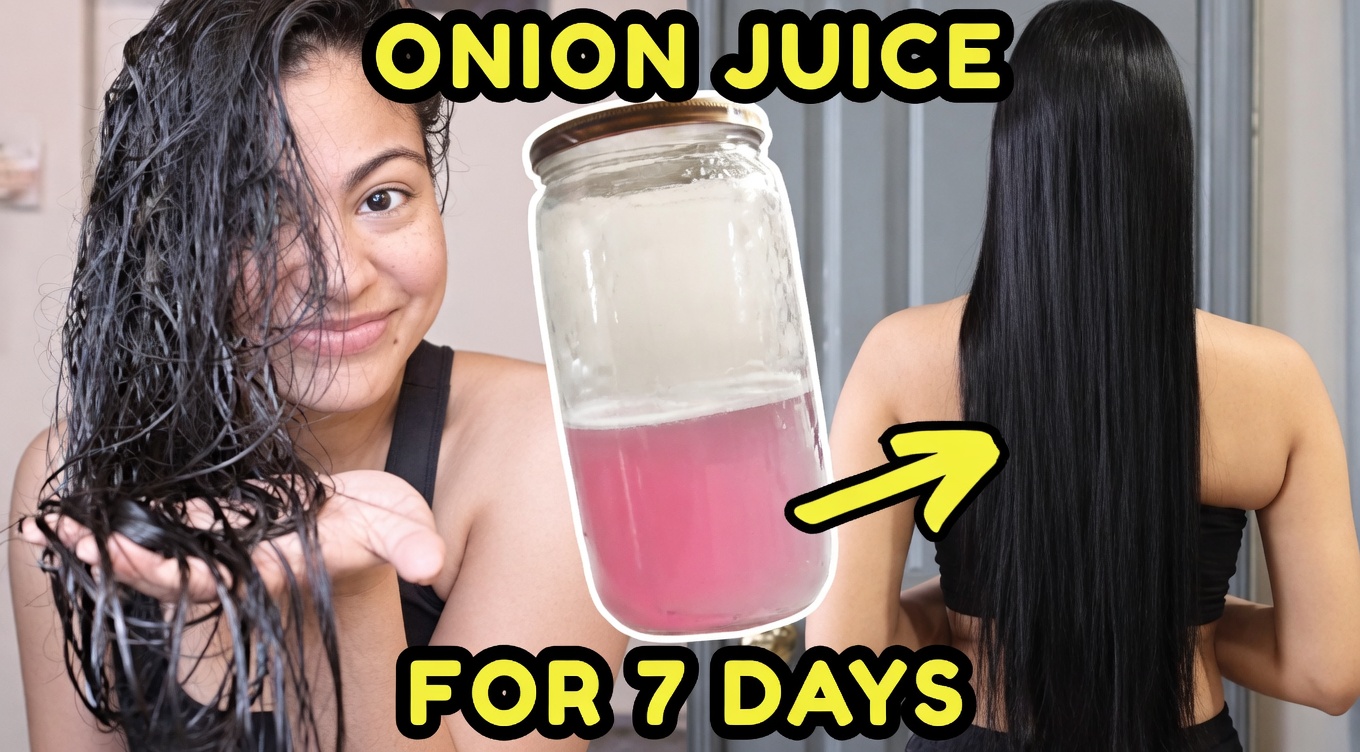
Fermented Onion Juice: A More Advanced Option Some People Prefer
For those who want to level up their routine, fermented onion juice is a popular upgrade in DIY hair communities. Fermentation may increase nutrient availability and adjust acidity in a way that some people feel is more compatible with the scalp.
Direct research specifically on fermented onion juice for hair is still developing, but fermentation is widely used in skin and scalp care because it can change how ingredients behave and absorb.
Benefit 9: Potentially Better Absorption Through Fermentation
One reason people choose fermented onion juice is the idea that fermentation can make key compounds easier to absorb, which could improve how effectively the scalp and follicles can use them.
For users seeking a stronger natural approach, fermented onion juice is often viewed as the most “potent” variation.
Benefits 10–12: Deeper Scalp Support With Fermented Onion Juice
Fermented versions are often used for additional scalp-focused goals, including:
- Scalp microbiome support: fermentation may create probiotic-like byproducts that encourage balance
- Deeper nourishment: improved penetration could help deliver nutrients closer to follicles
- Better density appearance: consistent users often report a fuller look over time
Quick Comparison: Which Onion Juice Option Fits Your Routine?
- Basic onion juice: moderate support, easiest to make, scent usually manageable with double shampoo
- Onion juice + rosemary: higher potential for scalp support, easy to use, often feels more comfortable
- Fermented onion juice: advanced option, takes more effort, typically best for scent and scalp feel
How to Use Onion Juice for Hair: A Simple Routine
If you’re ready to test onion juice safely and consistently, start with a basic method. Many people choose red onions due to their higher quercetin content.
- Chop 1–2 organic red onions, then blend into a pulp.
- Strain using cheesecloth or a fine mesh to collect the juice.
- On damp hair, apply the onion juice to the scalp and massage for 2–3 minutes.
- Cover with a shower cap and leave on for 30–60 minutes.
- Rinse thoroughly and shampoo twice to reduce lingering odor.
For noticeable changes in the look of thickness and fullness, many users try onion juice 2–3 times per week for 4–6 weeks.
Rosemary-Infused Onion Juice (Upgraded Blend)
To enhance the routine, add 5–10 drops of rosemary essential oil to your strained onion juice before applying. This blend is commonly used to support scalp comfort and circulation, and many people find it improves the overall experience compared to onion juice alone.