

Can Chewing Fresh Mint Before Bed Help Support Memory?
As people age, it is common to experience small lapses in memory—forgetting a name, losing track of a detail, or entering a room and momentarily forgetting why. These moments can be annoying and sometimes raise questions about how to keep the mind sharp over time.
Researchers have been paying closer attention to everyday plants and their possible role in cognitive health. One herb that continues to attract interest is mint. In particular, some people have started using fresh mint leaves as part of a calming bedtime routine. What makes this habit especially interesting is that the science behind mint and brain function is more compelling than many expect.
Why Memory Often Shifts With Age
Memory involves much more than simply recalling information. It depends on several mental processes, including:
- Attention
- Working memory, or the brain’s short-term mental note system
- Long-term memory storage
As we get older, normal changes in the body can affect these functions. Reduced circulation, higher inflammation, and poorer sleep quality may all influence how efficiently the brain performs.
Many adults over 50 look for practical, natural ways to support daily mental clarity. That is one reason mint has become part of the conversation. Fresh mint contains active compounds such as menthol and rosmarinic acid, both of which have been studied for their possible effects on alertness and cognitive performance.
Still, an important question remains: can chewing a few mint leaves at night actually help?
What Research Says About Mint and Brain Function
Scientific studies on peppermint and spearmint suggest these herbs may offer support for certain aspects of cognition.
Research on peppermint tea, for example, has linked it to improvements in attention and performance on some memory-related tasks in healthy adults. In one study, people who consumed peppermint performed better on word recall and picture memory tests than those in the control group.
Other studies have examined spearmint extract in older adults with age-related memory concerns. After taking a specific dose for several weeks, some participants showed modest gains in working memory and, in some cases, better ease of falling asleep.
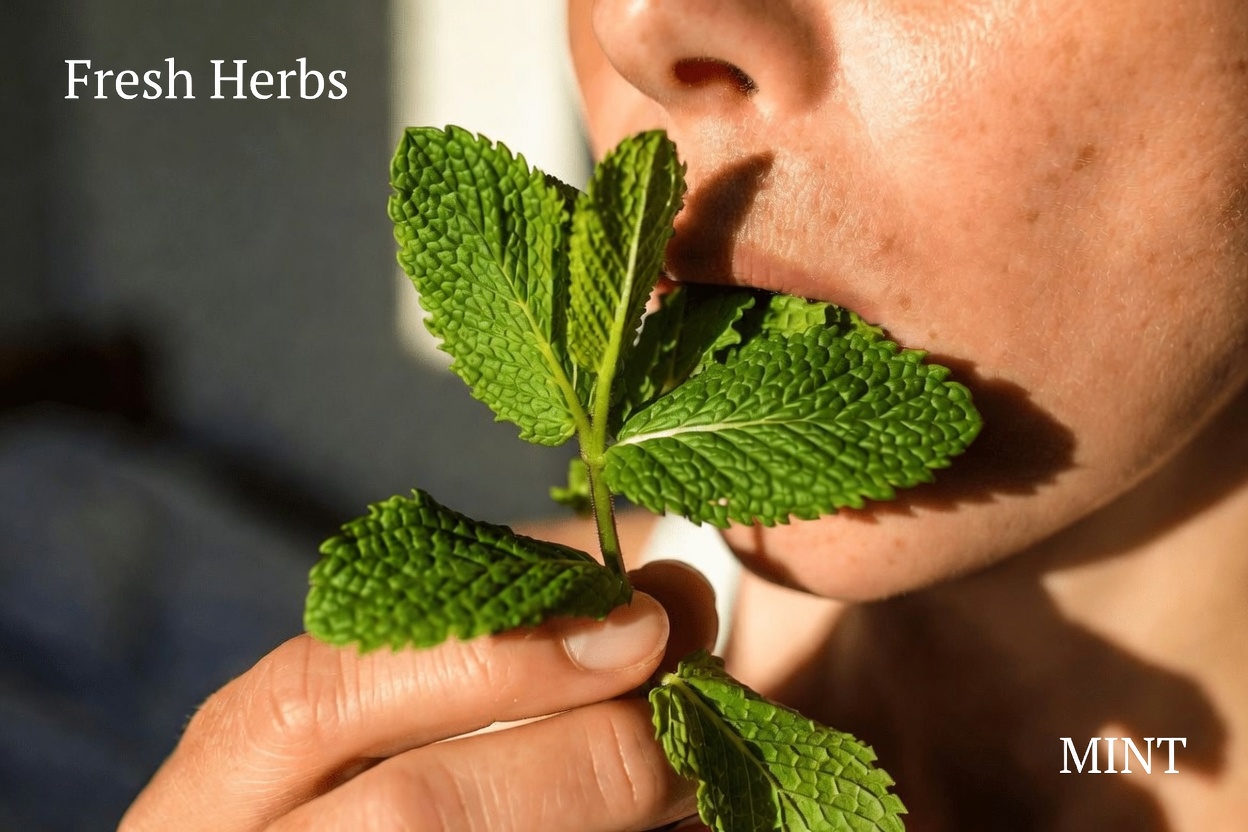
Mint aroma has also been studied. Because menthol creates a distinctive cooling scent, researchers have explored how peppermint fragrance affects the brain. Animal studies and some human trials have connected peppermint aroma with increased alertness and stronger performance on memory-based activities.
Chewing may offer an added advantage. The act of chewing can encourage blood flow and help deliver glucose to the brain. At the same time, mint provides taste and aroma stimulation. Together, this creates a multi-sensory experience that researchers find especially interesting.
Most published studies have focused on mint in the form of tea, extracts, or aroma exposure. However, chewing fresh mint leaves before bed combines all three elements—flavor, scent, and light chewing activity—into one simple nightly ritual.
How to Try Fresh Mint Leaves Before Sleep
If you want to experiment with this habit, keep expectations realistic. The goal is not an instant transformation, but a small, soothing routine that may support overall mental wellness.
Step-by-Step Method
- Choose fresh mint leaves, ideally organic if available.
- Spearmint or peppermint are both good options.
- About 30 to 60 minutes before bedtime, take 4 to 6 clean leaves.
- Rinse them gently and dry them.
- Chew slowly, paying attention to the cool flavor and fresh scent.
- After a few minutes, either swallow the chewed leaves or spit them out—whichever feels better for you.
- Finish with a sip of water and continue your usual bedtime routine.
Many people find the cooling sensation soothing, which can make this habit pleasant as part of winding down at night.
Tips to Get the Most From the Habit
- Start with a small amount and observe how your body responds.
- Pair mint with healthy sleep practices, such as:
- dimming the lights
- keeping a regular bedtime
- limiting stimulation before sleep
- Stay consistent for at least two weeks to notice subtle effects, if any.
Potential Benefits Researchers Have Explored
Studies suggest mint may help support:
- Attention
- Alertness
- Working memory
- Mood
- Subjective feelings of energy or vigor
Some reviews of peppermint research suggest it may increase cerebral blood flow, which is important for cognitive performance. Other studies have found that mint-flavored chewing gum, which combines both chewing and mint stimulation, was linked to stronger test performance than plain gum in students.
In older adults, spearmint extract has shown potential for modest improvements in spatial working memory and self-reported sleep quality.
That said, responses vary widely from person to person. Long-term brain health is influenced much more strongly by overall lifestyle habits such as diet, physical activity, sleep, and stress management.
Other Daily Habits That Can Help Support Memory
Chewing mint is only one small part of the larger picture. Experts commonly recommend combining it with broader brain-healthy routines, including:
- Regular physical activity, such as walking or light strength exercises
- 7 to 9 hours of quality sleep
- A balanced diet rich in vegetables, fruits, and healthy fats
- Mental stimulation through reading, puzzles, or learning something new
- Stress reduction with mindfulness, breathing exercises, or quiet reflection

Simple Comparison of Evening Habits
| Habit | Possible Cognitive Benefit | Daily Ease |
|---|---|---|
| Chewing fresh mint leaves | Alertness and sensory stimulation | Very easy |
| Drinking herbal tea | Relaxation and mild support | Easy |
| Light reading or journaling | Memory processing and reflection | Moderate |
| Gentle stretching | Better sleep quality | Easy |
In many cases, combining several of these habits leads to a stronger sense of mental clarity than relying on any one practice alone.
Common Questions About Mint and Memory
How much mint should you chew before bed?
Begin with just a few leaves. There is no single ideal amount for everyone, so it is best to adjust based on comfort and personal response.
Is chewing fresh mint safe for everyone?
Mint is generally considered safe as a common food herb. However, people with acid reflux, mint allergies, or those taking medications should speak with a healthcare professional before adding it regularly to their routine.
Will the effects be immediate?
Some people say they feel fresher in the morning after several days, while others notice only mild changes over a longer period. Results differ significantly between individuals.
Can dried mint or mint tea work too?
Yes. Fresh leaves provide the added chewing and aroma experience, but peppermint tea or spearmint tea in the evening can also be an enjoyable alternative.
Final Thoughts
Chewing fresh mint leaves before bed is a simple, affordable habit that can add a mindful moment to your evening routine. Although research on mint and cognitive support is still developing, the early findings are intriguing and suggest possible benefits for alertness, working memory, and overall mental freshness.
Still, the strongest foundation for lasting brain health remains a healthy lifestyle built on good sleep, regular movement, balanced nutrition, and stress management.
Trying fresh mint for a couple of weeks may be a pleasant way to see whether it fits naturally into your evenings. Even if the effects are subtle, the ritual itself can be refreshing and calming.
Disclaimer
This article is intended for informational and educational purposes only. It is not meant to diagnose, treat, cure, or prevent any disease. Always consult a qualified healthcare professional before changing your diet or daily routine, especially if you have existing medical conditions or take prescription medications.