Getting older often comes with subtle physical changes. You may notice your legs do not feel as strong as they once did, or that everyday actions like getting up from the sofa or walking up stairs suddenly require more effort. That can feel discouraging. It may affect your confidence, reduce your activity level, and raise concerns about maintaining independence over time.
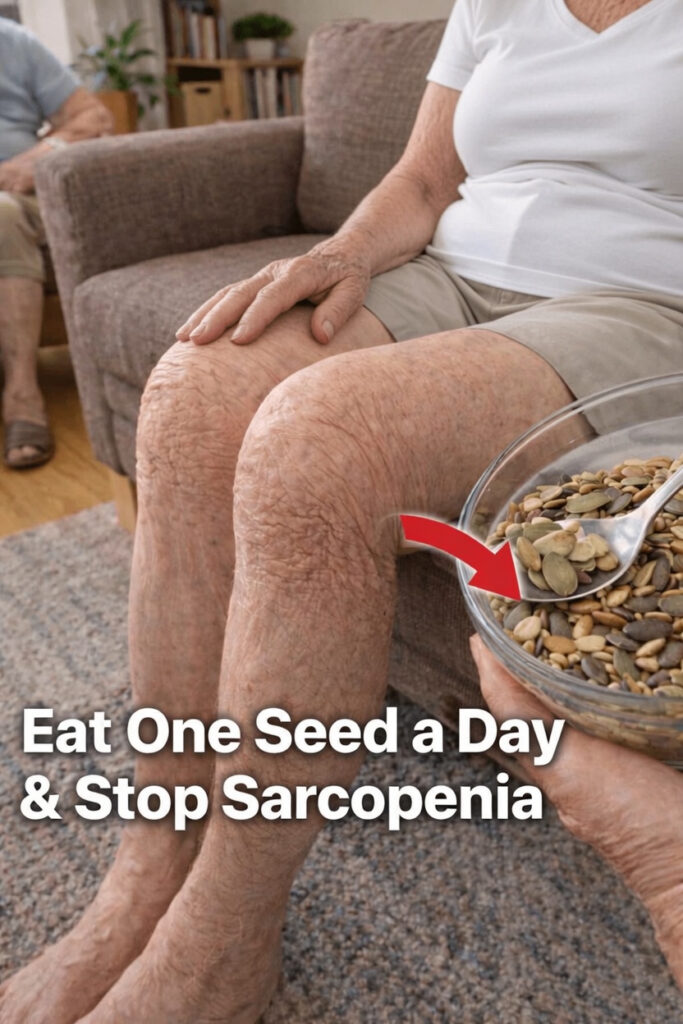
This slow decline in strength is common, and many people look for simple, realistic ways to feel steadier and more capable in daily life. The encouraging news is that even a small habit can help support muscle health. One of the easiest options may be something as simple as adding pumpkin seeds to your routine each day.
Understanding Muscle Loss With Age
Muscle decline related to aging does not happen overnight. It usually begins gradually in your 30s and tends to become more noticeable after age 50. This process is known as sarcopenia, though the name matters less than the symptoms you feel in real life.
Common signs may include:
- Reduced grip strength
- Slower recovery after physical activity
- More fatigue in the legs by the end of the day
- Less power during everyday movements
These changes happen because the body becomes less effective at building and repairing muscle tissue as the years pass. Several factors can contribute, including:
- Lower activity levels
- Hormonal changes
- Reduced absorption of important nutrients
- Not getting enough protein and minerals from food
The positive side is that muscle health can still be supported. Research regularly shows that smart nutrition plus regular movement can help preserve muscle function and improve mobility. That is where nutrient-rich foods such as seeds can play a valuable role.
Why Pumpkin Seeds Stand Out for Muscle Support
So why are pumpkin seeds getting so much attention?
These small green seeds, often called pepitas, offer a surprisingly strong nutritional profile for aging muscles. They are affordable, easy to find, pleasant to eat, and simple to add to everyday meals. For people who want practical nutrition without a complicated plan, they are an excellent choice.
Here are a few reasons they are worth considering:
- Plant protein: About 7 grams per ounce, which helps supply amino acids needed for muscle repair and maintenance
- Rich in magnesium: More than 150 mg per ounce, covering roughly 35 to 40% of daily needs
- Contains zinc and antioxidants: Zinc contributes to protein synthesis, while antioxidants help protect the body from oxidative stress
- Healthy fats and fiber: These support overall wellness and may also promote better digestion and nutrient absorption
Many older adults do not get enough magnesium or protein, both of which are important for muscle function. Pumpkin seeds provide both in one convenient food. Some research reviews have linked adequate magnesium intake with better preservation of muscle mass in older adults, which is one reason these seeds are increasingly mentioned in conversations about healthy aging.
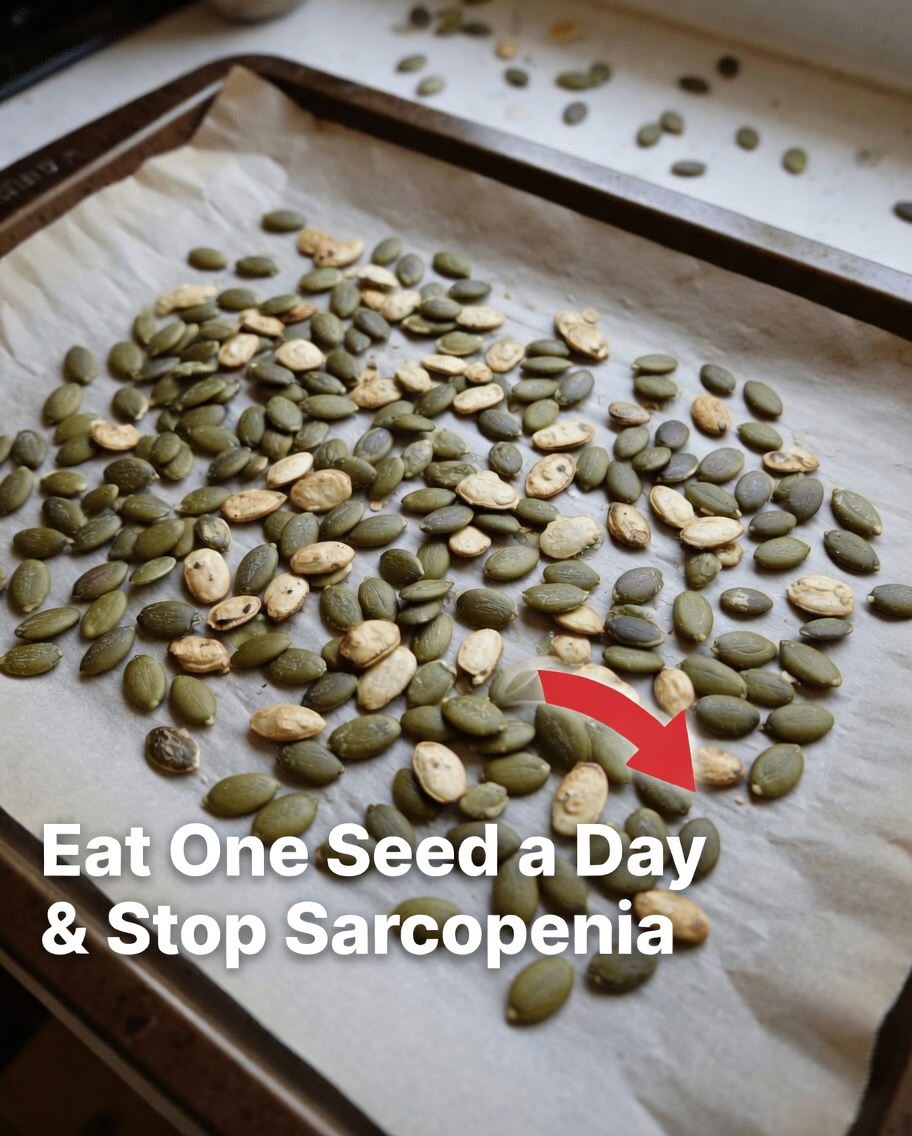
What Science Says About Pumpkin Seeds and Muscle Health
Pumpkin seeds are not a miracle food, but the research around their nutrients is promising.
Animal studies examining pumpkin seed protein peptides suggest they may help support muscle tissue under stress conditions similar to those seen with aging. These studies have reported benefits such as:
- Improved mitochondrial function
- Reduced inflammatory markers
- Better support for muscle tissue maintenance
In human population research, diets higher in magnesium and plant-based proteins have also been associated with:
- Stronger grip strength
- Better physical mobility
- Improved functional ability in adults over 50
Of course, no single food can fully prevent age-related muscle loss. Results depend on the full picture, including diet quality, physical activity, sleep, hydration, and general health. Still, the evidence is strong enough that many nutrition and health professionals suggest adding nutrient-dense seeds like pumpkin seeds to a daily routine.
Another advantage is convenience. Pumpkin seeds do not require special preparation, expensive supplements, or complicated equipment. They are one of the easiest nutritional habits to start and maintain.
How to Turn Pumpkin Seeds Into a Daily Habit
The phrase “one pumpkin seed a day” is really about consistency, not literally eating a single seed. A realistic serving is 1 tablespoon or a small handful, around 1 ounce, as part of your daily routine.
Here is a simple way to get started:
-
Choose a good version
- Look for raw or lightly roasted unsalted pumpkin seeds
- Skip heavily salted or strongly flavored products when possible
-
Begin with a small amount
- Start with 1 teaspoon per day for the first week
- Gradually increase to 1 tablespoon or more if tolerated well
-
Store them properly
- Keep them in an airtight container
- Refrigerate or freeze them to maintain freshness and prevent spoilage
-
Add them to regular meals
- Sprinkle on oatmeal
- Mix into yogurt
- Blend into smoothies
- Add to salads or soups
- Use in homemade snack bites or energy balls
-
Combine the habit with movement
- Try wall push-ups
- Do chair squats
- Add short walks to your day
- Practice light resistance exercise a few times a week
Many people report feeling more energized and physically stable after several weeks of consistent use. The real secret is repetition. Once the habit becomes automatic, it is much easier to maintain long term.
Lifestyle Habits That Make Pumpkin Seeds Even More Effective
Pumpkin seeds can be helpful on their own, but they work best as part of a broader healthy lifestyle. Combining them with a few basic habits can create a stronger and more sustainable approach to muscle support.
Helpful habits to pair with pumpkin seeds
-
Resistance training
- Helps stimulate muscle protein synthesis
- Easy starting point: a 10-minute bodyweight routine 3 times per week
-
Higher daily protein intake
- Gives your body the materials it needs to repair and maintain muscle
- Easy starting point: add eggs, yogurt, tofu, fish, or beans to meals
-
Good hydration
- Helps transport nutrients to muscles and supports physical performance
- Easy starting point: aim for around 8 glasses of water a day
-
Enough vitamin D
- Supports strength and plays a role in bone and muscle health
- Easy starting point: brief sun exposure or vitamin D-fortified foods
When these habits are combined with a daily serving of pumpkin seeds, the result is a practical plan that supports strength, mobility, and overall wellness.
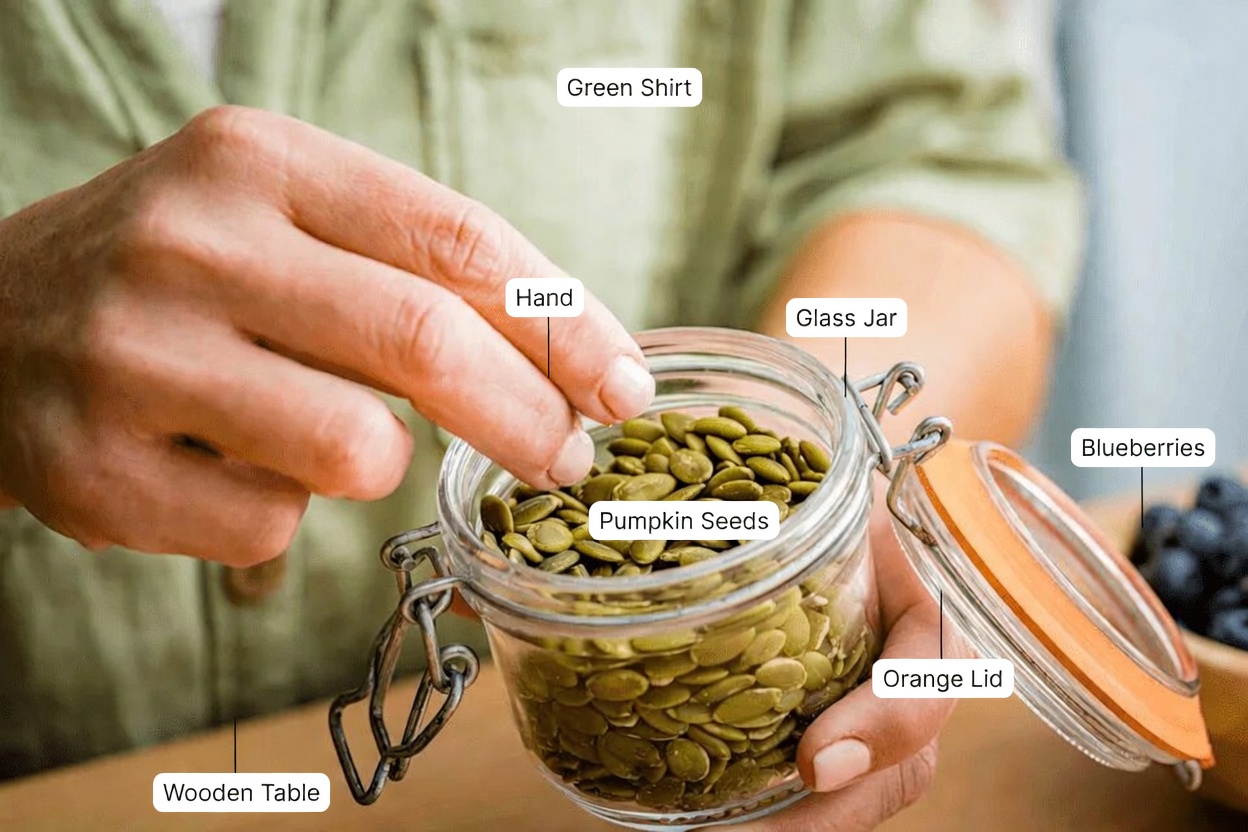
Benefits That May Go Beyond Muscle Support
The appeal of pumpkin seeds is not limited to muscle health. Many people who eat them regularly also notice other positive effects.
Possible additional benefits include:
- Better sleep, partly due to their magnesium content
- Improved digestion from fiber
- Healthier skin thanks to zinc and vitamin E
- General wellness support through healthy fats and antioxidants
This makes pumpkin seeds a small nutritional change that may improve how you feel in several ways, not just physically stronger muscles.
Frequently Asked Questions
How much pumpkin seed should I eat each day?
A practical daily amount is 1 tablespoon or about 10 to 15 grams. A small handful, around 1 ounce, is also common. This portion provides useful nutrients without adding too many calories.
Are there any side effects?
Pumpkin seeds are generally easy to tolerate. However, if you are not used to high-fiber foods, start with a smaller amount to reduce the chance of temporary bloating or digestive discomfort. Anyone with a seed allergy should speak with a healthcare professional first.
Do I need to exercise for pumpkin seeds to help?
Pumpkin seeds offer nutrients that support muscle health on their own, but exercise improves the benefit. Even light strength training or regular walking can help your body use those nutrients more effectively.
Final Thoughts
Small daily habits can lead to meaningful improvements over time. Adding pumpkin seeds to your routine may seem minor, but consistent choices like this can support how strong, steady, and capable you feel as you age.
It does not need to be perfect. What matters most is building a habit you can stick with for the long run.
Disclaimer
This article is for informational purposes only and is not medical advice. Always consult a qualified healthcare professional before making changes to your diet, exercise, or lifestyle, especially if you have existing health concerns or questions about muscle health. Individual results may vary.