Subtle Signs During Sleep You Should Not Ignore
Many people wake in the night or get out of bed feeling slightly unusual. It may be a tingling arm, a faint facial droop when looking in the mirror, or a strange heaviness on one side of the body that was not there before sleep. It is easy to brush these sensations off as sleeping in an odd position or dealing with a simple muscle cramp. Still, when the feeling lasts longer than expected, it can raise concerns about whether something more serious may have happened overnight. The positive takeaway is that noticing these early changes can help you become more aware of your health and respond more wisely.
What often goes overlooked is that these nighttime or early-morning symptoms may be linked to how blood is circulating to the brain. Recognizing these warning patterns early can meaningfully affect how you manage your habits and when you seek help.
Why Morning Symptoms May Be Connected to Brain Blood Flow
If you feel “not quite right” during sleep or immediately after waking, the issue may involve how well your brain is receiving oxygen and nutrients overnight. Medical research suggests that changes in circulation can occur during sleep, and some people only become aware of them in the morning. Health professionals sometimes refer to this as a wake-up event, meaning symptoms are first noticed after a period of rest rather than during daytime activity.
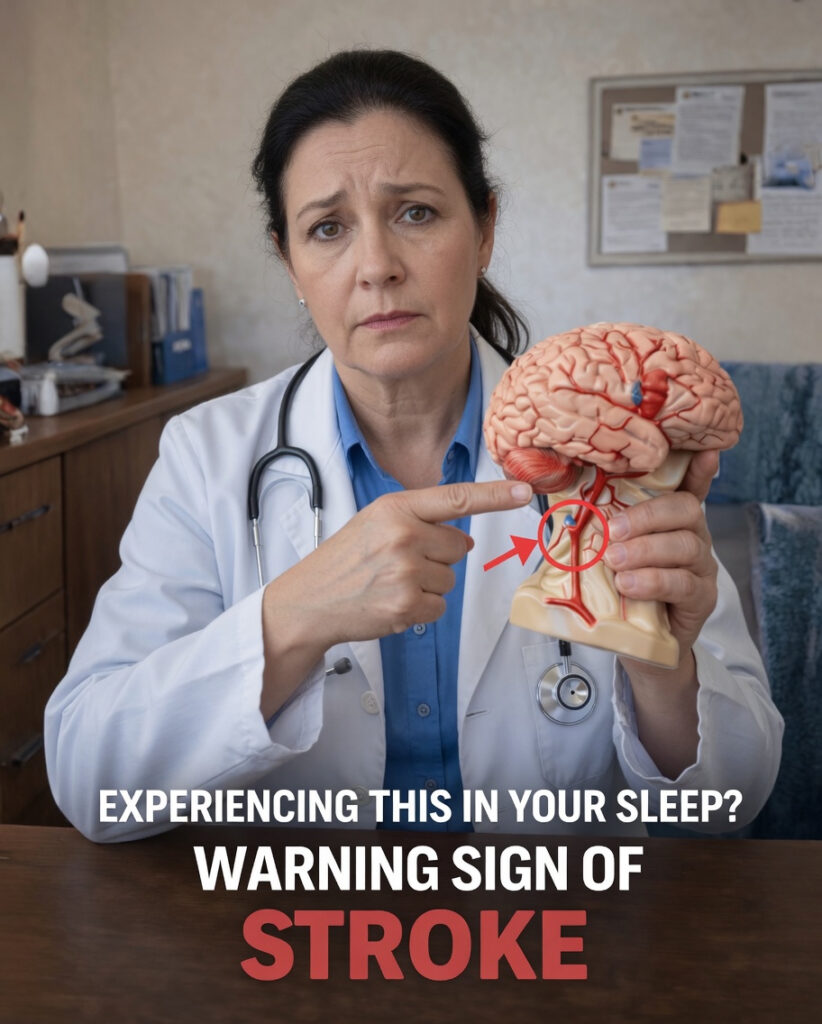
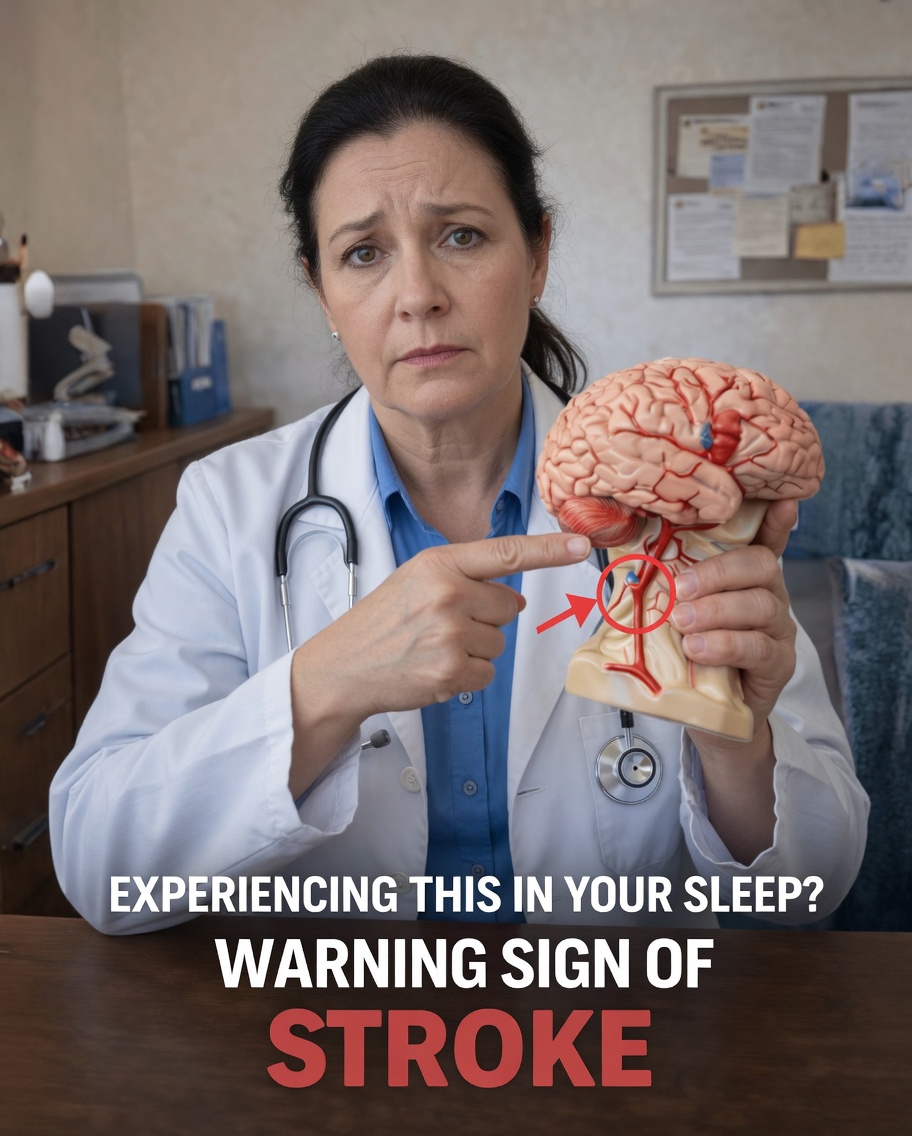
In medical diagrams showing the arteries at the base of the brain, certain areas are often emphasized to explain how important the blood vessels in the neck and head are. Those highlighted regions usually represent places where blood flow may be restricted or placed under stress, which is exactly what doctors evaluate when discussing circulation-related risks.
How Sleep Can Conceal Early Warning Signs
Sleep is meant to restore the body, but it can also delay your awareness of subtle symptoms. Because your body is less alert at night, mild numbness, weakness, or other changes may go unnoticed until morning. Some studies indicate that as many as 25% of strokes occur during sleep, which is why the term wake-up stroke is used in medical settings. The difficulty is that by the time symptoms are recognized, the opportunity for the fastest treatment may be smaller than if the same signs had appeared while you were awake.
That said, awareness still gives you power. The goal is not to panic, but to understand what seems normal and what should prompt medical attention.
Sleep-Related Symptoms Experts Say Deserve Attention
Here are several warning signs that may appear during the night or right after waking. These are general health indicators, and only a qualified medical professional can determine what they mean in your specific case:
- Numbness on one side of the face or a slight facial droop you notice while washing up
- Weakness or heaviness in one arm or leg, especially if gripping or lifting feels harder than usual
- Difficulty speaking clearly when trying to say a simple phrase in the morning
- Sudden dizziness or poor balance when sitting up or standing
- A severe headache that feels very different from your normal headaches, especially if it wakes you from sleep
These signs match the widely known FAST guidance from the American Stroke Association:
- Face drooping
- Arm weakness
- Speech difficulty
- Time to get help
When symptoms appear after sleep, the “Time” part becomes even more critical.
Sleep Habits That May Affect Brain Circulation
Nighttime brain circulation is not purely random. Certain daily and sleep-related habits may influence how effectively blood moves through the body while you rest. Experts often point to the following factors:
- Obstructive sleep apnea: Repeated pauses in breathing can increase blood pressure and put long-term strain on blood vessels.
- Sleeping flat on the back for extended periods: In some people, this position may influence blood flow through the neck arteries.
- Poor sleep quality: Stress, irregular sleep, and screen exposure before bed can keep blood pressure higher at night when it would normally decrease.
The good news is that even modest routine changes may support healthier circulation while you sleep.
Simple Steps You Can Start Tonight
You do not need complicated tools to begin supporting better overnight brain health. Sleep and neurology specialists often recommend these practical habits:
- Raise the head of your bed slightly, around 30 degrees, if your doctor says it is appropriate for you
- Go to bed and wake up at consistent times every day, including weekends
- Avoid heavy meals and alcohol close to bedtime, since both can influence overnight blood pressure
- Use a brief relaxation method, such as five minutes of deep breathing, to reduce tension and help the body settle
- Keep a basic sleep journal and record any unusual morning symptoms to discuss during your next medical visit
These strategies are not guarantees, but they are sensible ways to improve awareness and create better sleeping conditions.
Daytime Habits Also Matter
What you do during the day plays a major role in circulation as well. Regular physical activity, staying well hydrated, and keeping daily stress under control all help support healthy blood flow. Many people also find that a short walk in the evening helps them relax and sleep better.

The Overlooked Connection Between Sleep and Brain Health
Sleep does more than help you feel rested. It gives the brain a chance to reset, clear waste, and support repair processes. When sleep quality is strong, blood vessels may be better able to remain flexible and function properly. On the other hand, ongoing sleep disruption can gradually place more strain on the body. That is why health experts increasingly view sleep as an essential part of long-term brain wellness.
When You Should Seek Medical Advice
If you experience any of the warning signs listed above, even a single time, do not wait to see whether they return. Contact your doctor or go to urgent care immediately. Fast action is one of the most important factors in responding to serious brain-related events. A healthcare professional can perform straightforward evaluations and explain the next steps based on your situation.
Quick Guide: Normal Sleep Discomfort or Something More Serious?
Use the comparison below as a general awareness tool, not as a way to diagnose yourself.
| Situation | Common Morning Explanation | When to Contact a Doctor |
|---|---|---|
| Tingling in the arm | Improves within minutes after moving or changing position | Lasts more than 10 minutes or affects only one side |
| Stiff feeling in the face | Temporary pressure from sleeping awkwardly | One side visibly droops when you smile |
| Headache after waking | Mild and improves with water or breakfast | Sudden, intense, or paired with vision changes |
| Slow speech | Typical grogginess or “morning voice” | Slurred words or trouble finding words |
Why Paying Attention Matters
People today want to stay active, independent, and mentally sharp for as long as possible. One simple way to protect that goal is to notice how you feel when you wake up. This is not about living in fear. It is about staying informed and giving yourself the best chance to maintain health and quality of life.
Frequently Asked Questions
1. Can one unusual night really signal something serious?
Usually, a single bad night of sleep is harmless. However, if symptoms such as one-sided weakness, facial changes, or trouble speaking appear or continue for more than a few minutes, you should speak with a doctor as soon as possible.
2. Is snoring always a concern for brain health?
Not necessarily. But loud, frequent snoring combined with pauses in breathing may be linked to higher blood pressure over time. A sleep study can help determine whether treatment or monitoring is needed.
3. What if I live alone and worry about missing signs during the night?
You may benefit from a simple morning self-check, such as smiling in the mirror, lifting both arms, and saying a short sentence out loud. Some people also use wearable devices to track basic sleep patterns. If you are concerned, talk to your doctor about personalized ways to monitor symptoms.
Final Thought
Small actions taken today can help you feel more prepared tomorrow. Your brain works continuously, even while you sleep. Giving it proper attention is one of the smartest and most caring things you can do for yourself and for the people who depend on you.