Nighttime Leg Symptoms: What They May Reveal About Circulation and Brain Health
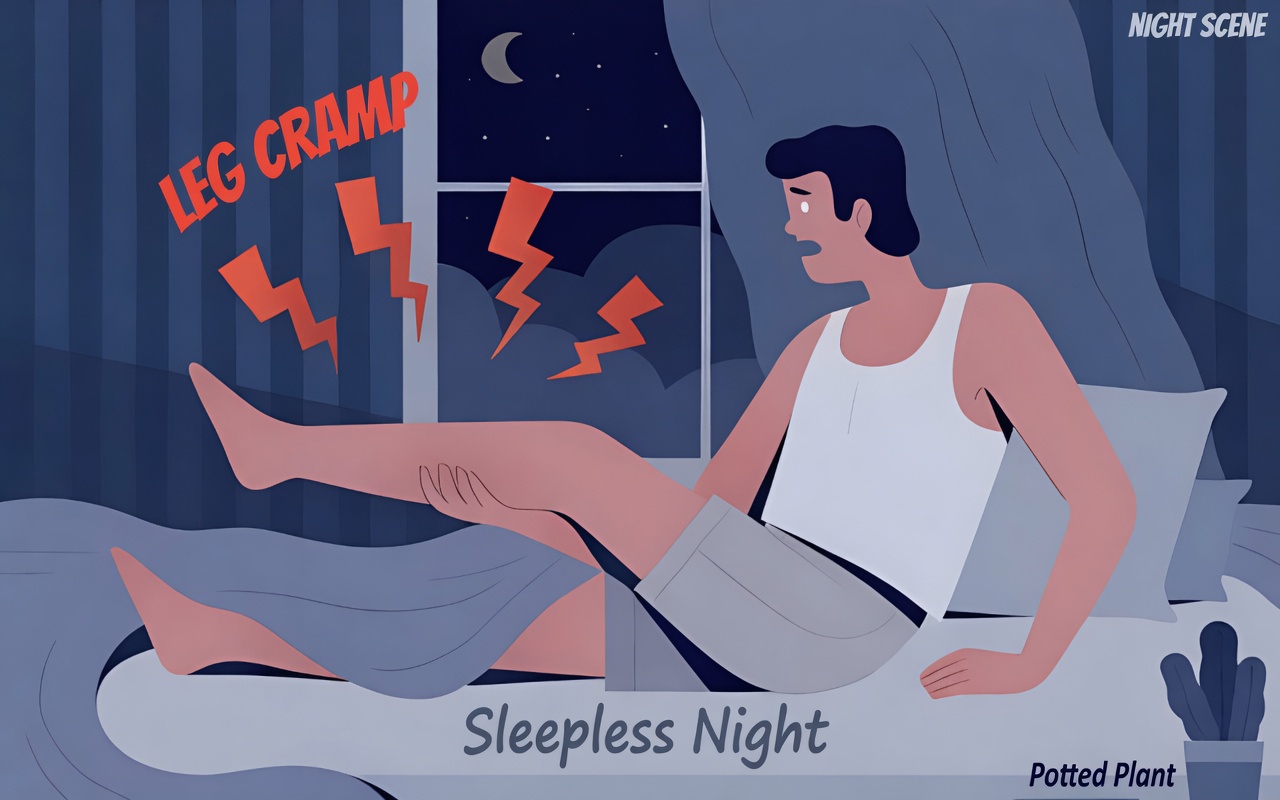
Many people wake up during the night with tingling, cramping, or an odd tightness in their legs and dismiss it as nothing more than a small annoyance. Even though these episodes may seem harmless, they can interrupt sleep, reduce energy the next day, and sometimes point to problems related to circulation.
When these warning signs keep happening, overlooking them may delay the chance to identify health issues early—before they progress.
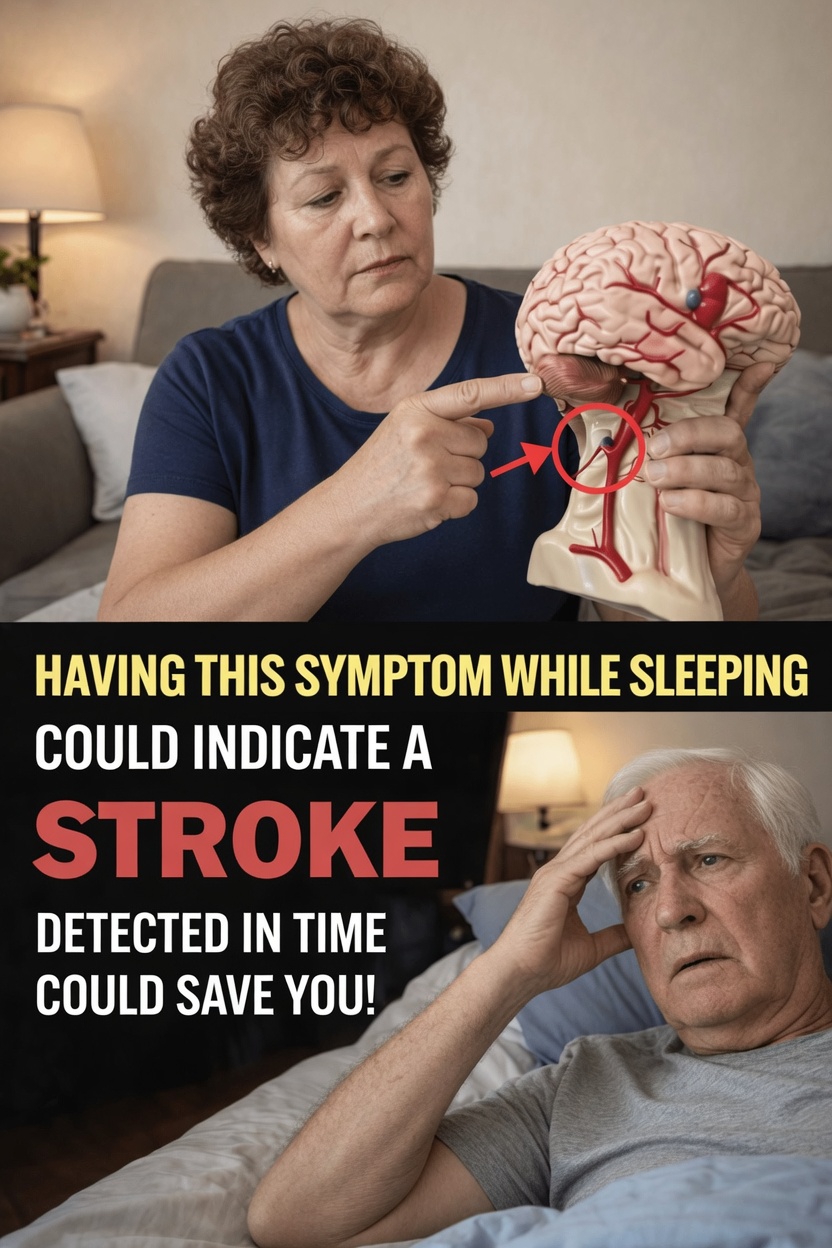
What makes this especially important is that certain leg symptoms that appear at night have drawn attention from medical experts because of their possible connection to vascular health and stroke-related risk factors.
Why Nighttime Leg Symptoms Happen
Leg discomfort during the night can take several forms, including cramps, numbness, tingling, or a pins-and-needles sensation. These issues often show up while you are lying down, trying to fall asleep, or during deeper stages of sleep.
In some cases, the cause is fairly simple, such as muscle strain, dehydration, or fatigue from the day. In other situations, the problem may be linked to blood flow. When circulation is not working efficiently, the legs may not get enough oxygen and nutrients, especially during long periods of stillness like sleeping.
That said, circulation is only part of the story. These symptoms can also reflect broader health concerns that influence both cardiovascular and brain health.
The Link Between Nighttime Leg Symptoms and Stroke Risk Factors
Medical research has shown that blood vessel issues in one part of the body can sometimes reflect similar risks elsewhere, including the brain. Groups such as the American Heart Association note that conditions affecting circulation in the limbs may share the same underlying risk factors as those associated with stroke.
Examples include:
- High blood pressure
- Diabetes
- Artery plaque buildup
- Poor overall vascular health
A leg cramp at night does not mean a stroke is about to happen. However, repeated leg symptoms may be a reason to look more closely at your circulation and general health profile.
This is the part many people do not expect: unusual sensations in the legs or other limbs while resting may serve as an early reminder to speak with a healthcare provider about heart health, blood vessels, and stroke prevention.
Nighttime Leg Symptoms You Should Pay Attention To
If the following symptoms happen often while falling asleep or during the night, it may be worth bringing them up with a medical professional:
- Unexplained cramps or charley horses in the calves or feet
- Ongoing numbness or tingling that does not quickly improve with movement
- Swelling in one or both legs without a clear reason
- A heavy, weak, or sluggish feeling in the legs when you wake up
- Restless sensations that make it difficult to stay still
Any one of these symptoms may have a harmless explanation. Still, when they happen regularly, they deserve attention rather than being ignored.
How Poor Sleep Can Affect Brain and Vascular Health
Sleep quality matters for much more than avoiding daytime fatigue. Inadequate or disrupted sleep can affect:
- Blood pressure
- Inflammation
- Hormone regulation
- Long-term cardiovascular function
Research also suggests that sleep apnea—repeated pauses in breathing during sleep—is associated with a greater risk of stroke. If nighttime leg discomfort occurs along with loud snoring, frequent waking, or excessive daytime sleepiness, the need for evaluation becomes even more important.
The encouraging part is that many of these risk factors can be improved with lifestyle changes and early medical guidance.

Practical Ways to Improve Circulation and Sleep
You do not need to wait until symptoms become severe to start making supportive changes. These habits may help improve blood flow and reduce nighttime discomfort:
-
Stay physically active
- Walking, stretching, and light exercise can support circulation and ease leg discomfort.
-
Eat for vascular health
- Cut back on excess sodium and include more fruits, vegetables, and omega-3-rich foods.
-
Keep a regular sleep routine
- Going to bed and waking up at similar times helps your body maintain a healthy rhythm.
-
Raise your legs before bed
- Elevating the legs for a short time may help encourage better circulation.
-
Drink enough water
- Dehydration can contribute to cramping, so hydration matters throughout the day.
-
Reduce stress
- Relaxation techniques such as deep breathing, gentle stretching, or a calming bedtime routine may help lower nighttime tension and support healthier blood pressure.
Small daily improvements can add up over time and may benefit both sleep quality and vascular health.
When to See a Doctor
Recurring nighttime leg symptoms should not always be brushed aside. Seek medical advice if the symptoms are:
- New or unusual for you
- Severe or worsening
- Happening with headaches, dizziness, or vision changes
- Accompanied by other signs of poor circulation or sleep problems
A medical evaluation may include blood pressure checks, cholesterol testing, blood sugar screening, or discussion of a sleep study if sleep apnea is suspected. Talking with a doctor early can help identify risk factors before they become more serious.
Frequently Asked Questions
Do leg cramps at night mean a stroke is coming?
No. Nighttime leg cramps can happen for many reasons, including dehydration, muscle overuse, or nutrient imbalances. However, if they happen often, they may be a useful reason to review your overall health with a healthcare professional.
Can better sleep habits lower stroke-related risk?
Yes. Consistent, good-quality sleep can support healthier blood pressure, reduce inflammation, and improve overall cardiovascular health. Combined with other healthy habits, better sleep can be an important part of prevention.
What are the main warning signs of stroke?
Use the word FAST:
- Face drooping
- Arm weakness
- Speech difficulty
- Time to call emergency services
Sudden stroke symptoms require immediate medical attention.
Final Thoughts
What your body does during rest can offer valuable clues about your health. Nighttime leg symptoms do not automatically signal a major medical problem, but persistent discomfort should not be ignored either. Paying attention to these changes can help you act early, make healthier choices, and seek care when necessary.
Better sleep and better circulation habits today may help support a healthier future.
Disclaimer: This article is intended for educational purposes only and is not medical advice. The information is based on general research and knowledge. Always speak with a qualified healthcare provider for personalized guidance about symptoms or health concerns. Early evaluation and professional care are essential for managing potential health issues effectively.