High Creatinine and Dietary Fats: Smarter Choices for Kidney-Friendly Eating
High creatinine levels can be worrying, especially when it seems like your kidneys may be working harder than usual to remove waste from the blood. That concern often makes people question every meal and snack, wondering whether small food choices could make the situation worse. Living with that kind of uncertainty can be draining.
The good news is that practical, well-informed decisions about the fats you eat every day can support a more kidney-friendly lifestyle. One of the most effective changes is also one of the simplest: choosing better types of fat instead of just trying to avoid fat altogether.
Why Fat Choices Matter More Than Most People Realize
Fat is not something your body can do without. It plays an important role in providing energy, supporting hormone function, and helping the body absorb vitamins such as A, D, E, and K.
What matters most is the kind of fat you eat.
Different fats can affect inflammation, cholesterol, and blood pressure, all of which are closely linked to kidney health. According to guidance from organizations such as the National Kidney Foundation, replacing saturated and trans fats with unsaturated fats may benefit heart health, which also helps protect kidney function.
When the kidneys are already under added pressure, eating patterns that promote inflammation or harm cardiovascular health may place even more strain on the body. That is why the goal should not simply be eating less fat, but choosing fats that are more supportive overall.
A Simple Guide to the Main Types of Fat
Before looking at specific food options, it helps to understand the basic difference between the major types of dietary fat.
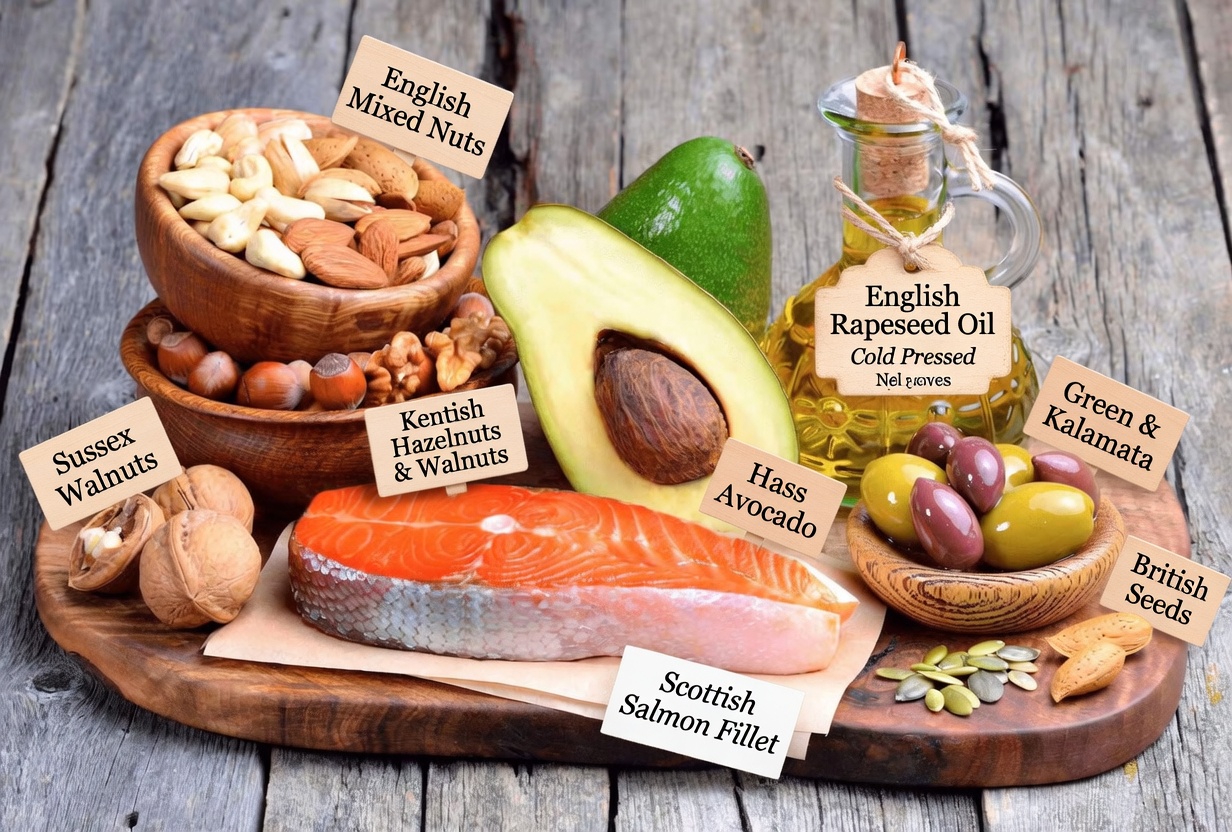
Unsaturated Fats: Often the Better Choice
Unsaturated fats include:
- Monounsaturated fats
- Polyunsaturated fats
These fats are commonly found in:
- Plant-based oils
- Nuts and seeds
- Avocados
- Certain types of fish
They are often associated with improved heart health and better cholesterol balance.
Saturated and Trans Fats: Best Limited
These fats are more often found in:
- Fatty animal products
- Butter and lard
- Some tropical oils
- Packaged and highly processed foods
A high intake has been linked to greater cardiovascular risk, which may also affect kidney health over time.
The main takeaway is simple: you do not need to eliminate fat from your diet. You need to choose better sources more often.
4 Fats That Support a Kidney-Friendly Eating Pattern
These options are widely viewed as better choices because of their nutrient profile and their role in balanced eating habits.
1. Olive Oil
Olive oil is rich in monounsaturated fat and also contains beneficial antioxidants.
It can be used in many easy ways:
- Drizzled over cooked vegetables
- Added to salads
- Used for light sautéing
- Mixed into simple dressings
Research suggests olive oil may help support healthier inflammation levels while fitting well into heart-conscious eating patterns. One of its biggest advantages is how easy it is to use every day without making major changes to your routine.
2. Canola Oil
Canola oil offers a mix of monounsaturated and polyunsaturated fats, making it a practical option for everyday cooking.
Its mild taste works well for:
- Roasting
- Baking
- Stir-cooking
- General meal prep
Because of its balanced fat profile, it is often included in dietary approaches that aim to support healthy cholesterol levels.
3. Avocado in Reasonable Portions
Avocados provide healthy fats, fiber, and several important nutrients. They can make meals more filling and add creaminess without depending on heavily processed spreads or sauces.
Still, portion size matters. Avocados also contain potassium, so smaller servings may be a better fit for many people who are trying to follow kidney-conscious eating habits.
4. Fatty Fish Such as Salmon
Salmon and other oily fish are valuable sources of omega-3 fatty acids.
These fats have been studied for their potential role in:
- Supporting cardiovascular health
- Helping manage inflammation
- Contributing to better overall dietary balance
For the best results, prepare fish by baking or grilling rather than frying. Even including fatty fish once or twice a week can be a meaningful improvement in a balanced meal plan.
4 Fats to Limit More Carefully
Some fats are better used less often, especially when the goal is to support both kidney and heart health.
1. Butter and Lard
Butter and lard are high in saturated fat from animal sources.
Using them often may contribute to higher cholesterol levels over time, which can indirectly affect both the cardiovascular system and the kidneys.
2. Coconut Oil and Palm Oil
Although these oils come from plants, they contain a relatively high amount of saturated fat.
That does not mean they must be completely avoided, but many nutrition experts recommend using them in moderation and choosing oils higher in unsaturated fats more frequently.
3. Trans Fats in Processed Foods
Trans fats are often found in:
- Packaged snacks
- Commercial baked goods
- Certain margarines
- Highly processed convenience foods
They provide very little nutritional value and are widely associated with negative effects on heart health.
4. Too Many Fried Foods
Foods cooked in heavily heated or repeatedly reused oil may promote inflammation.
This concern can be even greater when oils rich in omega-6 fatty acids are overheated again and again. The issue is not just the fat itself, but also how it is prepared.
The bottom line is not strict avoidance. It is being aware of how often and how much you consume.
Quick Comparison: Better Fats vs. Fats to Watch
More Supportive Choices
- Olive oil: high in monounsaturated fat and antioxidants
- Canola oil: balanced fat profile for daily cooking
- Avocado: nutrient-rich source of healthy fat when portioned carefully
- Salmon and other omega-3 fish: support heart health and inflammation balance
Fats to Limit
- Butter and lard: higher in saturated fat
- Coconut oil and palm oil: plant-based, but still high in saturated fat
- Processed trans fats: strongly discouraged and low in nutritional value
- Over-fried foods: may contribute to inflammatory stress
This side-by-side view can make it easier to make simple kitchen swaps.
Practical Changes You Can Start Right Away
Improving your eating habits does not have to be complicated. Small actions done consistently are often the most effective.
Start with these steps
-
Check what is already in your kitchen
- Look at the oils, spreads, and cooking fats you use most often.
- If possible, replace butter with olive oil in meals where it works well.
-
Change one cooking method
- Instead of deep-frying, try roasting vegetables with canola oil.
-
Add healthier fat sources gradually
- Include salmon or another fatty fish once or twice each week.
-
Watch your portions
- Even healthier fats are calorie-dense.
- A general target of one to two tablespoons per meal can be a useful guide.
-
Read ingredient labels
- Packaged foods may contain hidden trans fats or other less helpful oils.
-
Support your diet with other healthy habits
- Stay hydrated.
- Include light physical activity when appropriate.
- Focus on a steady routine rather than extreme short-term dieting.
The truth is that gradual, repeatable changes usually work better than drastic restrictions.

The Often-Missed Link Between Heart Health and Kidney Health
One important point is often overlooked: the kidneys and the heart are closely connected.
When you choose fats that support healthier blood vessels and cardiovascular function, you are also helping reduce the overall burden on the kidneys. Ongoing research continues to show that inflammation and vascular health can influence long-term kidney outcomes.
So replacing butter with olive oil is not just a small cooking adjustment. It is a step that supports a much larger system in the body.
Final Thoughts
Managing high creatinine can feel stressful, but it does not mean you have to give up enjoyable food. A more supportive eating pattern often starts with paying attention to the kinds of fats you include in your meals.
Choose whole, minimally processed foods when possible. Make gradual improvements. Stay consistent.
It is not about eating perfectly. It is about making better choices more often.
Frequently Asked Questions
Can changing the fats I eat directly lower creatinine?
No single food or fat is likely to reduce creatinine levels quickly on its own. However, a balanced eating pattern that emphasizes healthier fats may support kidney-friendly living and help reduce related risk factors.
Are all plant-based fats healthier?
Not necessarily. Many plant-based fats are beneficial, but some, such as coconut oil and palm oil, are still high in saturated fat and should be used in moderation.
How much fat should I eat each day?
General recommendations often suggest that fat should provide about 20% to 35% of daily calories, with an emphasis on unsaturated fats. For personalized guidance, it is best to speak with a healthcare professional or registered dietitian.
Disclaimer
This article is intended for informational purposes only and is not a substitute for professional medical advice. If you have concerns about kidney function or creatinine levels, speak with a qualified healthcare provider or registered dietitian before making dietary changes.