Creatinine Dropped From 7.1 to 0.9 in Two Days: What It Could Mean
Watching your creatinine level fall from 7.1 mg/dL to 0.9 mg/dL in only 48 hours can feel both reassuring and puzzling. Because elevated creatinine often points to impaired kidney filtration, such a dramatic change naturally leads to questions about whether the kidneys are truly recovering or whether another factor is affecting the result.
A drop this large over such a short period is not the usual pattern of gradual kidney improvement. Rather than assuming everything has suddenly normalized, it is important to look at the possible reasons carefully and discuss the change with a healthcare professional.
Just as importantly, many people also wonder how daily habits—especially dietary fat choices—can help protect kidney health over time. The answer is not about quick fixes, but about making practical food decisions that support both the kidneys and the heart.
What a Sudden Creatinine Drop May Indicate
For most adults, normal creatinine levels are typically around 0.6 to 1.2 mg/dL. A result of 7.1 mg/dL is considered very high and usually suggests that the kidneys are not filtering waste efficiently. Seeing that number fall to 0.9 mg/dL within two days is highly unusual.
In most cases, kidneys under significant stress do not fully recover that fast on their own. When creatinine changes so quickly, the explanation is often linked to something other than instant kidney healing.
Common Reasons for a Rapid Creatinine Change
Clinical experience and research suggest that sudden shifts in creatinine can happen for several reasons, including:
-
Medical treatment or intervention
- IV fluids
- treatment of dehydration
- relief of a temporary urinary blockage
- other hospital-based care
-
Changes in hydration status
- Severe dehydration can concentrate the blood and artificially increase creatinine readings.
- Rehydration may lower the number relatively quickly.
-
Testing differences
- Lab methods may vary slightly.
- Timing of the blood draw can affect results.
- Repeat testing may produce a different reading.
-
Other health-related factors
- muscle mass changes
- temporary illness
- conditions that alter waste production or fluid balance
The most important point is simple: a creatinine change this large should always be reviewed promptly by your doctor or nephrologist. It may reflect improvement, but it may also signal that the first value, the second value, or the circumstances around both need closer evaluation.
Why Fat Choices Matter for Kidney Health
The kidneys help maintain fluid, electrolyte, and metabolic balance every day. Although fat intake does not directly “fix” creatinine overnight, the kinds of fats you eat can influence inflammation, cholesterol levels, and cardiovascular health.
This matters because heart health and kidney health are closely connected. When you choose more supportive fats, you may help reduce strain on the cardiovascular system without adding unnecessary nutritional burdens.
Kidney-focused nutrition guidance from organizations such as the National Kidney Foundation and NIDDK often emphasizes fats that support the heart, especially unsaturated fats.
The good news is that these changes do not have to be extreme. Small, steady improvements in your meals can make a meaningful difference over time.
4 Better Fat Choices for a Kidney-Friendly Eating Pattern
Using healthy fats in moderation can fit well into a kidney-conscious routine. Below are four widely recommended options.
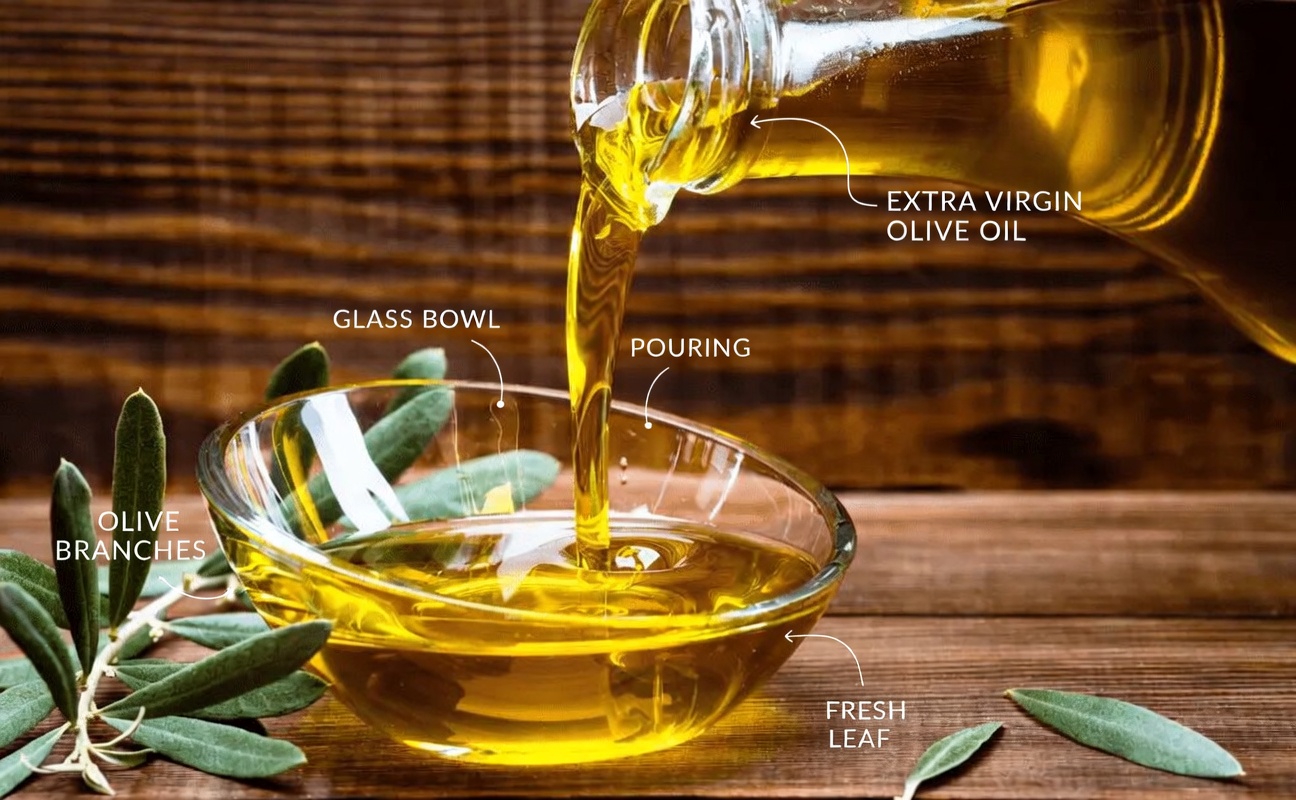
1. Olive Oil
Olive oil is rich in monounsaturated fat, especially oleic acid, and also contains antioxidant compounds.
Why it may help:
- supports heart health
- may help lower inflammation
- lower in saturated fat than butter or lard
- generally kidney-friendly in phosphorus-conscious meal planning
Easy ways to use it:
- sauté vegetables
- make salad dressings
- drizzle over cooked dishes
2. Canola Oil
Canola oil offers a balanced mix of monounsaturated and polyunsaturated fats, including a modest amount of omega-3 fat.
Why it may help:
- can support healthier cholesterol levels
- neutral flavor makes it versatile
- useful for higher-heat cooking
Good uses:
- baking
- stir-frying
- light pan-cooking
3. Fatty Fish Such as Salmon or Mackerel
Fish like salmon and mackerel provide omega-3 fats, including EPA and DHA.
Potential benefits:
- may help reduce inflammation
- supports cardiovascular health
- may indirectly benefit kidney wellness by protecting the heart
Suggested approach:
- aim for 2 to 3 ounces
- enjoy 1 to 2 times per week
- choose baked or grilled preparations when possible
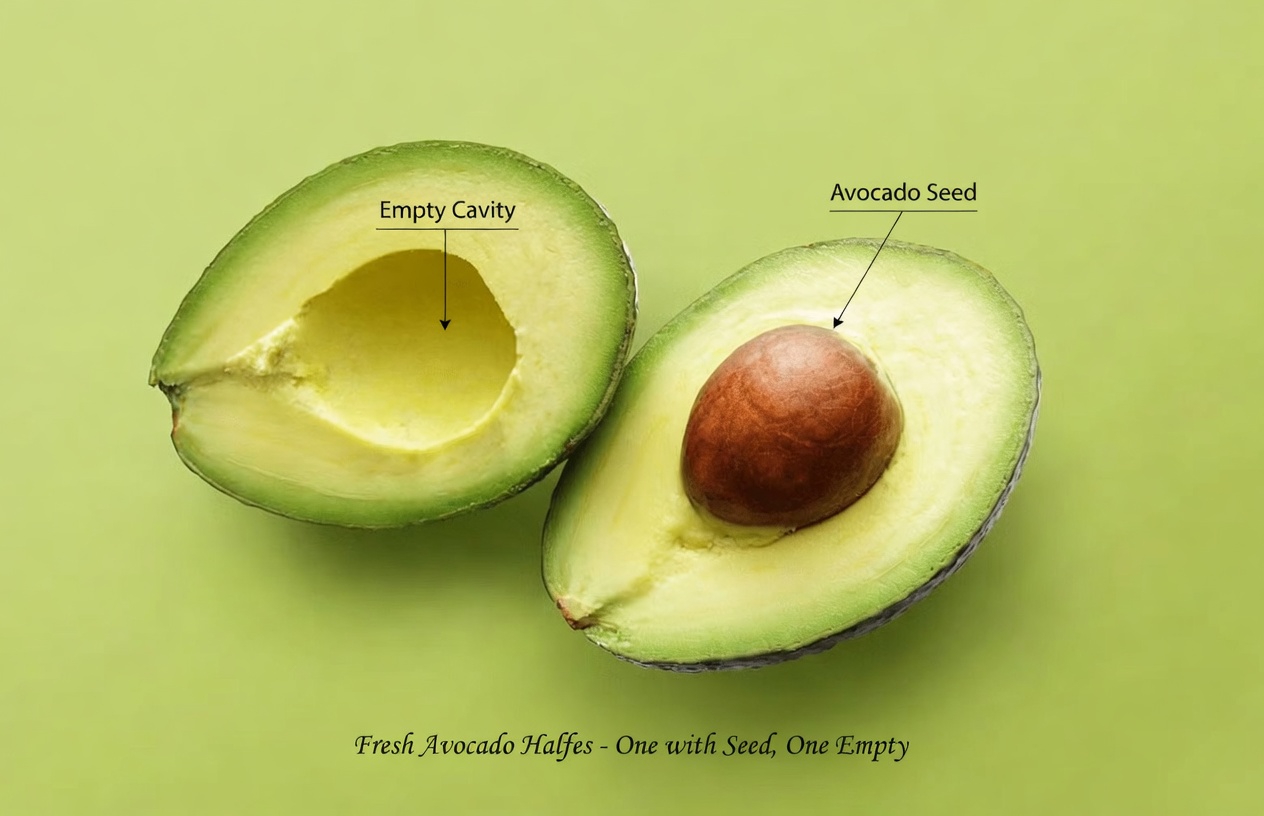
4. Avocado
Avocado is mostly made up of monounsaturated fat and also provides fiber and vitamin E.
Why people like it:
- creamy texture
- satisfying healthy fat source
- can replace less healthy spreads or toppings
Important note:
- If you need to limit potassium, portions matter.
- A serving such as 1/4 to 1/2 avocado may work for some people, but individual guidance is best.
These options are consistent with guidance often referenced by kidney nutrition resources, including DaVita and the National Kidney Foundation.
4 Fats to Limit or Avoid When Supporting Kidney and Heart Health
Some fats may work against your goals, especially if you are also managing blood pressure, cholesterol, or chronic kidney disease.
1. Trans Fats
These are often found in foods made with partially hydrogenated oils, including some:
- packaged baked goods
- fried foods
- certain margarines
- processed snack items
Why to avoid them:
- raise LDL (“bad”) cholesterol
- lower HDL (“good”) cholesterol
- increase cardiovascular risk
- may worsen outcomes in people with CKD
2. Saturated Fats From Animal Sources
Examples include:
- butter
- lard
- fatty cuts of red meat
- full-fat dairy products
Why to limit them:
- can increase LDL cholesterol
- may contribute to inflammation
- may not be ideal when heart and kidney concerns overlap
3. Tropical Oils High in Saturated Fat
Although plant-based, coconut oil and palm oil are still high in saturated fat.
Why caution is needed:
- can raise cholesterol levels
- may be less suitable for people at higher cardiovascular or kidney risk
4. Fried and Highly Processed Fats
Common sources include:
- fast food
- packaged snacks
- heavily processed meals
Why they are problematic:
- often combine unhealthy fats with excess sodium
- may also contain added phosphorus
- can increase blood pressure and kidney workload
Healthy Fats vs. Risky Fats at a Glance
Better Choices
- olive oil
- canola oil
- salmon or mackerel
- avocado
Why they help:
- support heart health
- may reduce inflammation
- fit better into kidney-conscious meal planning
Less Supportive Choices
- trans fats
- fried foods
- butter and lard
- coconut oil and palm oil
Why to limit them:
- may worsen cholesterol
- can add cardiovascular strain
- often come with extra sodium or processed ingredients
Simple Ways to Make Better Fat Swaps Every Day
If you want to start improving your meals right away, try these practical changes:
- Replace butter or lard with olive oil when cooking vegetables or protein.
- Use canola oil instead of coconut or palm oil for baking and stir-frying.
- Add a small baked salmon portion to your meals once or twice each week.
- Spread a small amount of avocado on toast or mix it into a salad for creaminess.
These adjustments are manageable, and over time they can become routine. The key is to swap less healthy fats for better ones, not simply add more fat overall.
Keep in mind that fats are calorie-dense, so portion control still matters.
Personalization Matters
Even healthy foods are not one-size-fits-all for kidney disease. Your ideal diet depends on factors such as:
- CKD stage
- potassium levels
- phosphorus levels
- blood pressure
- cholesterol
- other medical conditions
That is why any dietary change should be reviewed with your doctor or renal dietitian, especially if you have abnormal labs or known kidney disease.
Key Takeaways
- A creatinine drop from 7.1 to 0.9 mg/dL in two days is unusual and should be professionally evaluated.
- Rapid changes are often linked to hydration, treatment, temporary blockage relief, or lab variation, not instant full kidney recovery.
- Choosing healthier fats may support long-term heart and kidney wellness.
- Better options include:
- olive oil
- canola oil
- fatty fish
- avocado
- Limit:
- trans fats
- saturated animal fats
- tropical oils high in saturated fat
- fried and highly processed foods
- Stay hydrated, follow balanced eating habits, and keep up with regular lab monitoring.
A fast improvement in creatinine may be encouraging, but it should only be interpreted as good news after medical confirmation.
Frequently Asked Questions
What should I do if my creatinine changes suddenly?
Contact your doctor or nephrologist as soon as possible. A major shift in creatinine needs medical interpretation to confirm the result and identify the cause.
Can healthier fats lower creatinine quickly?
Not usually. Healthy fats are more helpful for long-term support of heart and kidney health rather than causing an immediate drop in creatinine. Always discuss diet changes with your care team.
Is avocado safe for people with kidney concerns?
For many people, yes—in moderation. However, avocado contains potassium, so portion size may need to be limited if potassium control is part of your treatment plan.
Medical Disclaimer
This article is for informational purposes only and is not a substitute for professional medical advice, diagnosis, or treatment. Always consult your healthcare provider or nephrologist for guidance tailored to your personal health situation, especially if you have major lab changes or kidney-related concerns.