
Healthy Fats for Kidney Health: What Really Helps Creatinine Levels?
Facing high creatinine levels can be frightening. You may question whether your kidneys are working properly, what this means for your long‑term health, and how much your daily choices matter. Fatigue, swelling, and fear of disease progression can make it difficult to stay hopeful.
Many people turn to nutrition—especially healthy fats for kidney health—in search of gentle, natural support. But not every “healthy fat” is kidney‑friendly, and the options that truly fit a kidney‑supportive plan may surprise you.

Why Sudden Big Drops in Creatinine Are Unusual
You may have seen claims online that someone’s creatinine dropped from 7.1 to 0.9 in just 48 hours after eating certain foods or oils. While healthy fats can absolutely support heart and kidney health, changes that dramatic in such a short timeframe almost never come from diet alone.
Creatinine is a waste product that healthy kidneys filter out of the blood. Major, rapid decreases typically occur when:
- A serious, reversible issue (like severe dehydration or obstruction) resolves
- Intensive medical treatment is given in a hospital setting
- Dialysis is initiated or adjusted
Food, including healthy fats for kidney health, does not usually have such immediate, powerful effects on creatinine.
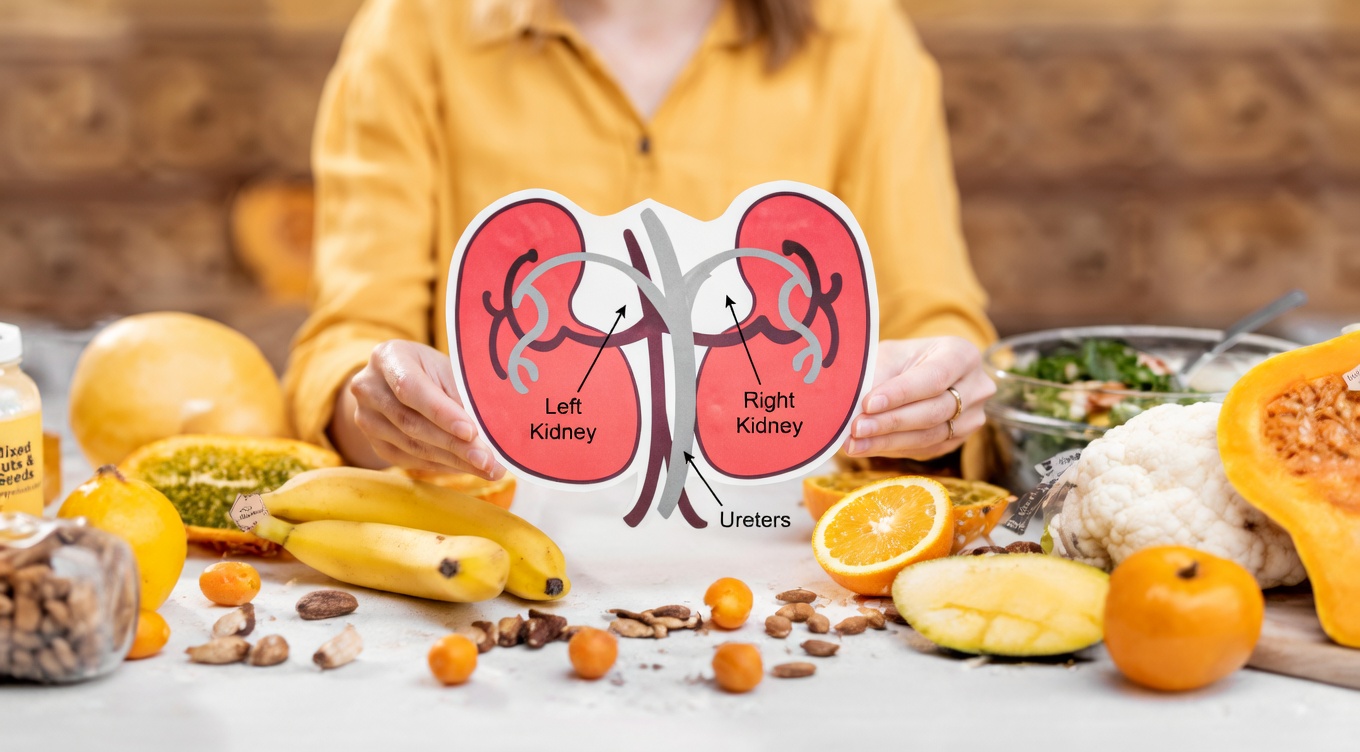
Research and clinical experience both show that creatinine tends to improve slowly, if at all, with steady, long‑term management. That might include:
- Blood pressure and blood sugar control
- Medication adjustments
- Careful fluid management
- Thoughtful nutrition, including appropriate healthy fats for kidney health
Because of this, regular monitoring and guidance from your healthcare provider are essential. Relying on “miracle foods” or fast fixes may delay the medical care you need when creatinine is significantly elevated.
Key takeaway: Healthy fats can support your kidneys and heart over time, but they are not a shortcut for rapidly lowering high creatinine levels.
4 Kidney‑Supportive Healthy Fats
The encouraging news: certain fats can help protect your cardiovascular system, which is closely tied to kidney function. Many kidney organizations highlight these options as generally safer choices when used appropriately.
1. Olive Oil
Olive oil is often considered a top choice among healthy fats for kidney health. It is rich in monounsaturated fats and natural anti‑inflammatory compounds.
Why it helps:
- Supports heart and blood vessel health
- Very low in phosphorus and potassium, so it is less likely to burden compromised kidneys
- Versatile for cooking, salad dressings, and drizzling over cooked vegetables or grains
Used regularly in place of butter or other saturated fats, olive oil can be part of a long‑term strategy to reduce inflammation and support overall kidney and heart wellness.
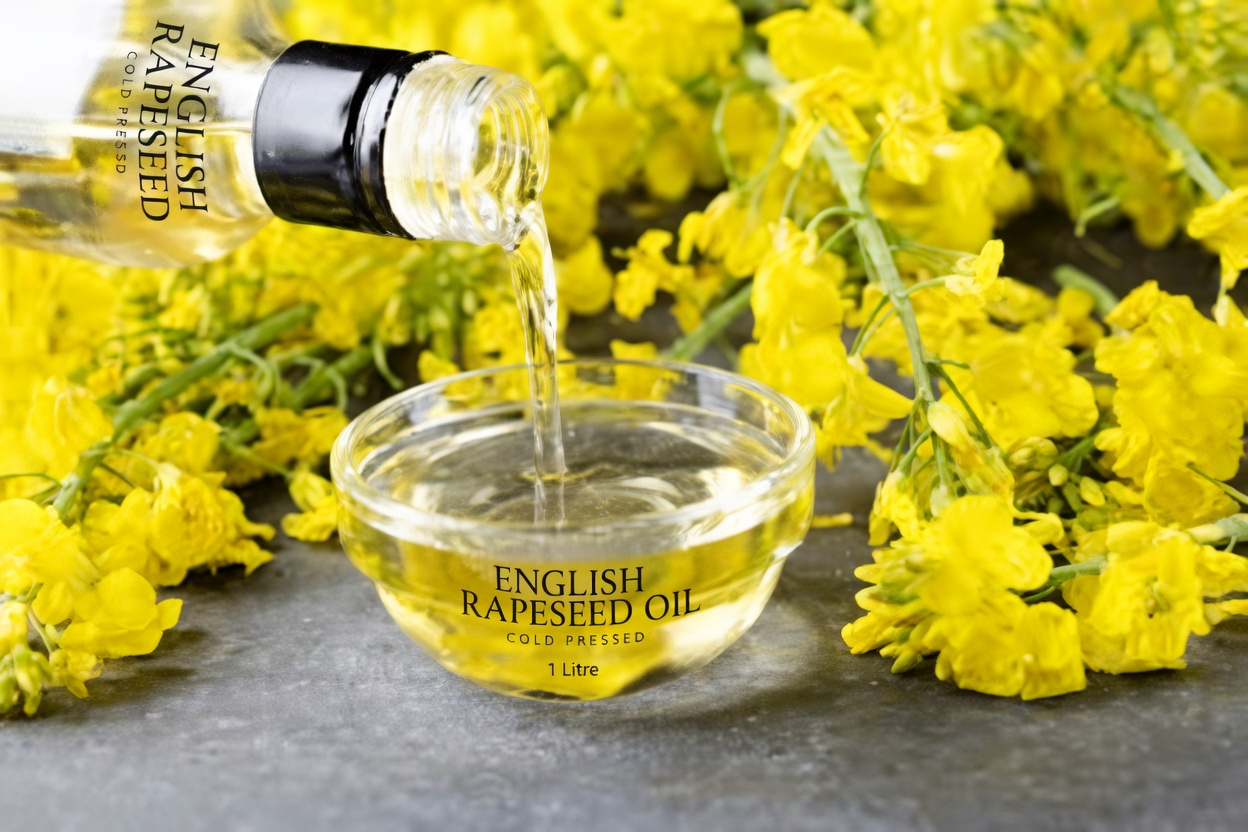
2. Canola Oil
Canola oil offers a useful mix of monounsaturated and polyunsaturated fats, with relatively low saturated fat content.
Why it helps:
- Neutral flavor: works well in baking, sautéing, and higher‑heat cooking
- Typically low in phosphorus and potassium
- Often recommended by kidney dietitians for everyday use
Incorporating canola oil gives you a simple way to include healthy fats for kidney health without drastically changing your favorite recipes.
3. Fatty Fish (Such as Salmon), in Moderation
Fatty fish like salmon, trout, or mackerel provide omega‑3 fatty acids, which are known for supporting blood vessel health and lowering inflammation.
Why it helps:
- Omega‑3s can help calm inflammation, which is relevant for kidney strain and heart disease
- May support triglyceride and blood pressure control
Points to watch:
- Fish contains protein and phosphorus, which may need to be limited in later‑stage kidney disease
- Choose low‑sodium, unbreaded preparations
- Typical guideline: about 3–4 ounces per serving, up to 2 times per week (confirm with your healthcare team)
Included carefully, fatty fish can be an important part of a kidney‑conscious eating plan with healthy fats.
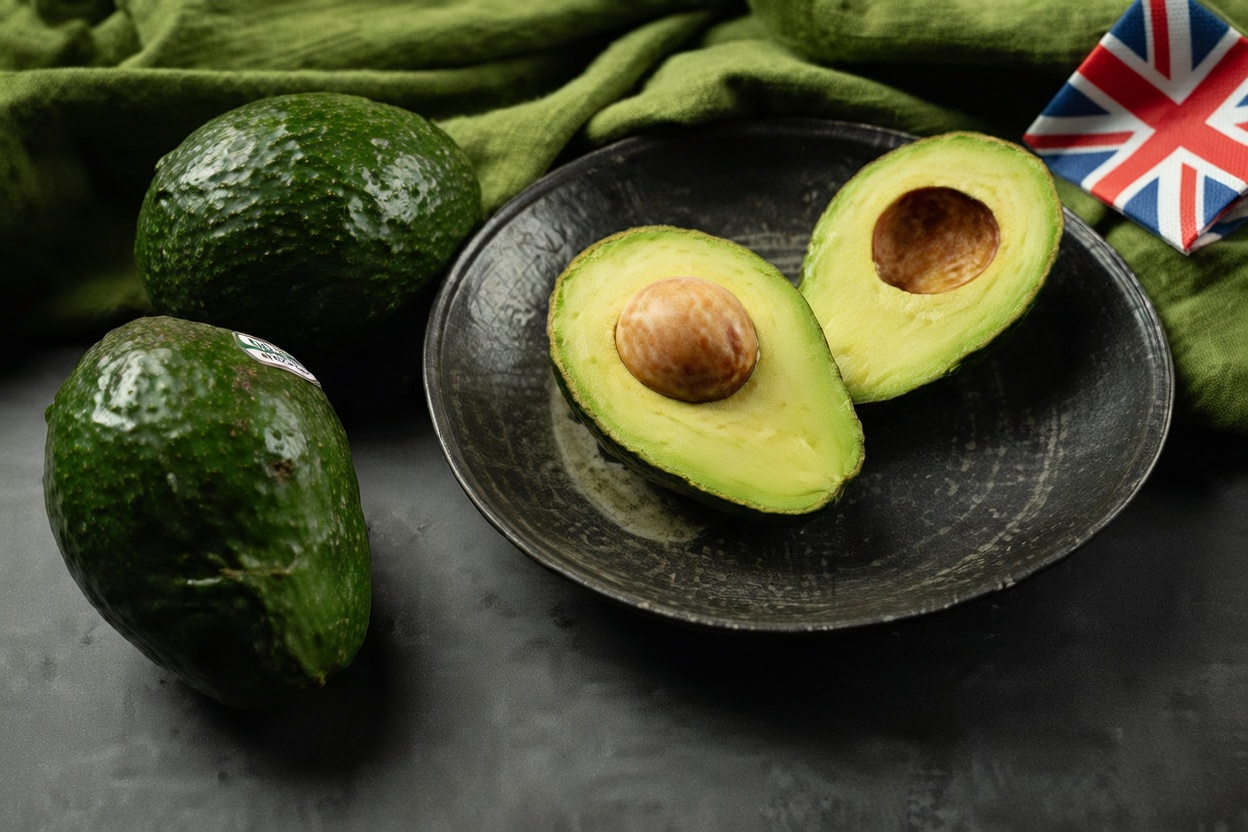
4. Avocado (In Small Portions)
Avocado is packed with monounsaturated fats and fiber, making it a nutrient‑dense food.
Why it helps:
- Provides heart‑healthy fats
- Contains fiber, which supports digestion and may help with blood sugar control
- Adds creaminess without heavy processing or additives
Points to watch:
- Avocado is relatively high in potassium
- People in early stages of kidney disease may tolerate small portions, while those with strict potassium limits may need to avoid or tightly restrict it
If your potassium levels are stable, a small portion—such as a few slices or about a quarter of an avocado—might fit into your personal plan for healthy fats for kidney health.
4 Fats and Sources That May Be Risky for Kidney Health
Not every fat labeled as “healthy” is automatically appropriate when you have kidney concerns. The type of fat, mineral content, and how it affects your heart all matter.
1. Peanuts and Peanut Oil
While peanuts contain protein and unsaturated fats, they can be problematic for some people with kidney disease.
Concerns:
- Higher in phosphorus and potassium, especially in larger amounts
- May need strict limits—or complete avoidance—in advanced kidney disease or when blood levels of these minerals are high
Peanut oil is often used in frying, which adds another layer of concern due to cooking methods and possible excess calories and inflammatory compounds.
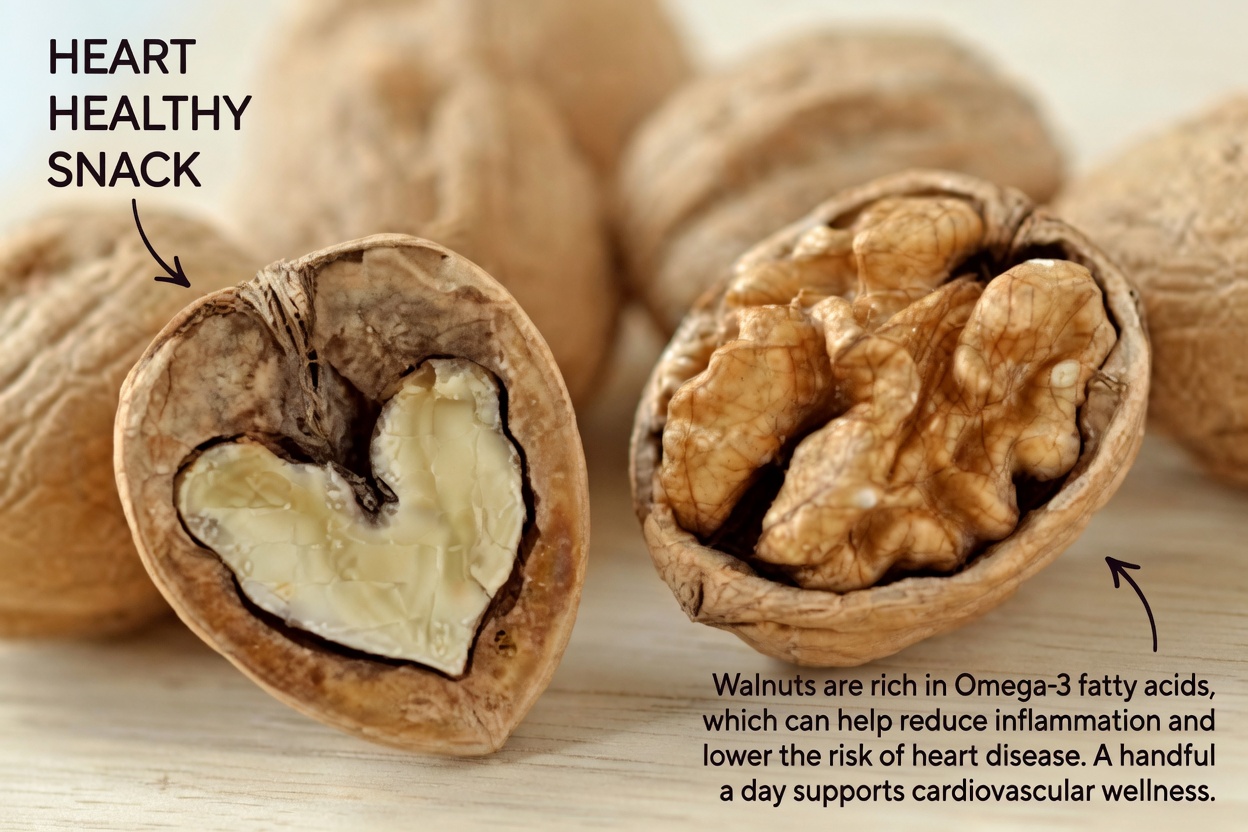
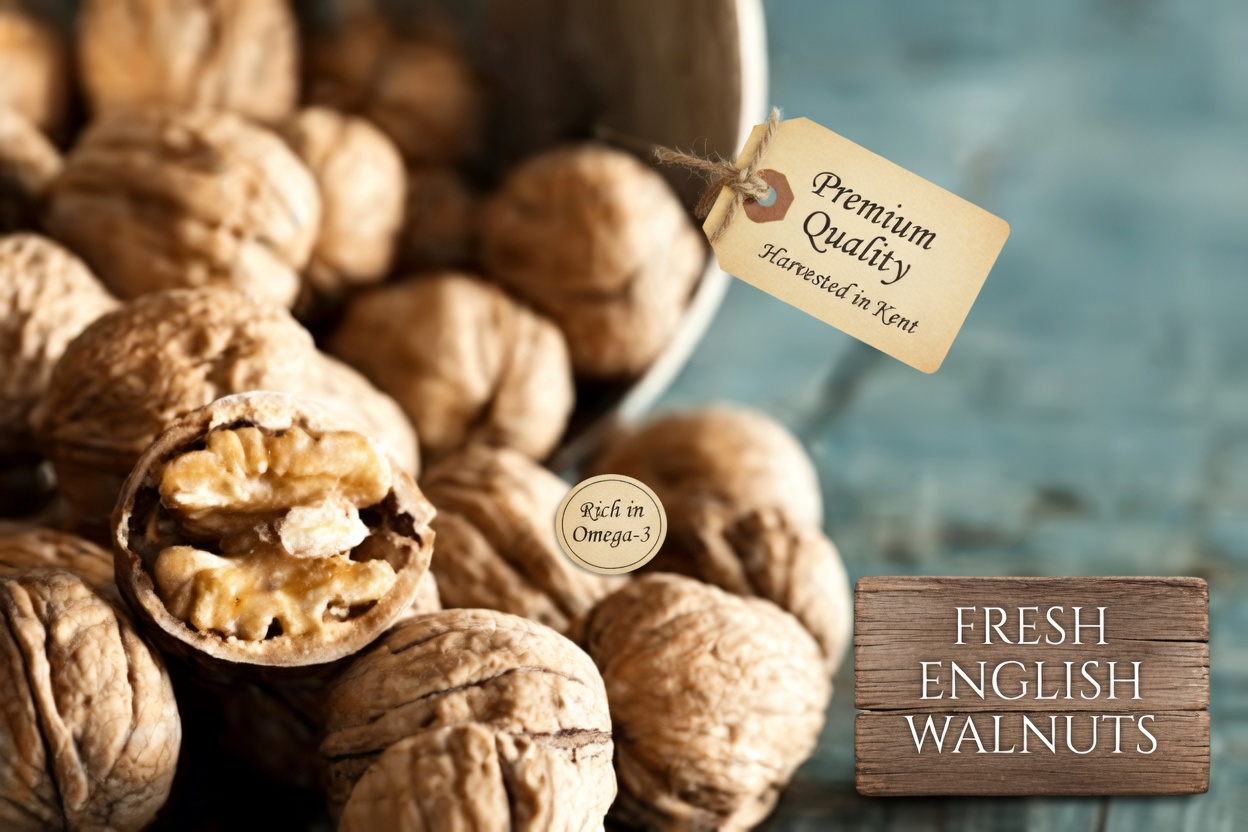
2. Walnuts
Walnuts are often praised for their plant‑based omega‑3 content, but they also contain notable phosphorus and potassium.
Concerns:
- Mineral content can contribute to elevated phosphorus and potassium levels if portions are not carefully controlled
- May be acceptable in small amounts for some people, but should be monitored
Discuss walnuts with your kidney dietitian or doctor to decide if and how they fit into your version of healthy fats for kidney health.
3. Coconut Oil
Coconut oil is popular in many “natural health” circles, yet it is high in saturated fat.
Concerns:
- Can raise LDL (“bad”) cholesterol
- Increased cholesterol and arterial stiffness add extra strain to the heart
- Because heart and kidney health are tightly connected, this extra load is not ideal
Occasional use might be fine for some, but for many people pursuing kidney‑ and heart‑protective eating patterns, there are better everyday fat choices than coconut oil.
4. Processed and Fried Fats
Fats in heavily processed foods and deep‑fried items are among the least kidney‑friendly.
Examples:
- Packaged snacks and pastries
- Fast food fries, fried chicken, and similar items
- Products high in trans fats or hydrogenated oils
Concerns:
- Promote inflammation
- Often loaded with sodium and additives
- Can worsen blood pressure, cholesterol, and overall cardiovascular stress
These do not qualify as healthy fats for kidney health and are best minimized or avoided.
Quick Comparison of Fats for Kidney Considerations

Use this overview to see how common fat sources compare in terms of benefits, risks, and general portion guidance. Always personalize with your healthcare provider or dietitian.
| Fat Source | Main Type of Fat | Key Benefits | Main Concerns | General Portion / Use Tip |
|---|---|---|---|---|
| Olive oil | Monounsaturated | Anti‑inflammatory, heart‑supportive | Few mineral issues | Use as primary cooking and salad oil |
| Canola oil | Mono & polyunsaturated | Versatile, low in saturated fat | Minimal for most people | Suitable for baking and higher‑heat cooking |
| Fatty fish (salmon) | Omega‑3 polyunsaturated | Helps reduce inflammation, supports vessels | Contains phosphorus and protein | About 3–4 oz, up to 2 times per week |
| Avocado | Monounsaturated | Nutrient‑dense, fiber, heart‑friendly | Higher in potassium | Small servings if potassium is not restricted |
| Peanuts / Walnuts | Mostly polyunsaturated | Provide healthy fats, walnuts offer omega‑3s | Higher phosphorus and potassium | Limit or avoid in advanced kidney disease |
| Coconut oil | Saturated | Quick energy, flavor | Raises LDL cholesterol, heart strain | Use sparingly or replace with unsaturated fats |
This comparison shows why olive oil, canola oil, and moderate amounts of fatty fish and avocado often rise to the top when selecting healthy fats for kidney health.
Real‑Life Experiences Using Healthy Fats for Kidney Health
Stories from individuals living with kidney issues illustrate how consistent, realistic changes—not extreme promises—tend to bring the best results.
Sarah’s experience:
After her doctor flagged rising creatinine, Sarah worked with a renal dietitian. One change was switching from butter and shortening to olive oil as her main cooking fat. Over many months, along with medication adjustments and blood pressure control, her labs stabilized and even improved slightly. The shift was gradual, but steady—not an overnight reversal.
Mike’s experience:
Mike, whose kidney function had leveled off after treatment, was cleared to include small servings of walnuts a few times per week. Monitored portions of these healthy fats for kidney health helped him feel more satisfied with his snacks and supported his energy levels, all while his labs stayed within target ranges.
These experiences highlight an important pattern: healthy fats work best as part of a long‑term, medically guided plan rather than a quick fix for high creatinine.
Practical Ways to Add Healthy Fats for Kidney Health Safely
Here are simple, actionable steps you can consider discussing with your care team:
-
Replace saturated fats with unsaturated oils
- Use olive or canola oil instead of butter, lard, or shortening in everyday cooking.
-
Add controlled amounts of avocado
- If your potassium level allows, include a small portion (such as a quarter avocado) in salads, sandwiches, or spreads.
-
Plan for fatty fish meals
- Aim for a moderate serving of salmon or another fatty fish once or twice a week, prepared with minimal salt.
-
Be cautious with nuts and nut oils
- Check your latest lab results and speak with your healthcare provider before adding peanuts, walnuts, or nut oils.
-
Support your kidneys in other ways too
- Maintain good hydration as advised
- Manage blood pressure and blood sugar
- Follow medication and follow‑up schedules consistently
Small, sustainable changes in the fats you use can add up over time, especially when combined with comprehensive kidney care.
FAQ: Healthy Fats, Kidney Health, and Creatinine Levels
Can healthy fats quickly bring down high creatinine levels?
No. Healthy fats for kidney health may reduce inflammation and support your heart and blood vessels, but they do not usually cause rapid, large drops in creatinine. Significant improvements typically require medical treatment, addressing underlying causes, and long‑term lifestyle changes. Think of healthy fats as part of a maintenance and protection plan, not an emergency fix.
If my creatinine is high, should I avoid all fats?
Not necessarily. Your body still needs fats for hormone production, nutrient absorption, and energy. The goal is to:
- Limit saturated and trans fats
- Emphasize unsaturated fats (like olive and canola oil)
- Keep portions in line with your calorie needs and kidney stage
Your care team can help tailor the right amount and type of fat for you.
Are all plant‑based fats automatically safe for my kidneys?
No. “Plant‑based” does not always mean “kidney‑friendly.” Some plant foods and oils can be high in phosphorus, potassium, or saturated fat. Peanuts, walnuts, coconut oil, and certain seeds may require portion limits or monitoring. Always evaluate both the type of fat and the mineral content with your healthcare provider.
By choosing the right healthy fats for kidney health and combining them with medical guidance, you give your kidneys and heart the best possible support over the long run—without relying on unrealistic promises of overnight changes in creatinine levels.