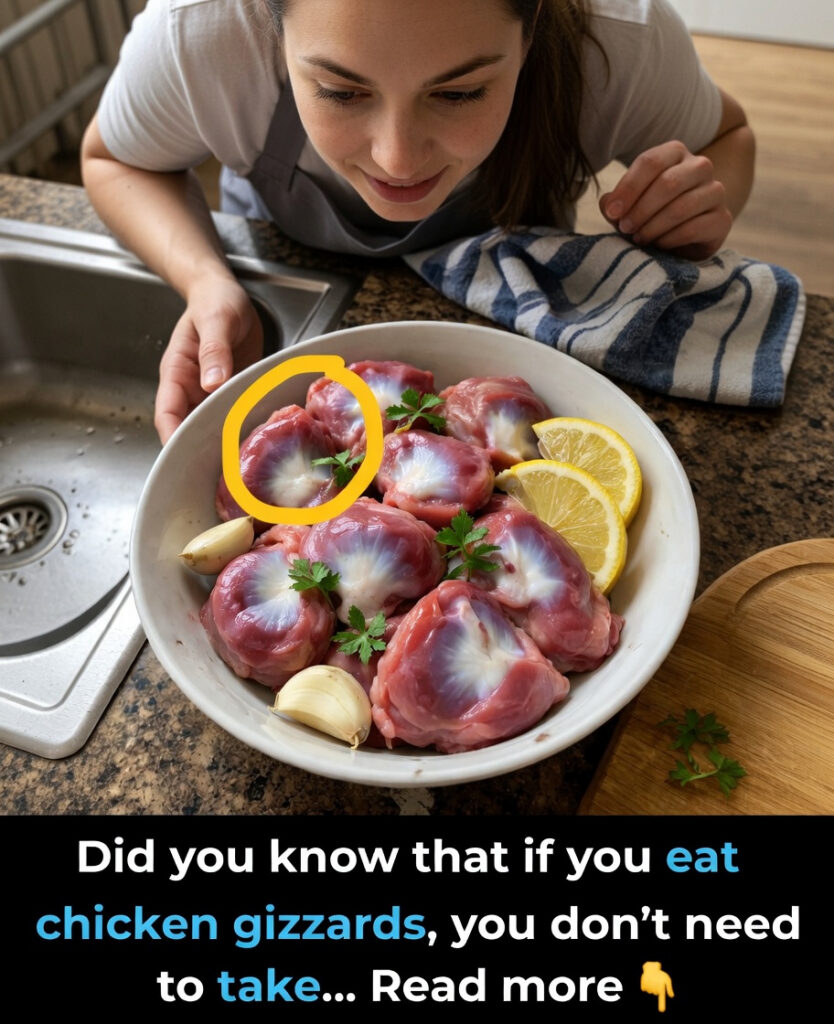
Chicken Gizzards: An Affordable, Protein-Rich Food Worth Adding to Your Diet
In a busy modern lifestyle, many people want simple ways to boost protein and key minerals without spending heavily on powders or pills. When your schedule is packed, it is easy to feel worn out, especially if your meals do not seem to deliver the nutrition needed for steady energy and daily well-being. Over time, that can make healthy eating feel frustrating or overly complicated.
The good news is that there is a budget-friendly, flavorful option that often gets ignored: chicken gizzards. This humble ingredient is now getting more attention for its impressive nutrition and its ability to fit naturally into a balanced diet.
What Are Chicken Gizzards?
Chicken gizzards are a muscular part of the bird’s digestive system. Their job is to grind food, which is why they are naturally firm and chewy. When cooked correctly, however, they become tender and deeply flavorful.
Unlike stronger-tasting organ meats, gizzards have a relatively mild taste. That makes them easier for many people to enjoy, even if they are new to organ meats.
What makes them especially appealing is that they are:
- Affordable
- Easy to find
- Nutrient-dense
- Versatile in cooking
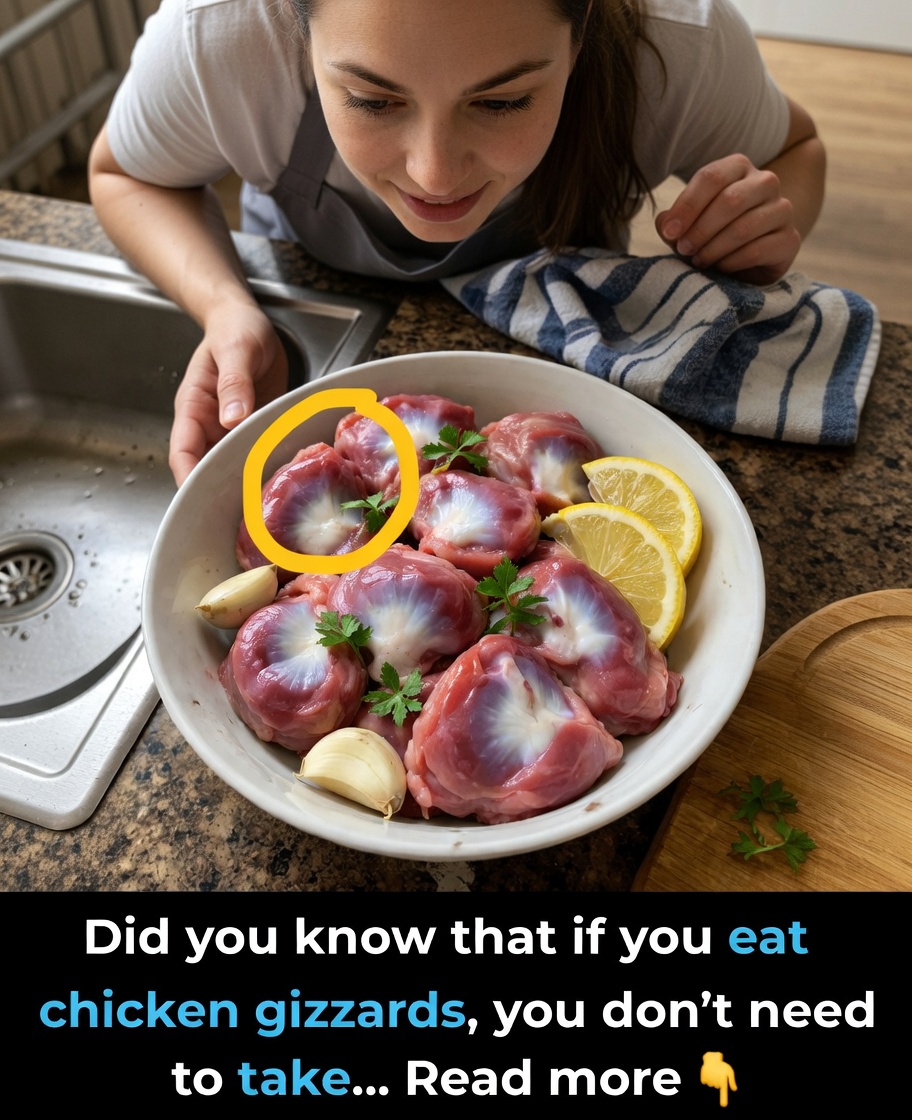
Chicken Gizzards Nutrition: Why They Stand Out
From a nutrition perspective, chicken gizzards offer a lot in a small serving. They are rich in protein while staying relatively low in calories and fat, making them a practical choice for people focused on balanced eating.
Based on standard nutrition data for cooked chicken gizzards, key nutrients include:
- Protein: About 30 grams per 100 grams, supporting muscle maintenance, fullness, and recovery
- Vitamin B12: Important for nerve health and energy metabolism
- Iron: Helps carry oxygen through the blood
- Zinc: Plays a role in immune support and normal body function
- Selenium: One of the most concentrated nutrients in gizzards, often exceeding daily needs in a generous serving
- Niacin and Riboflavin: B vitamins that help the body turn food into usable energy
Another benefit is that these nutrients come from a whole food source. Research and nutrition experts often point out that minerals such as selenium and zinc from foods can support antioxidant processes and normal body functions in a naturally balanced form.
Why Chicken Gizzards Deserve a Place in a Healthy Diet
Chicken gizzards combine lean protein with important vitamins and minerals, making them a smart option for anyone trying to eat more nutrient-rich meals.
Some reasons they are worth considering include:
-
They help you stay full longer
High-protein foods can improve satiety, which may support weight management when combined with an overall healthy lifestyle. -
They support energy production
The B vitamins in gizzards help the body convert food into energy more efficiently. -
They provide minerals people often seek in supplements
Zinc and selenium are popular nutrients, but gizzards allow you to get them from real food instead of relying only on capsules or tablets. -
They offer nutritional variety
Many dietitians consider organ meats nutritional powerhouses because they contain concentrated amounts of essential nutrients.
For people looking to improve nutrient intake in a cost-effective way, chicken gizzards can be a practical and delicious solution.
How to Cook Chicken Gizzards So They Turn Tender
If you have eaten gizzards before and found them too tough, the issue was likely the cooking method. Gizzards need enough time to break down and soften. The best approach is to cook them slowly over low heat or use a pressure cooker.
Step-by-Step Guide to Cleaning and Cooking Chicken Gizzards
1. Clean them well
- Rinse the gizzards under cold water
- Cut away extra fat or any tough outer membrane if needed
- Some cooks soak them in vinegar or buttermilk to help clean and tenderize them
2. Simmer until tender
- Put the gizzards in a pot with water
- Add onion, garlic, salt, and black pepper
- Let them simmer for about 1 to 1.5 hours, or until soft
This step is the key to getting the right texture.
3. Finish with your preferred method
Once tender, you can use them in many ways:
- Fry them
- Grill them
- Add them to stews
- Toss them into stir-fries
- Mix them into soups
Time-Saving Tip
A pressure cooker or Instant Pot can cut the cooking time down to around 30 to 45 minutes, making gizzards much easier to prepare on busy days.
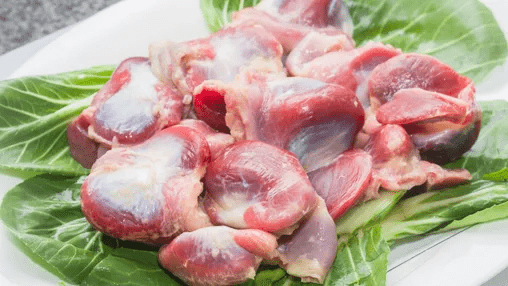
Easy and Tasty Ways to Eat Chicken Gizzards
Chicken gizzards can be turned into satisfying meals with just a few ingredients. Here are some popular ways to enjoy them:
- Southern-style fried gizzards: Boil first, then coat and fry until crisp
- Gizzard stew: Cook slowly with vegetables and seasonings for a comforting dish
- Stir-fried gizzards: Sauté with garlic, ginger, and vegetables for a quick meal
- Grilled gizzards or skewers: Marinate and grill for a smoky, savory flavor
Simple additions such as these can improve the flavor even more:
- Fresh parsley
- Lemon slices
- Peppercorns
- Garlic
- Herbs
- Mild spices
These ingredients bring freshness and balance to the rich, meaty texture of gizzards.
Practical Tips for Adding Gizzards to Your Weekly Meals
If you want to include chicken gizzards in your routine without making meal prep harder, start with small, realistic steps.
Try these ideas:
- Add chopped cooked gizzards to rice bowls, soups, or noodle dishes
- Buy larger amounts and freeze them in meal-sized portions
- Use lemon juice or vinegar in marinades to improve both tenderness and flavor
- Test different seasonings like paprika, cumin, black pepper, or chili powder
- Combine them with vegetables and grains to create balanced meals
The key is not to overcomplicate things. Gizzards can easily become one more useful ingredient in your weekly meal rotation.
Things to Keep in Mind
Like any food, chicken gizzards are best enjoyed as part of a varied diet. They do contain cholesterol, so people who are monitoring cholesterol intake may want to be mindful of portion size.
Also remember to:
- Buy from trusted sources
- Store them properly
- Cook them thoroughly for safety and best texture
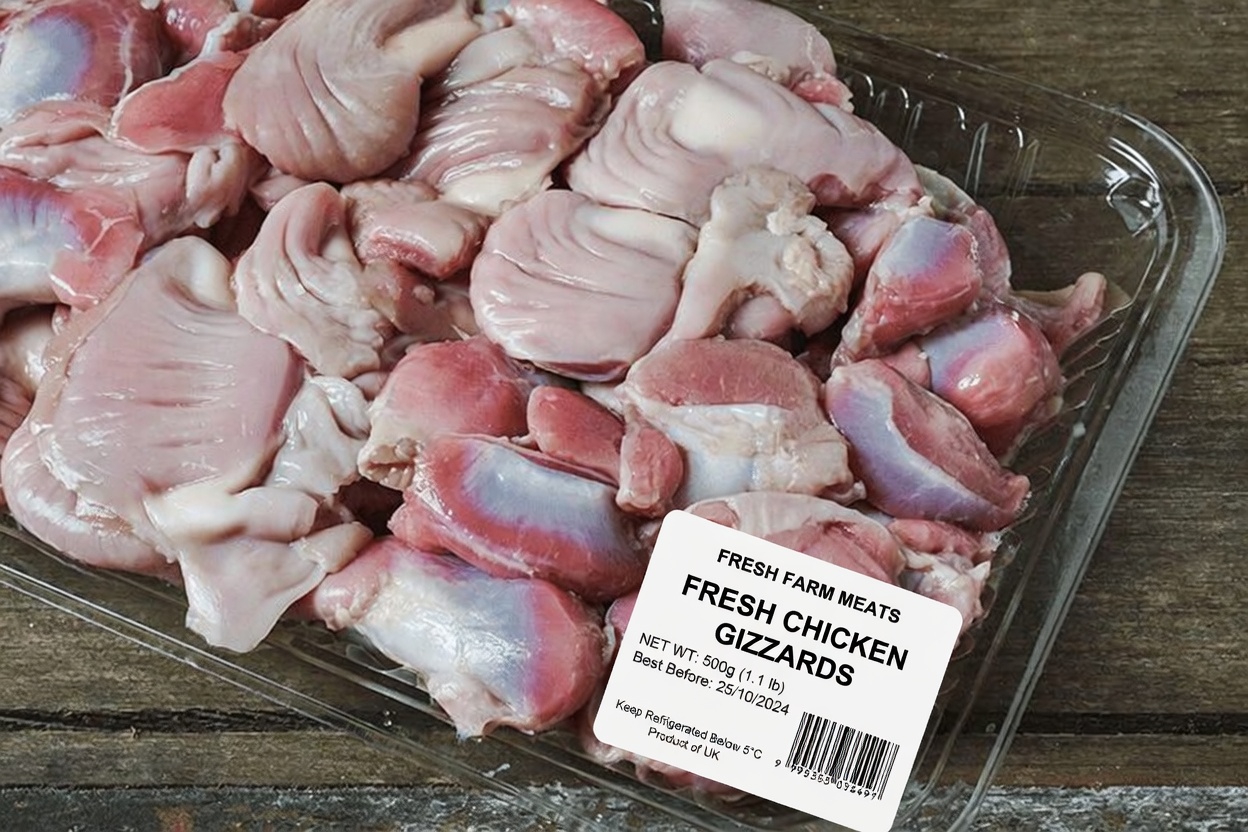
Final Thoughts
Chicken gizzards show that excellent nutrition does not always come from expensive health products. They provide high-quality protein, important minerals, and helpful B vitamins in a natural, affordable form.
If you are looking for a budget-friendly way to support energy, fullness, and overall wellness, chicken gizzards are worth trying. With the right preparation, they can become a flavorful and reliable ingredient in your kitchen.
FAQ
1. What do chicken gizzards taste like?
When cooked properly, chicken gizzards have a mild, meaty flavor that is somewhat similar to darker cuts of chicken. Their texture is slightly chewy, which many people come to enjoy.
2. How often can I eat chicken gizzards?
Eating them a few times each week as part of a balanced diet can be a good way to benefit from their nutrients. It is still important to include a variety of protein sources.
3. Are chicken gizzards healthier than chicken breast?
They are not necessarily better in every way, but they do provide more of certain minerals and nutrients than chicken breast. They can work well as either an alternative or a complement to more common cuts of chicken.
Disclaimer
This article is intended for educational and informational purposes only and should not be taken as medical advice. Always speak with a qualified healthcare professional before making major dietary changes, especially if you have underlying health conditions or specific nutritional concerns. Individual needs can vary.