

Why Bathroom Changes Become More Noticeable After 60
Many men in their 60s, 70s, and beyond begin to notice gradual but bothersome changes in urination. It may start with waking up more often at night, taking longer to empty the bladder, or feeling like the stream is weaker than it used to be. While these shifts can seem minor at first, they often affect sleep quality, daytime energy, and overall peace of mind.
Over time, the need to plan around restrooms or manage sudden urgency can make everyday activities feel stressful. Long drives, social outings, and even relaxing evenings at home may become less enjoyable. The encouraging part is that certain daily habits can influence how comfortable things feel, and small lifestyle changes may offer meaningful support. Stay with us through the end to discover the most overlooked habit of all.
Age-Related Prostate Changes Are Common
As men get older, the prostate typically enlarges. Because it surrounds part of the urethra, this growth can place pressure on urine flow. That may lead to common symptoms such as:
- Frequent urination
- Trouble getting started
- A weak stream
- Feeling that the bladder is not fully empty
Inflammation, physical inactivity, and dietary patterns may also play a role in how noticeable these symptoms become.
Millions of men experience benign prostatic hyperplasia, or BPH. Although it is common, research suggests that lifestyle choices can influence symptom severity. The goal is not to promise dramatic results, but to highlight realistic changes that may improve daily comfort.
Daily Habits That May Affect Prostate Comfort
Each person is different, but studies continue to point to certain routines that may influence urinary health and prostate comfort. Improvements usually do not happen instantly. However, steady habits often provide the best support over time.
Let’s break down the top 10 habits that deserve a closer look.
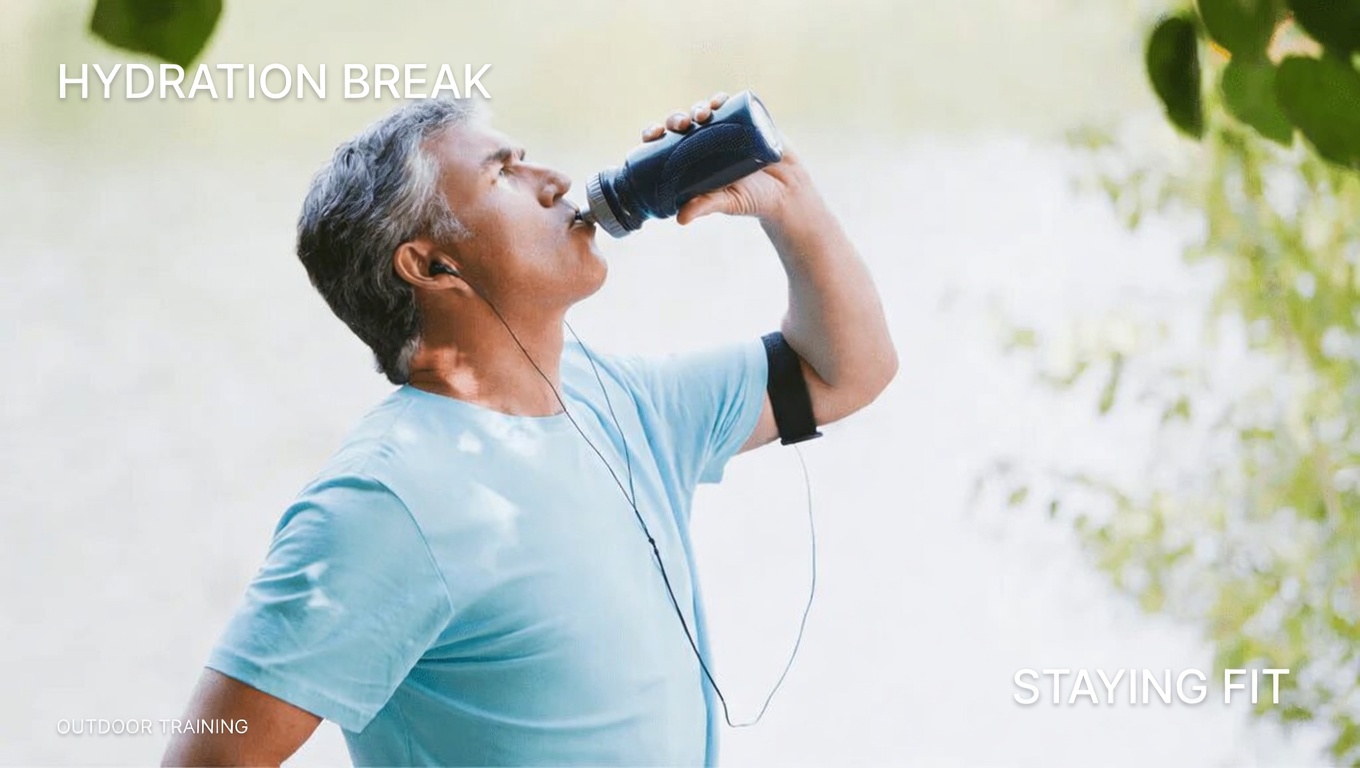
10. Drinking Too Little Water
Not getting enough fluids can make urine more concentrated, which may irritate the bladder and surrounding urinary tract. Some men intentionally drink less to avoid nighttime bathroom trips, but that strategy can sometimes make discomfort worse instead of better.
A better approach is to hydrate consistently throughout the day rather than consuming a lot at once.
Simple tip:
- Use pale yellow urine as a guide
- Sip water regularly from morning through early afternoon
- Avoid loading up on fluids late at night
9. Sitting for Long Periods
Too much sitting can put ongoing pressure on the pelvic region and may reduce circulation. Poor blood flow may contribute to tension and inflammation, which can make urinary symptoms feel more noticeable.
Men who move more during the day often report feeling better overall.
Simple tip:
- Stand up every 30 to 60 minutes
- Take a short walk around the room or house
- Add gentle stretching if you work at a desk
8. Too Much Caffeine
Coffee, energy drinks, and caffeinated sodas can stimulate the bladder and increase the urge to urinate. For some men, caffeine also makes nighttime trips more frequent, especially when consumed later in the day.
Reducing intake does not mean giving it up completely. Timing and moderation often make the biggest difference.
Simple tip:
- Limit caffeine to 1 or 2 servings
- Have it earlier in the day
- Choose herbal tea or decaf in the afternoon and evening
7. Frequent Spicy or Processed Foods
Highly processed foods, excess salt, unhealthy fats, and spicy meals may contribute to inflammation in the body. Over time, that may add to pelvic discomfort or urinary irritation in some men.
A more balanced diet built around whole foods is often linked to better overall health and greater day-to-day comfort.
Simple tip:
- Replace one processed snack with fruit or nuts
- Eat more vegetables, beans, and whole grains
- Notice whether spicy foods seem to worsen symptoms
6. Waiting Too Long to Use the Bathroom
Delaying urination can stretch the bladder and place extra pressure on the urinary system. Repeating this habit too often may make urgency feel more intense over time.
Many men do this without realizing it, especially when they are driving, working, or trying not to interrupt an activity.
Simple tip:
- Go when your body signals the need
- Avoid regularly holding urine for long periods
- Build in bathroom breaks during travel or busy days
5. Smoking or Secondhand Smoke Exposure
Tobacco smoke increases oxidative stress and inflammation throughout the body. Research has linked both active smoking and secondhand smoke exposure with greater urinary discomfort in some men.
Reducing exposure is one of the clearest lifestyle steps for better overall health.
Simple tip:
- Avoid smoking whenever possible
- Stay away from secondhand smoke
- If you smoke, even gradual reduction can be a helpful start
4. Skipping Regular Checkups
Routine medical visits matter, especially as the prostate changes with age. Screenings, PSA discussions, and physical exams can help track what is normal and identify concerns early.
Doctors often emphasize that it is easier to manage symptoms when changes are caught sooner rather than later.
Simple tip:
- Schedule regular checkups
- Ask your doctor whether annual screening is appropriate
- Bring notes about symptoms, sleep disruptions, or bathroom changes
3. Eating a Lot of Red or Processed Meat
A diet high in red meat or processed meat has been associated in some studies with increased inflammation. For men already dealing with urinary symptoms, eating these foods every day may add to overall discomfort.
Making room for fish, legumes, and plant-based meals can help create better balance.
Simple tip:
- Swap one red meat meal each week for salmon, lentils, or beans
- Add more vegetables to your plate
- Cut back gradually instead of changing everything at once

2. Carrying Extra Weight Around the Midsection
Abdominal fat is not just a cosmetic issue. Excess belly weight can affect hormone balance and release inflammatory compounds that may influence prostate comfort.
Even modest weight loss can make a difference for some men, especially when combined with regular movement.
Simple tip:
- Take short walks every day
- Watch portion sizes
- Focus on sustainable progress instead of strict dieting
1. Unmanaged Stress
Chronic stress is often the most overlooked factor. Ongoing tension can raise cortisol levels, tighten muscles, and increase inflammation. For many men over 60, this hidden habit may strongly affect urinary comfort and sleep.
Stress management supports both the mind and body, and even a few minutes a day can help.
Simple tip:
- Practice slow breathing when stress rises
- Take a short walk to reset
- Try 5 minutes of calm breathing before bed
A Real-Life Example
Like many older men, John, a 72-year-old from Ohio, noticed his nighttime bathroom routine improve after focusing on a few of these habits. He did not try to change everything at once. Instead, he improved hydration earlier in the day, walked more often, and paid closer attention to stress.
Others report similar results when they become more aware of their daily routines and make simple, consistent changes.
Supportive Habits at a Glance
Here is a quick summary of the habits that may help support prostate comfort and urinary health:
| Habit to Adjust | Potential Benefit | Easy First Step |
|---|---|---|
| Hydration | Less irritation | Sip water steadily during the day |
| Movement | Better circulation | Take a short walk every hour |
| Diet balance | Lower inflammation | Eat more whole foods, less processed food |
| Stress management | Reduced tension | Practice daily breathing exercises |
| Routine checkups | Earlier insight | Schedule regular doctor visits |
This quick guide makes it easier to choose one area to improve today.
Small Changes Can Lead to Greater Comfort
Better sleep, less urgency, and more confidence during the day are realistic goals for many men. The most effective approach is usually not a major overhaul, but a series of small, steady adjustments that fit naturally into everyday life.
Start with one habit. That could be drinking more water in the morning, taking a short walk after dinner, or cutting back on late-day caffeine. Your body often responds best to consistent support.
Common Questions About Prostate Health Habits
Can lifestyle habits reverse prostate enlargement?
Healthy routines may reduce symptoms and improve comfort, but they are not a cure. Lifestyle support works best when combined with regular medical care.
What if urgency or nighttime urination continues?
Track your symptoms for a week and discuss them with your doctor. Sometimes one specific habit, timing issue, or medical factor is contributing more than you realize.
Should I change medications on my own?
No. Any changes involving medications or supplements should always be discussed with your healthcare provider first.
Final Note
This article is for informational purposes only and should not replace professional medical advice. For guidance tailored to your needs, speak with your healthcare provider.