Amlodipine Side Effects: 12 Reactions to Watch For and How to Manage Them
If you take amlodipine for high blood pressure or a heart-related condition, you may have noticed changes that seem unexpected after starting the medication. Swollen ankles that make shoes feel tight, brief dizzy spells during ordinary activities, or sudden facial warmth can be unsettling and frustrating. These symptoms may interfere with sleep, lower your energy, and make everyday life feel harder than it should.
The good news is that these experiences are not unusual. Many people taking amlodipine report side effects ranging from mild discomfort to symptoms that deserve closer medical attention. Understanding what may be happening can help you respond calmly and make informed choices with your doctor. Below, you will find a clear guide to the most recognized side effects of amlodipine, along with practical ways to cope.
What Is Amlodipine and Why Do Doctors Prescribe It?
Amlodipine belongs to a class of medicines called calcium channel blockers. It is commonly prescribed to treat:
- High blood pressure
- Angina, or chest pain caused by reduced blood flow to the heart
This medication works by relaxing and widening blood vessels, allowing blood to circulate more easily. Over time, that can help lower blood pressure and reduce strain on the heart.
As with any prescription drug, not everyone reacts the same way. Factors such as age, dosage, existing health conditions, and other medications can all influence how a person feels while taking amlodipine. According to medical references such as the Mayo Clinic and WebMD, amlodipine is generally well tolerated, but side effects can occur and are worth knowing about.
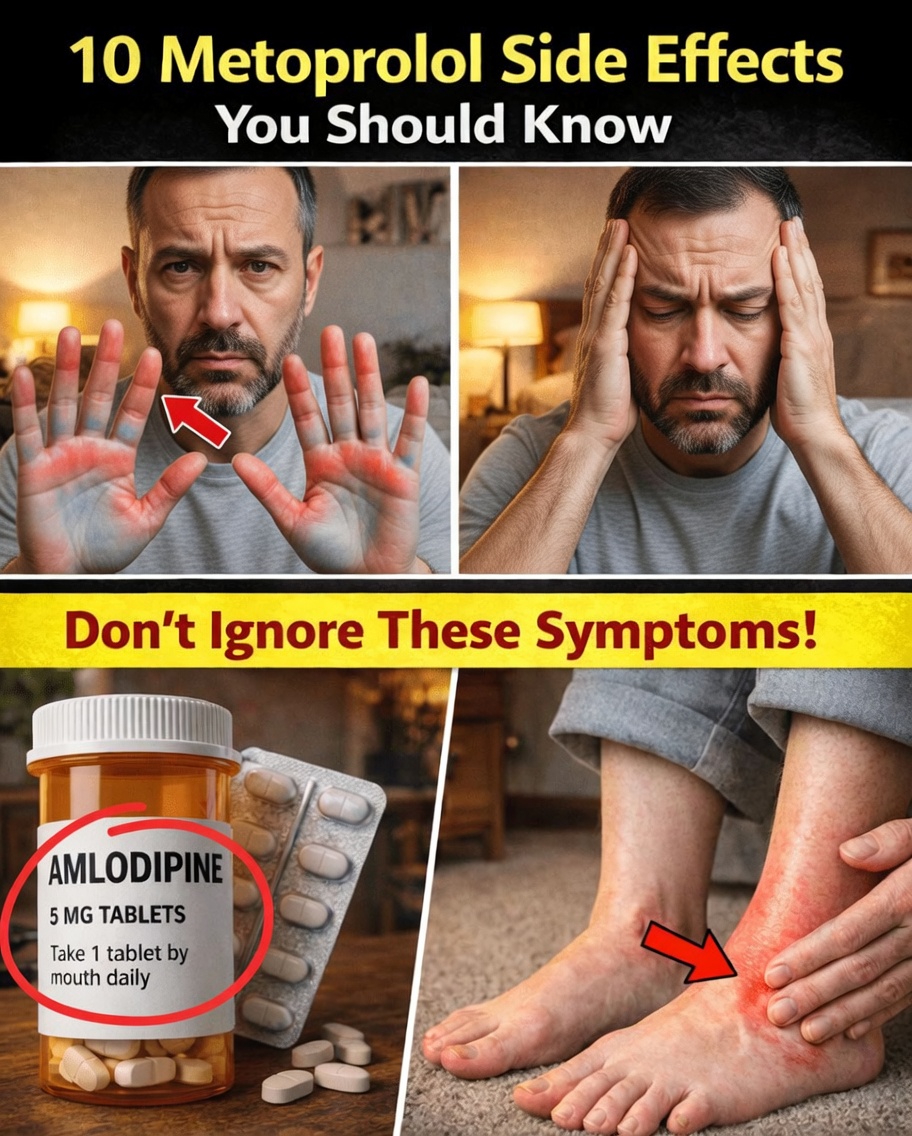
12 Amlodipine Side Effects You Should Know
Not every person will experience these effects, and some people take amlodipine for years with very few issues. Still, being familiar with the possibilities can help you recognize what is normal, what may improve with time, and when you should call your healthcare provider.
Common Side Effects
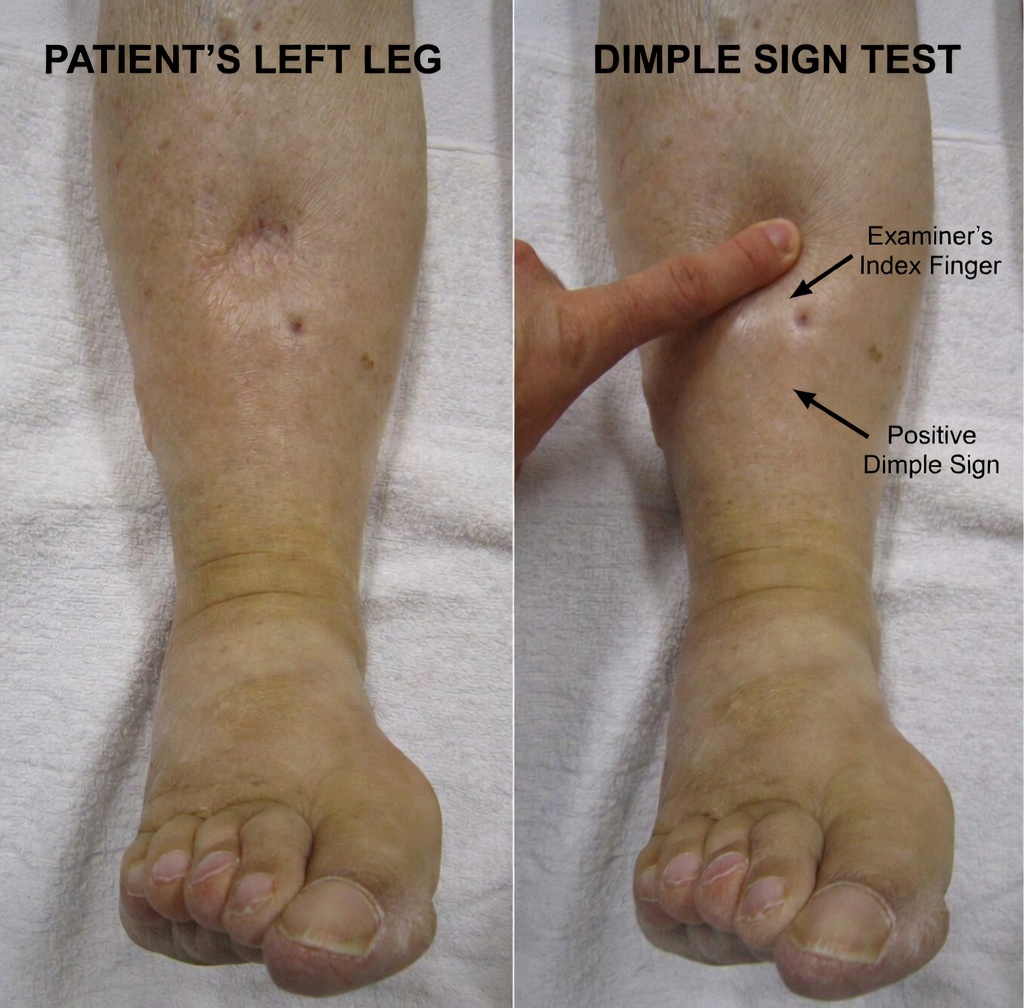
1. Swelling in the ankles or feet
Also known as peripheral edema, this is one of the most frequently reported side effects of amlodipine. It happens when fluid builds up in the lower legs and feet. In some cases, it becomes more noticeable with higher doses and may develop gradually over time.
2. Facial flushing or a warm sensation
Some people feel sudden heat or redness in the face, neck, or upper chest. This usually happens because the blood vessels widen. It often appears not long after taking the medication and tends to pass on its own.
3. Dizziness or lightheadedness
Amlodipine can sometimes cause blood pressure to drop enough that you feel unsteady or faint. This may be especially noticeable when standing up quickly after sitting or lying down.
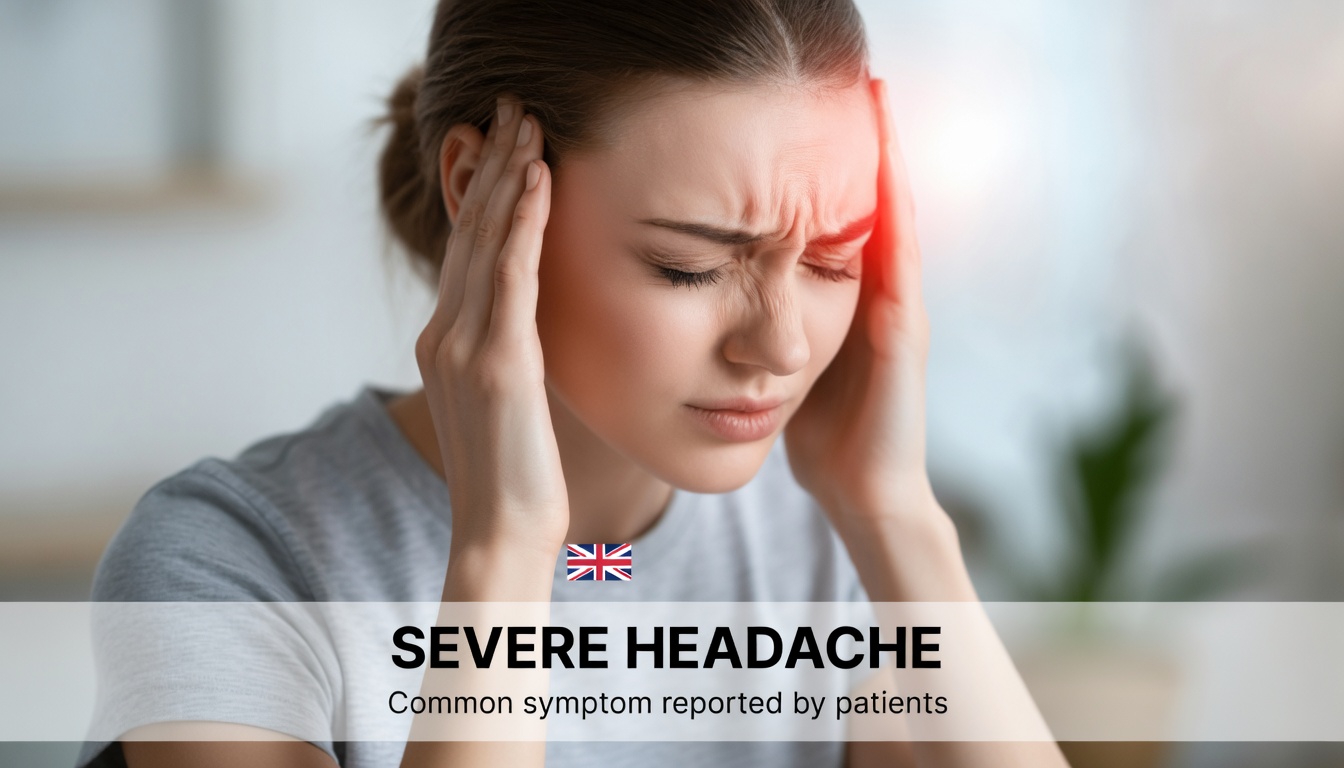
4. Headache
Mild to moderate headaches are commonly reported, especially during the first stage of treatment. For many people, this improves as the body adjusts to the medication.
5. Fatigue or unusual tiredness
Some users feel low on energy or more sleepy than usual. Even simple daily activities may feel more demanding. In many cases, this side effect becomes less bothersome over time.
6. Nausea or stomach upset
Amlodipine can occasionally cause queasiness, stomach discomfort, or mild abdominal pain. Some people notice this more when taking the medicine on an empty stomach.
7. Palpitations or awareness of heartbeat
A feeling that the heart is racing, pounding, or skipping beats may occur in some individuals. While this is not always dangerous, it should be monitored if it keeps happening or feels intense.
Less Common but Important Side Effects
These reactions happen less often, but they are still worth understanding.
8. Gum swelling
Known medically as gingival hyperplasia, this rare effect may cause the gums to become enlarged, puffy, or tender after long-term use. Regular dental visits can help detect this early.
9. Rash or itchy skin
Some people develop mild skin irritation, including itching or a rash. These symptoms may disappear without treatment, but they should still be observed.
10. Muscle cramps or stiffness
Aches, tightness, or cramping in the arms or legs have been mentioned by some patients. This may be related to circulation changes or individual sensitivity to the medication.
11. Shortness of breath or chest tightness
This is less common, but it should not be ignored. If breathing feels difficult or chest discomfort appears for the first time or gets worse, medical review is important.
12. Swelling of the face or lips
In very rare cases, amlodipine may trigger angioedema, which causes swelling around the mouth, lips, or face. This can become serious quickly and requires immediate medical attention.
How to Cope With Amlodipine Side Effects
Medication changes should always be handled by a doctor, but there are simple daily habits that may help reduce discomfort while staying on treatment. Many patients find these strategies useful:
- Raise your legs for 15 to 20 minutes several times a day if you have swelling in the ankles or feet.
- Drink enough water throughout the day to support circulation and possibly reduce dizziness.
- Stand up slowly after sitting or lying down to lower the risk of feeling faint.
- Track your symptoms daily, including when you took the dose, what you ate, and how you felt afterward.
- Stay gently active with short walks or light stretching to support blood flow and ease fatigue or muscle tightness.
- Wear loose shoes and socks if swelling makes tight footwear uncomfortable.
These small adjustments may seem simple, but they can make daily life noticeably easier.
When You Should Contact a Doctor
Some side effects are mild and temporary, but others need prompt medical attention. Reach out to your healthcare provider right away if you experience:
- Swelling of the face, lips, or mouth
- Difficulty breathing
- Chest pain
- Sudden or severe worsening of symptoms
Even if your symptoms are not urgent, regular follow-up appointments are helpful. In some situations, a dosage adjustment or closer monitoring can solve the problem quickly. Honest communication with your doctor is one of the best ways to stay safe and comfortable on amlodipine.
Final Thoughts
Amlodipine is an effective medication for many people managing high blood pressure or angina. Knowing the possible side effects can help you recognize what may happen and respond with confidence instead of worry. Some reactions, such as ankle swelling or headaches, are common and often manageable. Others are rare but important to identify early.
By combining awareness, practical self-care habits, and regular medical guidance, many people continue amlodipine successfully while maintaining a good quality of life. The most important step is to stay in close contact with your healthcare team.
Frequently Asked Questions
How long do amlodipine side effects usually last?
Many mild side effects, including dizziness or flushing, may improve within a few weeks as your body adjusts. Swelling can last longer and may need to be discussed with your doctor. The timeline is different for each person.
Can lifestyle habits help reduce amlodipine side effects?
Yes. Raising your legs, staying hydrated, moving gently, and standing up slowly may help reduce several common symptoms. Your doctor can recommend the best approach based on your health history.
Is swelling from amlodipine always dangerous?
Not always. Swelling in the ankles or feet is relatively common and is often mild. However, sudden swelling or swelling involving the face or lips should be evaluated immediately.
Disclaimer
This article is for informational purposes only and does not replace professional medical advice. Always speak with your doctor or healthcare provider before starting, stopping, or changing any medication or lifestyle strategy. Individual results may vary.