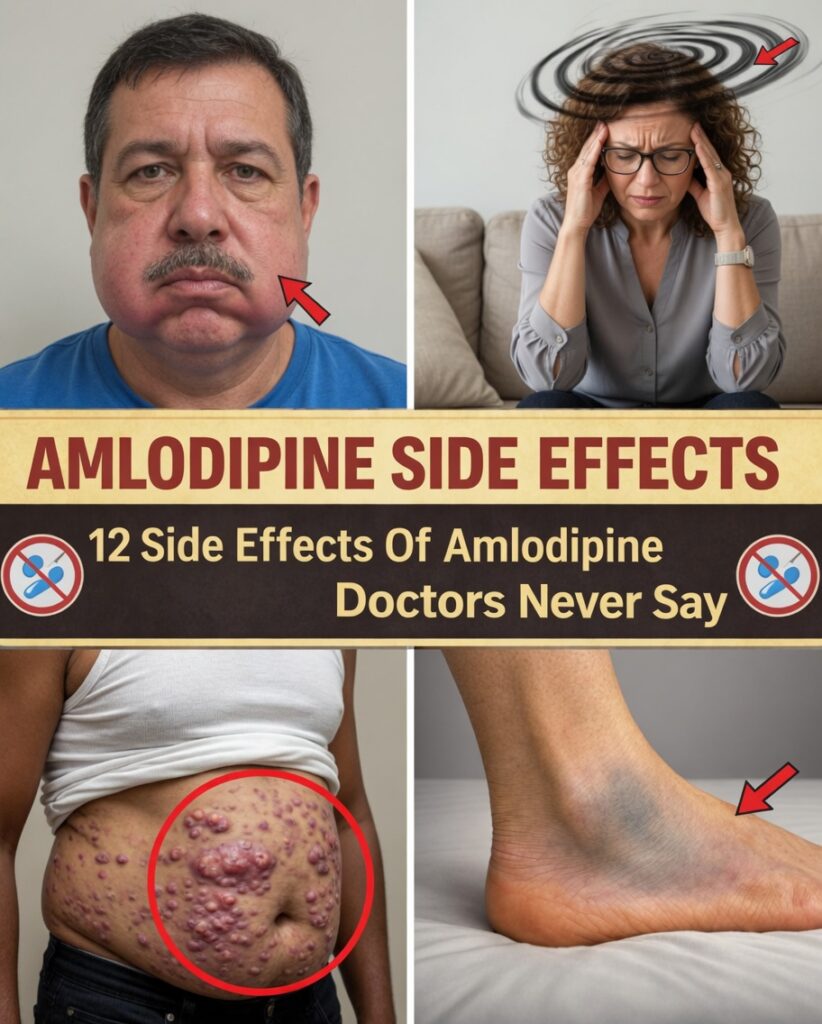
Living With Amlodipine: What to Expect and How to Cope
Living with high blood pressure or certain heart conditions often means taking medications such as amlodipine. While this drug is effective for many people, it can also bring physical changes that feel unexpected or uncomfortable. Ongoing swelling in the lower legs that makes walking or wearing shoes difficult, sudden spells of dizziness, or a warm flushing sensation across the face can quickly make everyday activities more challenging and raise questions about whether what you are feeling is normal.
These reactions are more common than many realize. They can interfere with sleep, drain your energy, and affect how confident you feel moving through your day. The positive news is that understanding amlodipine side effects gives you the tools to respond more calmly and effectively. By the end of this guide, you will find practical strategies that many patients use to live more comfortably while staying on this medication.
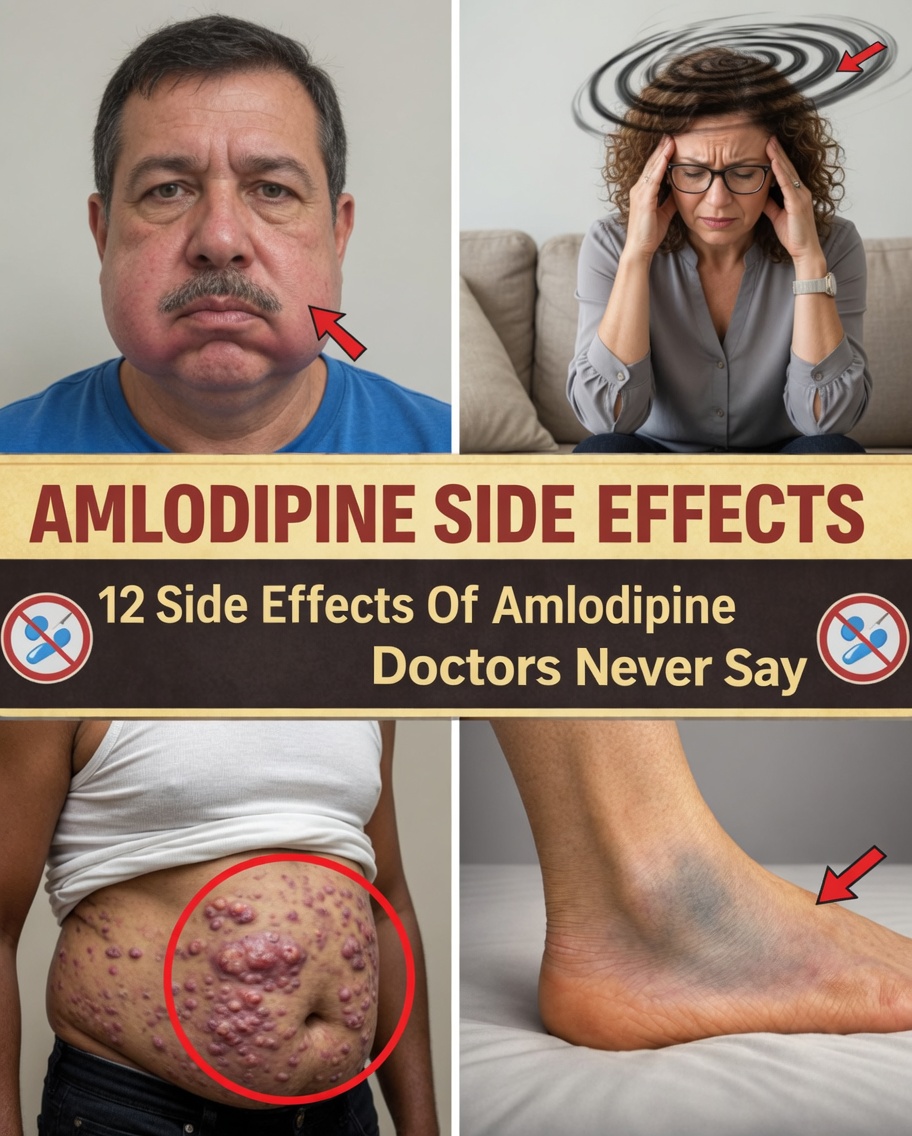
What Is Amlodipine and Why Do Doctors Prescribe It?
Amlodipine is a calcium channel blocker commonly prescribed to:
- Lower high blood pressure (hypertension)
- Treat angina, a type of chest pain related to reduced blood flow to the heart
It works by relaxing and widening blood vessels, which helps blood circulate more easily and reduces the workload on the heart. Over time, this can support better heart and vascular health.
As with any prescription drug, people respond differently depending on factors such as:
- Dose
- Age
- Other medications
- Existing medical conditions
Clinical information from sources like the Mayo Clinic and WebMD shows that amlodipine is generally well tolerated, but side effects can occur. Knowing what to watch for helps you stay proactive and safer while on treatment.
12 Amlodipine Side Effects You Should Know
Below are 12 side effects linked to amlodipine, drawn from clinical studies and patient reports. They are grouped to help you distinguish the more frequent reactions from those that occur less often. Not everyone will experience these, and many people have few or no problems.
More Common Side Effects
-
Swelling of the ankles or feet (peripheral edema)
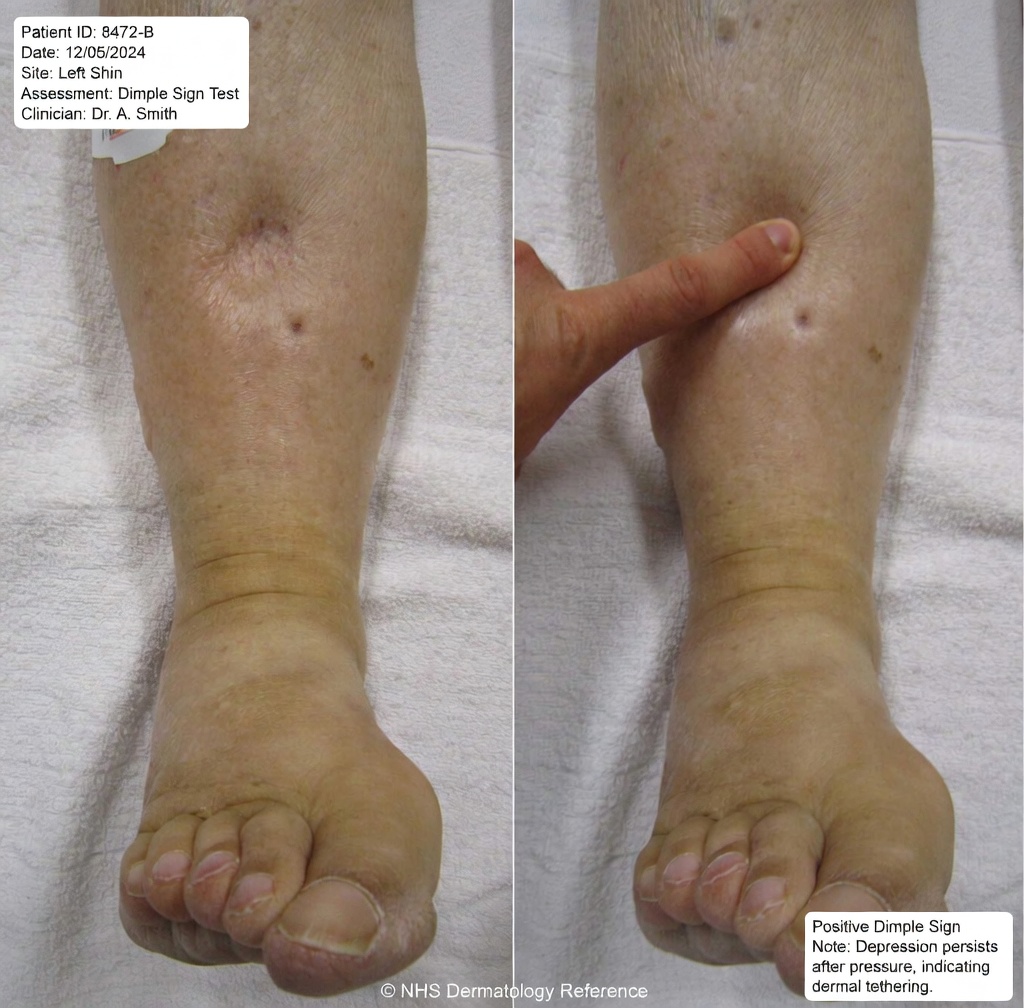
This is one of the most frequently reported amlodipine side effects. Fluid can build up in the lower legs and feet, leading to puffiness, tight shoes, or a heavy feeling in the legs. Research suggests it may affect around 10% or more of people, especially at higher doses, and it usually develops gradually. -
Facial flushing or warmth
Some people notice sudden redness or heat in the face, neck, or upper chest after taking a dose. This happens because blood vessels widen. Flushing often comes on quickly and then fades without treatment. -
Dizziness or lightheadedness
Feeling faint, unsteady, or “off balance” can occur if your blood pressure drops more quickly than your body is used to. This is a commonly mentioned side effect in clinical trials and may be more obvious when you stand up suddenly. -
Headache
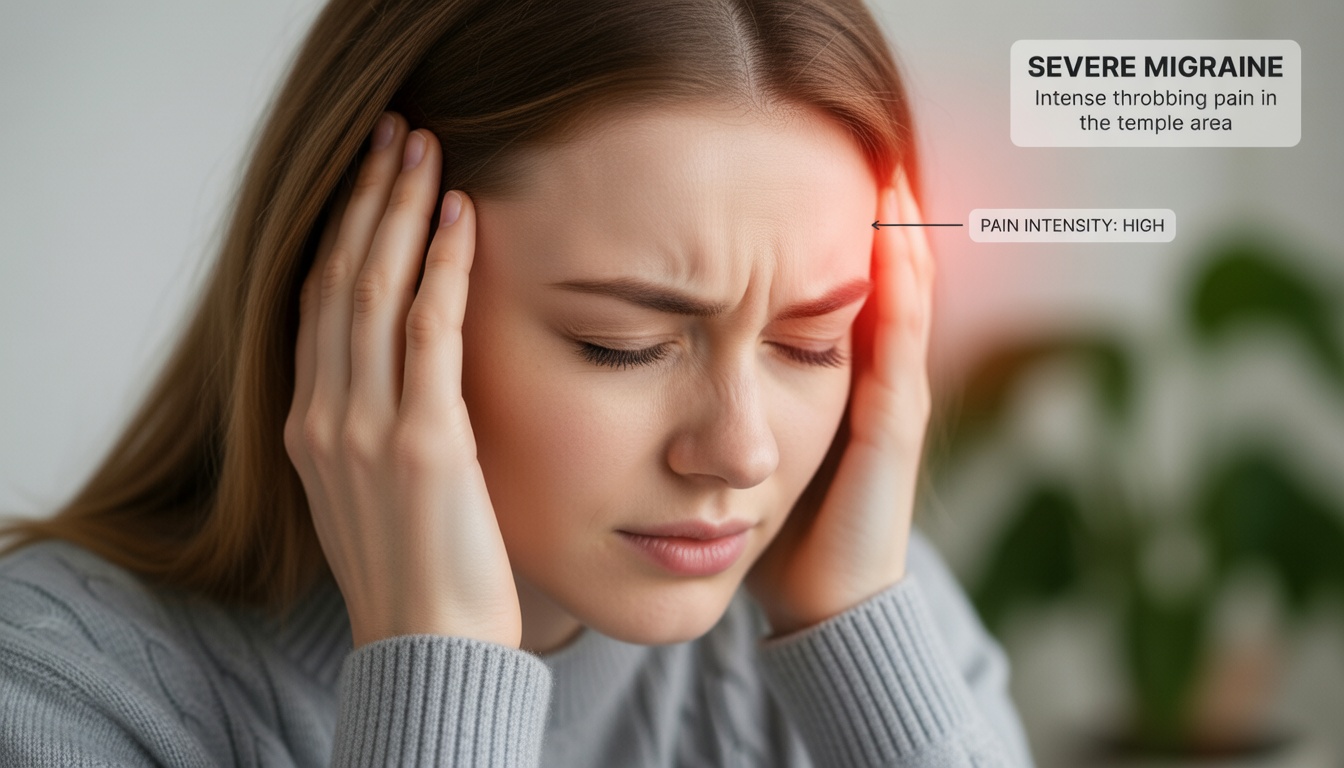
Mild to moderate headaches are reported, particularly during the first few weeks as your body adapts to the medication. Regulatory information, including FDA-related sources, lists headaches among the more frequent reactions. -
Fatigue or unusual tiredness
A general sense of low energy, drowsiness, or feeling “worn out” can appear after starting amlodipine. For many people, this improves with time, but it can make ordinary tasks feel more draining at first. -
Nausea or stomach discomfort
Some people experience an upset stomach, mild abdominal pain, or a queasy feeling. This may be more noticeable if the medication is taken on an empty stomach. It is usually mild and temporary. -
Palpitations or awareness of heartbeat
You may occasionally feel your heart beating faster, pounding, or skipping beats as your circulation changes. In many cases this is not serious, but ongoing or intense palpitations should be discussed with your doctor.
Less Common but Important Side Effects
Here are some reactions that are less frequent but still worth knowing about so you can act quickly if they arise.
-
Gum swelling (gingival hyperplasia)
In rare cases, gums can become enlarged, swollen, or tender over time. Regular dental check-ups can detect early changes. Good oral hygiene and informing your dentist about your medication are helpful. -
Skin rash or itching
Some people develop a mild rash, redness, or itchy skin. These symptoms often resolve on their own, but they should be monitored, especially if they spread or worsen. -
Muscle cramps or stiffness
Occasional cramps, tightness, or aches in the legs or arms have been noted in patient experiences. These can sometimes be linked to changes in blood flow or activity levels. -
Shortness of breath or chest tightness
This is less common but more serious. New or worsening breathlessness, chest discomfort, or pressure needs prompt medical assessment, particularly in people with heart conditions. -
Swelling of the face or lips (angioedema)
Very rarely, amlodipine may be associated with sudden swelling of the face, lips, tongue, or throat. This is a medical emergency and requires immediate attention, as it can affect breathing.
The impact and intensity of these side effects vary from person to person. Many individuals take amlodipine for years with minimal issues. The essential step is to listen to your body and avoid assuming every new symptom is “just nothing.”
Practical Tips to Manage Amlodipine Side Effects
Understanding side effects is only part of the solution. Everyday habits can make a meaningful difference in how you feel while taking amlodipine. Always remember that only your healthcare provider should change your dose or stop the medication, but you can try these strategies to support your comfort:
-
Raise your legs to reduce swelling
If your ankles or feet swell, elevate your legs above heart level for 15–20 minutes several times a day. This helps fluid shift away from the lower legs. -
Stay hydrated
Drinking enough water supports healthy circulation and may ease dizziness or headaches. Spread your fluid intake evenly throughout the day unless your doctor has given you fluid restrictions. -
Stand up slowly
To reduce lightheadedness, move gradually from lying to sitting, then from sitting to standing. Pause for a moment before walking to give your body time to adjust. -
Keep a symptom journal
Note the time you take your medication, the dose, what you eat, and any side effects you experience. Bringing this record to appointments can help your healthcare provider spot patterns and suggest adjustments. -
Incorporate gentle movement
Short walks, light stretching, or simple exercises can support blood flow, help manage fatigue, and reduce the likelihood of muscle cramps. Aim for regular, low-intensity activity as your condition allows. -
Wear comfortable footwear and clothing
Choose loose-fitting shoes and socks to reduce pressure on swollen feet or ankles. Avoid tight bands around the calves or ankles that can worsen fluid buildup.
Small, consistent changes like these often require little extra effort but can significantly improve day-to-day comfort for people taking amlodipine.
When You Should Contact Your Doctor
It is crucial to know when side effects move from “uncomfortable” to “urgent.” Get in touch with your healthcare provider immediately or seek emergency care if you notice:
- Sudden swelling of the face, lips, tongue, or throat
- Difficulty breathing or severe shortness of breath
- New or worsening chest pain, pressure, or tightness
- Fainting, severe dizziness, or confusion
You should also schedule a routine appointment if:
- Swelling in your legs or feet becomes persistent or significantly worse
- Side effects interfere with sleep, work, or daily activities
- You are unsure whether a new symptom is related to amlodipine
Regular check-ups allow your doctor to:
- Review your blood pressure and heart health
- Adjust your dosage if needed
- Recommend additional tests or treatments
- Suggest lifestyle changes to improve your overall well-being
Open, honest communication with your healthcare team is one of the most effective ways to stay safe and comfortable on this medication.
Conclusion: Being Informed Helps You Stay in Control
Amlodipine is a widely used medication for controlling high blood pressure and angina, and it helps many people protect their heart health. Knowing the potential side effects—from common issues like ankle swelling, flushing, and dizziness to rare but serious reactions—puts you in a stronger position to respond quickly and confidently.
By combining:
- Awareness of possible amlodipine side effects
- Simple daily habits to reduce discomfort
- Regular follow-up with your healthcare provider
most people can continue treatment successfully while maintaining a good quality of life. The most important step is to work closely with your medical team and report any concerns promptly.
Frequently Asked Questions About Amlodipine Side Effects
How long do amlodipine side effects usually last?
Many mild side effects, such as flushing, headache, or lightheadedness, tend to improve within a few days to a few weeks as your body adapts. Swelling in the ankles or feet may persist longer and often needs to be discussed with your doctor, especially if it is bothersome or worsening. Everyone’s response and timeline are different.
Can lifestyle changes reduce amlodipine side effects?
Yes. Simple measures like elevating your legs, drinking enough water, moving regularly, and standing up slowly can help many people feel better. Your healthcare provider can recommend personalized lifestyle strategies based on your overall health, other medications, and activity level.
Is swelling from amlodipine always serious?
Not always. Mild ankle or foot swelling is a relatively common and often manageable side effect. However, any sudden swelling—especially of the face, lips, tongue, or throat—requires urgent medical attention. Ongoing or significant leg swelling should also be evaluated to make sure there is no other underlying problem and to discuss possible treatment adjustments.
Disclaimer: This article is for informational purposes only and does not replace professional medical advice, diagnosis, or treatment. Always consult your doctor or another qualified healthcare provider before starting, stopping, or changing any medication or lifestyle plan. Individual results and experiences with amlodipine may vary.