

Choosing Kidney-Friendly Proteins Without the Stress
Living with kidney concerns often means thinking carefully about every meal. Even something as basic as picking a protein source can feel overwhelming when you are trying to protect your health. It is easy to worry that the wrong choice today could make kidney function harder to manage over time.
The encouraging news is that better protein choices can help reduce some of that pressure. By selecting the right foods in sensible portions, you can support your body’s natural systems without overloading your kidneys. And one everyday pantry ingredient may fit surprisingly well into a kidney-conscious eating plan: chickpeas. We will get to exactly how to use them in a moment.
Why Protein Selection Matters for Kidney Health
When the kidneys are already working hard to filter waste, the type and amount of protein you eat become especially important. Guidance from trusted groups such as the National Kidney Foundation shows that excessive intake of certain proteins can increase the kidneys’ workload. On the other hand, choosing more suitable proteins in moderate amounts may help ease that burden.
Plant-based proteins are often helpful because they generally produce fewer acid-forming byproducts than many animal proteins. They also contain phosphorus that is usually absorbed less efficiently by the body compared with phosphorus from animal foods. That is one reason many kidney health professionals encourage people to include more plant proteins in regular meals.
Still, that does not mean protein should be avoided altogether. The goal is balance, not elimination. Research suggests that moderate portions of high-quality protein can help support energy, muscle maintenance, and overall wellness without placing unnecessary strain on the kidneys.
4 Kidney-Friendly Proteins to Add More Often
Certain protein options appear again and again in kidney nutrition recommendations because they provide useful nourishment while being easier to fit into a kidney-conscious eating pattern. These four stand out as practical choices for everyday meals.
1. Chickpeas: A Smart Pantry Staple
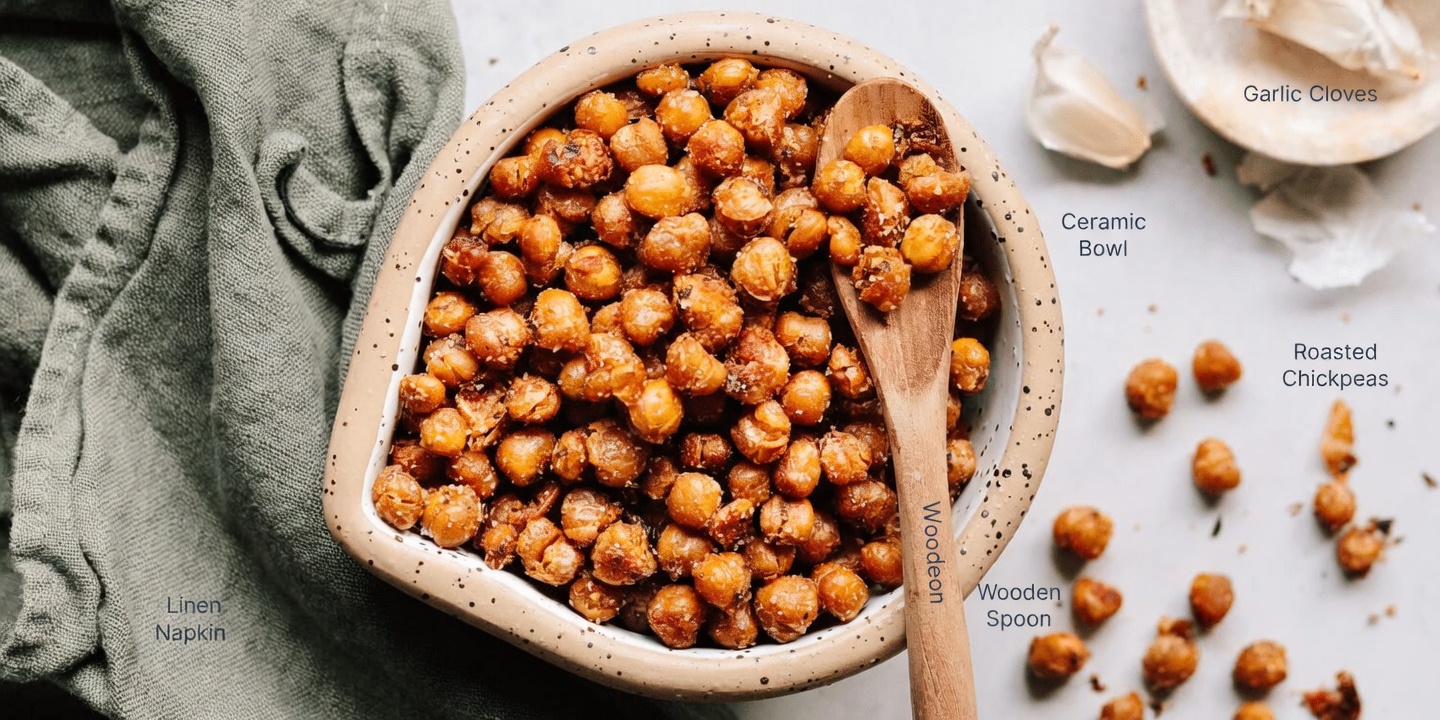
Chickpeas, also called garbanzo beans, offer plant protein along with fiber to support digestion and more stable energy. Kidney diet resources often note that the phosphorus and potassium in chickpeas are not absorbed as readily as in many animal-based foods. If you use canned chickpeas, rinsing them well can help. If you start with dried chickpeas, soaking them overnight is another smart step.
A cup of cooked chickpeas provides around 15 grams of protein, plus fiber and heart-supportive nutrients. They work well in salads, grain bowls, soups, or blended into a smooth hummus for a satisfying snack.
2. Egg Whites: Simple, Clean Protein
Egg whites are one of the easiest high-quality proteins to include in a kidney-friendly meal plan. They contain very little fat and much less phosphorus than whole eggs because the yolk is left out. Renal nutrition experts often recommend them because they deliver excellent protein without adding as much mineral load.
You can fold egg whites into a breakfast scramble, bake them into muffins, or mix them into recipes for an easy protein boost. They are economical, quick to prepare, and easy to include in meals for the whole household.
3. Tofu: Flexible and Complete
Tofu is made from soybeans and provides complete protein in a form that fits well into many plant-forward eating patterns. Studies on kidney-supportive diets often point to soy foods as useful options for maintaining muscle while limiting the acid load that can come with some animal proteins.
Firm tofu is great for stir-fries, bowls, and grilled dishes, while soft tofu blends smoothly into soups, sauces, and smoothies. Because it takes on the flavor of whatever you cook it with, tofu is one of the most versatile proteins you can keep on hand.
4. Lean White Fish: A Lighter Animal Protein
If you want to include animal protein, lean white fish such as cod, tilapia, or haddock can be a good option. These fish provide quality protein and have more moderate phosphorus levels than some other animal foods. Kidney health organizations also note that fish may contribute omega-3 fats, which can support heart health—an important consideration for many people with kidney issues.
Baking, grilling, or steaming is usually the best approach. Keep portions around 3 ounces cooked per meal to help maintain balance.
6 Proteins to Limit or Enjoy Less Often
Knowing what to add is only part of the picture. Some protein-rich foods can be harder on the kidneys because they are higher in sodium, phosphorus additives, or acid-forming compounds. These are six common foods that are often best kept in check.
- Red meat such as beef and pork: These tend to produce more acidic waste during digestion, which may increase kidney workload over time.
- Processed meats like bacon, sausage, hot dogs, and deli meats: These are often loaded with sodium and phosphate additives.
- Full-fat dairy products including regular cheese and whole milk: Many contain phosphorus that is easily absorbed by the body.
- Organ meats such as liver and kidney: These are highly concentrated in protein byproducts and minerals.
- Large portions of nuts and seeds: While nutritious in general, some are relatively high in phosphorus and can add up quickly.
- Fried or breaded meats and poultry: These often come with extra sodium, unhealthy fats, and heavily processed coatings.
That does not mean these foods must be permanently banned. In some cases, small portions may still fit into an individual eating plan. The key is to make them occasional choices rather than daily staples, especially if your care team has advised caution.
How to Build Kidney-Friendly Protein Meals
You do not need complicated recipes or expensive ingredients to make kidney-conscious meals work. A few practical habits can make a noticeable difference.
Start with the right portion
Use these serving sizes as a simple guide:
- Animal protein: about 3 ounces cooked
- Plant protein: around 1/2 cup cooked
This helps keep protein intake steady without going overboard.
Add plenty of vegetables
Try filling half your plate with lower-potassium vegetables such as:
- Cabbage
- Cauliflower
- Green beans
These foods add fiber and volume while helping balance the meal.
Prepare chickpeas the smart way
If you use canned chickpeas, rinse them thoroughly under running water. If you cook dried chickpeas, soak them for 8 to 12 hours before boiling. This can help lower some of their mineral content.
Rotate your protein sources
Instead of eating the same protein every day, alternate between:
- Chickpeas
- Egg whites
- Tofu
- Lean white fish
Variety can make meals more enjoyable while broadening your nutrient intake.
Read food labels carefully
Packaged meats and dairy products may contain added phosphates. Watch for ingredients such as:
- Sodium phosphate
- Calcium phosphate
- Phosphoric acid
These are signs that the product may be less kidney-friendly.
Everyday Meal Ideas That Actually Work
Kidney-friendly eating does not have to feel restrictive. In fact, many meals can feel familiar and satisfying with only a few simple adjustments.
You might begin the day with an egg-white omelet filled with onions and bell peppers. For lunch, a chickpea salad with fresh herbs and lemon dressing can be both filling and refreshing. Dinner could be grilled tilapia served with steamed vegetables and a modest side of grains.

These kinds of meals align well with plant-forward, Mediterranean-style eating patterns, which often include legumes like chickpeas. Research has linked these patterns with steadier energy and better overall comfort for many people.
Consistency matters most. After trying these changes for a week or two, many people notice that they feel more balanced, experience smoother digestion, and have fewer energy crashes during the day. Another benefit is that these foods are easy to serve to the whole family, so your meals do not have to feel separate or “medical.”
Frequently Asked Questions About Kidney-Friendly Proteins
Can I eat chickpeas regularly if I have kidney concerns?
Often, yes. In moderate amounts and with proper preparation such as rinsing canned chickpeas or soaking dried ones, chickpeas can fit well into many kidney-conscious meal plans. Their combination of fiber and plant protein can be helpful, but your personal needs depend on lab results and medical guidance.
Do I have to give up animal protein completely?
No. You do not necessarily need to remove all animal protein from your diet. Lean choices like egg whites and white fish can still be part of balanced eating. The main priority is controlling portions and choosing proteins more thoughtfully.
How can I tell if I am eating the right amount of protein?
A good starting point is to follow the portion guidelines above and pay attention to what your healthcare team recommends. Protein needs can vary depending on kidney function, activity level, body size, and whether you are on dialysis. A registered dietitian can help you determine the amount that is right for you.
Final Thoughts
Managing kidney health can make everyday eating feel complicated, but protein choices do not have to stay confusing. Focusing more often on chickpeas, egg whites, tofu, and lean white fish can help support your nutritional needs while being gentler on the kidneys. At the same time, cutting back on processed meats, large servings of red meat, and other high-phosphorus or high-sodium options may reduce extra strain.
The biggest improvements usually come from small, steady changes. Swap one protein at a time, keep portions moderate, and build meals around vegetables and simple preparation methods. Those practical steps can make kidney-friendly eating feel less stressful and far more sustainable.