
Choosing the Right Fats for Kidney Health
Worrying about your kidneys can make everyday decisions feel stressful, especially when lab results leave you second-guessing what belongs on your plate. For many people, meals start to feel less enjoyable and more like a source of concern. One often-overlooked factor is the type of fat used in daily cooking and eating habits. The fats you choose can influence inflammation, cholesterol, and heart health, all of which are closely tied to kidney function. Understanding which fats are more supportive can help you make calmer, more confident choices.
Why Fat Quality Matters for Kidney Wellness
Your kidneys work hard every day to remove waste and maintain balance in the body. But kidney health is connected to more than the kidneys alone. Inflammation and cardiovascular health can affect how well they function over time. The National Kidney Foundation notes that healthier fat choices may support this relationship by helping manage cholesterol and reducing strain on the heart and blood vessels.
Fat itself is not something your body should avoid entirely. It plays an essential role in energy, hormone production, and vitamin absorption. What matters most is the kind of fat you eat. In general, unsaturated fats are considered more supportive, while excessive saturated and trans fats may create added health challenges.

To make better choices, it helps to understand which fats are commonly recommended and which ones are best limited.
4 Better Fat Options for a Kidney-Conscious Diet
If you are trying to build eating habits that support kidney and heart health, several fats are often viewed as better everyday choices. Guidance from organizations such as the National Kidney Foundation and DaVita frequently highlights the following options:
-
Olive Oil
Olive oil is well known for its high amount of monounsaturated fat and natural antioxidants. It is often linked to improved heart health, which may indirectly benefit kidney function as well. It works well in salad dressings, light sautéing, and many simple everyday dishes. -
Canola Oil
Canola oil is a practical and budget-friendly option. It contains a favorable mix of monounsaturated fat and omega-3 fats, making it useful for a range of cooking methods. Because it handles heat relatively well, it can be used for baking, stir-frying, and other daily meal prep. -
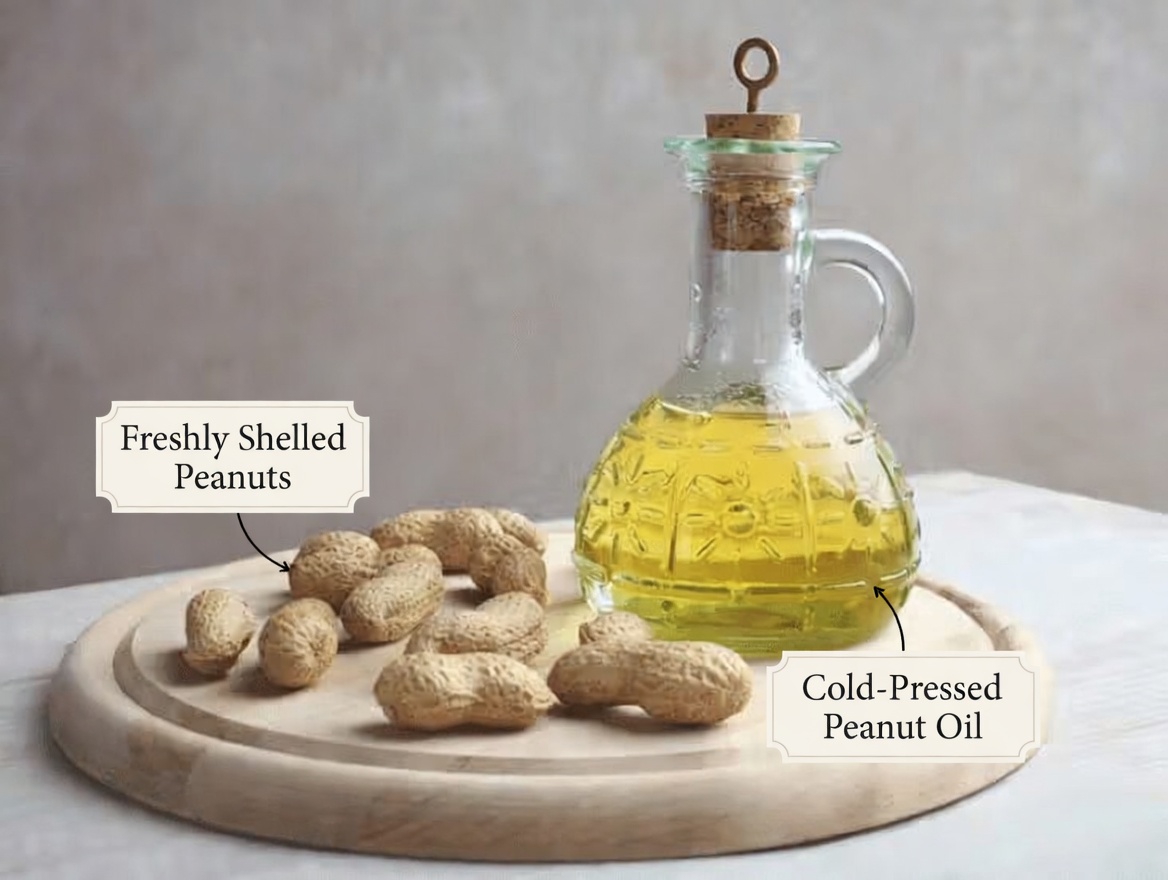
Peanut Oil
Peanut oil is another option frequently mentioned for its monounsaturated fat content and cooking stability. It can be especially useful for higher-heat cooking. Although whole peanuts may need portion control in some kidney conditions due to their mineral content, the oil itself is often considered a workable kitchen choice. -
Avocado Oil
Avocado oil provides heart-friendly fats similar to those found in olive oil. Its high smoke point makes it ideal for roasting, grilling, and cooking at higher temperatures. It also adds a mild flavor that blends easily into balanced meals.
These oils have one major advantage in common: they are primarily unsaturated fats, making them useful replacements for less favorable cooking fats.
4 Fats to Limit More Carefully
Knowing what to use more often is only part of the picture. It is just as important to recognize fats that may be less supportive when eaten regularly, especially for people paying attention to both kidney and heart health.

-
Butter
Butter is high in saturated fat. While small amounts may fit into an overall balanced diet, many kidney-focused nutrition resources suggest using it less often and choosing plant-based oils more frequently to support healthier cholesterol levels. -
Lard and Other Animal Fats
Animal fats that stay solid at room temperature are usually rich in saturated fat. They are common in traditional recipes, but reducing them is generally consistent with long-term heart and kidney health recommendations. -
Trans Fats in Processed Foods
Trans fats are strongly discouraged by health experts. They may appear in some fried foods, packaged baked goods, and certain margarines. On ingredient lists, they are often labeled as partially hydrogenated oils. These fats can increase inflammation and negatively affect multiple body systems. -
Large Amounts of Coconut Oil or Palm Oil
Although these oils are sometimes marketed as healthy, they are still high in saturated fat. For people following kidney-friendly eating habits, using them sparingly or choosing other oils more often is usually the better approach.
The positive side is that healthier eating does not require giving up every favorite food. Often, it is more about frequency, portion size, and smart substitutions.
Simple Ways to Make Better Fat Choices Daily
Understanding the difference between supportive and less supportive fats is helpful, but the real benefit comes from putting that knowledge into practice. These easy steps can help you start:
-
Review your pantry
Take a few minutes to check the oils, spreads, and packaged foods you use most often. If something is high in saturated fat or contains trans fats, consider replacing it with olive oil, canola oil, peanut oil, or avocado oil. -
Try small cooking swaps
Use olive oil or avocado oil instead of butter when roasting vegetables or preparing simple meals. Even one small change per day can create momentum. -
Watch portion sizes
Healthy fats are still calorie-dense. Moderate amounts are usually enough, and many people find that one to two tablespoons per meal is sufficient. -
Include omega-3-rich foods
If it fits your nutrition plan, fatty fish such as salmon can be a helpful addition a couple of times a week. These polyunsaturated fats may support a healthier inflammation response. -
Ask for professional guidance
A registered dietitian with experience in kidney health can help tailor fat choices to your lab values, medical condition, and treatment goals.
For many people, these adjustments feel much more manageable than a complete diet overhaul. Over time, small changes can reduce stress around eating and make healthy routines feel more natural.
Building Habits That Last
Improving your fat choices does not require perfection. What matters most is steady progress and choosing options you can realistically maintain. A good place to begin is with one simple swap, such as replacing your usual cooking fat with canola oil or olive oil this week.
As these habits become more familiar, they often feel less like a restriction and more like a routine. It can also help to notice how you feel over time and discuss any adjustments with your healthcare team.
There is one more important detail many people do not consider: how oils are handled matters too. Reheating the same oil repeatedly can create compounds that are not ideal for overall health. Using fresh, good-quality oils and avoiding repeated overheating is a smart additional step.
Final Thoughts on Fats and Kidney Health
Choosing more supportive fats and cutting back on less helpful ones is a practical way to care for your body. These decisions can influence both heart and kidney wellness in meaningful ways. Even modest, consistent improvements can add up over time.
Staying informed and making thoughtful substitutions gives you more control over your daily routine and helps you move beyond food confusion and diet trends.
Frequently Asked Questions
What is the best everyday oil for kidney health?
There is no single perfect oil for everyone. Olive oil and canola oil are often recommended because they are versatile and have a favorable fat profile. The best choice for you may depend on your overall diet, lab results, and health needs, so personalized advice is always helpful.
Can I still eat peanuts or peanut butter?
Peanut oil is often seen as a reasonable cooking fat. However, whole peanuts and peanut butter contain phosphorus and protein, which may need to be monitored in certain kidney conditions. Small portions may be appropriate, but it is best to review this with your doctor or dietitian based on your kidney function and lab work.
How can I tell if the fats in my diet are appropriate?
Look at your overall eating pattern instead of focusing on just one food. Aim to get more fats from plant sources and limit heavily processed foods or items high in saturated fat. Regular follow-up with your healthcare provider can help you understand whether your diet is supporting your health goals.
Disclaimer
This article is intended for educational and informational purposes only. It should not be considered medical advice and is not a substitute for professional care. Always consult your doctor or a qualified healthcare professional before making major dietary changes, especially if you have kidney disease or other ongoing health conditions.