
Magnesium-Rich Foods That May Support Muscle Comfort and Leg Health as You Age
As people grow older, occasional leg tightness or a sense of restlessness can become more noticeable, especially in the evening when the body is trying to relax. These sensations may interfere with sleep and can leave daily routines feeling more draining than before. Everyday factors such as physical activity, fluid intake, and overall diet all influence how muscles feel from one day to the next.
Among the nutrients commonly discussed for muscle health, magnesium stands out. Nutrition professionals often emphasize its importance, and one of the easiest ways to increase magnesium intake is through simple, flavorful foods you can include in regular meals. Interestingly, several of the best sources are common ingredients you may already keep at home or can easily find at the supermarket.
Why Magnesium Matters for Muscle Function in Older Adults
Magnesium is an essential mineral involved in more than 300 biochemical processes throughout the body. It is especially important for functions related to muscle contraction and relaxation. As the years go by, nutrient absorption may become less efficient, and eating habits may shift, making it more important to pay attention to magnesium-rich foods.
Health experts often note that getting enough magnesium through diet may help support overall comfort, energy, and well-being. Although research findings on individual outcomes may differ, many health organizations agree that a balanced eating pattern that includes magnesium-containing foods is a key part of healthy aging. Magnesium also works alongside other minerals, including potassium and calcium, which appear in many of the foods listed below. Together, these nutrients may help support normal muscle function.

5 Best Magnesium-Rich Foods for Seniors
The following five foods are excellent choices for older adults who want easy, affordable, and nutritious ways to support muscle health. Each option delivers magnesium while also bringing additional nutritional benefits and flexibility in meal planning.
1. Pumpkin Seeds
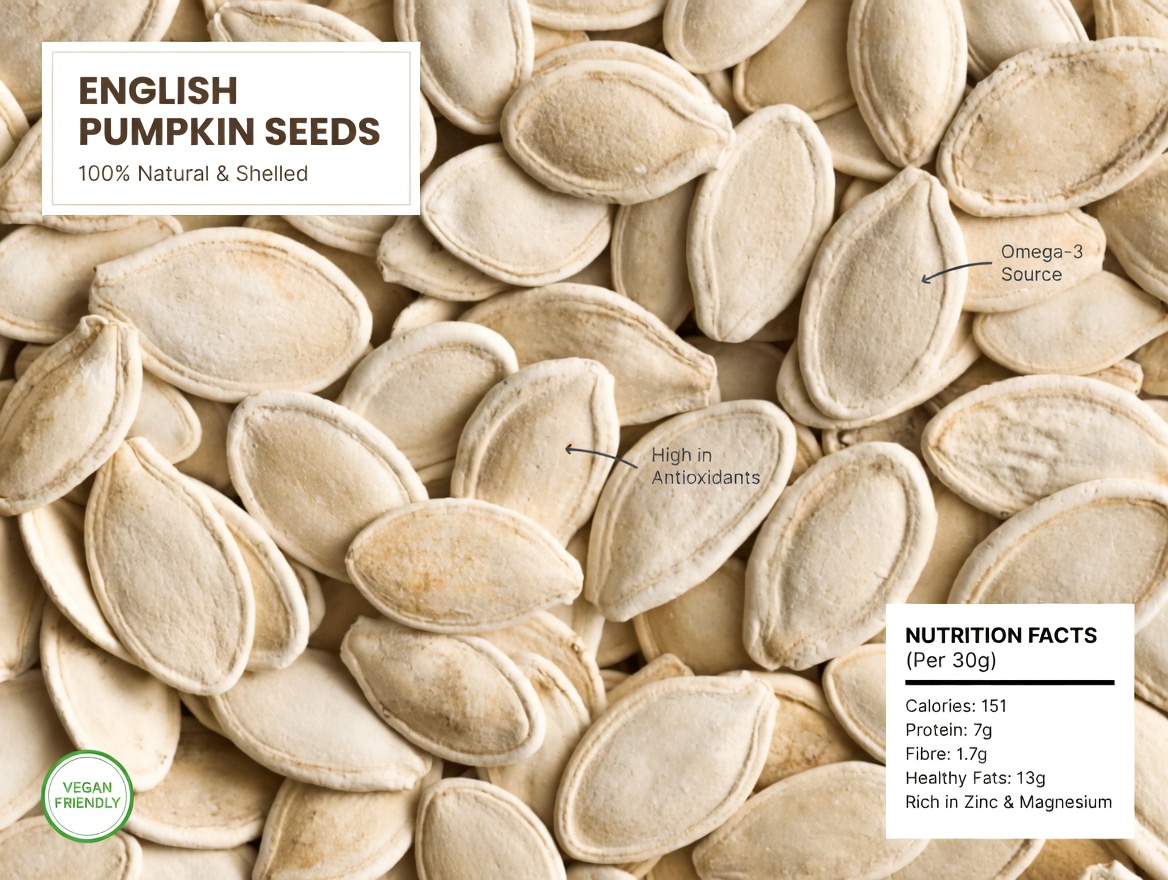
Pumpkin seeds, also called pepitas, are one of the richest food sources of magnesium. Just one ounce can provide more than 150 mg of magnesium, making them a powerful addition to your diet.
They are especially helpful for seniors because they are easy to eat, and if chewing is an issue, they can be ground or added in softer preparations. In addition to magnesium, pumpkin seeds contain protein and healthy fats.
Easy ways to eat pumpkin seeds:
- Sprinkle them over oatmeal or yogurt in the morning
- Add them to salads for texture and flavor
- Lightly roast them with olive oil and herbs for a quick snack
2. Spinach and Other Leafy Greens
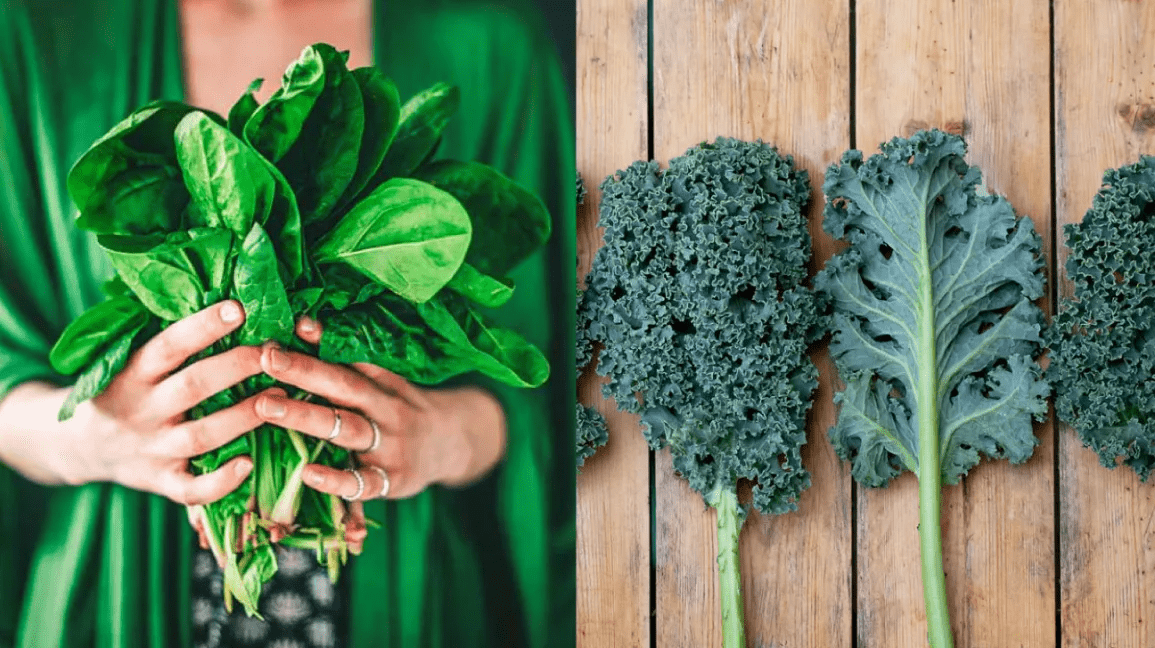
Spinach and similar leafy vegetables are well known for their magnesium content. A half-cup of cooked spinach supplies about 78 mg or more of magnesium, along with a range of vitamins and minerals that support overall health.
These greens are budget-friendly, widely available, and easy to prepare in gentle, cooked forms that may be easier on digestion.
Simple ways to add leafy greens to meals:
- Sauté spinach with garlic for a quick side dish
- Blend greens into smoothies
- Stir them into soups, stews, or scrambled eggs
Leafy greens also provide fiber and contribute to hydration, both of which complement a healthy diet.
3. Almonds
A small handful of almonds—about one ounce—contains roughly 80 mg of magnesium. They are a convenient snack and also provide vitamin E and heart-healthy fats.
This matters because almonds can help keep you satisfied between meals and may support steadier energy throughout the day. They are also available in several forms, making them suitable for different needs and preferences.
Ways to enjoy almonds:
- Eat them raw or lightly roasted as a snack
- Chop and sprinkle them over salads or cooked vegetables
- Spread almond butter on whole grain toast
For those with chewing difficulties, almond butter or sliced almonds may be easier options.
4. Sweet Potatoes
Sweet potatoes are another excellent food to include. They provide magnesium along with potassium and other beneficial nutrients. A medium baked sweet potato can make a valuable contribution toward daily magnesium intake.
Their naturally soft texture when cooked makes them especially practical for older adults. They are also versatile and easy to pair with many meals.
Serving ideas for sweet potatoes:
- Bake or microwave and mash with a little cinnamon
- Blend into soups or add to stews
- Slice and bake into oven fries
Their natural sweetness can also reduce the need for added sugar in meals.
5. Black Beans and Other Legumes
Black beans and other legumes are strong magnesium sources, offering around 120 mg per cooked cup. They also provide fiber and plant-based protein, making them a smart, budget-conscious food for meal planning.
They are popular because they are inexpensive, easy to store, and can be cooked or blended into softer textures when needed.
Practical ways to use black beans:
- Add them to salads, grain bowls, or tacos
- Blend them into dips or spreads
- Include them in soups, chili, or stews
If using canned beans, rinsing them well can help reduce sodium.
Simple Ways to Increase Magnesium Naturally
Making small dietary changes can have a meaningful impact over time. Instead of relying on just one food, try to include a mix of magnesium-rich choices throughout the week. Variety helps provide a wider range of nutrients and keeps meals more enjoyable.
A few helpful strategies include:
- Pair magnesium-rich foods with sources of healthy fat
- Rotate between seeds, greens, legumes, nuts, and vegetables
- Increase fiber-rich foods gradually to allow digestion to adjust comfortably
Consistency is often more effective than making drastic changes all at once.
A Simple Daily Meal Plan for More Magnesium
Adding these foods to your day does not require complicated cooking. Here is one easy example of how they can fit into regular meals:
- Breakfast — Oatmeal topped with pumpkin seeds and chopped almonds
- Lunch — A spinach salad with black beans and diced sweet potato
- Snack — Fresh fruit with a spoonful of almond butter
- Dinner — Grilled fish or chicken with sautéed leafy greens on the side
This kind of meal pattern can make healthy eating feel manageable while still being flavorful and satisfying.
Other Habits That May Help Support Leg Comfort
Diet is important, but it works best when combined with other supportive habits. Health professionals often recommend a few simple lifestyle practices that may help improve comfort and overall well-being.
Helpful habits include:
- Drinking enough water throughout the day
- Doing gentle stretching
- Taking short walks or staying lightly active
- Following a regular sleep schedule
- Paying attention to how your body feels
It is also wise to speak with your healthcare provider for individualized guidance, especially if symptoms are frequent or concerning.
Conclusion
Including pumpkin seeds, spinach, almonds, sweet potatoes, and black beans in your regular diet is a practical and enjoyable way to support healthy muscle function as you age. These foods are easy to find, simple to prepare, and versatile enough to fit into many eating styles.
Starting with just one or two small changes can make the process feel easy and sustainable. Over time, those consistent habits may lead to meaningful improvements in how you feel each day.
FAQ
How much magnesium do older adults need each day?
For adults over age 51, the general recommended daily intake is about 420 mg for men and 320 mg for women. Individual needs can vary, so it is best to focus on food first and ask your doctor if you have questions about your personal requirements.
Can you eat too many magnesium-rich foods?
Getting too much magnesium from food alone is uncommon. Unlike supplements, whole foods rarely lead to excessive intake in most healthy individuals. For most people, these foods can be safely enjoyed as part of a balanced diet.
What if I have trouble chewing or follow dietary restrictions?
Many magnesium-rich foods can be prepared in softer or easier-to-eat forms. Examples include:
- Mashed sweet potatoes
- Smoothies blended with spinach
- Ground pumpkin seeds
- Almond butter instead of whole almonds
If you have specific dietary limitations, a registered dietitian can help you choose the best options.
Disclaimer
This article is intended for educational purposes only and should not be considered medical advice. Always consult your healthcare provider before making major dietary changes or if you have concerns about leg discomfort, muscle symptoms, or your nutritional needs.