Sitting, Posture, and Your Pelvis
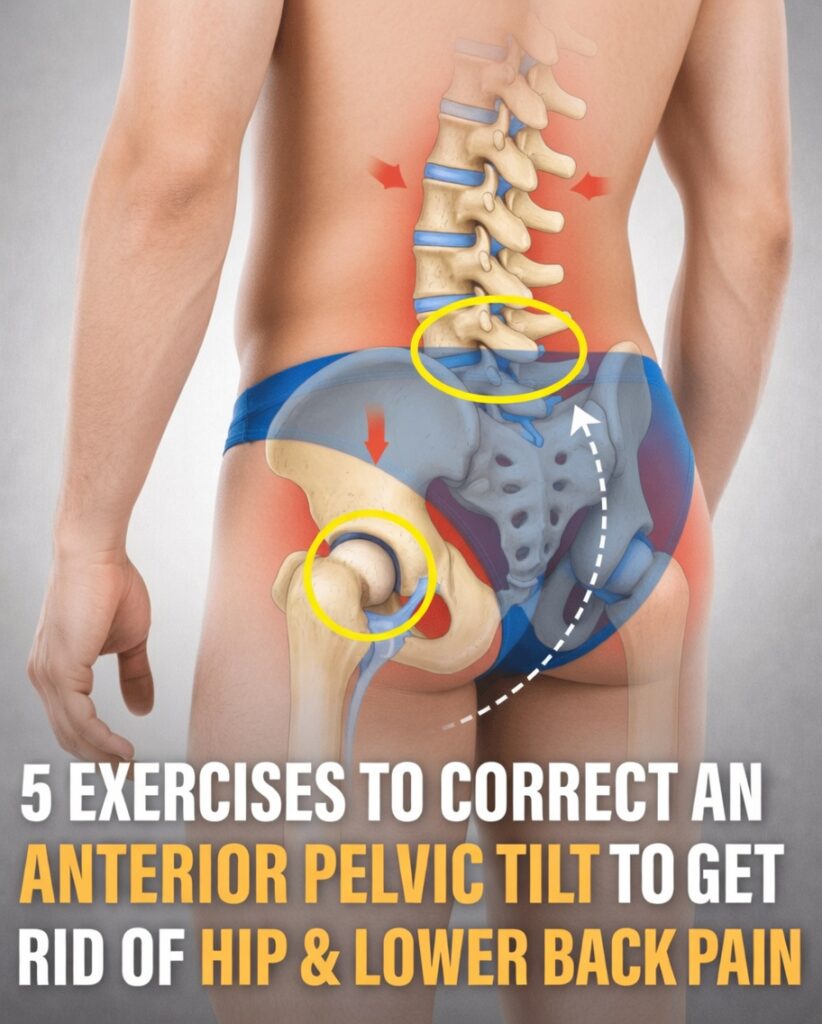
Hours spent at a desk, behind the wheel, or lounging on the couch can gradually change the way you hold your body. Over time, this routine often encourages the pelvis to tip forward, shifting your center of gravity. The result: hips that feel tight, a lower back that works harder than it should, and movements that seem a little less smooth and comfortable.
The shift is subtle at first, so many people don’t notice it until stiffness, discomfort, or posture changes become hard to ignore. The encouraging part is that specific, targeted exercises can strengthen key muscles and lengthen tight areas, helping restore a more balanced alignment.
Stay with this guide to the end—there’s a simple daily “reset” habit that ties everything together and makes building better posture feel surprisingly easy.
What Is Anterior Pelvic Tilt?
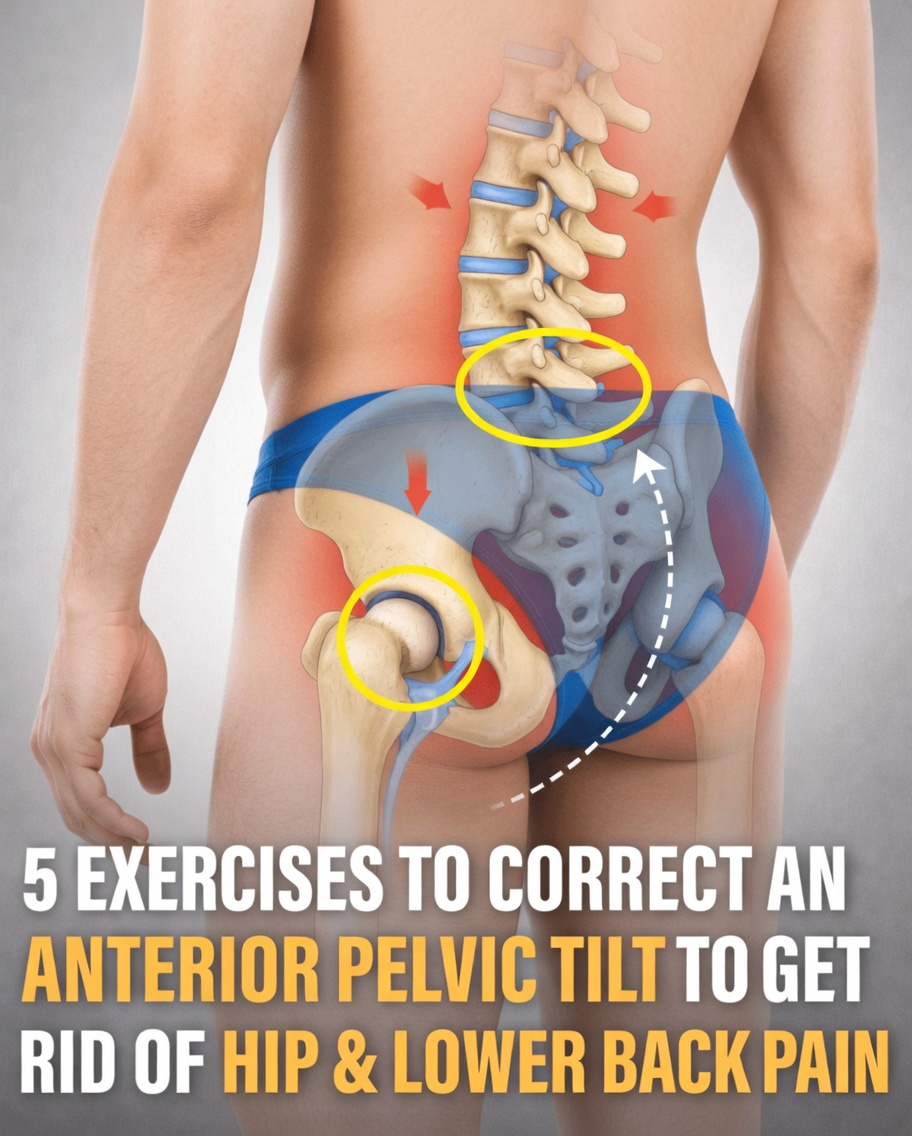
Anterior pelvic tilt is a very common postural pattern where the front of your pelvis rotates downward while the back rotates upward. This position exaggerates the natural curve in your lower spine and influences how your core, hips, and lower back share the workload.
It usually develops gradually. Many adults walk around with some degree of anterior pelvic tilt without realizing it until they notice how they stand, how their hips feel, or how their lower back responds during daily tasks.
Research indicates that this posture often stems from muscular imbalances:
- Hip flexors at the front of the hips become short and tight.
- Glute muscles and abdominals become relatively weak and underused.
The positive news: improving awareness, moving more often, and using a few focused anterior pelvic tilt exercises can help guide your pelvis back toward a more neutral position.
Common Causes of Anterior Pelvic Tilt
A number of everyday habits contribute to this forward tilt of the pelvis. Some of the most frequent contributors include:
- Long periods of sitting at a desk, in the car, or on the sofa
- Weak core and glute muscles due to lack of regular strength training
- Tight hip flexors from minimal stretching and prolonged sitting
- Poor standing posture, such as locking the knees or leaning on one hip
- Limited mobility work or general inactivity
Understanding what drives the imbalance is the first step toward creating small, sustainable changes that protect your posture over time.
Why Better Pelvic Alignment Matters
When your pelvis is closer to a neutral position, the entire system of muscles around your spine and hips works more efficiently. Some of the benefits include:
- Your core activates more effectively to support your spine.
- Your hips tend to feel looser and more mobile.
- Your lower back experiences less unnecessary strain.
Studies show that consistent stretching and strengthening can noticeably improve pelvic alignment within a matter of weeks. This isn’t about quick tricks or extreme routines; it’s about building a manageable, repeatable habit that supports your body for the long term.
5 Simple Exercises to Help Support Pelvic Alignment
The following five exercises focus on the key muscles involved in anterior pelvic tilt: hip flexors, glutes, hamstrings, and the core. They require no equipment and can be done at home in just a few minutes.
Aim to perform them 3–4 times per week. Start with lower repetitions and gradually increase as your strength and control improve. Move slowly, pay attention to your form, and stop if you feel sharp or unusual pain.
1. Half-Kneeling Hip Flexor Stretch
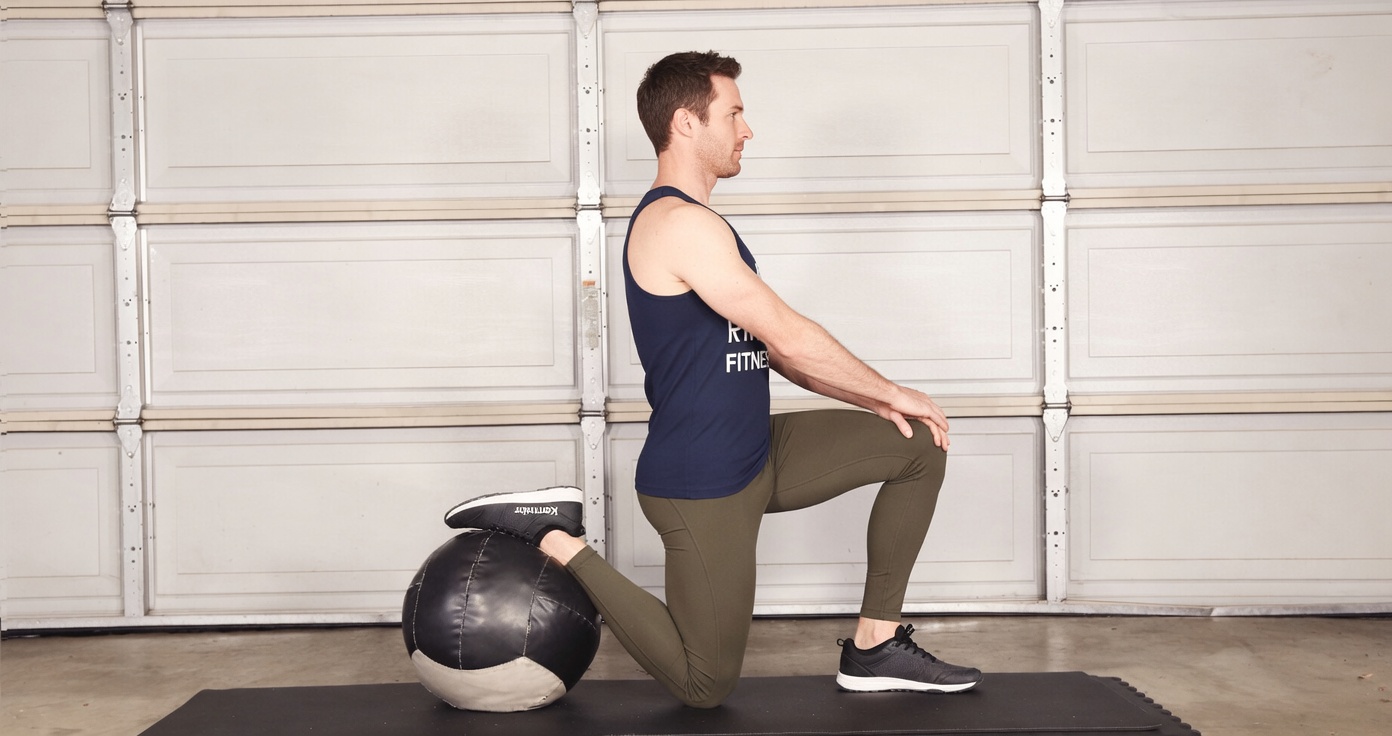
This stretch targets the hip flexors at the front of your hip, which are often tight in people who sit a lot and can pull the pelvis forward.
How to do it:
- Begin in a half-kneeling position:
- Place your right knee on the floor (you can use a cushion or folded towel).
- Place your left foot in front of you, knee bent at 90 degrees.
- Gently tighten your glutes and engage your core to tuck your pelvis slightly under.
- Lean your body forward a small amount until you feel a comfortable stretch in the front of your right hip (not pain).
- Hold for about 30 seconds, breathing steadily.
- Switch legs and repeat.
- Perform 3–5 rounds per side.
2. Bridge
The bridge exercise strengthens your glutes and hamstrings and encourages your core to work, helping counteract the muscle imbalances that contribute to anterior pelvic tilt.
How to do it:
- Lie on your back with your knees bent and feet flat on the floor, hip-width apart.
- Press your lower back gently toward the floor to engage your core.
- Drive through your heels and lift your hips until your body forms a straight line from your knees to your shoulders.
- Squeeze your glutes at the top and hold for 5–10 seconds.
- Lower your hips slowly and with control.
- Repeat for 8–12 repetitions.
3. Kneeling Leg Lift with Back Stretch
This move combines core stability, glute activation, and a gentle lower-back stretch, making it helpful for both strength and mobility.
How to do it:
- Start on all fours, with your hands under your shoulders and knees under your hips. Keep your spine in a neutral position.
- Draw your belly button slightly toward your spine and exhale as you gently round or arch your back just enough to feel your core engage—not a deep curve.
- Extend your right leg straight back behind you, lifting it only to hip height while keeping your back stable and your pelvis level.
- Hold this position for up to 5 seconds, maintaining steady breathing.
- Lower your leg back down with control.
- Repeat on the left side.
- Perform 8–10 repetitions per leg.
4. Squats
Squats strengthen your quads, glutes, and core while teaching your body to hinge at the hips rather than dumping stress into the lower back.
How to do it:
- Stand with your feet about shoulder-width apart, toes pointing forward or slightly outward.
- Engage your core and keep your chest lifted.
- Bend your knees and push your hips back as if you’re sitting into a chair, keeping your weight mostly in your heels.
- Ensure your knees track in line with your toes and do not cave inward.
- Press through your heels to return to standing, squeezing your glutes at the top.
- Complete 12–15 slow, controlled repetitions.
5. Posterior Pelvic Tilt
This fundamental exercise helps you understand and practice the movement of tucking your pelvis, which is crucial for balancing out anterior pelvic tilt.
How to do it:
- Lie on your back with your knees bent and feet flat on the floor.
- Inhale, then as you exhale, gently draw your belly button toward your spine.
- Tilt your pelvis so your lower back presses lightly into the floor—imagine flattening the small space under your spine.
- Hold this position for about 5 seconds, breathing normally.
- Relax and return to the starting position.
- Perform 15–20 repetitions per set.
The Simple Habit Most People Skip
To amplify the effect of these anterior pelvic tilt exercises, pair them with quick posture “check-ins” throughout your day.
Set a reminder on your phone or computer every hour to:
- Stand up or change position.
- Gently tuck your pelvis toward neutral.
- Take 10 slow, deep breaths while maintaining this alignment.
This tiny routine reinforces your new movement patterns and helps undo the impact of long sitting sessions.
Tips for Getting the Most Out of These Exercises
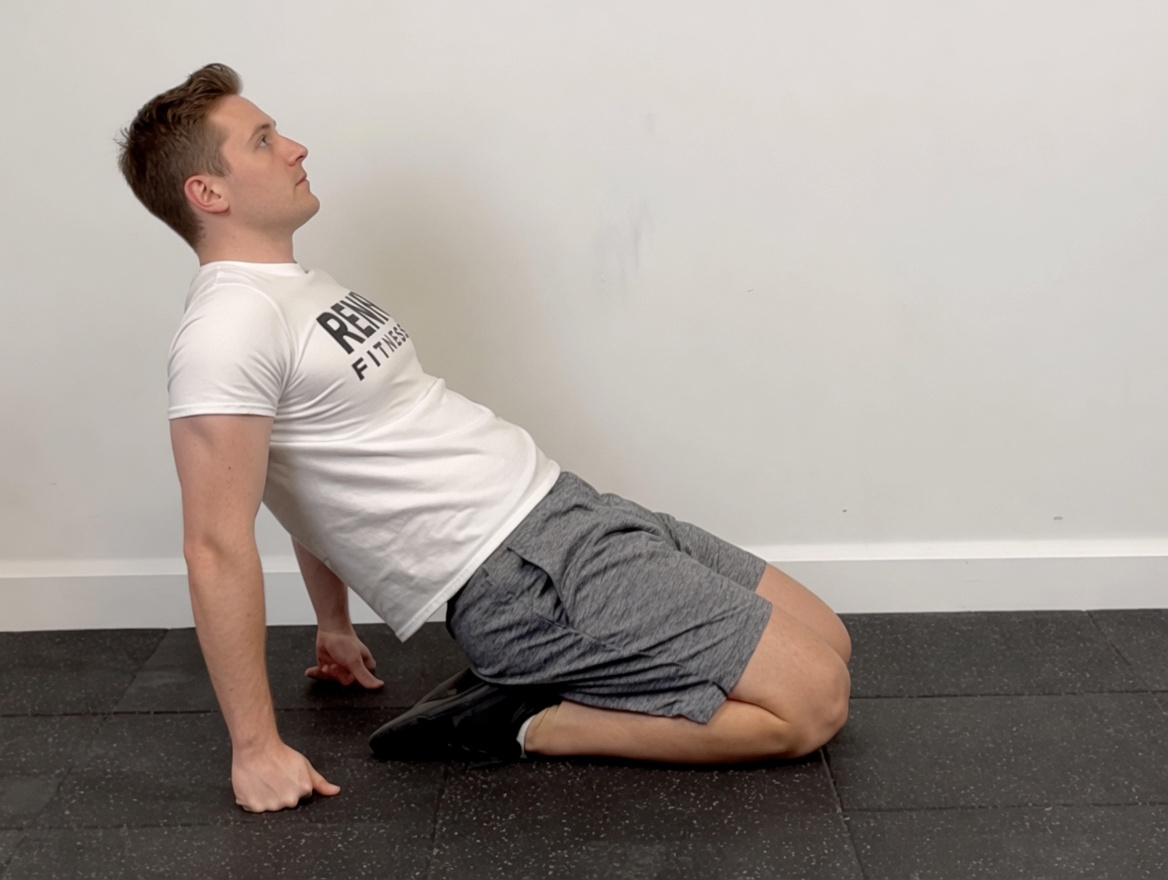
- Warm up with 5 minutes of light activity, such as walking, before starting.
- Prioritize quality over quantity—slow, controlled movements are more effective than rushing.
- Coordinate your breathing: exhale during the effort phase, inhale during the easier phase.
- Notice progress by observing how your posture looks in the mirror or how your clothes sit on your hips and waist.
- Add daily walks to keep your hips and lower back moving freely.
Additional Daily Habits to Support Better Posture
Lifestyle adjustments can make a big difference in maintaining a healthier pelvic position:
- Stand up at least every 30–45 minutes if you work at a desk.
- Choose a chair that supports your lower back and encourages an upright posture.
- Practice balanced standing by keeping your weight evenly distributed through both feet, rather than leaning on one side.
- Swap part of your evening screen time for a short walk or gentle mobility session.
Over time, these small choices help your body “remember” better alignment automatically.
Conclusion
Improving pelvic alignment and reducing anterior pelvic tilt doesn’t require specialized equipment or long workouts. By consistently practicing these five exercises and pairing them with brief posture resets and simple daily habits, you can:
- Strengthen the muscles that support your hips and spine
- Release tension in areas that tend to get tight
- Move with greater ease and comfort throughout your day
With a few weeks of steady practice, many people notice more natural posture, less stiffness, and a body that simply feels better supported.
Frequently Asked Questions
How often should beginners do these exercises?
If you’re new to this type of training, aim for 3 sessions per week, with at least one rest day between sessions. Most people start noticing steady improvements in strength, awareness, and comfort after 4–6 weeks of consistent practice.
Can I do these exercises if I sit at a desk all day?
Yes. These moves are especially beneficial if you spend long hours sitting. In addition to your exercise sessions, try to stand up and reset your posture every hour to prevent your muscles from tightening back up.
Do I need any equipment?
No equipment is required. All five exercises use your body weight. A yoga mat, folded blanket, or towel can make kneeling and floor exercises more comfortable.
Disclaimer
This content is for informational and educational purposes only and is not a substitute for professional medical advice, diagnosis, or treatment. Always consult your healthcare provider, doctor, or a qualified physical therapist before starting any new exercise program, especially if you have existing injuries, pain, or medical conditions.