When “Normal” Aches Aren’t So Normal
You wake up after a full night’s sleep but feel strangely exhausted. Or you notice a nagging pull in your neck and assume it’s from sleeping in a bad position or too many hours at your laptop. These everyday annoyances are so common that most people shrug them off and move on.
For thousands of people each year, though, these quiet, ordinary sensations are actually early warnings of a heart attack happening without the dramatic chest pain we see in movies.
And here’s the tricky part: these signals are often so subtle that they’re easy to overlook until real damage has already been done. By the end of this guide, you’ll have a clear, easy-to-remember checklist of six commonly missed silent heart attack symptoms, plus practical actions you can start taking today.
Why Silent Heart Attacks Are So Easy to Miss
Not every heart attack announces itself with crushing pain in the center of the chest. Studies from organizations like the American Heart Association show that “silent” or atypical heart attacks make up a significant share of all heart events, especially among women and older adults.
People often misinterpret these quieter signs as:
- Stress or anxiety
- Indigestion or a mild stomach bug
- Muscle strain, joint pain, or simple fatigue
When that happens, crucial minutes—or even days—pass before anyone seeks medical help.
The encouraging news: understanding these subtle clues can turn vague, confusing sensations into specific, actionable information.
6 Silent Heart Attack Signs Many People Ignore
These symptoms can appear alone or in combination. They are often dismissed as minor issues, which is exactly why they are so dangerous.
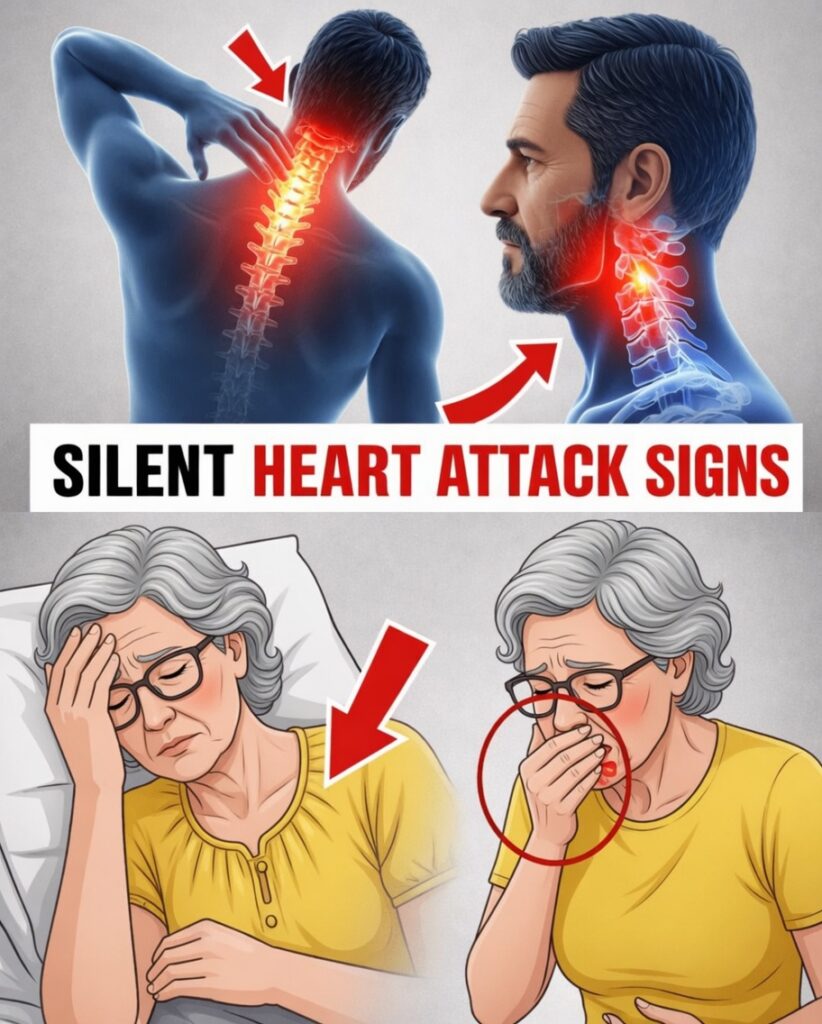
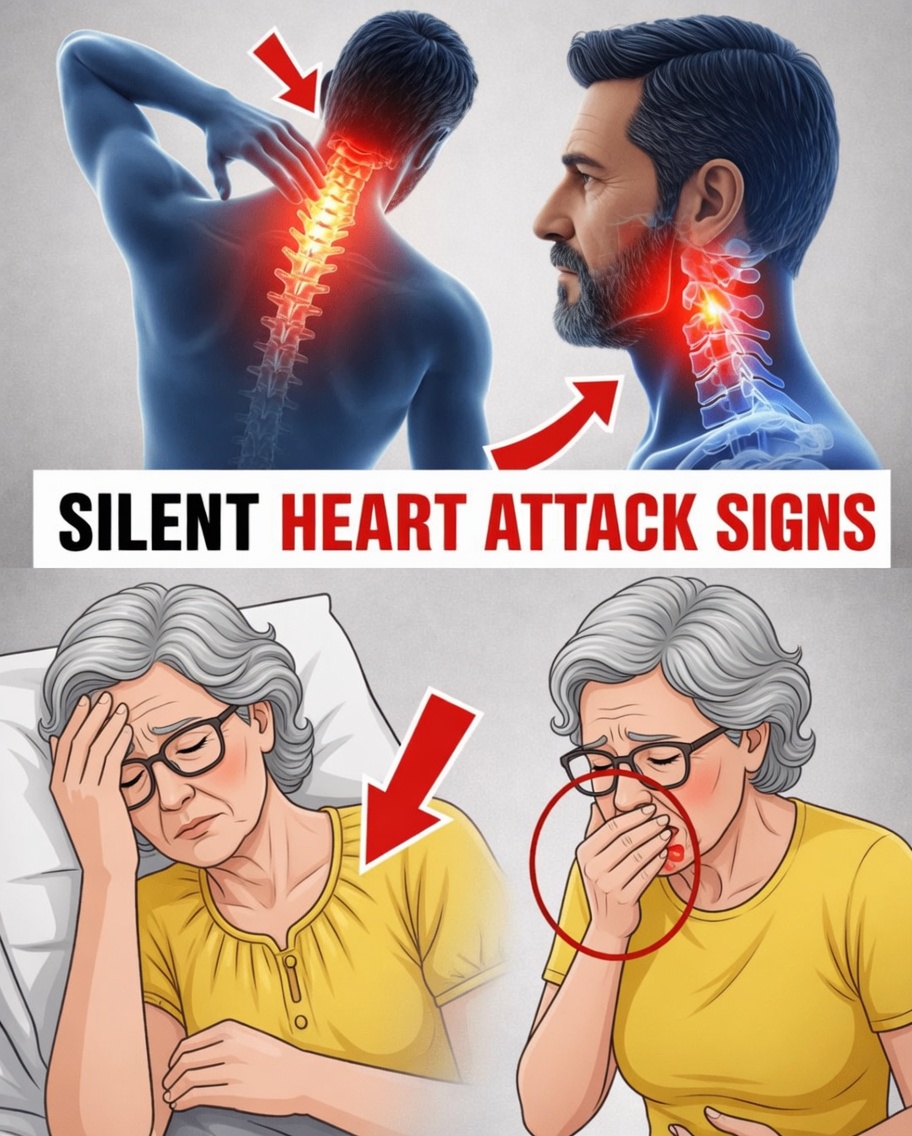
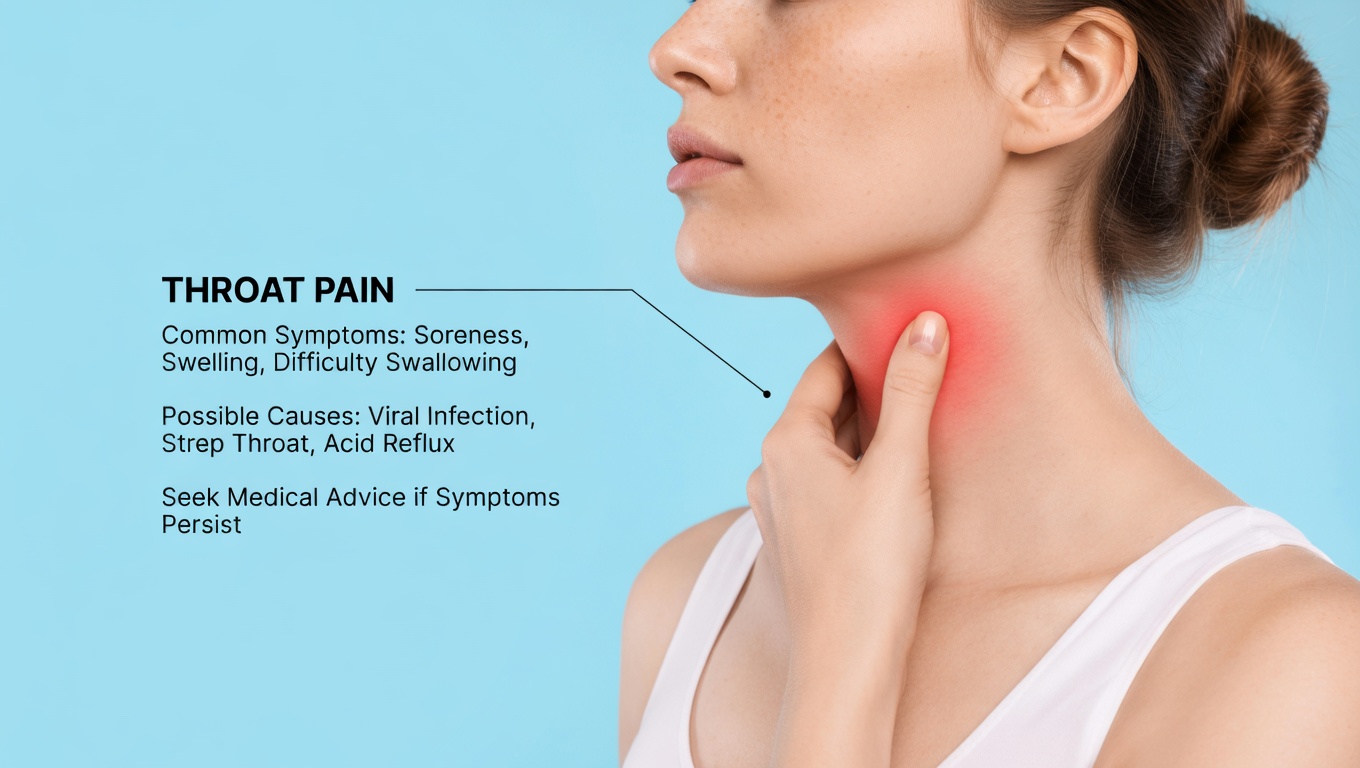
1. Unexplained Discomfort in the Jaw, Neck, or Throat
A sudden tightness, pressure, or dull ache in your jaw, neck, or throat that comes and goes is easy to blame on teeth grinding, sinus problems, or a bad pillow.
However, experts at major heart centers, including Mayo Clinic, report that pain from the heart can sometimes radiate upward without any chest pain at all. Because it can feel exactly like a pulled muscle or a tension headache, many people never connect it to their heart.
2. Pain or Pressure in the Shoulders, Upper Back, or Arms
A persistent ache between the shoulder blades, across the upper back, or in one or both arms often gets written off as:
- A tough workout
- Carrying something heavy
- Sleeping in an awkward position
Cleveland Clinic and other medical sources note that this pattern can be a classic heart warning—especially when the discomfort is new, unexplained, or feels different from your usual muscle soreness. The pain may be steady or come in waves, which makes it easy to ignore until other symptoms appear.
3. Unusual Fatigue That Rest Doesn’t Fix
Feeling tired after a late night or a stressful week is normal. What’s more concerning is:
- Waking up feeling exhausted even after sleeping well
- Feeling wiped out by everyday activities that never used to bother you, such as walking a short distance or climbing a few stairs
Research shows that this deep, unexplained fatigue can be one of the earliest signals of a heart problem, particularly in women, who report this symptom more frequently than men.
4. Shortness of Breath During Usual Activities
If you suddenly find yourself breathing harder than usual while:
- Walking a short distance
- Talking on the phone
- Doing light household tasks
you might blame allergies, being out of shape, or getting older. But the American Heart Association lists unexplained shortness of breath—especially if it starts suddenly or feels worse than normal—as a key warning sign. It can occur with or without chest discomfort.
5. Nausea, Indigestion, or Upset Stomach
A churning stomach, mild heartburn, or a general “off” feeling in your digestive system often seems like:
- Food that didn’t agree with you
- Gastritis or reflux
- Stress or nerves
Yet medical resources such as WebMD highlight that nausea, indigestion, or abdominal discomfort can signal a heart attack, even when there is no chest pain at all. This is particularly true if these sensations are new, intense, or occur with other symptoms like sweating or shortness of breath.
6. Cold Sweats, Dizziness, or Feeling Faint
Breaking out in a sudden cold sweat or feeling lightheaded while sitting still or doing something simple is frequently blamed on:
- Low blood sugar
- Dehydration
- Hot flashes
However, a wave of clamminess, unexplained dizziness, or feeling like you might pass out can be a strong silent warning from your heart. Even though it doesn’t seem “cardiac” at first, experts urge that this combination should never be taken lightly—especially if it appears alongside any of the other signs above.
Everyday Issues vs. Possible Heart Warnings
Use these quick comparisons to help you tell ordinary discomfort from a potential silent heart attack symptom:
-
Typical daily fatigue:
- You stayed up late or had a stressful day.
- You feel better after rest or a good night’s sleep.
-
Potential warning sign:
- You feel exhausted for days without a clear reason.
- Normal activities suddenly feel unusually difficult or draining.
-
Typical neck or jaw stiffness:
- Comes after long hours at a computer or obvious strain.
- Improves with stretching, changing posture, or rest.
-
Potential warning sign:
- Sudden jaw, neck, or throat discomfort that appears without injury.
- Pain that spreads or feels different from your usual tension or stiffness.
If something feels “off” and doesn’t behave like your usual aches and pains, it’s worth paying attention.
Simple Daily Habits to Stay More Aware
You don’t need special devices or complicated routines to tune into your heart health. These small steps can fit into almost any lifestyle:
-
Keep a brief symptom log
Use your phone or a notebook to jot down episodes of unusual tiredness, breathlessness, pain, or dizziness. -
Look for patterns
Notice when the sensations appear:- After meals
- During light activity
- While resting or sitting still
-
Talk honestly with your doctor
Mention recurring discomfort—even if it feels mild, vague, or hard to describe. Consistent “small” symptoms can tell an important story. -
Know your personal risk profile
Ask your healthcare provider about your risk factors—such as age, blood pressure, cholesterol levels, smoking, diabetes, or family history—so you can respond more quickly to changes. -
Move gently and check in with your body
Daily walking or light exercise can help you notice if certain activities suddenly become harder than before or trigger unusual symptoms.
The real benefit comes when you combine this awareness with simple lifestyle choices that protect your heart over time.
Key Risk Factors for Silent or Atypical Heart Attacks
Research shows some people are more likely to experience quieter, less obvious heart attack symptoms. Factors that raise the risk include:
- Men over 55 and women over 65
- Family history of early heart disease or heart attacks
- Smoking or regular exposure to secondhand smoke
- High blood pressure (hypertension)
- High cholesterol or triglycerides
- Diabetes or prediabetes
- Excess body weight, especially around the abdomen
- A mostly inactive (sedentary) lifestyle
Knowing where you stand can help you take seemingly “small” symptoms more seriously.

What to Do If You Notice These Signs
If you experience any combination of the symptoms described above—especially if they are new, severe, or don’t match your usual patterns—take them seriously.
- Do not wait to see if it just goes away.
- Contact a healthcare professional promptly to discuss what you are feeling.
- If symptoms are intense, worsening, or you suspect a heart attack, seek emergency medical care immediately (such as calling your local emergency number).
Early medical evaluation can lead to tests that clarify what is happening, reduce the risk of complications, and provide peace of mind. You are not being dramatic or overreacting—you are being proactive and informed.
Frequently Asked Questions
Can a heart attack happen with no chest pain at all?
Yes. Many people have heart attacks with only subtle or “atypical” symptoms, such as fatigue, nausea, or discomfort in the jaw, back, or arms. Mayo Clinic and other major medical centers confirm that silent heart attacks often lack the classic chest pressure most people expect.
Who is most likely to notice these quieter symptoms instead of classic chest pain?
Groups more likely to experience silent or less typical heart attack signs include:
- Women
- Older adults
- People with diabetes
The American Heart Association notes that these individuals often report symptoms like fatigue, indigestion, or jaw and back discomfort rather than intense chest pain.
How can I support my heart every day without getting lost in medical jargon?
Focus on a few simple foundations:
- Eat balanced, minimally processed meals with plenty of vegetables and whole grains.
- Move your body regularly—walking, cycling, or any activity you enjoy.
- Manage stress with techniques that work for you (breathing exercises, meditation, hobbies, social support).
- Avoid smoking and limit alcohol.
- Keep up with routine check-ups and recommended screenings.
These habits help protect your heart and make it easier to spot when something feels truly unusual.
Final Thoughts
Silent heart attacks are a powerful reminder that our bodies don’t always “shout” when something is wrong. Instead, they often whisper through:
- Jaw, neck, or throat discomfort
- Shoulder, back, or arm pain
- Unusual, persistent fatigue
- Shortness of breath with normal activities
- Nausea, indigestion, or stomach upset
- Cold sweats, dizziness, or feeling faint
Individually, these may seem harmless. Together—especially in someone with risk factors—they can be warning signs you should never ignore.
Keep this checklist in mind, share it with people you care about, and most importantly, listen to your body with patience and curiosity. Paying attention today can make a life-changing difference in your future health.
Disclaimer
This article is for informational purposes only and does not replace professional medical advice, diagnosis, or treatment. If you have any concerns about your health or notice symptoms that worry you, always consult a qualified healthcare provider or seek emergency care when appropriate.