
Natural Thyroid Support: Everyday Habits to Boost Energy and Balance
You wake up exhausted, even after a full night’s sleep. Your hair looks thinner, your skin feels rough or dry, and that stubborn belly weight refuses to shift no matter what you try. These subtle changes can sometimes signal that your thyroid—the tiny gland at the base of your neck—isn’t working at its best.
Millions of people live with these nagging symptoms, wondering whether simple, natural habits could help them feel more like themselves again. When your thyroid is out of balance, it can affect your energy, mood, metabolism, and confidence, leaving you frustrated and searching for gentle solutions.
The encouraging news: small lifestyle shifts may offer meaningful support. Keep reading—at the end, you’ll find a calming ginger mint tea recipe that many people enjoy as part of their daily thyroid-friendly routine.
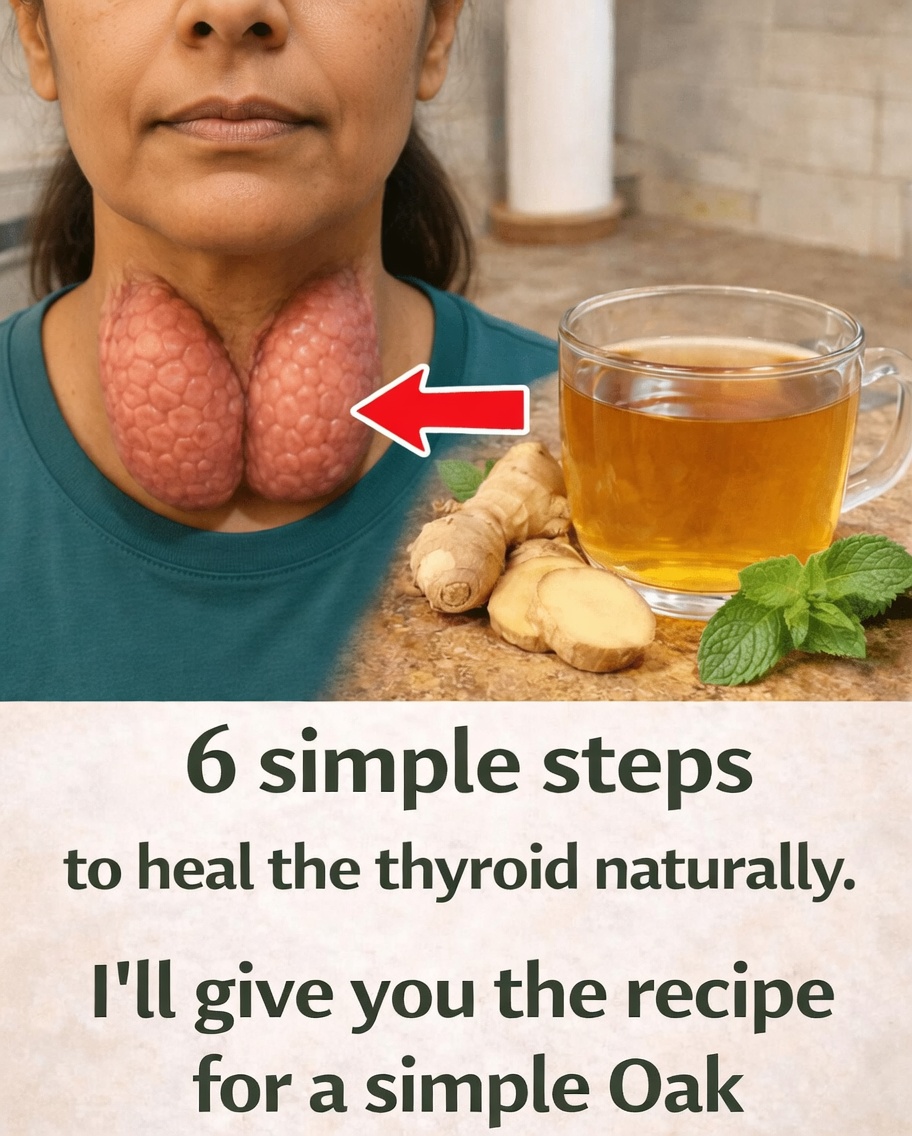
How Your Thyroid Influences Everyday Well-Being
The thyroid is a small, butterfly-shaped gland in your neck, but its impact is anything but small. It helps regulate:
- Metabolism and weight management
- Heart rate and circulation
- Body temperature
- Energy levels and mood
When thyroid function is low or out of sync, you may notice fatigue, sluggishness, changes in weight, or overall discomfort.
Lifestyle choices—especially your diet, stress levels, and activity—can play a supportive role. Scientific studies suggest that certain nutrients and daily habits are closely linked to healthy thyroid function. However, every body is different, and what works well for one person might not be ideal for another.
That’s why focusing on practical, evidence-informed steps can be so powerful. Let’s go through them one by one.
Step 1: Focus on Key Minerals with Nutrient-Rich Foods
Thyroid hormones depend on specific minerals to be produced and converted properly. Making sure your diet includes these nutrients is a foundational step in natural thyroid support.
Iodine: Essential for Hormone Production
Iodine is a core component of thyroid hormones. Without enough iodine, your thyroid can struggle to make what your body needs.
- Choose natural iodine sources like seafood (fish, shrimp) and moderate amounts of iodized salt.
- Avoid going overboard—excess iodine, especially from high-dose supplements, can be counterproductive for some people.
Selenium: Protection and Hormone Conversion
Selenium helps shield the thyroid from oxidative damage and supports the conversion of thyroid hormones into their active forms.
- Brazil nuts are one of the richest natural sources—often just 1–2 nuts a day is enough for many adults.
- Other selenium sources include tuna, turkey, and sunflower seeds.
Zinc and Iron: Supporting Overall Function
Zinc and iron are also involved in hormone production and overall thyroid health.
- Good zinc sources: eggs, beans, nuts, seeds, and lean meats.
- Good iron sources: leafy green vegetables, legumes, and lean red meat.
Thyroid-supportive foods to include regularly:
- Seaweed (such as nori) for natural iodine
- Brazil nuts for selenium
- Eggs for protein and zinc
- Leafy greens for iron and antioxidants
Try weaving a few of these into your meals this week to start building a mineral-rich foundation.
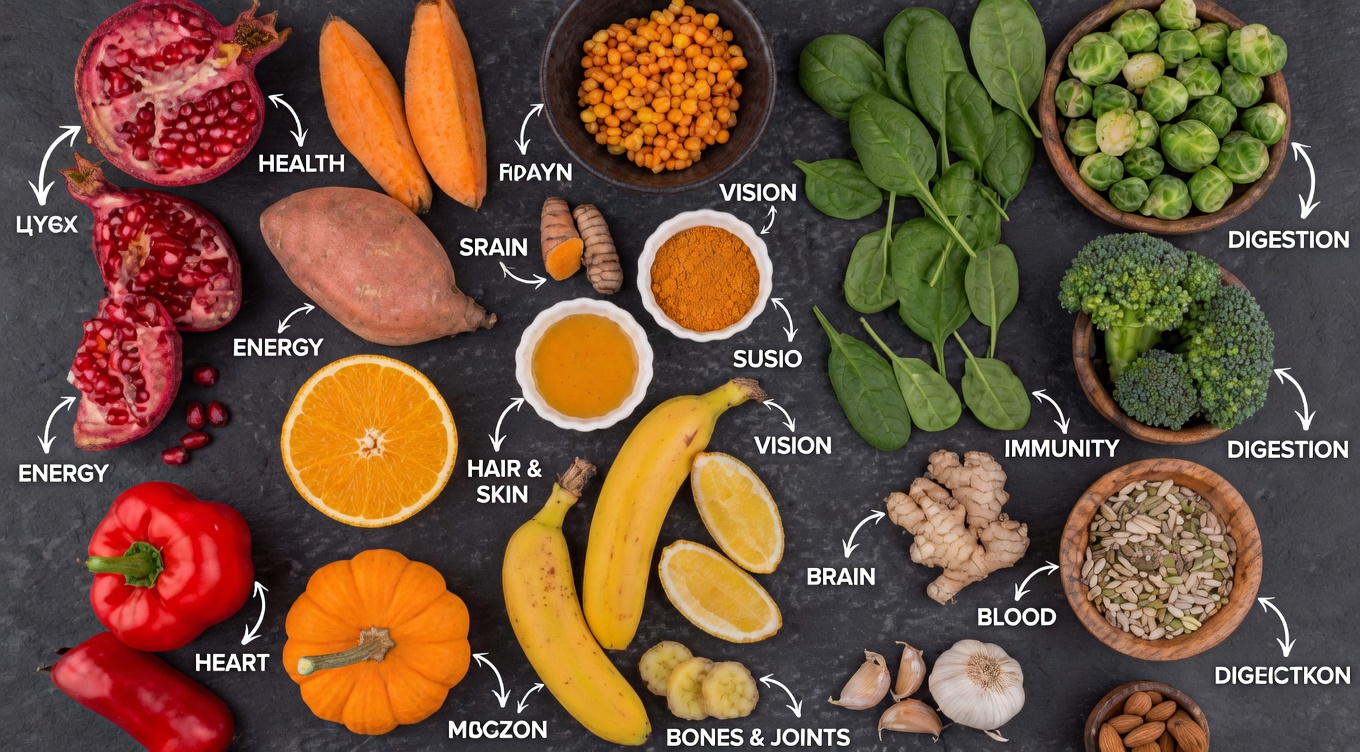
Step 2: Build a Balanced, Whole-Food Diet
Beyond individual minerals, a well-rounded, nutrient-dense eating pattern can help your body—and your thyroid—function more smoothly.
Emphasize Whole, Minimally Processed Foods
Aim for meals built around:
- Colorful vegetables and fruits
- High-quality protein (fish, poultry, legumes, eggs)
- Healthy fats (olive oil, avocados, nuts, seeds)
- Whole grains (oats, brown rice, quinoa)
Add Antioxidants and Anti-Inflammatory Foods
Oxidative stress and chronic inflammation can affect overall hormone balance.
- Antioxidant-rich foods like berries, dark leafy greens, and brightly colored veggies help combat everyday cellular stress.
- Omega-3 fatty acids from fatty fish (salmon, sardines, mackerel), flaxseeds, and chia seeds may help reduce inflammation, which can indirectly support thyroid health.
Be Mindful of Processed Foods and Sugar
Highly processed foods and excess sugar can interfere with blood sugar balance and may contribute to hormonal disruption.
- Limit sugary snacks, sweetened drinks, and ultra-processed convenience foods.
- When possible, choose whole grains over refined grains (e.g., brown rice instead of white rice).
A Simple Guide: Foods to Embrace and to Approach with Care
| Nutrient / Focus | Foods to Embrace | Foods to Limit or Watch Carefully |
|---|---|---|
| Iodine | Seafood, dairy (if tolerated), eggs | High-dose kelp or iodine supplements without medical guidance |
| Selenium | Brazil nuts, tuna, turkey, sunflower seeds | None in normal food amounts (excessive supplementation may be an issue) |
| Zinc & Iron | Beans, nuts, seeds, lean beef, leafy greens | Large amounts of raw cruciferous veggies (e.g., raw kale) in some individuals |
| Antioxidants | Berries, leafy greens, colorful vegetables | Highly processed snacks loaded with sugar and additives |
Perfection isn’t the goal—consistency is. Start with one or two realistic changes, like swapping a sugary snack for berries or choosing whole-grain bread over white.
Step 3: Practice Daily Stress-Reduction Techniques
Chronic stress can influence hormone pathways, including those related to thyroid function. Supporting your stress response is an important part of a holistic thyroid-care strategy.
Simple stress-management ideas:
- Mindfulness or meditation: Spend 5–10 minutes focusing on your breath or using a guided meditation.
- Deep breathing exercises: Slow, intentional breathing can calm your nervous system in just a few minutes.
- Yoga or gentle stretching: Combines movement, breath, and relaxation, making it ideal for busy or tense days.
- Nature breaks: Even a short walk outside or time in a park has been shown to lower stress hormones in many people.
Set a daily reminder on your phone to take a short “stress break.” Over time, these small moments of calm can add up.
Step 4: Move Your Body with Gentle, Regular Exercise
Physical activity supports circulation, metabolism, and overall vitality—key factors when you’re looking to support your thyroid naturally.
- Aim for around 30 minutes of movement most days, such as walking, light jogging, cycling, or beginner-friendly strength training.
- Listen to your body, especially if you’re already feeling drained. It’s okay to start slow with 10–15 minutes and build up as your energy improves.
- Regular exercise can also improve sleep quality, which is closely linked to hormone balance and recovery.
Keeping a simple activity journal or using a fitness app can help you stay consistent and notice improvements over time.
Step 5: Use Herbs and Supplements Carefully and Intentionally
Some herbs and supplements are often discussed in the context of thyroid support, but they should be approached wisely.
Commonly Mentioned Options
- Ashwagandha: An adaptogenic herb that some studies suggest may support stress response and overall hormonal balance.
- Ginger: Known for its anti-inflammatory and digestive-supportive properties, which can indirectly benefit overall well-being.
- B vitamins: Important for energy production and nerve health, especially if your diet is lacking.
- Probiotics: Support gut health, which can influence nutrient absorption and immune balance.
Always speak with a healthcare professional before starting any supplement, especially if you:
- Have a diagnosed thyroid condition
- Take thyroid medication or other prescription drugs
- Are pregnant, breastfeeding, or managing other chronic health issues
Supplements are meant to complement a healthy lifestyle, not replace it.
Step 6: Monitor Your Progress and Schedule Regular Checkups
Supporting your thyroid is an ongoing process rather than a quick fix.
- Get regular medical checkups: Annual or recommended thyroid screenings can help track hormone levels and catch issues early.
- Tune into your body: Notice changes in energy, mood, sleep, weight, hair, and skin as you implement new habits.
- Adjust as needed: If something doesn’t feel right, discuss it with your healthcare provider and tweak your approach.
Small, consistent shifts over weeks and months often lead to the most sustainable improvements.
A Soothing Ginger Mint Tea Recipe for Daily Comfort
As promised, here’s a simple herbal tea that many people enjoy as part of a relaxing, thyroid-friendly routine. Ginger offers a warming, soothing effect, while mint adds freshness and comfort.

Ingredients (1 Serving)
- 1-inch piece of fresh ginger, thinly sliced
- A small handful of fresh mint leaves
- 1 cup hot water
- Optional: honey or a squeeze of lemon to taste
Directions
- Bring water to a gentle boil.
- Add the sliced ginger to the hot water.
- Let it steep for about 5–7 minutes, depending on how strong you like it.
- Add the fresh mint leaves during the last 2 minutes of steeping.
- Strain into a cup, then add honey or lemon if desired.
- Sip slowly while warm, ideally during a quiet moment of your day.
Enjoying this tea regularly can become a calming ritual that supports relaxation and hydration—two simple pillars of overall wellness.
Final Thoughts: Small Daily Choices, Long-Term Comfort
Natural thyroid support is less about drastic changes and more about steady, everyday habits. By:
- Prioritizing thyroid-friendly nutrients
- Eating a balanced, whole-food diet
- Managing stress intentionally
- Moving your body regularly
- Considering herbs and supplements wisely
- Staying in touch with your healthcare provider
you create an environment in which your body, and your thyroid, can function more smoothly.
Progress can be gradual. Be patient with yourself, notice what genuinely helps, and build a routine that feels sustainable for your life.
Frequently Asked Questions
What foods are most helpful for thyroid support?
Focus on:
- Iodine-rich foods like seafood and moderate amounts of iodized salt
- Selenium from Brazil nuts, tuna, turkey, and seeds
- Zinc and iron from eggs, beans, nuts, seeds, leafy greens, and lean meats
Pair these with a varied, whole-food diet rich in vegetables, fruits, healthy fats, and high-quality protein.
Can stress really affect thyroid function?
Long-term (chronic) stress can influence hormonal pathways, including those involving thyroid hormones. While stress alone doesn’t cause every thyroid problem, it can worsen symptoms or make it harder for your body to maintain balance. Practices like meditation, deep breathing, yoga, and time in nature can help manage stress and support overall health.
Are supplements necessary for a healthy thyroid?
Not in every case. Many people can support their thyroid through food and lifestyle alone. Supplements like selenium, iodine, B vitamins, or herbs such as ashwagandha may be helpful for some—but they can also interact with medications or be harmful in excess. Always consult your doctor or a qualified practitioner before adding supplements to your routine.
Disclaimer
This content is for educational and informational purposes only and does not constitute medical advice. It is not a substitute for professional diagnosis, treatment, or individualized guidance. Always consult your healthcare provider before changing your diet, exercise routine, or supplement regimen, especially if you have a known thyroid condition or are taking thyroid medication.