

You wake up one day with a strange metallic taste that refuses to go away, no matter what you eat or drink. At the same time, your skin feels unusually dry and itchy, even though you moisturize every day. At first, these symptoms may seem unrelated, so it is easy to blame stress, poor sleep, or aging. But when they keep returning, they can slowly chip away at how you feel.
Your kidneys work nonstop to remove waste, regulate fluid levels, and keep your body balanced. When they start having trouble, the warning signs are often quiet, subtle, and easy to dismiss. Paying attention to these clues early may help you take supportive action before things worsen. Here is what to look for and what steps may help next.
Why These Subtle Kidney Warning Signs Matter
The kidneys are among the hardest-working organs in the body. Every day, they filter more than 200 quarts of blood, helping remove toxins and maintain healthy balance. Even so, chronic kidney issues affect millions of adults, and many early symptoms do not seem connected to kidney health at all.
According to the National Kidney Foundation, as many as 90% of people with decreased kidney function do not know it until the condition has advanced. That is what makes awareness so important. Recognizing these unusual kidney signs may encourage an earlier conversation with your doctor, which can make a meaningful difference.
The challenge is that these symptoms rarely appear dramatically. Instead, they tend to build slowly and are often mistaken for normal aging, dehydration, or lifestyle stress. The encouraging news is that noticing even one or two persistent changes can be enough to prompt simple testing and better support your overall health.
7 Unusual Signs Your Kidneys May Need Attention
Medical sources such as the Mayo Clinic and WebMD often point to several less obvious symptoms that can be linked to kidney problems. On their own, each sign may seem minor. Together, however, they can reveal a bigger picture.
1. A Lasting Metallic Taste or Ammonia-Like Breath
A persistent metallic taste in the mouth can be frustrating, especially when brushing, mouthwash, or gum does not solve it. In some cases, this happens because waste products begin building up in the body when the kidneys are not filtering efficiently. That buildup can affect taste and may also cause breath that smells slightly like ammonia.
Many people assume this symptom comes from diet, dental issues, or acid reflux. But if it continues for weeks, it may be worth treating it as a possible early kidney warning sign.
2. Dry, Itchy Skin That Does Not Improve With Lotion
If your skin feels constantly dry, flaky, or itchy despite regular moisturizing, it could be more than a skincare issue. Healthy kidneys help manage mineral balance, including phosphorus and calcium. When that balance is disrupted, it can lead to widespread itching and dryness that creams do not seem to fix.
This type of discomfort is often described as persistent and irritating rather than an occasional dry patch caused by weather or long showers.

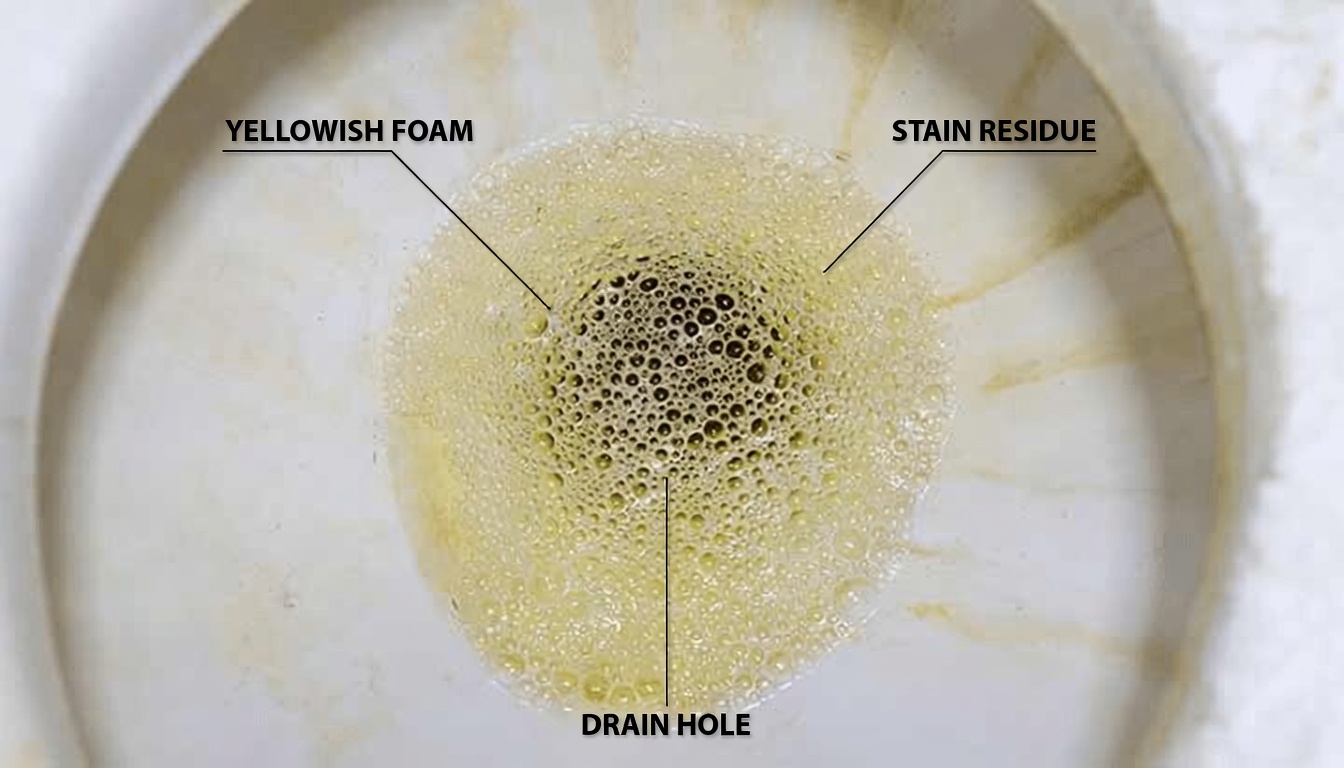
3. Foamy or Bubbly Urine That Stays Visible
A quick glance in the toilet can sometimes reveal an important clue. Urine that looks foamy or unusually bubbly, especially when the foam does not disappear quickly, may suggest that protein is leaking into the urine. This can happen when the kidneys’ filtering system is under strain.
The appearance is often compared to the froth on top of beer. Because it can be easy to ignore, tracking it for a week or two may give you useful information to share with a healthcare professional.
4. Swelling Around the Eyes, Hands, Feet, or Ankles
Puffiness around the eyes in the morning or tighter shoes by evening may seem harmless at first. But when the kidneys cannot remove extra sodium and fluid effectively, swelling called edema can develop.
This swelling may appear in the face, hands, feet, or ankles. It often feels soft and may leave a small indentation when pressed. Unlike temporary bloating, it tends to linger and return regularly.
5. Deep Fatigue or Brain Fog That Rest Does Not Relieve
Feeling unusually exhausted after a full night of sleep can be discouraging. Some people also notice trouble concentrating, forgetfulness, or a general sense of mental fog. The kidneys help support red blood cell production through hormone regulation, and if that process is affected, energy levels can drop.
People often describe this kind of fatigue as heavy and persistent, as though their energy never rises above a very low level no matter how much they rest.
6. Shortness of Breath During Mild Activity
If simple tasks such as climbing stairs, walking to the mailbox, or doing light chores suddenly leave you breathless, it may be worth paying attention. Kidney-related fluid imbalance or reduced red blood cell levels can both contribute to shortness of breath.
Because this symptom often develops gradually, many people do not immediately connect it to an underlying kidney issue.
7. Repeated Muscle Cramps or Twitching, Especially at Night
Frequent leg cramps or muscle twitching can interrupt sleep and leave you drained the next day. Changes in electrolyte levels, including calcium, phosphorus, or potassium, may be part of the reason when kidney function is affected.
These cramps often happen more at night and may feel different from the occasional muscle tightness that follows exercise.
Quick Kidney Symptom Checklist
Use this simple list as a personal check-in:
- Metallic taste or unusual bad breath that does not go away
- Widespread itching or ongoing dry skin
- Foamy urine that lingers
- Swelling around the eyes, hands, feet, or ankles
- Significant tiredness or brain fog despite enough rest
- Shortness of breath during light activity
- Recurring leg cramps or muscle twitching
If several of these symptoms sound familiar, especially if they continue for more than two weeks, it may be time to take a closer look.
Practical Steps You Can Take Starting Today
One of the most encouraging things about early kidney awareness is that small actions can help support your health. If you notice any of the signs above, consider these practical next steps.
1. Schedule a Routine Check-Up
Ask your doctor about two common kidney tests:
- A blood test that checks creatinine
- An estimated glomerular filtration rate (eGFR) measurement
- A simple urine test to look for protein
These tests are usually quick, affordable, and helpful for spotting kidney concerns before they become more serious.
2. Keep Track of Your Symptoms
Write down what you notice for a week or two using your phone or a notebook. Pay attention to:
- How often symptoms appear
- Whether they are getting worse
- Any patterns related to diet, hydration, or time of day
This information can make your medical appointment much more useful.
3. Support Your Body With Everyday Habits
Daily lifestyle choices can help your body stay balanced. Helpful habits include:
- Drinking enough water
- Taking gentle walks or staying physically active
- Watching your sodium intake
- Choosing fresh fruits and vegetables more often than processed snacks
These steps are not a replacement for medical care, but they can support overall wellness while you seek guidance.
Why Early Kidney Awareness Can Make a Big Difference
Kidney health is often called a silent area of wellness because symptoms do not always appear loudly or clearly. But when you learn to notice the quieter warning signs, you give yourself a chance to respond early.
That early awareness can lead to simple actions that help protect your energy, comfort, and quality of life. Many people only realize something is wrong after noticing a small but unusual symptom and deciding to follow up. In many cases, that decision makes all the difference.
Your kidneys carry an enormous workload every moment of every day. Paying attention to unusual changes and taking simple, informed steps is one of the best ways to care for your future health.
Frequently Asked Questions
Can these symptoms appear even if I otherwise feel healthy?
Yes. Many people notice only one or two subtle signs while still feeling mostly normal in daily life. That is one reason regular health check-ups are so valuable.
When should I talk to my doctor if I notice more than one sign?
If these symptoms last for two weeks or longer, it is wise to schedule an appointment. You should be especially proactive if you have diabetes, high blood pressure, or a family history of kidney disease.
Are these signs always caused by kidney problems?
Not always. Some of these symptoms can also be linked to dehydration, skin conditions, diet, stress, or other health issues. Still, persistent symptoms should not be ignored, and proper testing can help identify the cause.
What is the most important first step?
The best first step is to book a routine medical visit and ask for basic blood and urine testing. Early evaluation is simple and can provide clarity before symptoms become more serious.