
Boiled Saba Bananas: A Simple Food That May Support Everyday Wellness
Many people face familiar health challenges such as occasional elevated blood pressure, digestive upset, low energy, or muscle discomfort. Over time, these everyday issues can interfere with routines, reduce activity levels, and leave you searching for natural, practical ways to feel better. One easy dietary change that may offer gentle support is adding boiled Saba bananas to your meals. And there is one surprising advantage to this humble fruit that many people overlook—we’ll get to that near the end.
What Are Saba Bananas, and Why Are They Boiled?
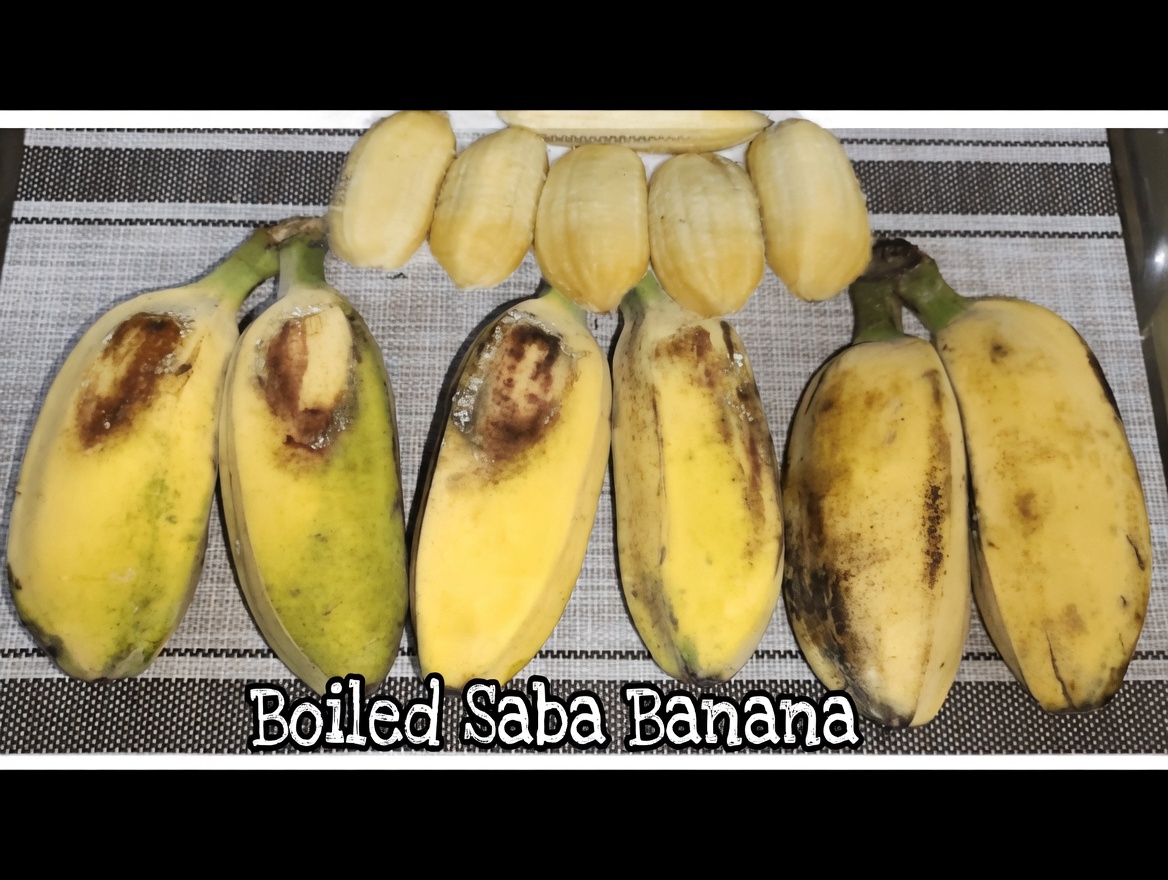
Saba bananas are a type of cooking banana commonly enjoyed in tropical countries. They are known for their firm, starchy texture and mild taste. Unlike soft, sweet dessert bananas, Saba bananas are better suited to cooking and hold their shape well when heated.
Boiling is one of the simplest ways to prepare them. This method softens the fruit, makes it more pleasant to eat, and helps preserve its nutritional value while keeping preparation easy. In Filipino cuisine, boiled Saba bananas are often served as “nilagang saging na saba,” a popular snack or side dish.
Research referenced by sources such as the USDA suggests that cooking bananas may improve the availability of certain nutrients, allowing the body to absorb them more efficiently. That means a very basic cooking method can turn an ordinary fruit into a useful addition to a balanced eating pattern.

How Boiled Saba Bananas May Help Support Heart Health
One of the most talked-about benefits of boiled Saba bananas is their potassium content. Potassium is an essential mineral that helps the body maintain a healthy balance of fluids and sodium.
When your diet includes enough potassium, it may help support normal circulation and reduce stress on the cardiovascular system. Studies, including findings published in the Journal of the American Heart Association, suggest that potassium-rich foods can play a role in heart-friendly eating habits.
Adding boiled Saba bananas to your routine can be a simple way to include more of this mineral in your diet. They work especially well as part of breakfast or a light snack.
Easy Preparation Guide
- Choose firm, slightly unripe Saba bananas for the best texture.
- Peel them and cut into medium-sized pieces.
- Boil in water for 10 to 15 minutes, or until tender.
- Drain and serve plain, or add a little cinnamon for extra flavor.
Keeping the process simple makes it easier to stay consistent.
Boiled Saba Bananas and Digestive Comfort
Digestive discomfort is another concern many people experience, and boiled Saba bananas may be helpful because they contain fiber and resistant starch. Resistant starch works in a way similar to a prebiotic, helping feed beneficial bacteria in the gut.
This may support more regular bowel movements and improve stool consistency. According to the Harvard T.H. Chan School of Public Health, foods rich in fiber and resistant starch are associated with better digestive health.
Because they are cooked, Saba bananas may also feel gentler on the stomach than some raw fruits, which can be harder for certain people to digest.
Simple Ways to Add Them to Meals
- Mash boiled Saba bananas into yogurt for a probiotic-friendly snack
- Combine them with nuts for a filling, fiber-rich snack
- Add them to soups to increase texture and nutrition
- Mix them into oatmeal for a more satisfying breakfast
These small adjustments can make a noticeable difference over time.

A Natural Way to Support Energy Levels
Low energy during the day is often linked to meals that cause quick spikes and crashes. Boiled Saba bananas provide natural carbohydrates along with vitamin B6, both of which are involved in energy production.
Vitamin B6 helps the body convert food into usable energy, while the carbohydrates in Saba bananas may provide a steadier release compared to heavily processed snacks. Research in the journal Nutrients notes that foods rich in B vitamins can contribute to sustained vitality.
That makes boiled Saba bananas a smart option for an afternoon snack or a light pre-workout bite.
Practical Tips for Weekly Meal Prep
- Cook a batch at the start of the week
- Store them in the refrigerator for up to three days
- Reheat gently or enjoy them cold
- Pay attention to how you feel and adjust serving sizes as needed
Replacing packaged snacks with whole foods like boiled Saba bananas can encourage more mindful eating without making things complicated.
Supporting Muscle Function Through Potassium
Muscle cramps and sudden tightness can happen after exercise, long periods of standing, or active days. Potassium helps regulate muscle contraction and nerve signaling, which is why it is often linked to proper muscle function.
Boiled Saba bananas are naturally rich in potassium, so they may help support the body’s electrolyte balance. The Mayo Clinic has highlighted the importance of electrolytes such as potassium in maintaining healthy muscle performance.
Compared with many sports drinks, boiled Saba bananas offer a whole-food alternative without added sugars.
Potassium Comparison
| Food or Drink | Potassium per Serving | Additional Benefit |
|---|---|---|
| Boiled Saba banana | About 400–500 mg | Natural carbohydrates for energy |
| Regular banana | Around 400 mg | Sweeter taste, less starch |
| Sports drink | 30–50 mg | Electrolytes, but often with added sugar |
This comparison shows why Saba bananas can be a practical choice for active individuals looking for a more natural recovery food.
A Gentle Option for Sensitive Stomachs
For people with mild stomach sensitivity, soft and low-acid foods are often easier to tolerate. Boiled Saba bananas fit well into that category because they are mild, cooked, and generally easy to digest.
Their starch content may help provide a soothing effect without feeling heavy. General recommendations from the American Gastroenterological Association often suggest bland, cooked fruits for times when the stomach needs gentler support.
Unlike spicy or acidic foods, boiled Saba bananas are less likely to trigger irritation. They are also suitable for a wide range of ages, from children to older adults.
Gentle Serving Ideas
- Blend them into a smooth puree
- Stir them into rice porridge for a comforting meal
- Pair them with a little ginger for a mild flavor boost
- Serve them warm for easier digestion
These serving ideas make them simple to use as part of an everyday eating routine.
The Unexpected Benefit: A Helpful Food for Feeling Full
Now for the surprising advantage mentioned earlier: boiled Saba bananas may also support weight management by helping you stay full for longer. Their resistant starch content may increase satiety, according to findings published in the British Journal of Nutrition.
That means this fruit is not just useful for one specific concern. It can also fit into a broader healthy lifestyle by helping reduce unnecessary snacking and making meals more satisfying.
Creative Ways to Use Boiled Saba Bananas
- Slice them into salads for added texture
- Use them in light desserts
- Add them to savory dishes as a hearty side
- Mash them into bowls or grain-based meals
Their flexibility makes them easier to enjoy regularly without getting bored.
Final Thoughts: Making Boiled Saba Bananas Part of Your Routine
Boiled Saba bananas are a simple, nourishing food that may support several aspects of daily well-being. From heart health and digestive comfort to energy, muscle function, and fullness, they offer a range of potential benefits in an easy-to-prepare form.
The key is consistency. Including them regularly as part of a balanced diet may help support healthier habits over time.
Frequently Asked Questions
What is the easiest way for beginners to prepare boiled Saba bananas?
Start with fresh Saba bananas, peel them if desired, and boil them whole or cut into pieces for 10 to 15 minutes. Once tender, serve them warm and plain, or season lightly with natural flavors such as cinnamon.
Can boiled Saba bananas fit into a balanced diet?
Yes. They can be included in many eating styles as a natural fruit-based food. They are suitable for vegan and gluten-free diets, and they can also work well in heart-conscious meal plans. Portion size should still be considered, especially for those watching carbohydrate intake.
How often should I eat boiled Saba bananas?
A reasonable starting point is 2 to 3 times per week as part of varied meals and snacks. As with any food, it is best to pay attention to how your body responds and pair them with other nutritious foods.
Important Note
This article is for informational purposes only and should not be used as a substitute for professional medical advice, diagnosis, or treatment.