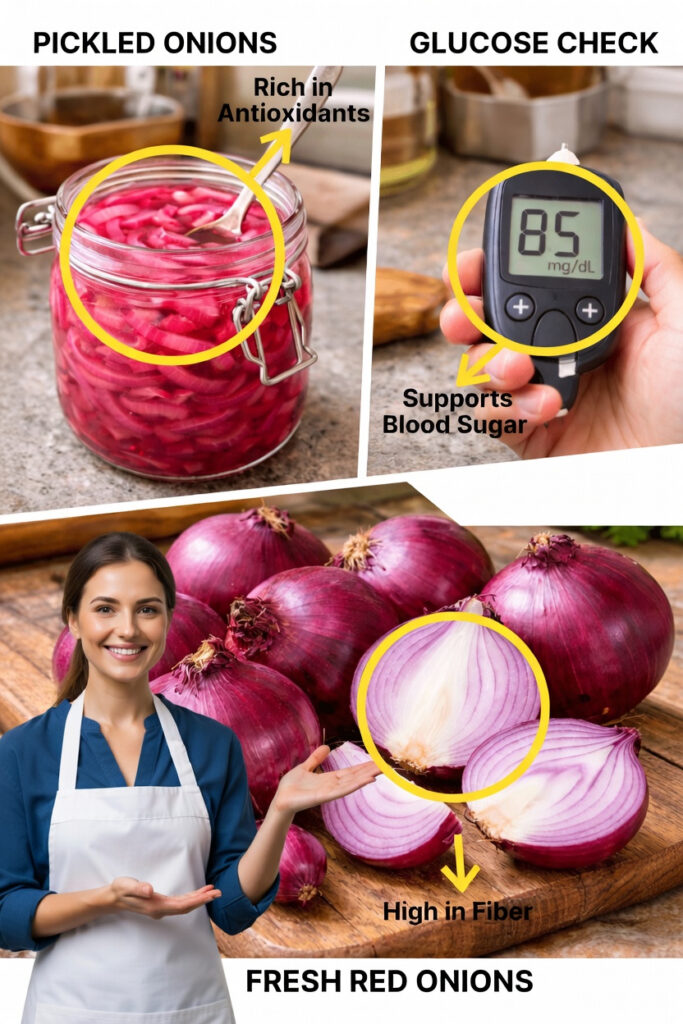
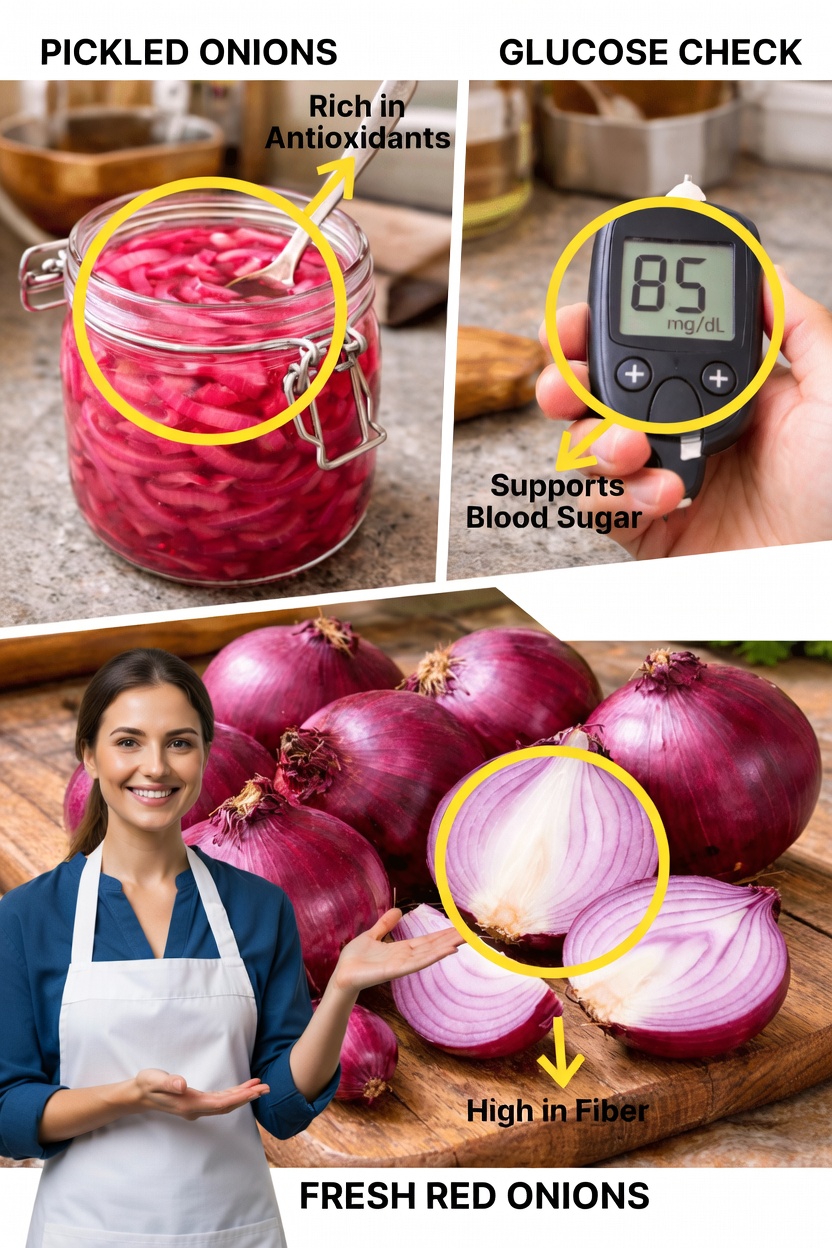
A Simple Red Onion Habit That May Support Steadier Energy
Many people experience ups and downs in energy during the day or want practical ways to help keep blood sugar within a comfortable range as part of a healthy lifestyle. Finding easy, flavorful foods that fit into everyday meals can be challenging when your goal is to make better choices without overcomplicating your routine.
That is one reason red onions have become increasingly popular in wellness conversations. This colorful, familiar vegetable is being explored as a natural addition to meals for metabolic support. What often gets overlooked, however, is that one quick preparation method can make red onions even easier to enjoy on a regular basis.
Why Red Onions Are Getting Attention for Wellness
Red onions do more than add crunch, color, and bold flavor to food. They also provide naturally occurring compounds such as quercetin and sulfur-containing substances that have been studied for their possible role in supporting metabolic function.
Some early research and observational findings suggest that eating onions regularly may be associated with improved glucose regulation when included in an overall balanced lifestyle. Still, preparation matters. A simple quick-pickling method helps preserve red onions, softens their sharp bite, and turns them into a bright, tangy topping that works with nearly any meal.
Nutritional Benefits of Red Onions
Red onions are naturally low in calories and rich in plant-based compounds. One standout is quercetin, a flavonoid found in high amounts in both the flesh and outer layers of red onions. In laboratory and animal studies, quercetin has been examined for antioxidant activity and its potential effects on pathways involved in glucose metabolism.
Research has highlighted a few key points:
- Preliminary human studies and animal research have explored how raw onions or onion extracts may help support insulin sensitivity and glucose tolerance.
- Some findings have shown modest improvements in fasting blood sugar markers when onions were eaten consistently.
- Their mix of fiber, polyphenols, and sulfur compounds may also support digestive comfort and overall metabolic wellness.
Results can vary widely depending on diet quality, activity level, sleep, stress, and individual health status. Red onions are best viewed as one helpful food within a nutrient-dense eating pattern, not a cure-all on their own.
Quick Pickled Red Onions: The Easy Recipe People Love
If you want a convenient way to eat more red onions, quick pickling is one of the easiest options. It creates crisp, vibrant slices that stay fresh in the refrigerator for weeks and can be added to meals in seconds.
Ingredients
Makes about 2 cups:
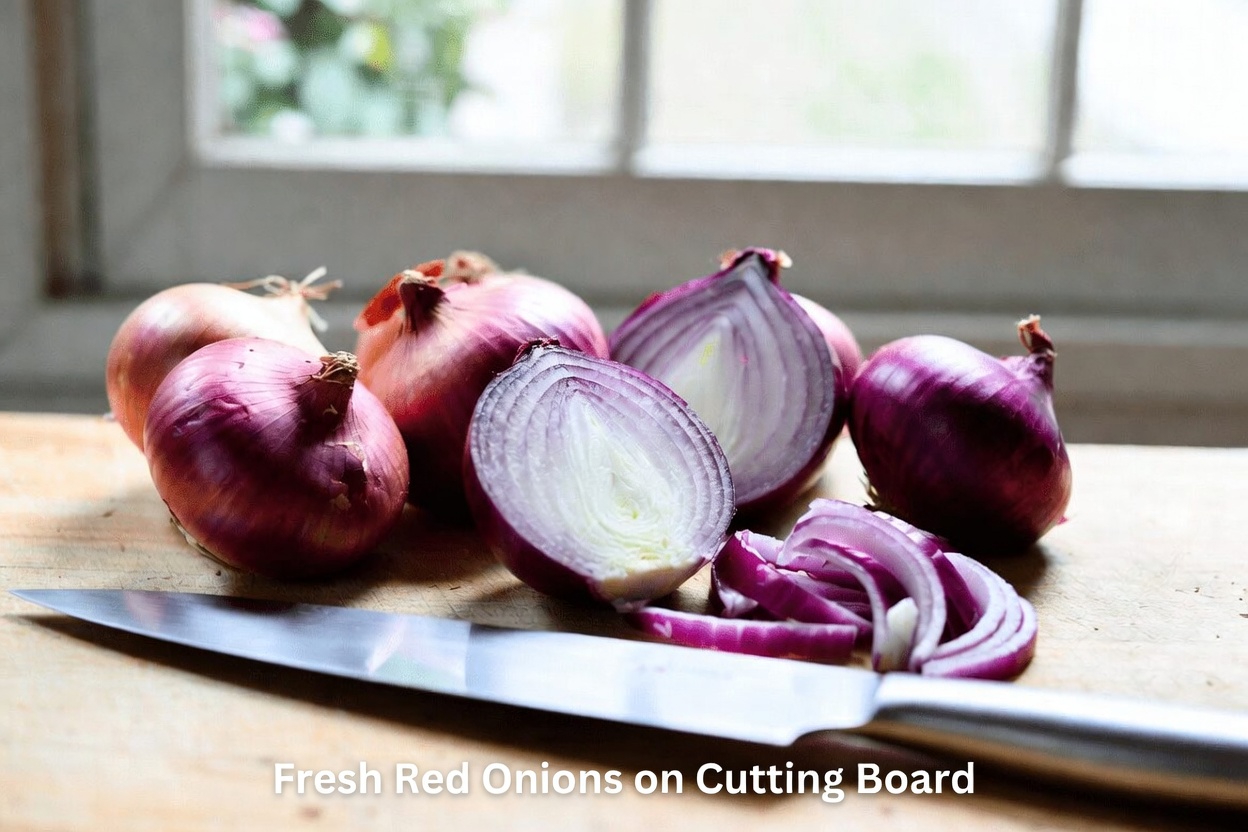
- 2 medium red onions, thinly sliced
- 1 cup apple cider vinegar or white vinegar
- 1 cup water
- 1 to 2 tablespoons sweetener of choice
- 1 teaspoon sea salt
- Optional: 1/2 teaspoon black peppercorns, a pinch of red pepper flakes, or 1 garlic clove
Step-by-Step Method
- Slice the onions as thinly as possible with a sharp knife or mandoline for the best texture.
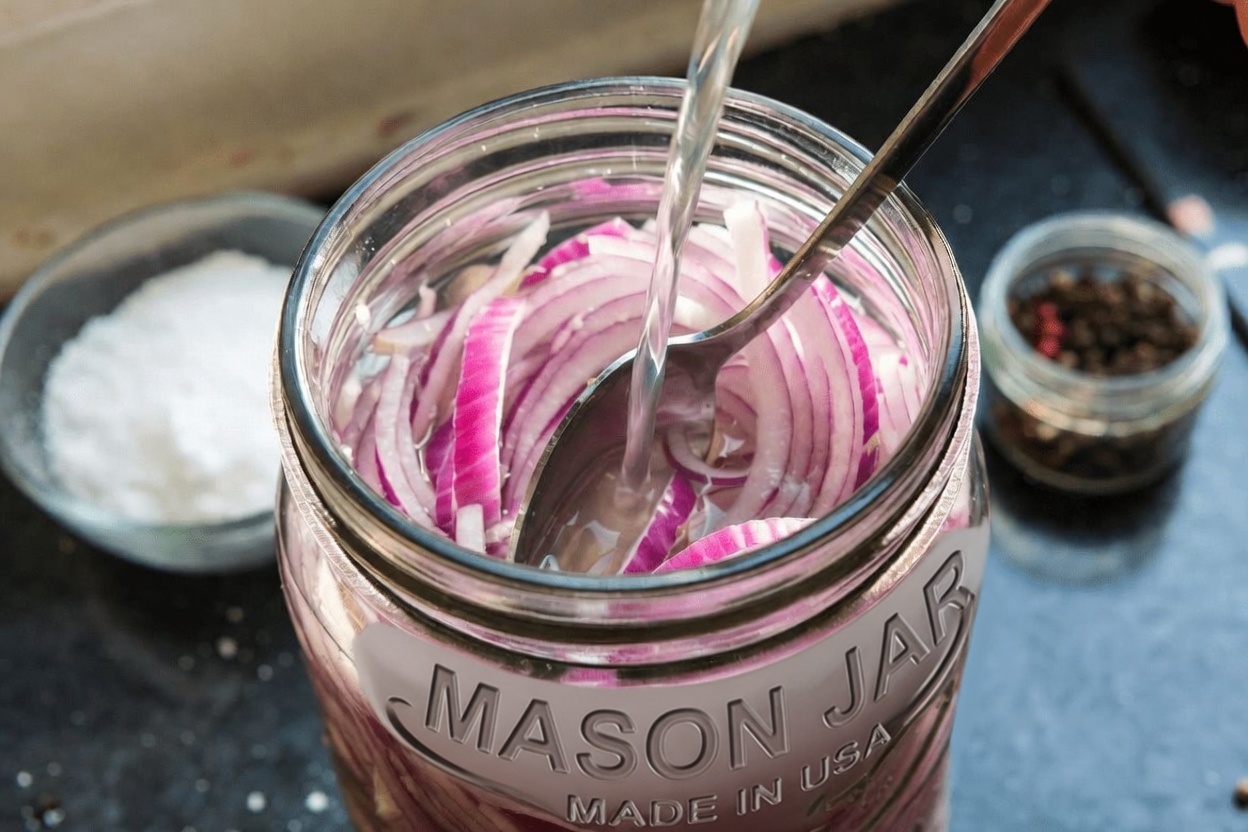
- Place the onion slices into a clean glass jar, packing them in snugly.
- In a small saucepan, combine the vinegar, water, sweetener, and salt.
- Warm the mixture gently just until the salt and sweetener dissolve. Avoid a strong boil.
- Pour the warm brine over the onions, making sure all the slices are covered.
- Add any optional spices if desired.
- Let the jar cool to room temperature.
- Seal and refrigerate for at least 1 hour, though 2 to 4 hours gives a fuller flavor.
- For the best taste, let them sit overnight before using.
Pro Tip
For a no-added-sugar version, leave out the sweetener completely or choose a blood-sugar-friendly option such as allulose. The vinegar alone still gives the onions a refreshing tang.
Easy Ways to Use Pickled Red Onions Daily
One of the biggest advantages of pickled red onions is how effortlessly they fit into meals. A prepared jar in the fridge makes it much easier to increase vegetable intake without extra cooking.
Try them in these ways:
- Sprinkle over salads or grain bowls for crunch and brightness
- Add to tacos, burgers, or grilled meats to balance richer flavors
- Layer into sandwiches and wraps instead of standard pickles
- Spoon onto egg dishes or avocado toast at breakfast
- Use as a finishing touch for roasted vegetables or Buddha bowls
Many people find that once pickled onions are ready to go, they naturally use them often because they make simple meals taste more exciting.
Habits That Pair Well With Red Onion Use
While red onions can be a smart addition to meals, they work best alongside other supportive habits.
Consider these practical strategies:
- Combine onions with protein and healthy fats to create more balanced meals
- Try both raw and lightly cooked onions for variety in texture and taste
- Focus on consistent intake rather than very large servings all at once
- Drink enough water and include other fiber-rich foods to support digestion
Small habits repeated daily are often more effective than occasional dramatic changes.
Fresh vs. Pickled Red Onions
Here is a quick look at how the two options compare:
Fresh Red Onions
- Preparation time: Very little, just slice and serve
- Shelf life: A few days in the fridge once cut
- Flavor: Sharp and pungent
- Best for: Salads, soups, stir-fries
- Convenience: Requires prep each time
Quick Pickled Red Onions
- Preparation time: About 10 minutes, plus chilling time
- Shelf life: Up to 2 to 3 weeks refrigerated
- Flavor: Tangy, mellow, lightly sweet-sour
- Best for: Toppings, garnishes, fast meal add-ons
- Convenience: Make once and use daily
What the Research Suggests
Scientific interest in onions and metabolic health continues to grow. Although more high-quality human trials are needed, early evidence has led to ongoing curiosity.
Some notable findings include:
- In certain studies, eating about 100 grams of raw onion was linked to modest reductions in blood glucose measurements over the following hours in some groups.
- Animal and cell research has explored quercetin for its possible role in insulin sensitivity and glucose uptake.
- Reviews of compounds found in Allium cepa have discussed potential benefits for metabolic function when onions are consumed regularly.
These studies vary in design, population, and quality, so the evidence is still developing. Food should always be seen as one part of a bigger lifestyle picture that includes movement, sleep, stress management, and balanced nutrition.
What matters most is sustainability. A healthy habit only helps if you can maintain it. When a food tastes good and fits naturally into your routine, consistency becomes much more realistic.
Action Steps to Start Today
If you want to try this simple habit, here are a few easy ways to begin:
- Prepare one batch of pickled red onions this weekend
- Store the jar where you can easily see it in the refrigerator
- Add a spoonful to at least one meal each day for the next week
- Pay attention to how your meals taste and how satisfied you feel afterward
- Pair them with colorful vegetables, lean proteins, and balanced portions
Small food changes often create momentum and make healthy eating feel more enjoyable rather than restrictive.
Common Questions About Red Onions and Blood Sugar Support
1. Are pickled red onions better than fresh red onions?
Pickled red onions are often easier to use regularly because they last longer and have a milder flavor. Fresh onions and pickled onions both contain helpful plant compounds, so the better option is the one you are most likely to eat consistently.
2. How much red onion should I eat?
Some studies looking at possible benefits have used around 50 to 100 grams per day, which is roughly half to one medium onion. Start with a smaller amount and increase gradually based on your taste preferences and digestion.
3. Can I pickle red onions without sweetener?
Yes. You can make them using only vinegar, water, and salt. The result is still flavorful, crisp, and pleasantly tangy.
Final Thoughts
Adding red onions to your meals, especially in quick-pickled form, is an easy and flavorful way to increase your intake of vegetables and beneficial plant compounds. When combined with balanced meals, regular movement, and quality sleep, simple choices like this can support long-term well-being.
Keep in mind that every person responds differently. What works well for one individual may need adjustment for another. Pay attention to your body, stay consistent, and build habits that feel realistic and enjoyable over time.