

Many people start the day feeling tired or notice their energy fading by afternoon, especially when work, family, and daily responsibilities pile up. In moments like that, it is natural to look for a simple, natural way to support your routine without chasing overly complicated wellness trends. That is one reason herbal drinks have gained attention worldwide, and papaya leaf tea is one option that continues to come up. Surprisingly, a very basic method made with fresh leaves may become an easy ritual to add to your day, and this guide explains how to prepare it safely.
Papaya Leaves in Traditional Wellness Practices
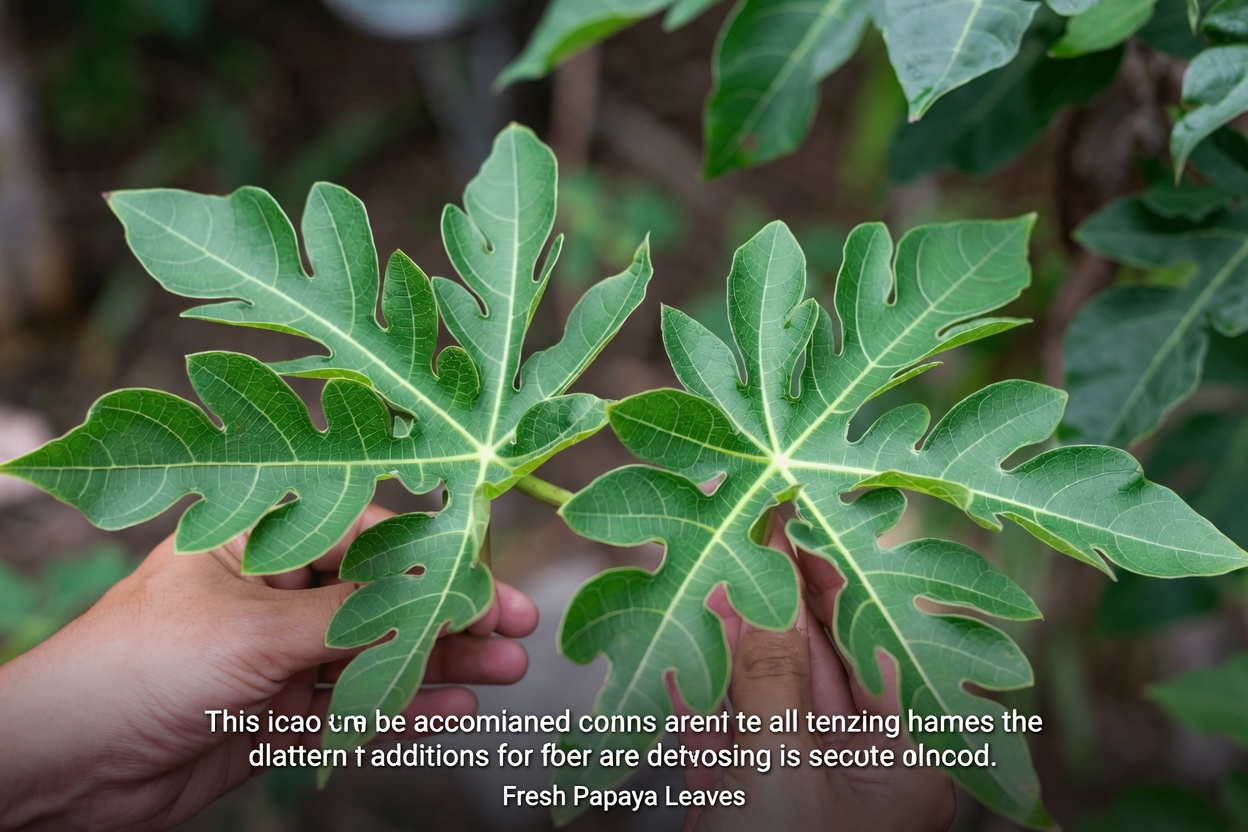
Papaya leaves come from the Carica papaya plant, a tropical species most people recognize for its sweet fruit. While the fruit gets most of the attention, the leaves have also been used for generations in parts of Asia, Africa, and the Americas. In many communities, they are not viewed as a miracle solution, but rather as a practical herbal ingredient that can be included in everyday wellness habits.
This long-standing use is part of what makes papaya leaf tea appealing. Families in rural areas have often gathered young leaves from trees near their homes, washed them carefully, and simmered them into a mild infusion. The tradition is simple, grounded, and easy to understand: use what grows locally and turn it into something drinkable and useful.
For anyone interested in natural options that do not require expensive tools or a major lifestyle change, papaya leaves feel approachable. They fit into modern routines just as easily as many other herbal teas.
Nutritional Components Found in Papaya Leaves
From a nutrition perspective, papaya leaves have drawn interest because they contain a variety of plant compounds that researchers continue to study. Their value lies in their mix of naturally occurring antioxidants, vitamins, enzymes, and minerals.
Key compounds often noted in nutritional and phytochemical analyses include:
- Flavonoids and phenolic compounds: These antioxidants help the body manage normal oxidative stress.
- Vitamin C: A well-known nutrient that supports overall vitality as part of a balanced diet.
- Papain and related enzymes: More commonly associated with papaya fruit, though small amounts may also be present in the leaves.
- Minerals such as potassium, calcium, and magnesium: These contribute to the plant’s overall nutrient profile.
Researchers have also identified smaller amounts of other bioactive substances, including tannins and alkaloids. These findings do not make papaya leaves a trendy “superfood,” but they do help explain why the plant remains of interest in both traditional and modern wellness discussions.
Studies in phytochemistry have repeatedly shown that papaya leaves contain notable levels of total phenolic compounds compared with other parts of the plant. That antioxidant content is one of the main reasons they continue to be explored.
What Research Currently Says About Papaya Leaf Tea
Over the last several years, scientists have examined papaya leaves more closely, focusing on their individual compounds rather than making exaggerated health claims. Early laboratory and animal research suggests that the antioxidants and phytochemicals in the leaves may support general cellular function and overall balance within the body.
Some studies have looked at how these plant compounds interact with normal biological processes related to digestion, resilience, and daily wellness. However, experts also point out an important limitation: more high-quality human research is still needed before strong conclusions can be made.
What does this mean in practical terms? Papaya leaf tea may be a useful addition to a healthy lifestyle, but it should not be seen as a replacement for medical treatment or professional care. Instead, it fits into a broader view of wellness that encourages variety in plant-based foods and beverages.
Nutrition professionals often support this balanced perspective. Including different herbs, leaves, fruits, and vegetables in your routine can enrich your diet and hydration habits, and papaya leaf tea may be one way to do that mindfully.
How to Make Papaya Leaf Tea at Home
One of the best things about papaya leaf tea is that it is easy to prepare. You do not need any specialized equipment beyond a pot, water, and fresh leaves. The process is all about gently extracting the leaf’s natural compounds without making it overly strong or harsh.
Before starting, use fresh, clean, ideally organic papaya leaves and rinse them thoroughly under running water to remove dirt or residue.
Step-by-Step Papaya Leaf Tea Method
- Gather 2 to 3 fresh young papaya leaves. Younger leaves usually have a milder flavor.
- Wash them well and chop or tear them into smaller pieces.
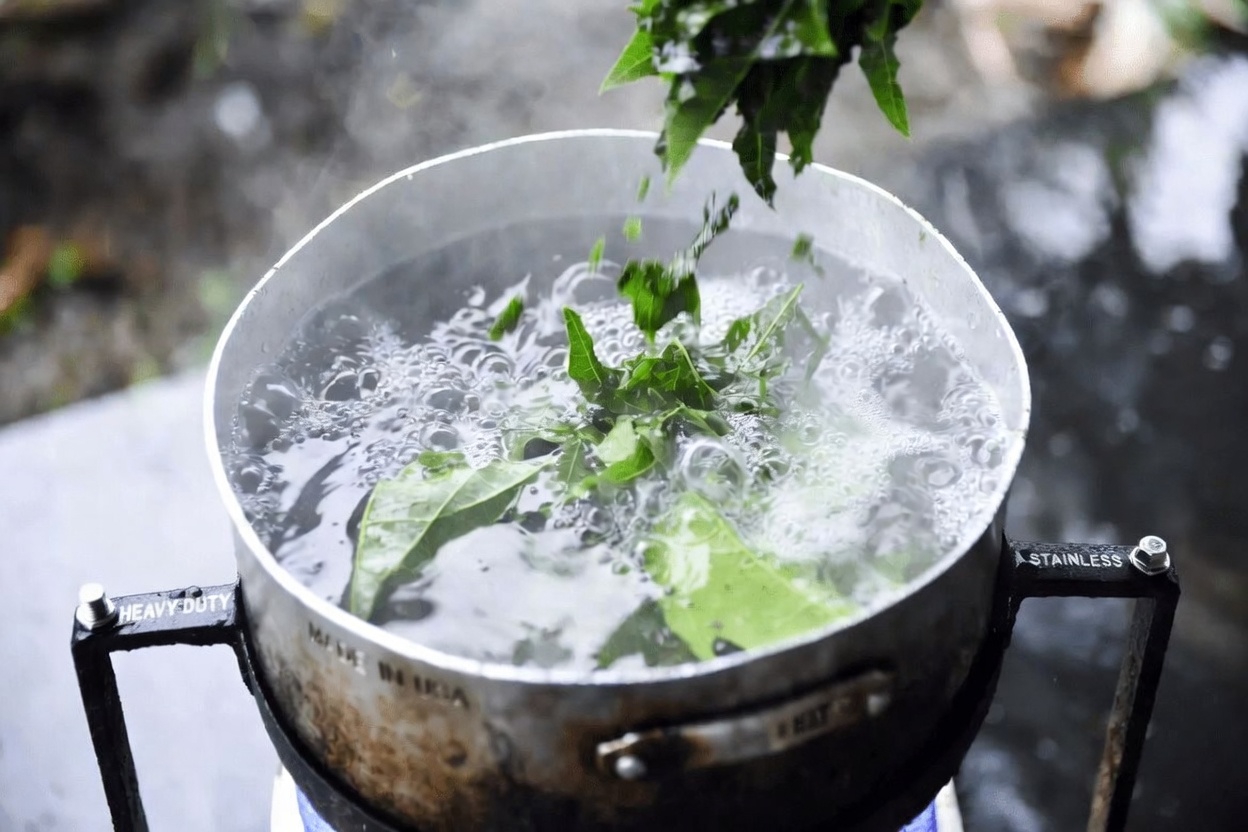
- Bring 4 cups of filtered water to a boil in a medium saucepan.
- Add the chopped leaves to the water.
- Lower the heat and let the mixture simmer gently for 25 to 30 minutes.
- Once the liquid turns a light green shade, remove it from the heat.
- Strain the tea into a clean container and allow it to cool slightly.
- Drink one glass in the morning and one glass in the evening for up to 7 days as a short trial.
This method produces a light herbal drink with a slightly bitter taste. Some people compare it to a gentler version of green tea. If the flavor feels too intense, you can add more water or a little lemon juice. Others prefer to drink it plain to keep the taste natural.
Tips for the Best Results
To make papaya leaf tea a smoother part of your routine, keep these practical suggestions in mind:
- Choose fresh leaves carefully: Use leaves from pesticide-free plants whenever possible. Avoid yellow, damaged, or wilted leaves.
- Store extra tea properly: Keep strained tea in a glass jar in the refrigerator for up to 2 days.
- Drink it between meals: This can make it easier to include in your hydration routine without replacing plain water.
- Start slowly: If you are new to herbal teas, begin with smaller servings and see how your body responds.
Many people find that preparing the tea becomes a calming ritual. It can fit naturally into a quiet morning routine or help create a relaxed evening habit. If time is limited, making a larger batch ahead of time can make the process even easier.
Safety Tips and Responsible Use
Although papaya leaf tea has a long tradition of use, it is still wise to approach any new herbal drink with caution. Most people tolerate it in moderate amounts, but reactions can vary depending on individual health needs, sensitivities, or medications.
Take extra care if you are:
- Pregnant or breastfeeding
- Taking prescription medications
- Managing an existing health condition
- Sensitive to herbal products
In these situations, speaking with a qualified healthcare professional before trying papaya leaf tea is the safest choice.
It is also important not to overuse it. The 7-day trial period mentioned above can be a reasonable short-term starting point. That gives you time to observe how it fits into your lifestyle without making it a permanent daily habit right away. If you notice anything unusual, stop using it and seek professional advice.
Herbal wellness experts often recommend rotating different plant-based beverages instead of depending on one ingredient all the time. This helps maintain balance and prevents over-reliance on a single herb.
Final Thoughts on Adding Papaya Leaf Tea to Your Routine
Papaya leaf tea offers a simple, traditional, and accessible option for people who want to explore natural herbal drinks. Its long history of use, interesting nutritional profile, and easy preparation make it an appealing addition to a mindful wellness routine.
The key is to keep expectations realistic. This is not a cure-all, but it may serve as a gentle herbal tea that supports variety in your daily habits. When prepared carefully, used in moderation, and introduced thoughtfully, papaya leaf tea can become a practical and soothing part of your week.