When Sex Slows Down: What Really Happens to Your Body and Relationship
In modern life, it is common for intimacy to slip down the priority list. Work stress, childcare, family obligations, health issues, or simple exhaustion can all lead to weeks or even months without sex. These pauses can make partners quietly worry about what is happening to their bodies – and to their bond.
Many people wonder if they are “normal,” if something is wrong physically, or if the relationship is in danger. Yet research consistently shows that long breaks from sex are far more common – and far less damaging – than most people think. The body adapts in smart, flexible ways, and most changes are mild and manageable.
The most surprising part? Small, everyday habits can do a lot to keep you feeling physically comfortable and emotionally connected, even during a dry spell.
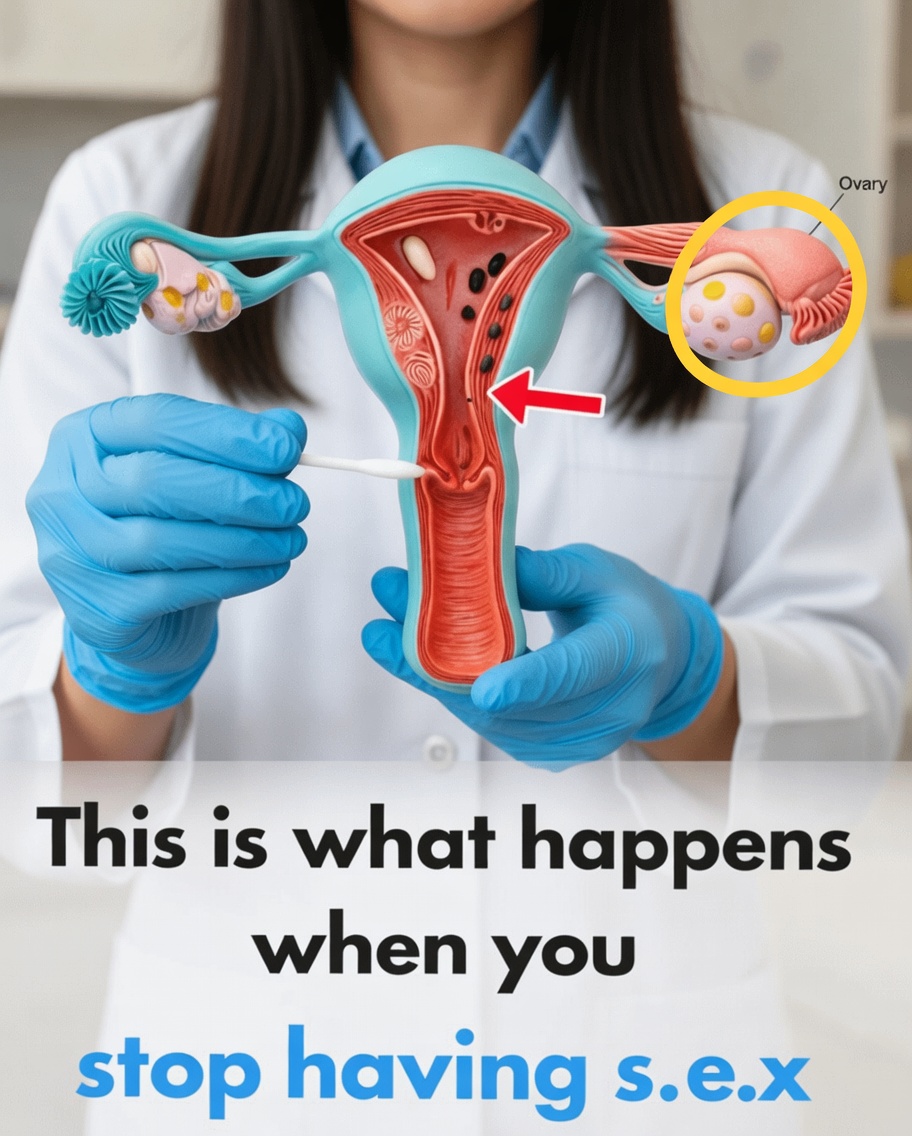
Why Periods Without Sex Are More Common Than You Think
Life regularly interferes with even the healthiest sex lives. Newborns, demanding jobs, long-distance arrangements, illness, or simply mismatched schedules can all reduce sexual frequency. Fluctuations in desire are part of being human.
Research summarized by medical sources such as Medical News Today indicates that going months – or even longer – without sexual activity usually does not cause serious harm for most adults. The body does not “shut down,” become toxic, or accumulate harmful substances because sex is less frequent.
Sex offers proven benefits for mood, stress relief, sleep, and connection. However, its absence does not typically trigger a medical crisis. Instead, your body quietly recalibrates:
- Hormone levels shift slightly.
- Muscles involved in sexual response may be less stimulated.
- Mood and energy can feel different.
This built-in adaptability is actually reassuring. It means your focus can be on understanding and supporting the changes rather than fearing them.
How Women’s Bodies May React to Long Breaks
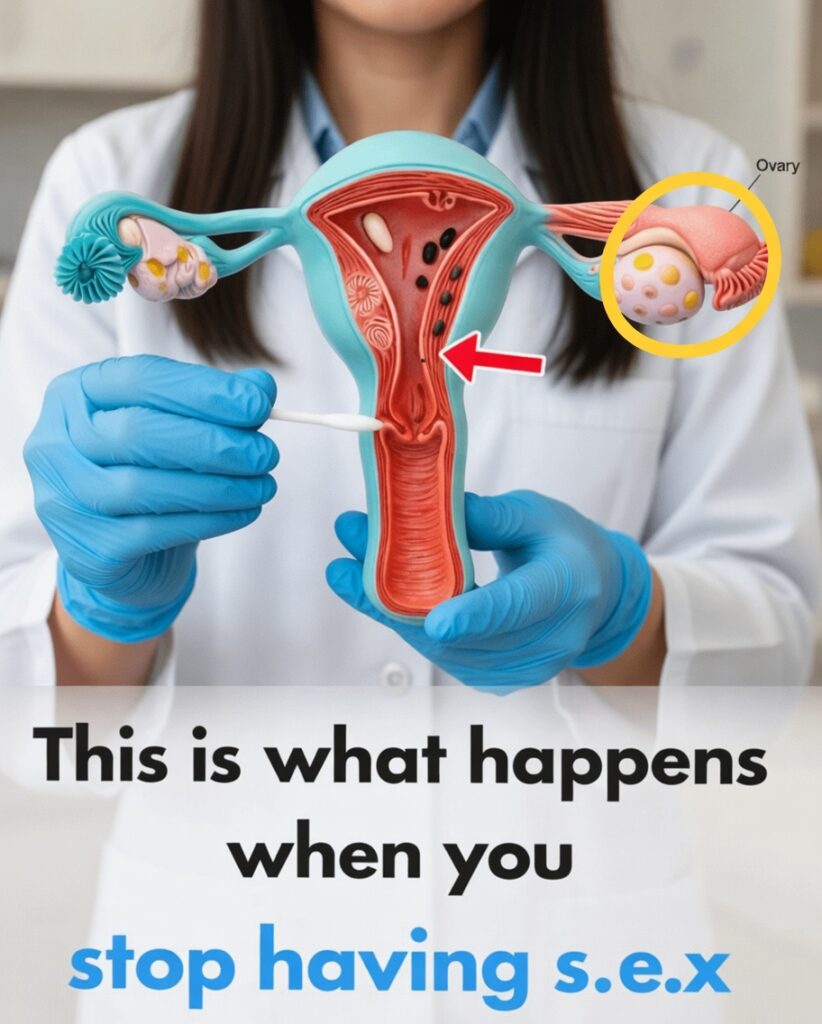
Because of the way the female reproductive system works, women often notice physical changes sooner or more clearly than men. Common, research-backed adjustments include:
-
Reduced natural lubrication
Without regular sexual stimulation, vaginal tissues may produce less moisture. This is especially noticeable during perimenopause and menopause, when estrogen is already declining and dryness is more likely. -
Slight change in tissue flexibility
Studies in women’s health have found that extended periods without penetration can, in some women – particularly after menopause – be associated with somewhat less elastic vaginal walls. The familiar phrase “use it or lose it” mainly applies to comfort and flexibility, not permanent damage. -
Pelvic floor muscles may weaken a bit
The pelvic floor supports the bladder, uterus, and bowel. Sexual activity can act as a kind of workout for these muscles. Less frequent engagement may contribute over time to slightly weaker muscles, which can increase the chance of light leakage when coughing, laughing, or exercising.
These changes usually develop slowly and, importantly, are often reversible with appropriate care and exercises. Many women in their 20s, 30s, and early 40s notice very little difference, even after long pauses.
Common signs that merit attention—but not panic—include:
- Mild vaginal dryness during everyday life or arousal
- A subtle change in how the body responds when turned on
- Occasional slight discomfort that improves with lubricants or moisturizers

How Men’s Bodies Respond to Lack of Sexual Activity
Men also experience changes during extended periods without sex, though these shifts may be less noticeable at first. Research referenced by outlets such as WebMD highlights several typical patterns:
-
Erectile response may feel different
Men who go a long time without sexual activity can sometimes find it harder to get or maintain an erection when they become intimate again. Regular erections support healthy blood flow and tissue function, so a pause can temporarily affect responsiveness. -
Possible influence on prostate health
Large-scale studies have observed that men who ejaculate more frequently (through sex or masturbation) may have a slightly lower lifetime risk of certain prostate issues. The relationship is not absolute, but it is one reason health professionals often encourage some form of regular sexual release if it feels comfortable and appropriate. -
Testosterone usually stays stable
Short-term breaks from sex can sometimes cause a brief rise in testosterone, while very long abstinence periods typically show minimal long-term impact for most men. Other lifestyle factors (sleep, stress, weight, exercise) generally have a bigger effect on hormone levels.
The encouraging message is that these shifts rarely indicate permanent decline. In most cases, men return to their typical patterns once sexual activity resumes.
The Emotional and Relationship Impact of a “Dry Spell”
The physical changes are only part of the story. For many couples, the emotional effects of a sexless period are more noticeable in daily life.
Without regular sexual closeness, the brain may release fewer bonding hormones like oxytocin, which are associated with feelings of warmth and connection. Sex also helps lower cortisol, the primary stress hormone, so less sex can mean:
- You feel more stressed or on edge.
- Irritations that were small feel bigger.
- Emotional distance can creep in unnoticed.
Some couples describe themselves as feeling more like “roommates” than romantic partners after months without intimacy. At the same time, this phase can become an important turning point. Many relationships use these slower periods to:
- Rebuild emotional intimacy and trust.
- Improve communication about needs, stress, and expectations.
- Reconnect through non-sexual affection.
Research on long-term couples suggests that when partners focus on emotional closeness first, it often becomes easier for physical intimacy to return naturally and feel more fulfilling.
What studies commonly report on emotional changes:
- A mild increase in tension or irritability in everyday interactions
- A possible dip in overall mood for some individuals
- A stronger appreciation for hugs, cuddling, and touch when couples stay intentional about non-sexual affection
Myths vs. Reality: What You Really Need to Know
Online discussions about sexual health can be dramatic and misleading. Evidence-based research offers a calmer, more nuanced picture. Here are some of the most common myths – and what science actually shows:
-
Myth: The vagina will “close up” or permanently shrink if you stop having sex.
Reality: In premenopausal women, vaginal elasticity generally returns once sexual activity resumes. Changes in comfort or flexibility are largely driven by hormones (especially estrogen levels), not simply by how often you have sex. Postmenopausal women might notice more dryness or tightness, but this can often be improved with lubricants, moisturizers, and medical support if needed. -
Myth: Men who stop having sex will lose desire permanently.
Reality: Libido naturally rises and falls over time. Desire can come back strongly, especially when emotional intimacy, stress management, and overall health are supported. A temporary drop in interest does not mean permanent loss of sex drive. -
Myth: Not having sex will severely damage your heart or immune system.
Reality: Regular sex is associated with certain health benefits, such as slightly better cardiovascular markers and immune function in some studies. However, the differences are usually modest. A healthy lifestyle (sleep, diet, movement, stress control) has a much bigger impact than sexual frequency alone.
Interestingly, many participants in long-term studies reported adapting quite well to periods without sex. Some even felt more focused on personal goals or less pressured when sex was not an immediate expectation.
Practical, Low-Pressure Steps Couples Can Take
You do not need dramatic changes to protect your sexual health and relationship during a sexless phase. Small, consistent actions often make the biggest difference.
1. Have calm, honest conversations
Set aside time outside the bedroom to talk about what is happening. Focus on:
- How each of you feels physically and emotionally
- What you miss – and what you do not miss
- Reassurance that you are on the same team
Use “I feel…” and “I need…” statements rather than blame or criticism.
2. Prioritize non-sexual intimacy
- Hold hands while walking or watching TV
- Cuddle on the sofa or in bed
- Give simple back or shoulder massages
These forms of gentle touch continue to boost bonding hormones and emotional closeness without the pressure of “leading somewhere.”
3. Strengthen the pelvic floor (for all genders)
Pelvic floor exercises (often called Kegels) help maintain muscle tone in the area involved in sexual function and bladder control.
Basic approach:
- Identify the muscles you use to stop urine midstream.
- Contract these muscles for 5–10 seconds.
- Relax for the same amount of time.
- Repeat about 10 times, twice a day.
These exercises take only a few minutes and support long-term sexual and urinary health.
4. Move your bodies together
- Go for walks
- Try yoga or stretching
- Do light workouts at home
Physical activity improves blood circulation, mood, and energy levels, which makes sexual arousal and comfort easier when you do feel ready to reconnect.
5. Use simple products to reduce discomfort
If dryness or sensitivity is an issue, consider:
- Water-based lubricants during sexual activity or self-pleasure
- Vaginal moisturizers used regularly for ongoing comfort
These are typically available over the counter and can make a big difference in how sex feels when you choose to resume.
What Long-Term Research Really Shows About Sexual Pauses
Large studies tracking adults over many years reveal an important pattern: people who intentionally take breaks from sex, or who simply go through low-activity phases, often engage in other positive behaviors such as:
- Investing more time in self-care and mental health
- Focusing on career growth, parenting, or personal development
- Building emotional intimacy in ways that do not always involve sex
The key point for sexual health is that your body does not require sex to survive or function. Instead, it adjusts to your lifestyle. That flexibility means you have options:
- You can reintroduce sex slowly when you are ready.
- You can maintain comfort and function through self-pleasure.
- You can prioritize emotional intimacy in seasons when physical intimacy feels less accessible.
For most couples, the changes that occur during dry spells are mild, temporary, and manageable. Many report that, once they talk openly and focus on connection, they come out of these periods feeling closer and more secure than before.
Frequently Asked Questions About Long Periods Without Sex
Is it normal for couples to go months without sex?
Yes. It is very common for couples to experience periods of reduced or no sexual activity. Life transitions – such as having a baby, caring for aging parents, managing demanding jobs, dealing with illness, or coping with stress – can all affect libido and opportunity. Studies of long-term relationships show that many couples move through these phases and remain strong, especially when they communicate openly and avoid blame.
Can stopping sexual intimacy affect hormones or fertility long-term?
Hormone levels may shift slightly with changes in sexual activity, but in generally healthy adults, these fluctuations rarely cause permanent problems with fertility or long-term hormone balance. Age, underlying medical conditions, medications, weight, and lifestyle typically play a much bigger role in fertility and hormone health than how often you have sex.
If you are trying to conceive and have concerns about fertility, it is best to speak with a healthcare provider, as timing, ovulation, sperm health, and other factors are more critical than short-term gaps in sexual activity.
How long does it take for the body to “bounce back” after a dry spell?
There is no single timeline. Some people feel back to their usual level of desire and comfort after one or two sexual experiences; others need several weeks of gradual reconnection. Factors that influence this include:
- How long the pause lasted
- Age and hormonal status (e.g., menopause)
- Overall health, stress, and sleep
- Emotional dynamics in the relationship
What matters most is a gentle, patient approach. Start slowly, use plenty of communication and lubrication, and focus on pleasure rather than performance.
Does masturbation have the same benefits as partnered sex?
Masturbation can offer many of the same physical benefits as partnered sex, including:
- Improved blood flow to genital tissues
- Release of feel-good hormones and stress relief
- Support for erectile function in men
- Maintaining comfort and responsiveness in women
It may not replace the emotional bonding that comes from partnered intimacy, but it can help maintain sexual health and awareness of your own body.
When should I see a doctor or therapist about changes in my sex life?
Consider seeking professional help if:
- Pain, bleeding, or severe discomfort occurs during any sexual activity
- You notice significant changes in erections, lubrication, or desire that persist for months
- Sexual concerns are creating ongoing conflict or distress in your relationship
- You feel anxious, depressed, or ashamed about sex to the point that it affects daily life
A healthcare provider, gynecologist, urologist, or sex therapist can offer guidance, treatment options, and reassurance tailored to your situation.
Long stretches without sex are a normal part of many adults’ lives. Your body is designed to adapt, not to break down, when intimacy slows. By understanding what really happens physically and emotionally – and by staying connected through communication and small daily habits – you and your partner can navigate these phases with confidence and care.