12 Natural Foods to Eat Daily After 50 for Better Energy and Everyday Wellness
Turning 50 often comes with subtle changes in how your body feels. You may notice less stamina, tighter joints, or a drop in the steady energy you used to take for granted. Even simple daily tasks can feel a little more demanding. While that can be discouraging, there is encouraging news: the foods you eat each day can make a meaningful difference in how you feel and function.
This guide covers 12 easy-to-find natural foods that nutrition professionals often recommend after age 50. These foods can help support energy, digestion, heart health, and overall well-being. Even better, they are simple to add to regular meals. And one standout vegetable on this list may already be a favorite in your kitchen.
Why Nutrition Matters More After 50
As the years pass, your body gradually changes. Metabolism may slow down, recovery can take longer, and certain nutrients become more important for maintaining daily comfort and balance. According to research from groups such as the National Institute on Aging, regularly choosing nutrient-rich foods can help support healthy aging, energy levels, and normal body function.
The good news is that you do not need a drastic diet overhaul. Small, consistent improvements can have a big impact over time. Many of the best foods for adults over 50 are affordable, widely available, and easy to enjoy.
What makes them especially valuable is how well they work together as part of a balanced routine.
The 12 Natural Foods Experts Often Recommend
These whole foods are commonly highlighted for adults over 50 because each offers specific nutritional benefits that support everyday health.
- Sweet potatoes — rich in beta-carotene and fiber for lasting energy and digestive support
- Berries like blueberries and strawberries — high in antioxidants and vitamin C
- Dark leafy greens such as spinach and kale — packed with essential vitamins and minerals
- Fatty fish like salmon — a top source of omega-3 fatty acids
- Nuts including almonds and walnuts — full of healthy fats and vitamin E
- Avocados — provide monounsaturated fats and potassium
- Eggs — offer complete protein and choline
- Greek yogurt — contains probiotics and calcium
- Beans and lentils — excellent for plant protein and fiber
- Oats — supply whole-grain carbohydrates and beta-glucan
- Broccoli — a cruciferous vegetable known for valuable plant compounds
- Extra virgin olive oil — supports heart health with beneficial fats
Let’s take a closer look at the foods that stand out most.
Sweet Potatoes: A Smart Choice for Adults Over 50
Sweet potatoes are more than a comforting side dish. One medium baked sweet potato provides over 200% of the daily vitamin A requirement in the form of beta-carotene.
This nutrient is often associated with supporting skin health as part of a balanced diet, including helping maintain natural moisture and elasticity. Sweet potatoes also contain complex carbohydrates and fiber, which can help provide more stable energy throughout the day. Their potassium content may also help support healthy blood pressure already within a normal range.
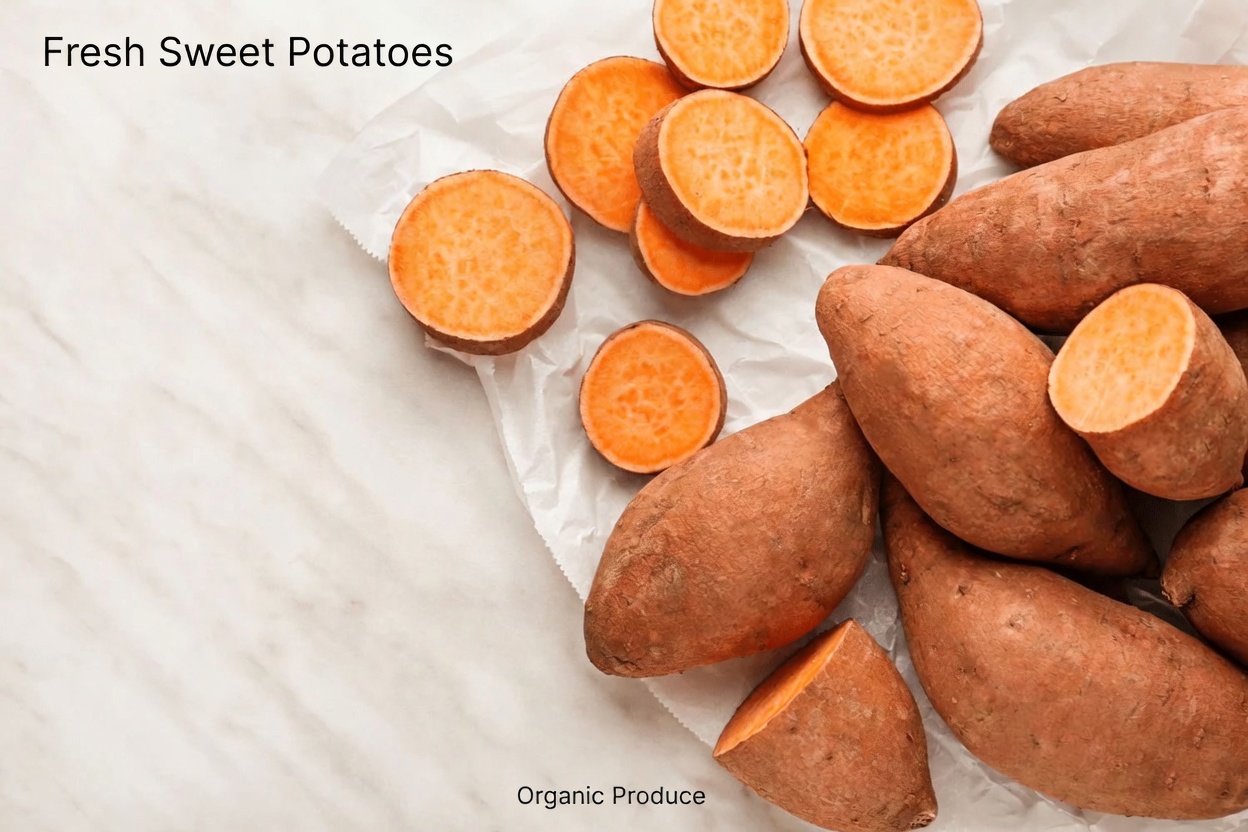
Another reason sweet potatoes deserve a place in your weekly routine is their flexibility. You can:
- Roast them into wedges
- Mash them for a simple side dish
- Add cubes to soups or stews
- Use them in bowls or salads
Because they have a natural sweetness, they may also help reduce the need for extra sugar in some meals. Many adults over 50 find that including sweet potatoes regularly helps them stay satisfied longer between meals.
Berries and Dark Leafy Greens for Antioxidant Support
Berries may be small, but they are loaded with nutritional value. Blueberries and strawberries provide fiber, vitamin C, and antioxidant compounds such as flavonoids, which research links to cellular protection. Nutrition specialists, including experts cited by AARP, often praise berries as an especially strong choice for healthy aging.
Dark leafy greens like spinach and kale add another layer of benefits. They provide:
- Vitamin K
- Folate
- Carotenoids
- Minerals that help support overall balance
These greens are often recommended for supporting eye health and helping maintain healthy blood pressure. A handful can easily be added to smoothies, soups, wraps, or salads.
Eating berries and greens in the same day is one of the simplest habits you can build for better daily nutrition.
Fatty Fish, Nuts, and Avocados for Heart Health and Joint Comfort
Salmon and other fatty fish are best known for their omega-3 fatty acids. These healthy fats have been widely studied for their role in supporting heart function and helping reduce everyday inflammation. If possible, aim for two servings per week.
Nuts such as almonds and walnuts are another excellent source of beneficial fats. A small handful each day provides vitamin E and other nutrients that help protect cells. They are also easy to carry, making them a practical snack.
Avocados offer similar benefits in a creamy, satisfying form. They contain monounsaturated fats and potassium, which supports fluid balance. You can enjoy avocado:
- Sliced on toast
- Added to salads
- Mashed into spreads
- Mixed into grain bowls
These foods feel rich and satisfying, yet they quietly support long-term health in ways that can help you stay active and comfortable.
Eggs, Greek Yogurt, Beans, and Oats for Protein and Stable Energy
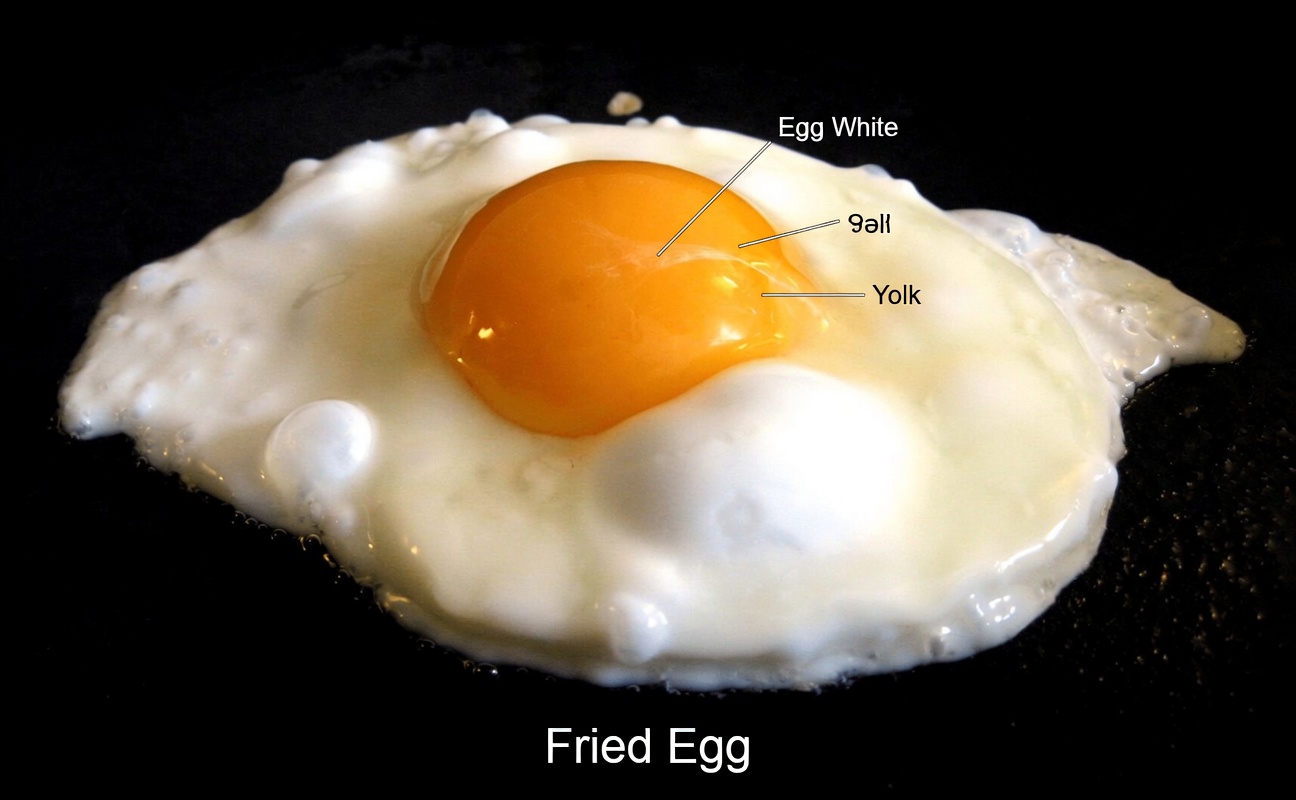
After 50, getting enough protein becomes increasingly important for maintaining muscle and supporting everyday strength. Eggs are a great option because they provide high-quality complete protein along with choline, a nutrient that supports brain and muscle function. A breakfast of two eggs can help you feel full and focused for hours.
Greek yogurt is another strong choice. It contains:
- Protein
- Probiotics for gut balance
- Calcium for bone support
Beans and lentils are budget-friendly nutrition stars. They combine plant protein with fiber, making them excellent for digestion and steady energy. Oats are equally valuable, especially at breakfast. Their beta-glucan fiber is known for helping support healthy cholesterol levels already within a normal range.
Changing these foods from day to day keeps meals interesting. One morning might be eggs with spinach, while the next could be Greek yogurt topped with berries and nuts.
Broccoli and Extra Virgin Olive Oil: Simple but Powerful Additions
Broccoli is one of the most useful vegetables to include regularly after 50. It provides vitamin C, fiber, and naturally occurring plant compounds such as sulforaphane, which are often studied for their role in overall wellness. Light steaming or roasting is a good way to preserve both flavor and nutrients.
Extra virgin olive oil is another staple worth using daily. Its monounsaturated fats are a key part of many eating patterns associated with healthy aging and longevity. Drizzle it over vegetables, use it in dressings, or cook with it in moderation.
Together, broccoli and olive oil can help round out a simple, nutrient-dense meal.
5 Easy Ways to Start Eating These Foods Today
Making healthy changes does not have to be complicated. These quick ideas can help you include more of these foods right away:
- Start the day with oatmeal topped with berries and chopped nuts
- Replace white potatoes with roasted sweet potatoes several times a week
- Add spinach or kale to your smoothie, soup, or lunch wrap
- Use Greek yogurt for dips, snacks, or quick bowls with fruit
- Finish meals with steamed broccoli and a drizzle of olive oil
These small changes take very little time, but they can add up quickly. After a couple of weeks, many people notice steadier energy and improved satisfaction after meals.
Sample One-Day Meal Plan
Here is a simple example of how these 12 foods can fit into one day:
Breakfast
Oatmeal topped with blueberries and walnuts
Lunch
Spinach salad with grilled salmon, avocado, and olive oil dressing
Snack
Greek yogurt with sliced strawberries
Dinner
Lentil soup with roasted sweet potatoes and broccoli on the side
Optional dessert
A small piece of dark chocolate if desired for extra antioxidants
This plan is easy, satisfying, and built around the featured foods.
What Happens When These Foods Become a Habit
The real benefit comes from consistency. These foods support one another and can help promote the energy, comfort, and nutritional balance many people want after 50. You do not need to eat perfectly. Begin with one or two changes, stick with them, and build gradually.
One of the best parts of this approach is how enjoyable it can be. Real, simple food often tastes better than complicated diets and is much easier to maintain over time.
FAQ
Can I eat these foods if I am watching my blood sugar?
In many cases, yes. Most of these foods are naturally lower on the glycemic index when prepared simply. Pairing them with protein and healthy fats may also help support steadier blood sugar. For personal guidance, speak with your healthcare provider.
How much of these foods should I eat each day?
A practical starting point is to include one serving from each food group across the day. For example:
- Half a sweet potato
- One cup of berries
- A handful of nuts
These amounts can fit easily into regular meals and snacks.
Are frozen or canned versions still healthy?
Yes. Frozen berries and low-sodium canned beans are convenient choices that still offer strong nutritional value. Rinsing canned foods can help reduce excess sodium.
Disclaimer
This article is provided for informational purposes only and should not be considered medical advice. Always consult your healthcare provider before changing your diet, especially if you have a medical condition or take prescription medications. Individual results can vary.