Healthy Aging Can Be Simpler Than You Think
As people grow older, it is normal to experience less energy, occasional memory lapses, or a general feeling that daily life takes more effort than it once did. Many adults worry about remaining active, capable, and independent, especially when the media is full of costly or confusing anti-aging advice.
The encouraging part is that better everyday wellness does not have to involve extreme diets or expensive tools. Small, practical habits can meaningfully improve how you feel. One highly respected nutrition expert who has lived beyond 100 offers a clear example of this approach, and the three vitamins he prioritizes each day are especially important for healthy aging. Even better, adding them to your routine can be much easier than most people expect.
Dr. John Scharffenberg: A Practical Model of Longevity
Dr. John Scharffenberg is a Harvard-educated physician and longtime nutrition professor at Loma Linda University, located in one of the world’s recognized Blue Zones, where people often enjoy long, healthy lives. At 101 years old, he remains active, continues to drive, travels, lectures, and maintains impressive mental sharpness.
His philosophy is not built on miracle products or wellness fads. Instead, it centers on steady, science-based habits. He eats mostly plant-based foods and pays close attention to nutrients that older adults commonly lack. Studies continue to show that correcting these nutritional gaps can support immunity, energy, and overall vitality with age.
Among the nutrients he emphasizes, three vitamins stand out as daily priorities.
Vitamin A: A Quiet Essential for Eyes, Skin, and Immune Health
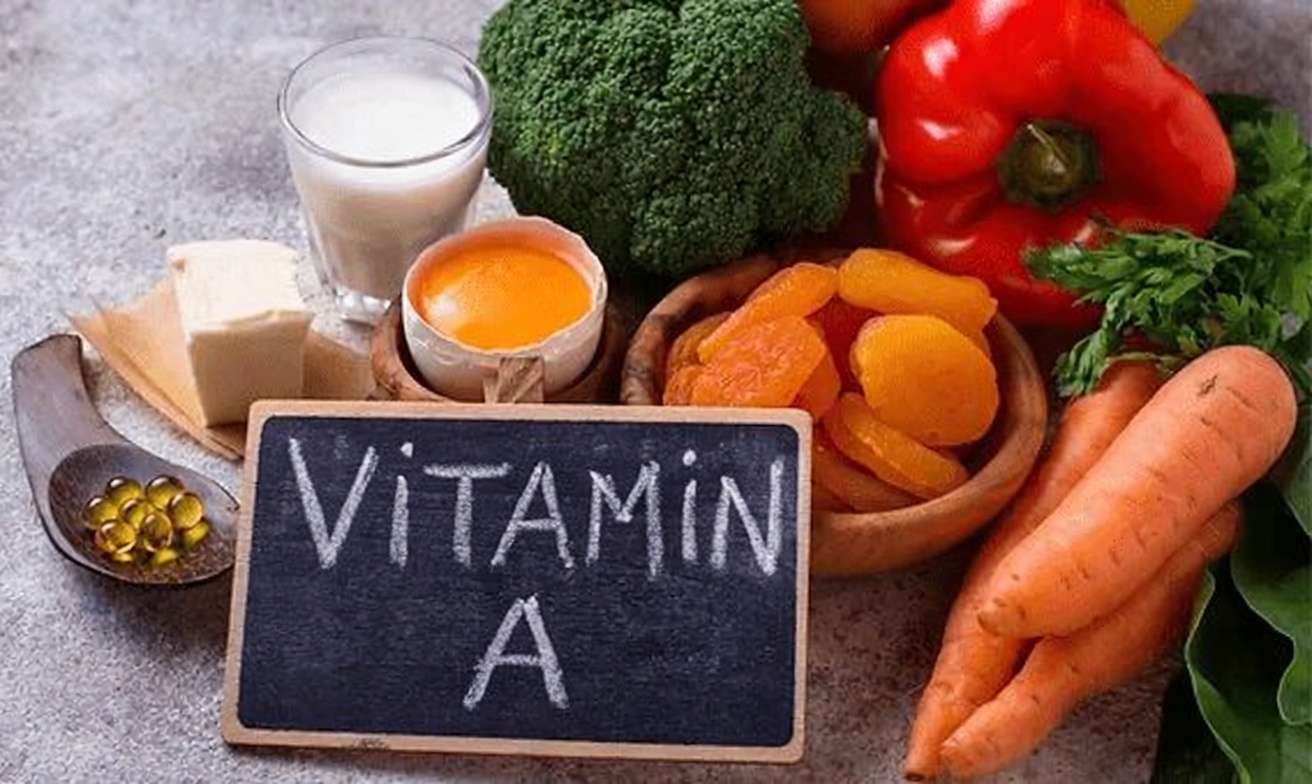
Vitamin A does not always get the attention it deserves, yet it plays a major role in day-to-day health. Research suggests that a large share of adults may not consume enough of it. This vitamin helps preserve eyesight, supports healthy skin renewal, and contributes to a strong immune system.
Dr. Scharffenberg prefers to get vitamin A from natural food sources rich in beta-carotene instead of relying on high-dose supplements. That approach allows the body to convert only what it needs, reducing the risk of excess intake.
Why Vitamin A Matters More as You Age
- Beta-carotene from plant foods helps defend cells against oxidative stress.
- It supports the mucous membranes that serve as a frontline barrier in the body.
- Regular intake may help protect vision needed for reading, driving, and hobbies.
Easy Ways to Add More Vitamin A to Meals
- Blend carrots or cantaloupe into your morning smoothie.
- Swap white potatoes for roasted sweet potatoes several times a week.
- Add spinach or other dark leafy greens to salads, soups, or stir-fries.
A helpful tip: vitamin A from plant foods is absorbed better when eaten with healthy fats, such as olive oil, avocado, or nuts.
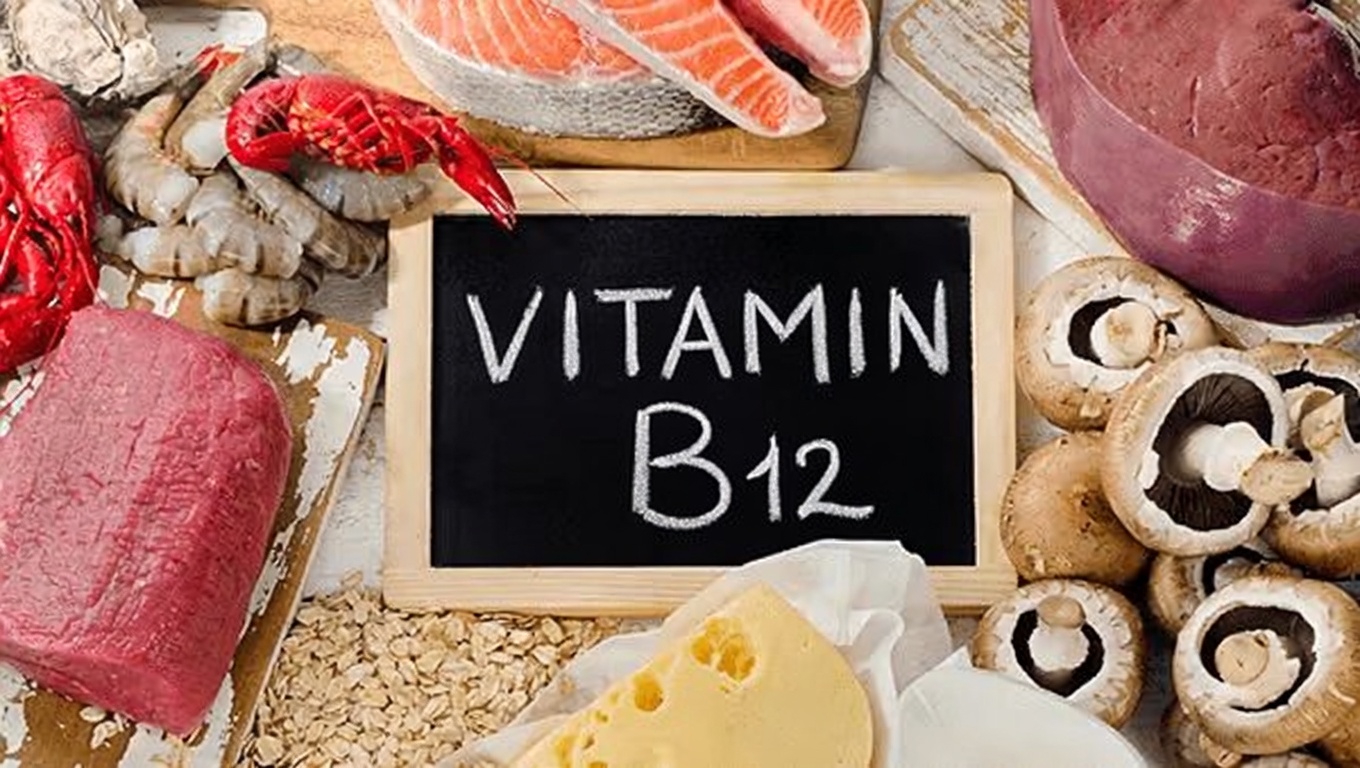
Vitamin B12: A Common Missing Link for Energy and Nerve Function After 50
One important fact many people overlook is that aging affects how well the body absorbs vitamin B12. Even with a balanced diet, absorption often becomes less efficient after age 50 because the stomach may produce less intrinsic factor, which is needed to process B12 properly.
Dr. Scharffenberg highlights this as a frequent issue, especially for vegetarians and people who eat mostly plant-based diets. Adequate B12 levels are associated with stable energy, healthy red blood cell formation, and clear thinking.
Why He Prioritizes Vitamin B12
- It helps protect the myelin sheath around nerves, which supports coordination and balance.
- It assists the body in turning food into usable energy.
- For many older adults, supplements are the most dependable way to meet daily needs.
Practical Ways to Support Healthy B12 Levels
- Choose fortified cereals or fortified plant milks if you eat mostly plant-based foods.
- Consider a daily B12 supplement, such as cyanocobalamin or methylcobalamin.
- Ask your doctor for a simple blood test to check your level if you suspect a deficiency.
Many people notice meaningful improvements once low B12 is identified and corrected.
Vitamin D: The Bone and Muscle Support Nutrient Many Adults Need More Of
Vitamin D is one of the most widely discussed vitamins, yet deficiency remains extremely common. In some populations, the majority of adults may have low levels, depending on sun exposure, season, and location. This nutrient is essential for calcium absorption, bone strength, and muscle function, all of which become increasingly important with age.
Dr. Scharffenberg points out that many seniors spend less time outdoors or live in places with limited sunlight, which makes vitamin D especially important to monitor.
Why Vitamin D Is So Important for Healthy Aging
- It works with calcium to help maintain bone density.
- It supports muscle performance, which can help reduce instability and falls.
- Research also suggests a connection between healthy vitamin D levels, mood, and immune balance.
Simple Ways to Increase Vitamin D
- Spend about 10 to 15 minutes in midday sunlight on your face and arms on most days, adjusting for your skin type and environment.
- Include vitamin D-fortified foods, such as fortified orange juice, certain mushrooms, or fatty fish if they fit your diet.
- Talk with your healthcare provider about supplementation if testing shows you are low.
Targeted vitamin D support can be straightforward and highly effective.
The Bigger Lesson Behind These Three Vitamins
These nutrients are not magic by themselves. They are part of a broader lifestyle that supports long-term health. Dr. Scharffenberg combines them with regular movement, a plant-forward eating pattern, and avoidance of harmful habits such as smoking and excessive alcohol use.
His overall daily approach includes:
- Walking every day, with at least two miles recommended for seniors when appropriate
- Eating more legumes, whole grains, nuts, fruits, and vegetables
- Keeping meals simple, nutrient-dense, and consistent
- Avoiding tobacco and limiting alcohol
Taken together, these habits create a powerful foundation for independence and resilience later in life.
Quick Vitamin Guide for Older Adults
| Vitamin | Common Risk of Low Intake | Best Everyday Sources | Why It Matters With Age |
|---|---|---|---|
| Vitamin A | Nearly half of adults may not get enough | Carrots, sweet potatoes, spinach, leafy greens | Supports vision, skin health, and immune defense |
| Vitamin B12 | Risk rises after age 50 | Fortified foods, supplements | Helps energy production, nerve health, and red blood cells |
| Vitamin D | Very common in many groups | Sunlight, fortified foods, supplements | Supports bone strength and muscle function |
The takeaway is simple: healthy aging often comes down to repeatable basics, not complicated systems.
Small Actions You Can Start Today
If you want to put these ideas into practice, start with a few manageable steps:
- Take a 10-minute walk outside after breakfast for light movement and natural sunlight.
- Add one beta-carotene-rich vegetable to each main meal this week.
- Set a daily reminder for your B12 or vitamin D supplement if your doctor recommends one.
- Keep a short food and energy journal for one week to track how you feel.
- Schedule a check-up and ask about blood tests to identify any deficiencies.
These habits are easy to maintain and can build momentum over time.
Final Thoughts: Better Aging Through Everyday Choices
Dr. Scharffenberg’s example shows that living well into older age does not have to depend on expensive trends or ideal genetics. By paying attention to vitamin A, vitamin B12, and vitamin D—while also staying active and eating real, whole foods—he has created a lifestyle that supports strength, clarity, and independence well past 100.
The best part is that these same principles are accessible to almost anyone. Start with one or two changes, stay consistent, and let small improvements add up. Within weeks, you may begin to notice a meaningful difference in your energy, mood, and overall well-being.
FAQ
1. Can food alone provide all three vitamins?
Vitamin A can often be met through colorful fruits and vegetables. However, vitamin B12 and vitamin D are more difficult for many older adults to obtain in adequate amounts from food alone. Blood testing can help determine what you personally need.
2. Are supplements safe for seniors?
Yes, when used appropriately and based on individual needs. It is always best to discuss new supplements with your doctor, especially if you take prescription medications or have existing health conditions.
3. How long does it take to feel results?
Some people notice better energy or mood within a few weeks after addressing a deficiency. Still, the greatest benefits usually come from staying consistent over the long term.
Disclaimer
This article is for educational purposes only and should not replace professional medical advice, diagnosis, or treatment. Always consult a qualified healthcare provider before making major dietary changes or starting new supplements.