Better Bread Choices for Blood Sugar Balance
For many people, keeping blood sugar in a healthy range feels like a daily challenge, especially with foods like bread that appear at breakfast, lunch, and dinner. Concerns about sudden energy crashes or how certain meals affect overall well-being can make eating feel more complicated than it should. Instead of enjoying a simple sandwich or toast, you may end up reading labels carefully and questioning every loaf in the store.
The good news is that bread does not have to disappear from your routine. When you choose varieties that offer more fiber, protein, and nutrient-rich ingredients, bread can still support your wellness goals. Even better, the right picks can make everyday meals simpler, more satisfying, and far less stressful. Below are five strong options, plus a practical shopping shortcut that can make all the difference.
Why Bread Selection Matters for Blood Sugar Support
Bread is often criticized in discussions about blood sugar, but not every type affects the body in the same way. What matters most is how quickly the carbohydrates are digested. Highly refined breads tend to break down fast, which can lead to sharper rises and drops. In contrast, breads made with whole grains, fiber, and slower-digesting ingredients usually create a steadier response.
Research has shown that breads rich in whole grains and fiber may help support more stable blood sugar after meals. This can make daily management feel easier and more predictable.
Nutrition professionals, including registered dietitians featured in trusted health publications such as EatingWell, often point out that ingredients and processing methods matter just as much as the carb count. For example, sprouting and fermentation can naturally slow how quickly sugars enter the bloodstream. The goal is not to avoid bread entirely, but to choose versions that work better with your body. Once you know what to look for, shopping becomes much less overwhelming.
5 Best Breads to Add to Your Shopping List
These five breads stand out for their nutrition profiles, expert support, and popularity among people looking for more balanced blood sugar-friendly options. Each has its own strengths and can fit easily into everyday meals.
1. Sprouted Grain Bread
Sprouted grain bread is made from whole grains that have started to sprout. This natural process can reduce some of the starch while increasing nutrient availability. As a result, many people find it easier to tolerate than standard bread.
Dietitians frequently recommend sprouted bread because it tends to contain more fiber and protein, two nutrients that help slow carbohydrate absorption and support longer-lasting fullness. A single slice often provides about 3 to 4 grams of fiber along with a solid amount of protein.
Popular options such as Ezekiel bread are especially well-known because they typically contain no added sugar. For a balanced breakfast, try a toasted slice with avocado and eggs. It is flavorful, filling, and easy to work into a steady routine.
2. Sourdough Bread
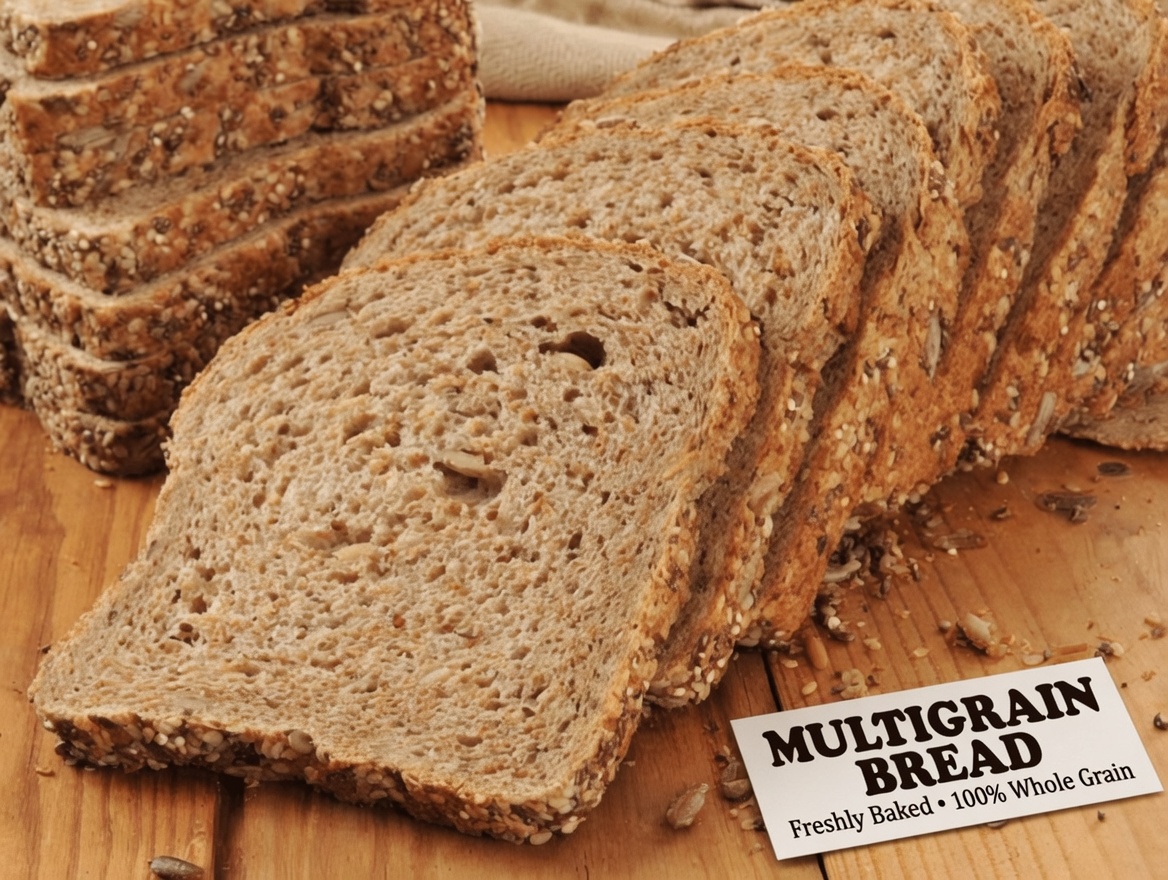
Sourdough is unique because it goes through a slow fermentation process using natural yeast and beneficial bacteria. During fermentation, some starches are broken down and natural acids are formed. Studies suggest this process may reduce the bread’s effect on blood sugar compared with ordinary white bread.
Many people also appreciate sourdough for its rich flavor and satisfying texture. A dense slice can feel more filling, which may help with portion awareness. When shopping, choose traditional sourdough made with simple ingredients and minimal or no added sugar.
It works especially well for lunch. A sandwich with sourdough, turkey, and vegetables can feel hearty and satisfying without being overly heavy. Nutrition research has also highlighted fermentation as a possible reason some people experience a gentler post-meal response when sourdough replaces more refined bread.
3. 100% Whole Wheat Bread
Whole wheat bread can be a reliable everyday choice, but only if it is truly whole grain. Many loaves labeled simply as “wheat bread” still contain refined flour. To get the full benefit, check the ingredient list and make sure the first ingredient says 100% whole wheat.
Because it keeps the bran and germ intact, this bread provides more fiber than refined options. That extra fiber helps slow digestion and may reduce sudden spikes after meals. Health organizations often recommend 100% whole wheat as an easy, practical substitute for white bread.
Look for loaves with at least 3 grams of fiber per slice. Its slightly nutty flavor makes it great for toast with peanut or almond butter, or as the base for an open-faced tuna melt. It is also widely available, so it is one of the easiest healthier swaps to make.
4. Rye Bread, Especially Dark Rye or Pumpernickel
Rye bread is known for its dense texture and hearty taste. It is naturally rich in soluble fiber, which forms a gel-like substance during digestion. This may help slow the breakdown of carbohydrates and support a more gradual release of energy.
Rye often ranks better than many common breads on glycemic measures, and dietitians regularly mention it as a good choice for staying full between meals. Dark rye and pumpernickel are usually the better picks, while lighter rye breads may contain more refined flour than expected.
For the best option, choose breads labeled 100% rye or darker rye varieties. Their earthy flavor pairs well with lean protein, sauerkraut, or soup. Research consistently points to rye as a bread that may support a more favorable after-meal blood sugar response.
5. Seeded Multigrain Bread
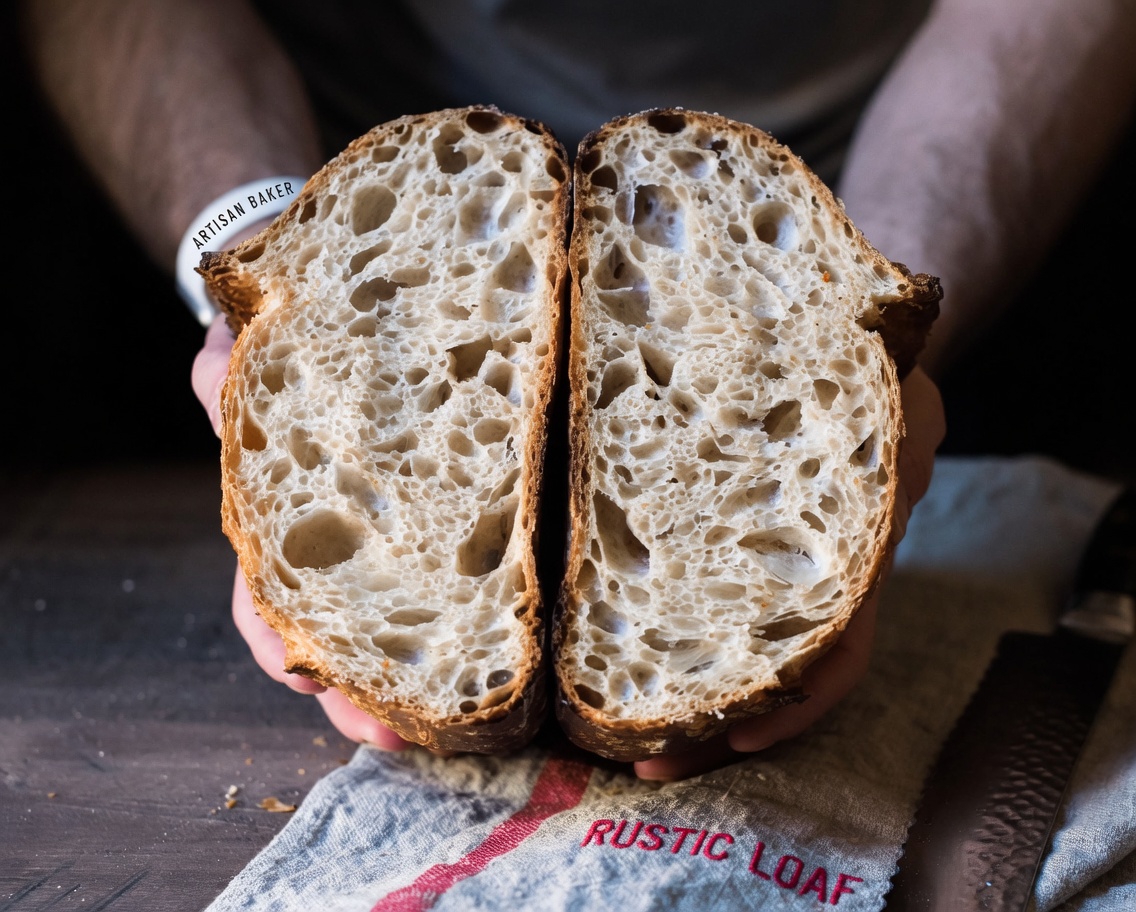
Seeded multigrain bread can be one of the most satisfying choices on the shelf. Varieties made with flaxseed, chia seeds, oats, or similar ingredients offer added fiber, healthy fats, and protein. Together, these nutrients help slow digestion and soften the impact of carbohydrates.
Loaves with visible seeds often feel more substantial and filling. Flaxseed also adds omega-3 fats, which many people value for heart health support. Some thin-sliced versions, such as certain options from Dave’s Killer Bread, help keep portions and carbohydrates reasonable while still delivering strong nutrition.
The crunchy texture makes seeded bread especially enjoyable for avocado toast, grilled cheese, or a simple snack with hummus. Starting the day with this kind of bread can make healthy eating feel easy instead of restrictive.
Quick Comparison Guide
If you want a simple way to compare these breads while shopping, use this reference:
- Highest fiber: Sprouted grain and seeded multigrain breads often provide around 3 to 5 grams per slice.
- Good protein content: Sprouted and seeded options usually offer about 4 to 6 grams per slice.
- Best digestion advantage: Sourdough and sprouted breads tend to digest more slowly thanks to fermentation or sprouting.
- Strong satiety support: Rye and seeded breads are often especially filling.
- Most versatile: Whole wheat works for almost any meal and is easy to find.
This quick breakdown can help you choose based on your goals, taste preferences, and daily routine.
Smart Tips for Buying and Eating Bread Every Day
Choosing a better loaf becomes much easier when you follow a few simple guidelines.
-
Read the ingredient list first
- Look for whole grains as the first ingredient.
- Choose bread with at least 3 grams of fiber per slice.
- Aim for less than 5 grams of added sugar per slice.
- A protein content of 3 grams or more is a helpful bonus.
-
Watch portion sizes
- One or two slices per meal is a practical range for most people.
- Pair bread with protein, healthy fat, or vegetables for better balance.
-
Store bread the right way
- Keep it in the refrigerator or freezer to stay fresh longer.
- Many breads toast well straight from frozen.
-
Create balanced pairings
- Sprouted bread with eggs and avocado
- Rye bread with salmon salad
- Whole wheat toast with nut butter
- Seeded multigrain with hummus and sliced vegetables
-
Make changes gradually
- Try replacing just one bread this week.
- Notice how your energy, fullness, and comfort feel after meals.
Small changes are often easier to maintain and can still make a meaningful difference over time.
The Shopping Secret That Makes Everything Easier
Here is the extra tip that can simplify your next grocery trip: do not focus on the front label alone. Words like “multigrain,” “made with wheat,” or “natural” can sound healthy, but they do not always mean the bread is the best choice for blood sugar support.
Instead, use this quick label-check method:
- First ingredient should be a whole grain
- Fiber should be 3 grams or more per slice
- Added sugar should stay under 5 grams per slice
- Protein should be 3 grams or higher when possible
This one habit can help you avoid misleading packaging and choose bread with more confidence.
Final Thoughts: Enjoy Bread More Wisely
Choosing bread that supports blood sugar does not mean giving up foods you enjoy. It simply means being more selective. Sprouted grain, sourdough, 100% whole wheat, rye, and seeded multigrain breads all offer benefits that can fit well into a balanced lifestyle.
With the right loaf, bread can remain part of your meals without adding unnecessary stress. Focus on fiber, quality ingredients, and smart pairings, and you may find that eating well feels easier than ever.