
A Busy Modern Life Needs Gentle, Lasting Support
In a world that moves at full speed, it’s common to deal with ongoing tiredness, stress, and the gradual changes that come with aging. Over time, these pressures can stack up—making it tougher to stay energized, sharp, and genuinely present in day-to-day life without leaning on short-term “quick fixes” that fade fast.
One practical approach is building small daily rituals around natural ingredients that support overall wellness. Among the options gaining global attention is turmeric tea—a simple drink that may fit into your routine in more ways than you expect.

What Is Turmeric Tea—and Why Is Everyone Talking About It?
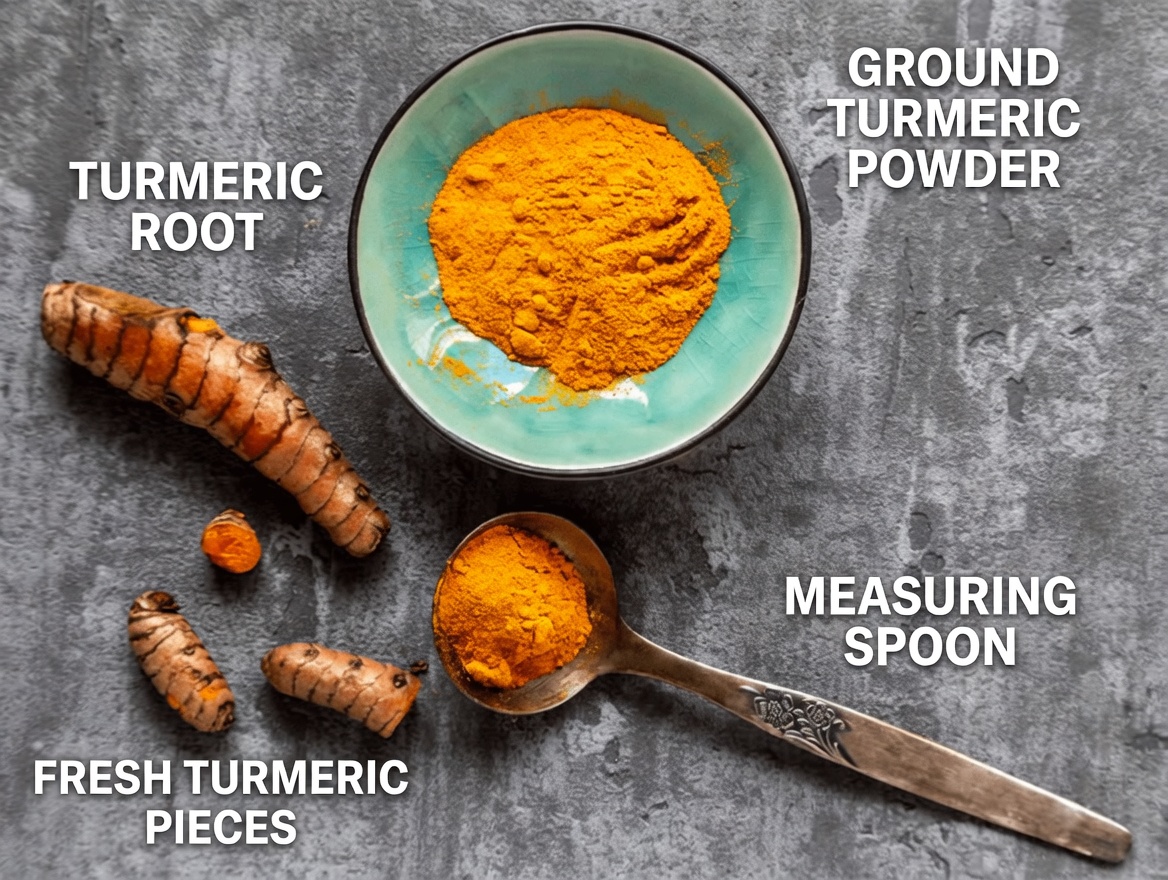
Turmeric tea (often nicknamed “golden tea” for its bright yellow color) is a warm beverage made from the root of the turmeric plant, Curcuma longa. Turmeric has been used for centuries across Asian cooking and traditional wellness systems.
So why the renewed popularity today? Much of the interest centers on curcumin, the natural compound responsible for turmeric’s color and a major focus of modern scientific research. Many people now enjoy turmeric tea as a calming daily add-on—especially as a morning starter or an evening wind-down drink.
Its flavor is also easy to customize: turmeric’s earthy notes blend well with ginger, lemon, cinnamon, or honey, which helps explain why it’s appearing in cafés and home kitchens worldwide.
The Science Behind Curcumin (Turmeric’s Key Ingredient)
Curcumin is widely studied for how it behaves in the body. Research discussed by organizations such as the National Institutes of Health highlights curcumin’s antioxidant activity, which may help the body manage everyday oxidative stress.
Researchers have also explored curcumin’s relationship with the body’s inflammation response, which is part of normal physiology. Findings in publications including the Journal of Medicinal Food suggest curcumin may support healthy inflammatory balance.
In addition, early-stage laboratory findings and reviews (including in Antioxidants & Redox Signaling) point to potential links between curcumin and cellular health, though more large-scale human studies are still needed.
One important practical detail: curcumin is not easily absorbed on its own. A well-known, research-supported tip is to combine turmeric with black pepper, which contains piperine—a compound that may improve curcumin absorption.

Potential Everyday Wellness Benefits of Turmeric Tea
Adding turmeric tea to your routine may provide gentle, day-to-day support in several areas:
-
Joint comfort and mobility
Clinical research and meta-analyses (including in the Journal of Alternative and Complementary Medicine) have reviewed trials where curcumin supplementation was associated with improved mobility outcomes in active individuals. -
Digestive ease
Turmeric has a long history of use in Ayurveda. Modern research, including studies in Phytotherapy Research, suggests turmeric-related compounds may support digestive balance and gut comfort. -
Brain and memory support
Some human research has looked at curcumin in relation to cognitive function. For example, a study published in the American Journal of Geriatric Psychiatry examined potential links between curcumin and memory outcomes in older adults, possibly connected to antioxidant effects. -
Heart health support
Reviews in the Nutrition Journal have discussed potential associations between curcumin and maintaining healthy cholesterol markers already within normal ranges.
These findings are best viewed as potential benefits, not promises. Your results can vary based on health status, diet, and lifestyle.
Turmeric Tea Benefits at a Glance
- Antioxidant support: Helps the body manage free radicals from everyday living
- Joint mobility support: May encourage comfort during movement
- Digestive harmony: Often used to support a calmer stomach after meals
- Cognitive clarity: May help support focus and recall
- Immune balance: Contributes to normal defense processes
Turmeric Tea and a Longevity-Oriented Lifestyle
A long, healthy life is rarely about one “superfood.” It’s usually built on consistent habits—balanced meals, movement, sleep, and stress management.
Insights from Blue Zones (regions known for unusually high numbers of people living past 100) often highlight plant-forward diets and foods associated with healthy inflammatory balance. Turmeric fits naturally into that pattern and also aligns with culinary traditions seen in places like Okinawa and India.
A cup of turmeric tea can serve as a simple anchor habit—encouraging hydration, slowing down for a moment, and being more intentional with your day. Pair it with a short walk or a few minutes of meditation to deepen the mood-and-energy benefits of the ritual.
How to Make Turmeric Tea at Home (Simple Recipe)
You can prepare turmeric tea in just a few minutes:
-
Collect ingredients
- 1 teaspoon ground turmeric
- A pinch of black pepper
- 1 cup water
- Optional: lemon, honey, or milk/non-dairy milk
-
Heat the water
Bring water to a gentle simmer. -
Add turmeric + pepper
Stir well to combine. -
Simmer for flavor
Keep it gently bubbling for 5–10 minutes. -
Strain and finish
Strain if desired, then adjust with lemon, honey, or milk to taste. -
Sip slowly
Many people enjoy it in the morning for a steady start.
Tip: If using fresh turmeric root, grate it finely before simmering for a stronger, fresher flavor.
Easy Variations So You Don’t Get Bored
- Golden milk latte: Add almond milk and cinnamon for a creamy version
- Iced turmeric tea: Brew it stronger, chill, then pour over ice
- Extra warming blend: Add ginger slices for a spicier kick
- Green tea mix: Combine with green tea for a broader antioxidant profile
Common Concerns About Drinking Turmeric Tea
As with any dietary change, moderation matters. Some people are cautious about turmeric because it may interact with certain medications—especially blood thinners. Reviews such as those in Drug Metabolism Reviews note that high doses could influence specific metabolic enzymes, so it’s smart to speak with a healthcare professional if you take medication or manage a medical condition.
Another practical issue is staining—turmeric’s pigment can discolor countertops and may linger on teeth. Rinse soon after drinking or consider using a straw.
For most people, typical tea amounts (commonly 1–2 teaspoons per day) are generally well tolerated, and side effects are uncommon.
Community Experiences: What People Say
Beyond research, many people enjoy hearing real-life experiences. Across wellness communities, turmeric tea is often described as a comforting daily ritual that helps people feel more “on track.” Some individuals report noticing changes like better flexibility or steadier energy after several weeks, though outcomes vary widely.
Building a routine—and sharing it with others—can make healthy habits easier to maintain over time.
Turmeric Tea vs. Other Popular Herbal Drinks
Here’s a quick comparison of common brews:
-
Turmeric tea
- Key compound: Curcumin
- Often used for: Antioxidant support, joints, digestion
- Prep time: ~10 minutes
-
Green tea
- Key compound: Catechins
- Often used for: Metabolism, heart health
- Prep time: ~5 minutes
-
Ginger tea
- Key compound: Gingerol
- Often used for: Nausea support, warming comfort
- Prep time: ~7 minutes
-
Chamomile tea
- Key compound: Apigenin
- Often used for: Relaxation, sleep support
- Prep time: ~5 minutes
Turmeric tea stands out for its broad interest in antioxidant and inflammation-related research.
Final Thoughts: A Small Daily Step Toward Better Wellness
Making turmeric tea part of your day is a simple, low-effort way to explore natural wellness support—especially if you’re looking for steady habits rather than temporary fixes. It’s easy to prepare, flexible in flavor, and backed by growing scientific interest around curcumin.
The “unexpected twist” is that the ritual can go beyond nutrition: try pairing your cup with a brief gratitude moment—reflecting on one good thing from your day while you sip. Emerging mindfulness research suggests that consistent reflective practices may support mental clarity and emotional balance, making your tea break more than just a drink.
Frequently Asked Questions
-
When is the best time to drink turmeric tea?
Many people prefer mornings for a grounded start, while others enjoy it in the evening to relax. Test both and follow what feels best. -
Can I drink turmeric tea if I have digestive issues?
Some find it soothing, but start with a small amount. If you have ulcers, reflux, or a diagnosed condition, consult a clinician first. -
How much turmeric tea is safe per day?
A common range is 1–2 cups daily, often equating to roughly 1–2 grams of turmeric. Avoid going far beyond this without professional guidance.
Disclaimer: This article is for informational purposes only and is not medical advice. Consult a qualified healthcare professional before making significant dietary changes, especially if you are pregnant, nursing, have a medical condition, or take medications.