Cancer Prevention and Diet: 10 Foods That May Help Lower Risk
Cancer affects millions of families around the world, and for many people, concern about long-term health is part of everyday life. Watching someone you love deal with illness—or worrying about your own future—can feel stressful and emotionally draining. The encouraging news is that your daily food choices can be a meaningful step in the right direction.
Research continues to show that many nutrient-rich foods contain natural compounds that may help the body protect healthy cells, reduce inflammation, and support overall wellness. If you want simple and enjoyable ways to improve your diet, there is plenty to explore—including a bright, berry-based drink that may offer more benefits than most people expect.
Why Food Choices Matter for Cancer Risk Reduction
No single ingredient can promise protection from cancer or any other disease. However, a large and growing body of evidence, including findings from the American Institute for Cancer Research (AICR), suggests that long-term eating habits do matter.
Diets centered on plant foods are consistently associated with a lower risk of several cancers. These foods tend to be rich in:
- Antioxidants
- Fiber
- Phytochemicals
- Anti-inflammatory compounds
Together, these nutrients may help the body manage oxidative stress and chronic inflammation, two factors linked to cell damage over time.
Maintaining a healthy body weight through balanced nutrition and regular physical activity is also important. Still, researchers are especially interested in the protective effects of specific natural compounds found in certain foods.
And there is another key point: these foods may work even better as part of an overall healthy eating pattern rather than in isolation.
How Antioxidants and Plant Compounds Support the Body
Many of the foods highlighted below are packed with vitamin C, polyphenols, flavonoids, and other protective substances. These compounds help neutralize free radicals, unstable molecules that can damage cells and DNA over time.
Regular intake of antioxidant-rich foods may support:
- Healthy cell function
- DNA repair
- Balanced inflammation levels
- Overall cellular protection
Berries are one of the best examples. They are not only flavorful, but also naturally rich in anthocyanins and ellagic acid. A vibrant red berry drink—made from fresh or frozen berries and lightly flavored with cinnamon—is a refreshing way to enjoy these nutrients.
Top 10 Foods That May Help Support a Lower Cancer Risk
The following foods are widely recommended in scientific reviews and by cancer research organizations. Each one offers distinct nutritional advantages and can fit easily into everyday meals.
1. Berries
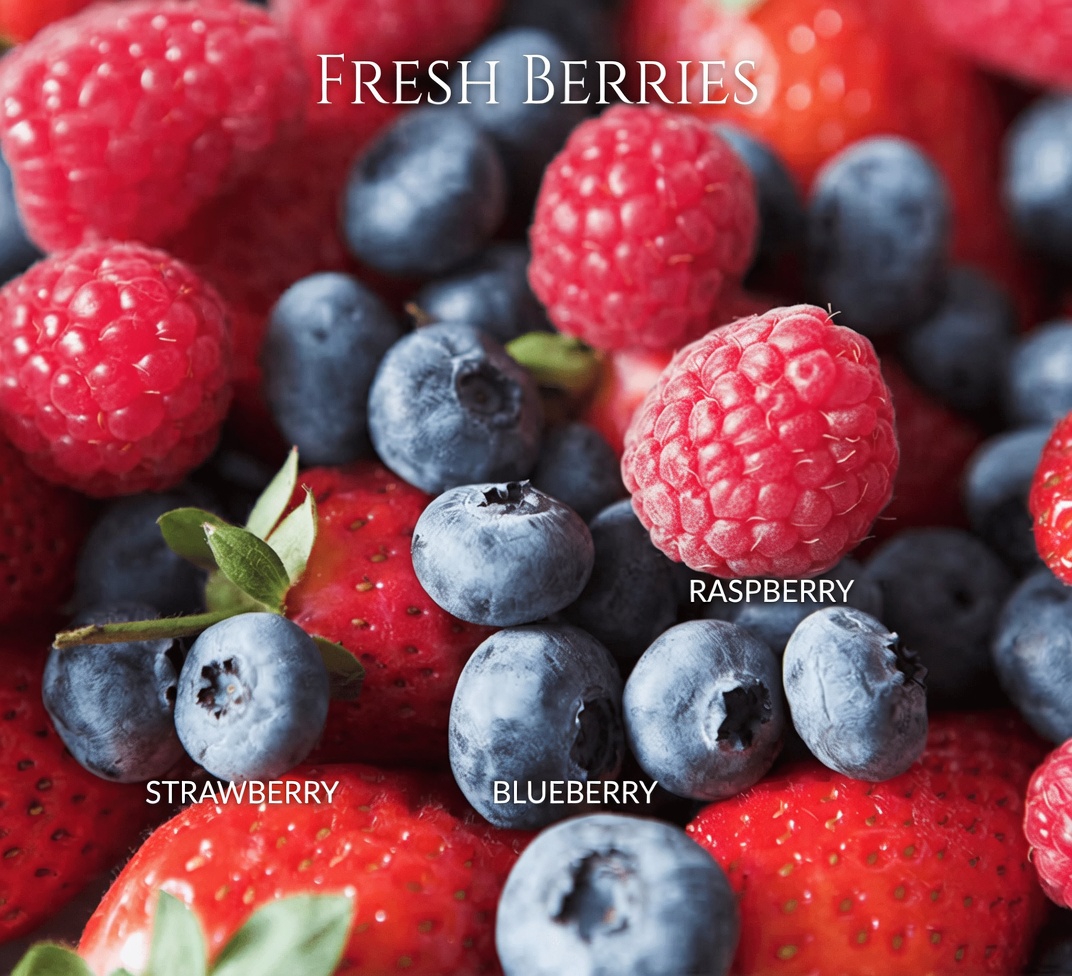
Blueberries, strawberries, raspberries, and blackberries are loaded with antioxidants and other beneficial plant compounds. Studies have linked regular berry intake with possible protective effects against several types of cancer, largely because of their ability to help reduce oxidative damage.
A homemade berry drink is an excellent option. Blending or steeping mixed berries with a cinnamon stick adds natural sweetness and an extra source of anti-inflammatory compounds.
Easy ways to eat more berries:
- Add them to smoothies
- Spoon them over yogurt
- Mix them into oatmeal
- Enjoy them fresh or frozen
- Make a simple berry infusion or juice
A daily cup is a practical goal for many people.
2. Cruciferous Vegetables
Broccoli, cauliflower, cabbage, and Brussels sprouts contain sulforaphane and glucosinolates, compounds studied for their role in the body’s detoxification processes.
Laboratory and population-based research suggests these vegetables may help support lower risk, especially in relation to digestive and lung health.
Best ways to prepare them:
- Steam lightly
- Roast with olive oil
- Add to stir-fries
- Toss into soups
3. Tomatoes
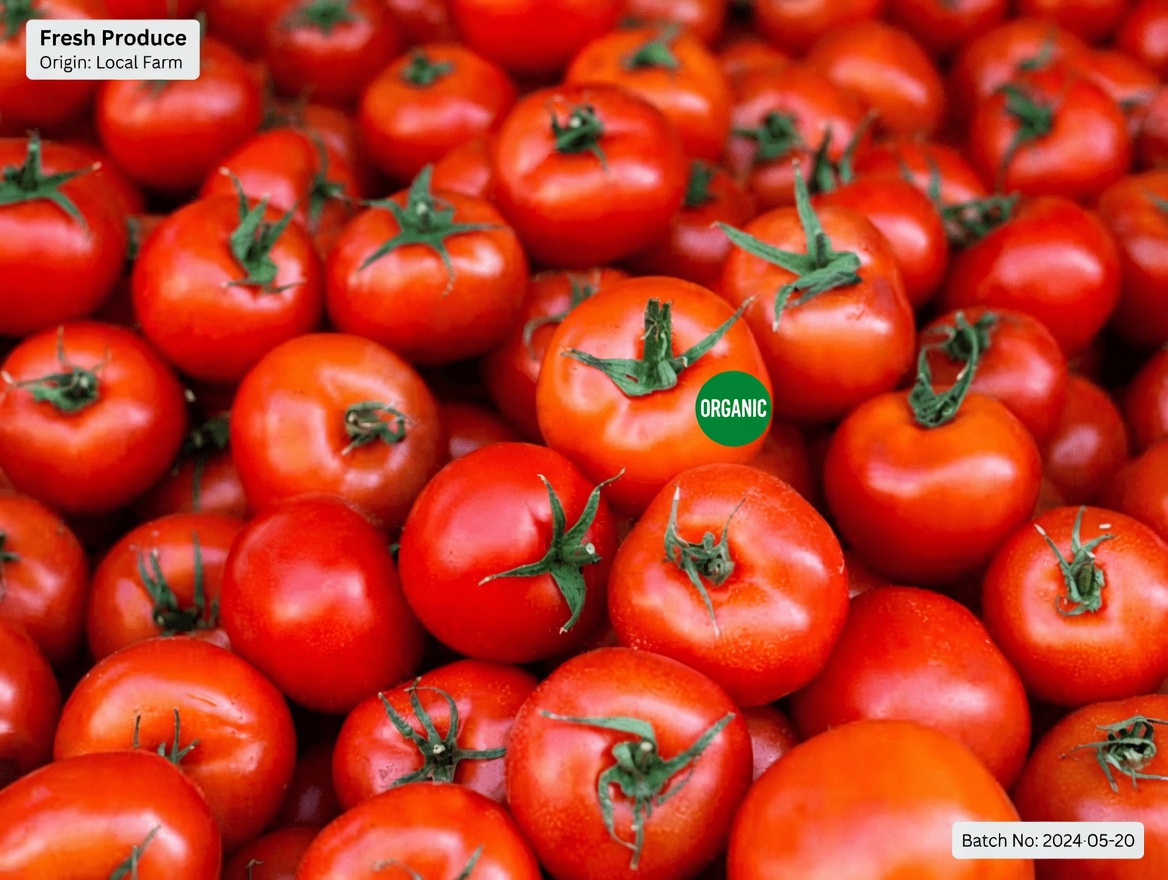
Tomatoes are well known for their lycopene content, a powerful carotenoid antioxidant. Lycopene becomes even more available when tomatoes are cooked.
Observational studies have associated higher lycopene intake with a reduced risk of certain cancers, particularly prostate cancer.
Simple ways to include tomatoes:
- Tomato sauce
- Soups
- Salads
- Roasted tomatoes
- Fresh slices in sandwiches or bowls
4. Leafy Green Vegetables
Spinach, kale, Swiss chard, and similar greens provide folate, vitamins, minerals, and antioxidants that support normal cell health.
These vegetables are a regular part of eating patterns linked to better long-term health outcomes.
Ways to use leafy greens:
- In salads
- Blended into smoothies
- Sautéed with garlic
- Added to omelets
- Mixed into soups and grain bowls
5. Garlic
Garlic contains organosulfur compounds that research suggests may influence inflammation and important cell signaling pathways. The AICR has also noted possible benefits for colorectal health when garlic is used regularly.
To get the most from fresh garlic:
- Chop or crush it first
- Let it rest for a few minutes before cooking
- Add it to vegetables, soups, sauces, and proteins
6. Turmeric
Turmeric contains curcumin, a compound widely studied for its anti-inflammatory properties. When paired with black pepper, absorption may improve significantly.
Popular ways to use turmeric include:
- Curries
- Soups
- Herbal teas
- Golden milk
- Rice and lentil dishes
7. Green Tea
Green tea is rich in catechins, especially EGCG, which laboratory studies suggest may affect pathways involved in cell growth and protection.
Drinking green tea regularly can be a smart replacement for sugary beverages. For many people, 2 to 3 cups per day is an easy addition to a balanced routine.
8. Nuts, Especially Walnuts
Nuts offer healthy fats, vitamin E, minerals, and polyphenols. Walnuts are often highlighted because they also provide omega-3 fatty acids.
Potential benefits include support for:
- Heart health
- Cellular health
- Satiety and weight management
A small handful makes a convenient snack.
9. Beans and Legumes
Lentils, chickpeas, black beans, and similar foods are excellent sources of fiber and plant protein. Fiber helps support digestive health and healthy weight management, both of which matter in cancer prevention.
Population studies have linked higher fiber intake with a lower risk of colorectal cancer.
Try adding legumes to:
- Soups
- Salads
- Grain bowls
- Stews
- Spreads and dips
10. Whole Grains
Oats, brown rice, quinoa, barley, and other whole grains contribute fiber, vitamins, and steady energy. They support gut health and help maintain more stable blood sugar levels.
Dietary guidelines for cancer prevention consistently favor whole grains over refined grains.
Good choices include:
- Oatmeal for breakfast
- Brown rice with lunch or dinner
- Quinoa in salads
- Whole grain toast or crackers
- Barley in soups
Practical Ways to Eat More of These Foods Every Day
Making healthier choices does not need to be difficult. Small adjustments can be surprisingly effective when practiced consistently.
Here are a few realistic ideas:
- Start the day with berries: Make a warm berry infusion with cinnamon, or prepare a chilled berry drink for the morning.
- Fill half your plate with vegetables: Include a range of colors, especially leafy greens and cruciferous vegetables.
- Choose smarter snacks: Swap packaged snacks for nuts, fresh berries, or roasted chickpeas.
- Use more herbs and spices: Garlic and turmeric can add both flavor and nutritional value.
- Upgrade your drinks: Replace sugary beverages with green tea or homemade berry-based drinks several times a week.
Over time, these habits can make healthy eating feel natural rather than restrictive.
Easy Meal Ideas That Combine These Cancer-Fighting Foods
One of the best things about these foods is how flexible they are in the kitchen. You can mix and match them in meals that are both satisfying and supportive of long-term health.
A few simple examples:
- A salad with leafy greens, tomatoes, beans, and chopped walnuts
- A broccoli and garlic stir-fry served with quinoa
- Lentil soup with turmeric and extra vegetables
- Oatmeal topped with mixed berries and nuts
- Yogurt with berries for dessert or a midday snack
Homemade berry drinks and teas are especially appealing. They taste fresh, look beautiful, and offer a concentrated way to enjoy some of the beneficial compounds found in berries and spices.
Final Thoughts: Small Daily Choices Can Make a Difference
Choosing a diet rich in colorful, plant-forward foods is one of the most practical ways to support overall wellness. While no food or diet can remove every risk, this style of eating aligns closely with recommendations from major health organizations focused on cancer prevention.
To strengthen the benefits, pair healthy eating with other positive habits:
- Stay physically active
- Maintain a healthy weight
- Avoid tobacco
- Limit highly processed foods
- Focus on long-term consistency
Even modest changes can have meaningful impact over time.
Frequently Asked Questions
Can diet alone prevent cancer?
No. There is no single food, supplement, or lifestyle change that can completely prevent cancer. However, healthy eating—combined with exercise, weight management, and avoiding smoking—may help lower overall risk according to major prevention guidelines.
How much of these foods should I eat each day?
Focus more on variety and consistency than on perfect numbers. A practical goal is:
- At least 5 servings of fruits and vegetables daily
- Regular intake of whole grains and legumes
- Berries and nuts as frequent snacks or meal additions
A balanced pattern over time matters more than trying to be perfect every day.
Are supplements as effective as eating whole foods?
In most cases, whole foods are the better choice. Fruits, vegetables, legumes, nuts, and whole grains provide a combination of fiber, vitamins, minerals, and plant compounds that work together in ways supplements may not fully replicate. Supplements can be useful in specific situations, but they should not replace a healthy diet unless recommended by a healthcare professional.