

The Best Rice Choices for Everyday Kidney-Friendly Eating
Rice is a daily staple for millions of people because it is simple, filling, and easy to pair with almost any meal. However, as the years go by or life becomes more demanding, the kidneys continue doing the quiet work of filtering fluids, minerals, and waste from everything we eat and drink. Over time, everyday food choices can place extra strain on that process, especially when meals are high in minerals such as phosphorus and potassium.
The encouraging part is that a few smart rice swaps can help you keep meals comforting and satisfying while better supporting kidney-conscious eating habits.
What many people do not realize is that three rice varieties are especially well suited to this approach. Even more surprising, the way you prepare rice can make an important difference in how well it fits into your routine.
Why the Type of Rice You Choose Matters
Rice is one of the most widely eaten grains in the world, valued for its steady carbohydrate energy and versatility. What makes one type different from another is mainly how it is processed and which nutrients remain after processing.
Refined rice varieties are generally lower in minerals that the kidneys must regulate carefully. Whole-grain options, on the other hand, usually contain more fiber, antioxidants, and nutrients, which can be helpful for overall health in certain situations, especially when kidney function is still strong.
Many nutrition professionals emphasize that balance matters more than elimination. Watching portion sizes and choosing the right pairings can help reduce the mineral burden on the kidneys while still allowing meals to be flavorful and enjoyable. Among the many options available, three rice types are often favored in kidney-supportive meal planning because they are practical, flexible, and easy to include in everyday dishes.
3 Rice Varieties That Stand Out
Below are three rice options commonly highlighted by dietitians for their compatibility with kidney-friendly eating patterns. Each one offers its own advantages while remaining relatively gentle in terms of mineral load.
1. White Rice: A Reliable and Gentle Staple
White rice is one of the most common and convenient choices, known for its soft texture and neutral flavor. Because the outer bran layer is removed during milling, white rice typically contains less phosphorus and potassium than whole-grain rice.
That makes it a useful option for people who want a dependable source of energy without adding too much mineral pressure to the diet. It is also easy to digest for many individuals, which adds to its appeal. Another advantage is accessibility: white rice is affordable, easy to find, and simple to use in both quick lunches and family meals.
2. Basmati Rice: Light, Fragrant, and Lower Glycemic
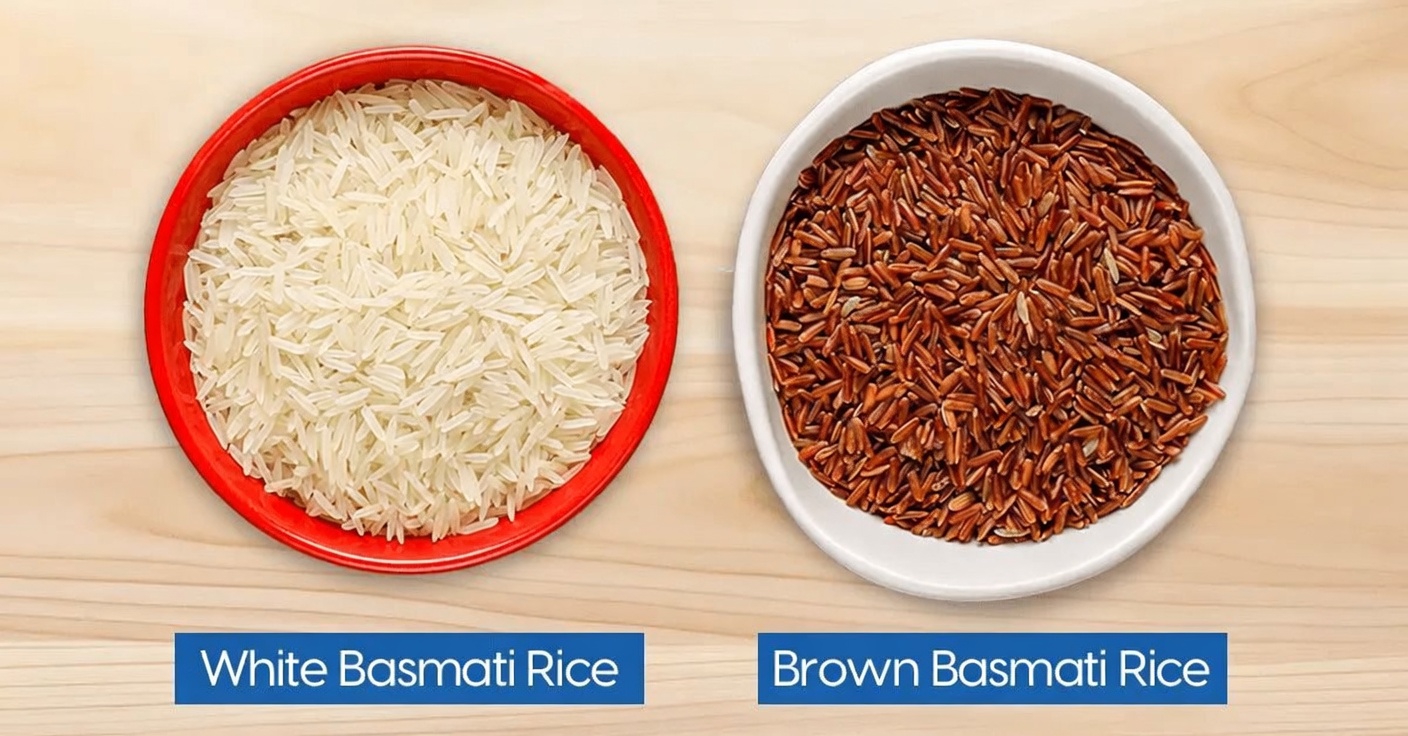
Basmati rice is a long-grain variety appreciated for its fluffy texture and delicate aroma. White basmati, in particular, is often noted for having a lower glycemic impact than some other rice types, which may help with steadier blood sugar levels. That can indirectly support kidney health over time.
Nutrition comparisons also suggest that basmati rice can be among the lower-arsenic choices when it comes from certain growing regions. It cooks into separate, elegant grains rather than clumping together, making it ideal for meals where a lighter texture is preferred. Many people find basmati satisfying without feeling overly heavy.
3. Jasmine Rice: Soft, Fragrant, and Fast to Cook
Jasmine rice is known for its subtle floral scent and tender, slightly sticky texture. It works especially well in grain bowls, stir-fries, and simple side dishes. Like other refined white rice varieties, jasmine rice is relatively lower in phosphorus and potassium, making it another practical option for kidney-conscious meals.
Its shorter cooking time is a major benefit for busy households, and its appealing taste helps meals feel enjoyable instead of restrictive. For those who want convenience and flavor at the same time, jasmine rice is an easy rice to keep on hand.
Quick Comparison Table
| Rice Type | Approximate Mineral Profile per Cooked Cup | Main Advantage | Best Uses |
|---|---|---|---|
| White Rice | Lower in phosphorus and potassium | Easy to digest, mild flavor | Everyday meals, simple side dishes |
| Basmati Rice | Lower arsenic potential, moderate glycemic effect | Fluffy texture, supports steadier blood sugar | Aromatic dishes, varied meal plans |
| Jasmine Rice | Similar to white rice, soft grains | Quick cooking, pleasant fragrance | Stir-fries, bowls, family meals |
Based on general nutrition databases and kidney diet references. Product labels may vary, so always check if you have specific dietary needs.
Easy Ways to Make Rice More Kidney-Friendly
Preparation matters just as much as selection. A few simple habits can help rice fit even better into a balanced eating plan.
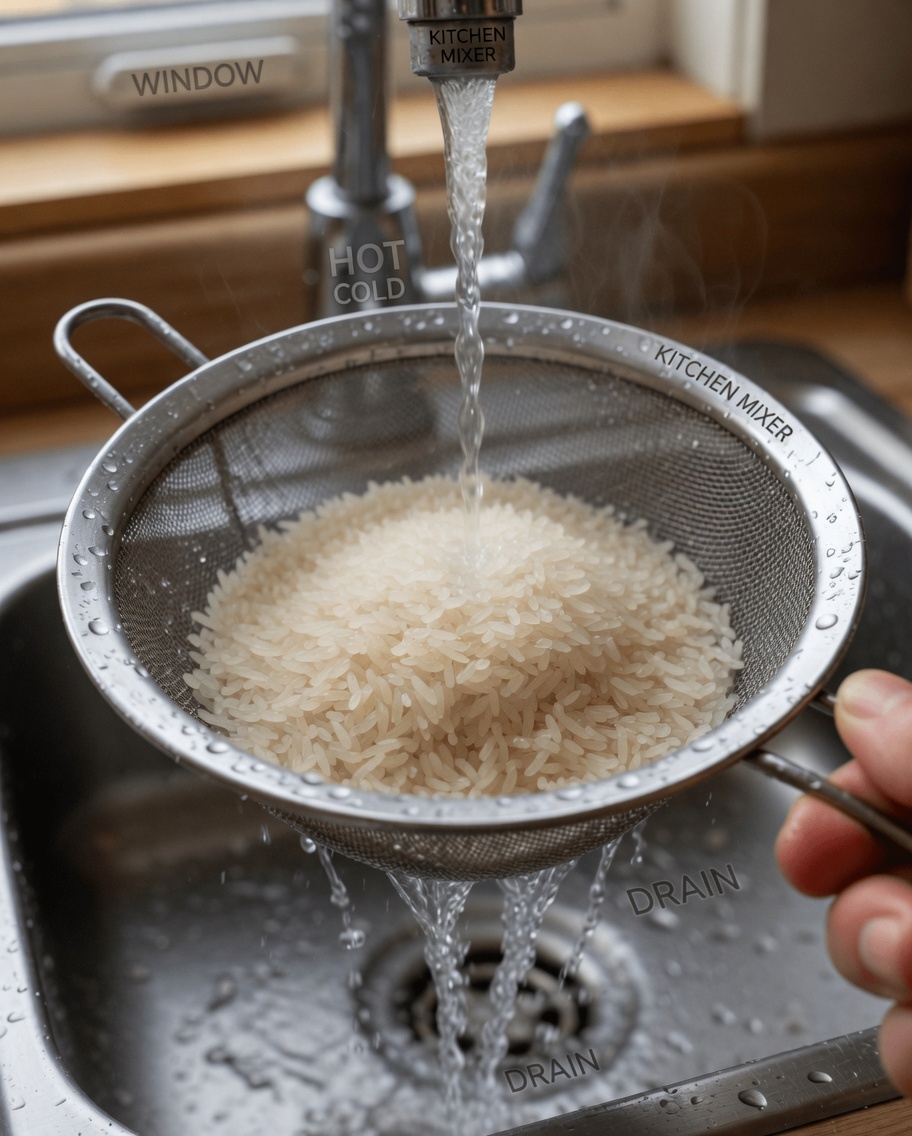
- Rinse rice before cooking: Washing rice under cool water helps remove excess starch and may reduce some naturally occurring compounds.
- Keep portions moderate: A serving of about 1/2 to 1 cup of cooked rice per meal is often a practical range.
- Pair it wisely: Serve rice with lean protein and lower-mineral vegetables to create a more balanced plate.
- Use herbs instead of salty sauces: Garlic, ginger, parsley, cilantro, and other seasonings can add flavor without relying on excess sodium.
- Cook in advance: Making a larger batch once or twice a week can save time and make healthy meals easier to assemble.
- Combine varieties for texture: Mixing basmati and jasmine can create a pleasant balance without changing the overall approach.
These small adjustments can turn rice from a basic side dish into a more intentional part of your weekly meal routine.
How to Buy and Store Rice Properly
When shopping, choose plain rice whenever possible. Unless a healthcare professional has advised otherwise, unenriched varieties may be preferable for some kidney-friendly plans. It is also worth checking the country of origin, since certain regions are known for producing rice with lower arsenic levels.
For storage, keep uncooked rice in an airtight container in a cool, dry place. Properly stored, it can stay fresh for many months.
If you have cooked rice left over, refrigerate it within two hours. When reheating, make sure it is heated thoroughly before eating. For extra flavor without affecting mineral balance too much, try adding a splash of lemon juice while cooking.
Common Questions About Rice and Kidney-Supportive Eating
Is brown rice ever a good option?
Brown rice contains more fiber and nutrients than white rice, which can be beneficial for general health. For people in earlier stages of kidney concerns or those with normal kidney function, small amounts may still work well as part of a balanced diet. The best approach depends on individual lab values and health goals, so it is important to ask a doctor or registered dietitian.
How much rice can I eat at one meal?
Many kidney-friendly eating plans include about 1/2 to 1 cup of cooked rice per serving. The ideal amount depends on your overall diet, energy needs, and the foods you eat with it. Pairing rice with hydrating, lower-mineral foods such as cucumbers, cabbage, or apples can help create better balance.
Is it okay to eat rice every day?
Yes. Rice is a regular part of many healthy dietary patterns around the world. Rotating between white rice, basmati rice, and jasmine rice can keep meals interesting while staying aligned with kidney-supportive habits.
Final Thoughts
Choosing the right rice does not need to be confusing. White rice, basmati rice, and jasmine rice each offer practical and tasty ways to support a more kidney-friendly eating pattern. They are versatile, easy to prepare, and suitable for many kinds of meals.
Start by trying one new variety this week and use simple cooking strategies to make it fit your routine. Over time, small changes like these can help create meals that are both nourishing and enjoyable.
Consistent everyday choices often make the biggest difference in long-term well-being. Your meals can stay comforting, and your kidneys may benefit from the extra care.
Disclaimer
This article is intended for informational purposes only and should not be taken as medical advice. Kidney health needs can differ greatly from one person to another. Always speak with your doctor or a registered dietitian before changing your diet, especially if you have a medical condition or take prescription medications.