
Choosing the Best Rice Varieties for Kidney Health
Many people are paying closer attention to kidney health, especially as hectic routines and heavily processed diets can place extra strain on the organs that filter waste and help maintain balance in the body. When you are tired, trying to eat better, or thinking about long-term wellness, even a simple choice like which rice to buy can feel more important than expected.
The good news is that rice can absolutely be part of a kidney-conscious eating pattern when you choose carefully. In fact, a small change in your pantry may help make everyday meals feel far more supportive of your health than you imagined.

Why Rice Matters in a Kidney-Friendly Diet
Your kidneys work continuously to remove waste products and regulate fluid levels, which means food choices have a real impact on how much support your body gets. Rice remains a staple around the world because it provides reliable energy, contains very little sodium, and works well in countless dishes.
Kidney nutrition guidance often points to certain types of rice as better options because they are generally lower in minerals such as phosphorus and potassium. When kidney function needs added support, keeping those nutrients in check can be especially important.
If monitoring your diet feels stressful, understanding which rice options are more suitable can make daily eating much easier. Of course, portion control still matters, and it is always wise to speak with a healthcare professional or registered dietitian before making major dietary changes.
The 3 Rice Varieties Often Recommended for Kidney-Friendly Meals
When it comes to practical choices, three rice types are frequently mentioned in kidney-supportive meal planning. They are easy to find, simple to prepare, and versatile enough for everyday use.
1. White Long-Grain Rice: A Dependable Everyday Choice
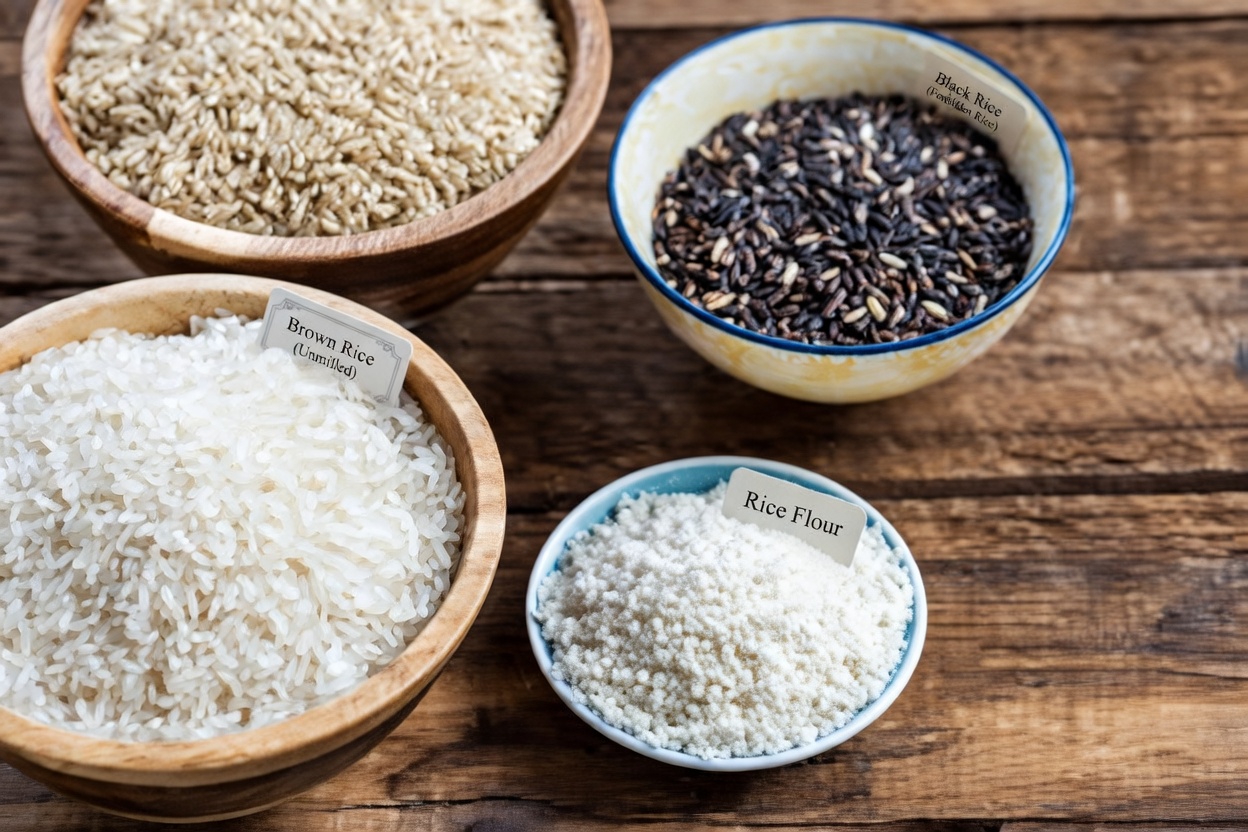
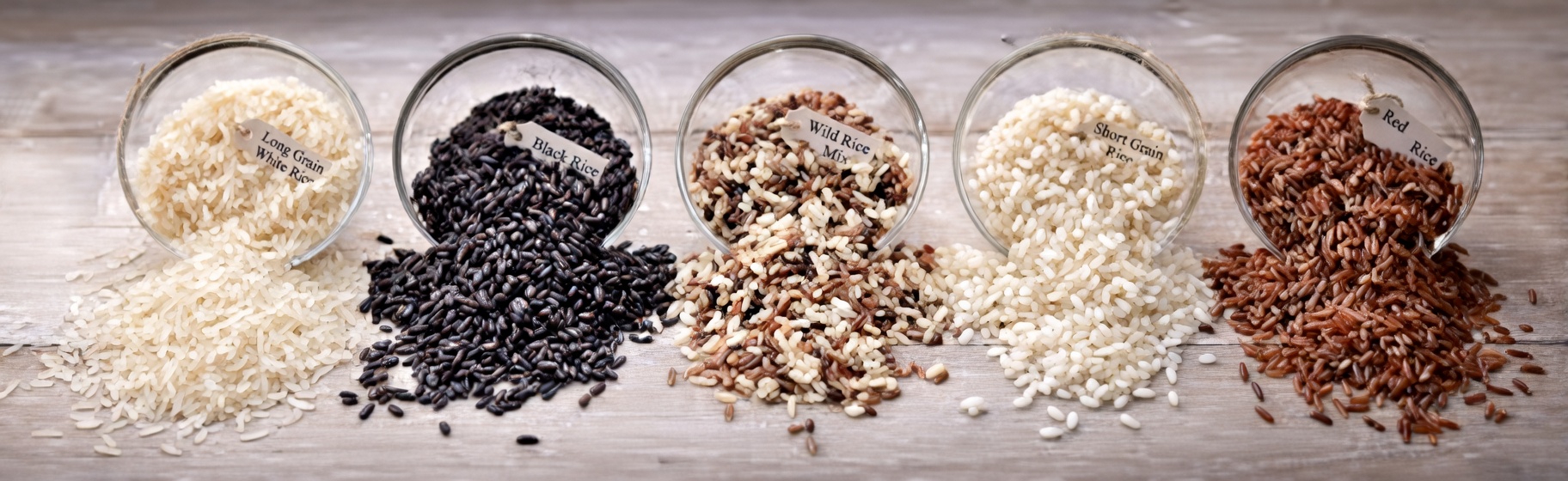
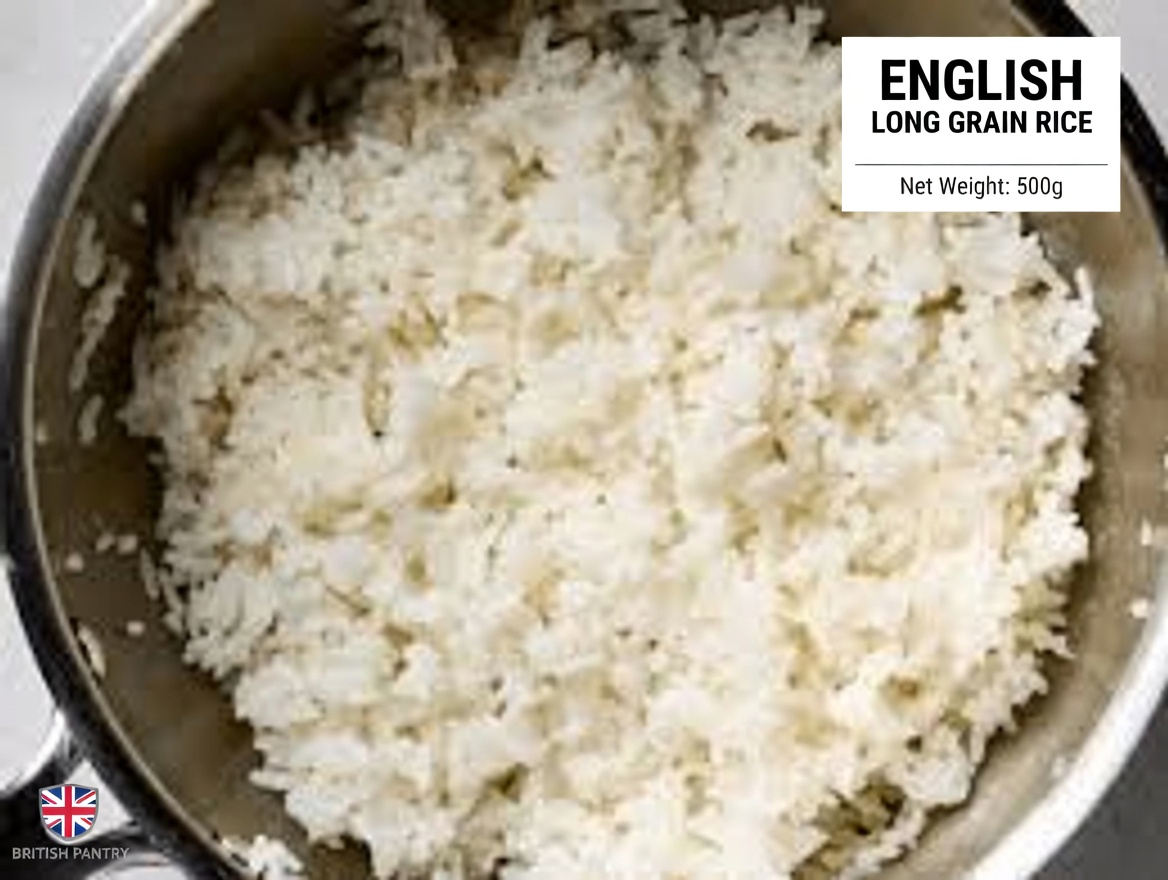
White long-grain rice is commonly included in kidney-friendly meal plans because the milling process removes much of the bran, where phosphorus and potassium are more concentrated. As a result, a standard cooked serving is typically lower in those minerals than many whole-grain alternatives.
It also cooks quickly, has a light texture, and pairs well with vegetables and proteins. For anyone who wants a straightforward option that fits into a busy schedule, white long-grain rice is one of the easiest staples to keep on hand.
2. Basmati Rice: Fragrant, Light, and Steady
White basmati rice is another smart choice. It has a delicate aroma, fluffy texture, and a slightly nutty character that makes meals feel more appealing. It is also known for producing a lower glycemic response than some other rice varieties, which may help support steadier blood sugar levels over time.
That matters because stable glucose levels are an important part of overall wellness, including kidney health. Rinsing basmati thoroughly before cooking may also help reduce trace contaminants such as arsenic, making it an especially thoughtful option.
3. Jasmine Rice: Soft Texture and Comforting Flavor
White jasmine rice is loved for its fragrance and gently sticky texture. It works especially well in stir-fries, quick side dishes, and simple weeknight meals. Like the other white rice varieties on this list, it tends to remain moderate in phosphorus and potassium per serving, which helps it fit well into many kidney-conscious eating plans.
Its soft texture and familiar taste also make it a comforting choice when you want food that feels both simple and satisfying.
Quick Comparison of Kidney-Friendly Rice Options
Here is a simple overview to help you decide which variety best matches your meals and preferences.
| Rice Variety | Main Kidney-Friendly Advantage | Typical Cooked Texture | Best Uses |
|---|---|---|---|
| White Long-Grain Rice | Lower phosphorus and potassium than many whole-grain options | Light, fluffy, neutral | Everyday meals, batch cooking |
| White Basmati Rice | Lower glycemic response and easy to rinse well | Fluffy, fragrant, long grains | Indian, Middle Eastern, and mixed bowls |
| White Jasmine Rice | Moderate mineral content with quick cooking | Soft, slightly sticky, aromatic | Stir-fries, Asian-inspired meals, simple sides |
This side-by-side view makes it easier to choose a rice that fits both your taste and your routine.
Easy Ways to Include These Rice Varieties in Your Routine
You do not need elaborate recipes to make rice part of a kidney-supportive diet. A few practical habits can make all the difference:
- Rinse rice under cold water for 30 to 60 seconds before cooking.
- Use about a 1:2 ratio of rice to water for soft, fluffy results.
- Keep portions around 1/2 to 3/4 cup cooked rice per meal, depending on your needs.
- Pair rice with lower-potassium vegetables such as:
- cabbage
- green beans
- bell peppers
- Season with herbs, garlic, lemon, or salt-free spice blends instead of relying on sodium-heavy flavoring.
- Store leftovers in the refrigerator for up to three days and reheat with a small splash of water.
These simple steps can help turn rice into a reliable part of your daily meal planning.
Preparation Habits That Can Make Rice Even More Supportive
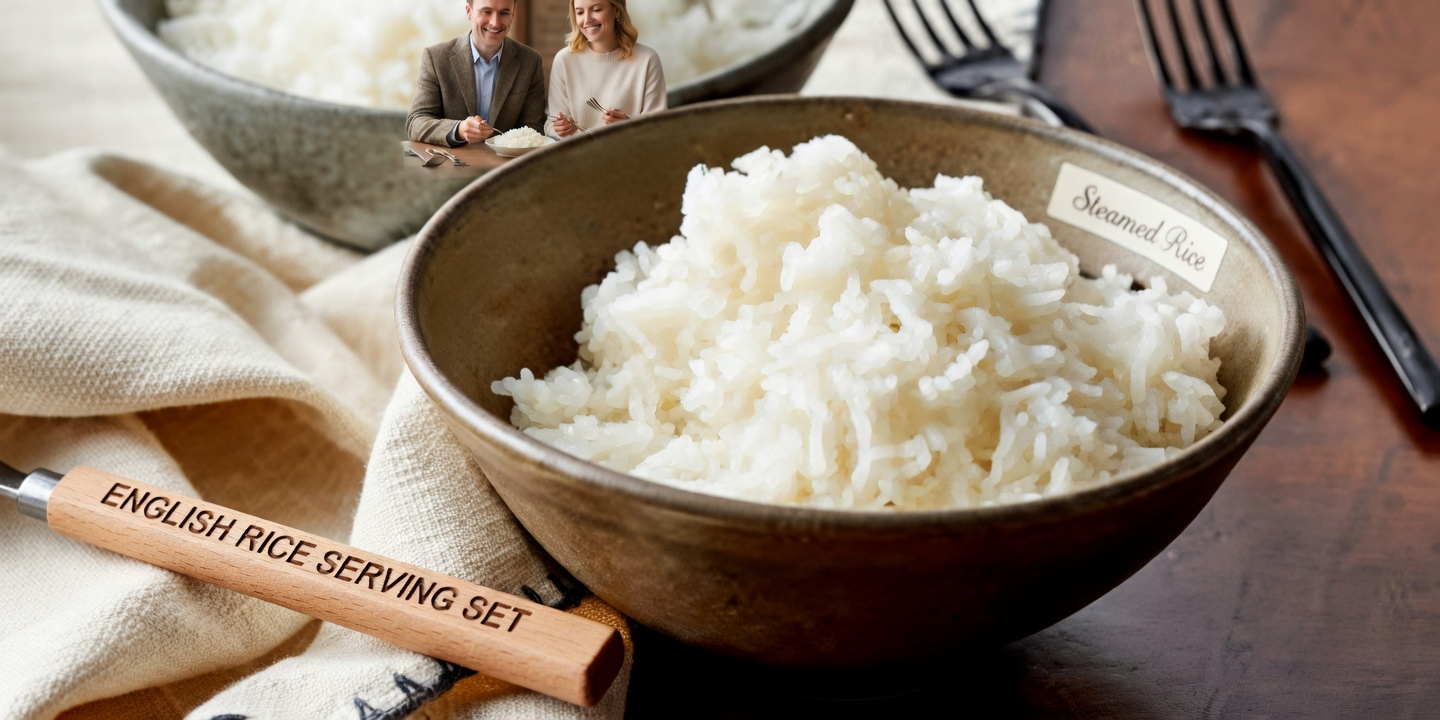
One detail many people overlook is that preparation matters almost as much as the variety you choose. If you rinse rice before cooking, be sure to discard that water rather than reuse it. That extra step may help remove some unwanted compounds.
You can prepare rice on the stovetop or in a rice cooker, whichever makes portioning easier for you. If you want more variety, alternate between long-grain, basmati, and jasmine during the week so meals stay interesting without becoming complicated.
Because these rice types are affordable, familiar, and widely available, they are realistic choices for long-term use.
What Research Says About Rice and Kidney Wellness
Guidance from kidney health organizations and nutrition experts often notes that white rice can be useful when controlling mineral intake is a priority. Since processing removes the bran layer, white rice generally contains less phosphorus than brown rice and other whole-grain forms.
Fragrant options such as basmati and jasmine add enjoyment without giving up those practical benefits. For people focused on kidney wellness, rotating these rice varieties alongside vegetables, mindful portions, and good hydration can support a more balanced approach to everyday eating.
Final Thoughts
Rice does not have to be a confusing choice when you are trying to eat in a way that supports kidney health. White long-grain rice, white basmati rice, and white jasmine rice are all practical options that can fit comfortably into a thoughtful meal plan.
The biggest takeaway is simple: choosing the right rice, preparing it well, and serving it in sensible portions can make everyday meals feel easier, more enjoyable, and more supportive of your long-term health.