

Why Thyroid Warning Signs Should Never Be Ignored
Do you feel exhausted even after getting enough sleep? Have you noticed unexplained weight changes despite keeping the same diet and activity level? Or maybe your mood has become unpredictable, causing irritability or emotional ups and downs that seem to come from nowhere. These common struggles can gradually drain your energy, reduce your focus, and make everyday life feel harder than it should.
In many cases, your body is not being random. It may be sending important signals that your thyroid is involved. Recognizing those signs early can have a meaningful impact on how you feel each day.
There is also one often-overlooked daily habit that connects many of these symptoms and can help you take action sooner rather than later.
What the Thyroid Does and Why It Matters
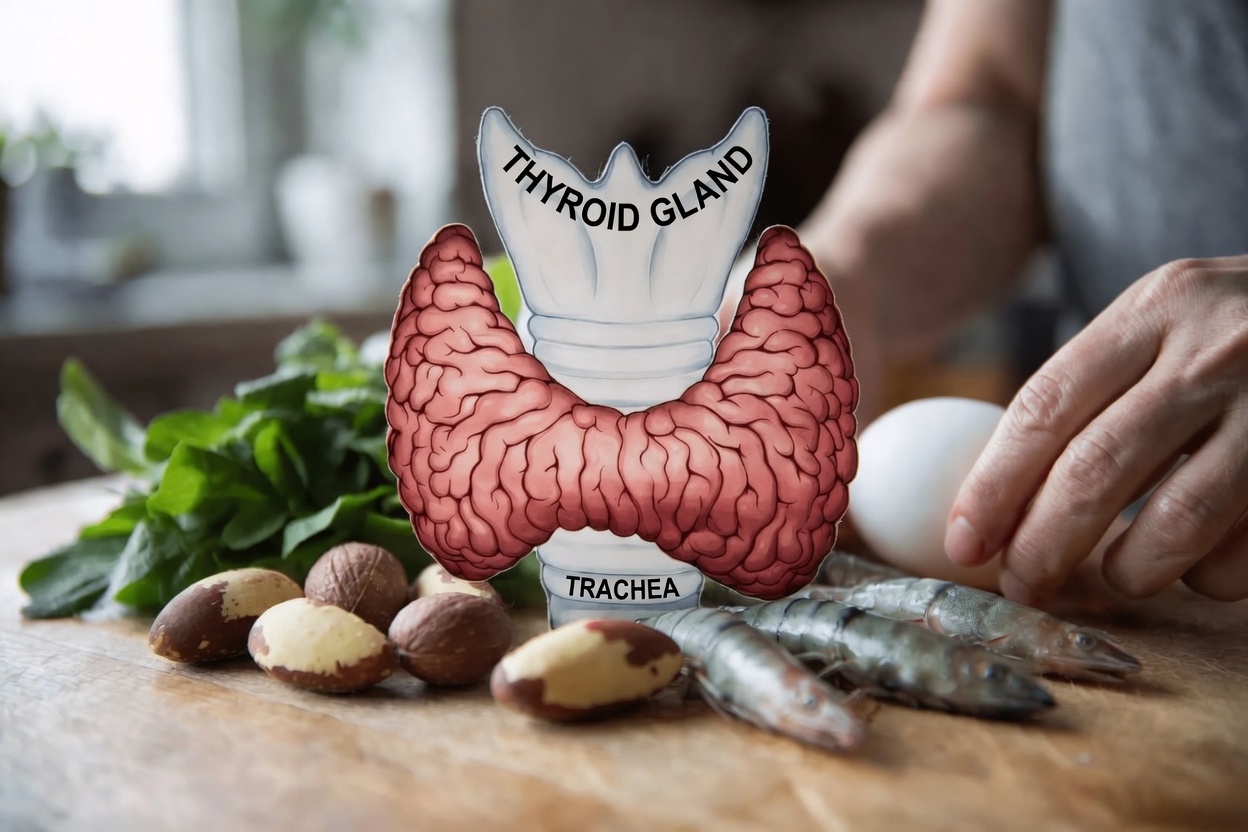
Your thyroid is a small gland shaped like a butterfly, located at the front of your neck. Although it is tiny, it has a major job: producing hormones that help control how your body uses energy.
These hormones influence many essential functions, including:
- Heart rate
- Body temperature
- Digestion
- Mental clarity
- Skin, hair, and nail health
Even a mild thyroid imbalance can create noticeable changes throughout the body. Because these effects often appear gradually, many people do not realize the thyroid could be the reason. Understanding how this gland works makes it easier to recognize patterns before they become more serious.
Common Signs Your Body May Be Showing
The body often gives clues when something is out of balance. Below are some of the most common symptoms linked to thyroid function. Noticing them does not mean self-diagnosing—it simply means paying closer attention.
Ongoing Fatigue That Sleep Does Not Fix
One of the most frequent complaints is deep, persistent tiredness that does not improve with rest. When metabolism slows, the body may not create or use energy efficiently.
You may experience:
- Daytime sleepiness
- Trouble focusing at work
- A need for naps during the day
- Little improvement even after caffeine
Unexplained Weight Changes
If your habits have not changed but your weight keeps rising or dropping, thyroid hormones may be part of the picture. A slower metabolism can contribute to weight gain, while an overactive system may lead to unplanned weight loss.
These changes often happen slowly, which is why they can be easy to dismiss at first.
Mood Swings and Emotional Changes
Thyroid hormones also affect brain chemistry. When levels shift, your emotional balance can change too.
Possible signs include:
- Irritability
- Anxiety
- Feeling unusually low
- Restlessness
- Trouble handling everyday stress
These mood-related changes can affect both personal relationships and work life.
Changes in Hair, Skin, and Nails
Your appearance can sometimes reveal internal hormone imbalances. You may notice:
- Hair thinning or increased shedding
- Dry, rough skin
- Brittle nails
- Slower nail growth
Because thyroid hormones support tissue renewal, changes in these areas are not uncommon.
Increased Sensitivity to Cold or Heat
If you feel cold when everyone else feels comfortable, or you often feel overheated in normal conditions, your thyroid may be affecting temperature regulation.
This can lead to:
- Discomfort indoors
- Sleep disruption
- Reduced enjoyment of outdoor activities
Digestive Changes
Thyroid function can influence how quickly or slowly the digestive system works. As a result, both of these symptoms may appear:
- Constipation
- Frequent loose stools
The direction of the imbalance often affects which digestive issue shows up.
Noticeable Heart Rate Differences
The thyroid has a direct effect on cardiovascular function. Some people notice:
- A slower-than-usual pulse
- Rapid heartbeat
- Occasional heart palpitations
These symptoms deserve attention, especially if they continue.
Neck Fullness, Swelling, or Discomfort
In some cases, the thyroid gland itself may change in size. This can cause:
- Mild swelling at the front of the neck
- A sensation of fullness
- Hoarseness
- Slight discomfort when swallowing
These physical changes may happen if the gland enlarges or develops nodules.
Quick Comparison of Slower vs. Faster Thyroid Function
Looking at symptoms side by side can make patterns easier to spot.
Signs often linked to slower thyroid activity
- Fatigue
- Weight gain
- Dry skin
- Constipation
- Feeling cold
- Slower heart rate
Signs often linked to faster thyroid activity
- Weight loss
- Nervousness
- Diarrhea
- Heat sensitivity
- Rapid heartbeat
- Trouble sleeping
Seeing several of these symptoms together is often more meaningful than noticing just one on its own.
What Can Affect Thyroid Function?
A number of everyday and biological factors can influence how well the thyroid works.
Common contributors include:
- Family history and genetics
- Autoimmune conditions
- Diet, especially iodine and nutrient intake
- Hormonal changes during pregnancy or menopause
- Certain medications
- Long-term stress
Stress is one factor many people underestimate. Ongoing tension can affect hormonal balance over time. The positive side is that once you understand these influences, you can start making supportive lifestyle changes.

Simple Daily Habits to Support Thyroid Health
You do not need extreme changes to care for your thyroid. Small, steady habits can make a difference.
1. Choose nutrient-dense foods
Your thyroid depends on key nutrients to function well. Try to include foods such as:
- Seafood
- Dairy products
- Eggs
- Iodized salt in moderate amounts
- Brazil nuts for selenium
- Pumpkin seeds
- Lean meats for zinc
A balanced diet helps provide the building blocks your body needs.
2. Lower stress with short daily resets
Since stress can affect hormone balance, simple daily recovery habits matter.
Helpful options include:
- 10 minutes of deep breathing
- A short walk outside
- Gentle stretching
- Light movement throughout the day
Consistency is more important than intensity.
3. Keep your sleep schedule steady
Sleep supports the entire endocrine system, including the thyroid. Try to go to bed and wake up at similar times every day. Regular sleep patterns help the body regulate itself more efficiently.
4. Stay hydrated and reduce ultra-processed foods
Drinking enough water supports overall metabolism. At the same time, cutting back on heavily processed foods may reduce unnecessary stress on the body.
5. Move regularly without overdoing it
Gentle exercise can support circulation and energy balance. Good choices include:
- Walking for 20 to 30 minutes
- Yoga
- Easy cycling
- Light stretching routines
The goal is steady movement, not exhaustion.
6. Track symptoms and energy levels
One of the most useful habits is also the one people often forget: paying attention consistently. Write down a simple daily note about:
- Energy level
- Mood
- Sleep quality
- Any new symptoms
This small habit can reveal patterns much faster than relying on memory alone, and it can be very helpful if you decide to speak with a healthcare professional.
When to Talk to a Healthcare Professional
If several of these symptoms last more than a couple of weeks, it is wise to schedule a medical check-in. This is especially important if you notice:
- Ongoing fatigue
- Unexplained weight changes
- Neck swelling or discomfort
- Heart rate changes
A doctor will often begin with:
- A review of your symptoms
- A physical exam
- Basic blood tests to measure thyroid hormone levels
- Sometimes an ultrasound to examine the gland more closely
Early evaluation can make it easier to find answers and create a treatment plan that fits your needs. Ignoring persistent symptoms may affect not only your energy, but also your heart health and overall well-being.
Final Thoughts
Your thyroid may be small, but its impact on daily life is significant. Constant fatigue, unexpected weight changes, mood fluctuations, hair and skin issues, temperature sensitivity, digestive changes, heart rhythm differences, and neck discomfort can all be signs that your body needs attention.
By learning to recognize these thyroid symptoms and building supportive daily habits, you give yourself a better chance of feeling balanced, energized, and healthy again. The most important step is to listen early and stay proactive.