
Thyme for Everyday Wellness: Benefits, Uses, and Simple Recipes
Persistent coughing, slow digestion, and ongoing tiredness can make everyday life feel far more difficult than it should. When these issues happen again and again, even basic responsibilities can start to feel exhausting, leaving you irritated, depleted, and searching for gentle remedies that fit into a normal routine.
Thyme, a fragrant herb valued for generations in traditional wellness practices, offers a natural way to support overall balance when used regularly and thoughtfully. What makes it especially appealing is how easily it can be worked into daily life. With the right thyme recipes, ordinary habits can become calming rituals that many people find deeply comforting over time.

Thyme Properties at a Glance
Thyme is widely appreciated for its impressive range of plant compounds, especially thymol and carvacrol, which research suggests contribute to many of its beneficial effects. In natural wellness traditions, thyme is known for helping support the body in several ways.
It is commonly associated with:
- Antibacterial support
- Antifungal activity
- Antioxidant protection
- Anti-inflammatory effects
- Expectorant action for mucus clearance
- Carminative support to reduce bloating
- Astringent properties
- Digestive stimulation
- Tonic effects for circulation and vitality
- Immune-supporting potential
Because of this broad profile, thyme is a practical herb to keep in the kitchen or garden for both culinary and wellness purposes.
Quick Overview of Thyme's Wellness Properties
| Property Type | How Thyme May Support Wellness |
|---|---|
| Antibacterial | May help combat certain bacteria linked to mild respiratory or digestive discomfort |
| Antifungal | Traditionally used to help manage fungal issues on the skin or mucous membranes |
| Antioxidant | Helps protect cells from daily oxidative stress |
| Anti-inflammatory | May ease minor muscle and joint discomfort |
| Expectorant | Supports mucus release for clearer breathing |
| Carminative | Helps relieve gas and abdominal bloating |
| Astringent | Tones tissues and supports digestive balance |
| Digestive | Encourages bile flow and smoother digestion |
| Tonic | May promote circulation and overall vitality |
| Immune-stimulating | Supports the body's natural defenses during seasonal challenges |
35 Ways Thyme May Support Your Wellness
Thyme has long been used as a versatile herb for respiratory comfort, digestive ease, circulation, skin care, and more. Below are some of the most commonly cited traditional and supportive uses of thyme.
Respiratory Support
If breathing feels heavy during seasonal discomfort, thyme is often turned to for gentle respiratory relief. In herbal traditions, it is used to:
- Help clear the respiratory tract
- Support the lungs and bronchi
- Ease coughing
- Soothe bronchitis-like discomfort
- Reduce common cold symptoms
Simple thyme teas and steams are especially popular for these purposes.
Digestion and Gut Comfort
Heavy meals, bloating, or sluggish digestion can leave you feeling uncomfortable and low on energy. Thyme may help by:
- Supporting slow or heavy digestion
- Reducing gas
- Easing acidity after rich foods
- Stimulating appetite
- Helping manage mild diarrhea through its gentle astringent nature
Muscles, Joints, and Circulation
Daily movement, stress, or physical exertion can lead to tension and stiffness. Thyme is traditionally used to:
- Reduce muscle inflammation
- Relieve rheumatic discomfort
- Ease joint pain
- Support fatty liver health through antioxidant activity
- Improve blood circulation
Better circulation may also contribute to a greater sense of energy and physical comfort.
Heart, Metabolism, and Immune Support
For those focused on long-term wellness, thyme offers several areas of interest:
- Help support healthy blood pressure as part of a balanced lifestyle
- Contribute to cholesterol balance in supportive research
- Traditionally "purify the blood"
- Support pancreatic function
- Strengthen the immune system
Urinary, Skin, and Oral Care
Thyme's natural cleansing properties make it useful in a range of external and internal wellness routines. It may help:
- Fight urinary tract infections
- Discourage fungal growth
- Reduce bacterial overgrowth on skin or nails
- Support skin repair
- Improve scalp and hair condition
- Reduce dandruff
- Help manage excess scalp oil
- Freshen breath
- Soothe mouth sores
Stress, Focus, and General Vitality
Thyme is also connected with emotional and overall body support. Traditional uses include helping to:
- Disinfect small wounds when properly diluted
- Reduce anxiety and stress
- Improve concentration and mental clarity
- Support eye comfort through better circulation
- Ease menstrual discomfort
- Reduce fluid retention
Additional traditional and supportive claims linked to thyme include helping with mild diabetes management when used alongside medical guidance, protecting the heart and arteries, slowing visible signs of cellular aging, supporting strong bones and muscles, promoting better sleep, increasing vitality, and even acting as a natural insect repellent when planted outdoors or used in sprays.
Easy Thyme Recipes and Practical Ways to Use It
One of thyme's biggest advantages is how simple it is to include in your day. These practical thyme preparations are easy to make and can be used regularly without complicated steps.
1. Basic Thyme Tea
Thyme tea is one of the simplest and most popular ways to enjoy this herb at home.
Ingredients:
- 1 tablespoon dried thyme leaves
- 1 cup hot water
- Optional: honey and lemon
How to make it:
- Place the dried thyme in a cup or teapot.
- Pour hot water over the herb.
- Cover and let it steep for 10 minutes.
- Strain before drinking.
- Add honey or lemon if desired.
Suggested use:
Drink 2 to 3 cups daily for up to 7 days to support respiratory comfort or digestion.
2. Natural Thyme Syrup
When coughing or congestion becomes bothersome, thyme syrup can be a soothing option to keep nearby.
Ingredients:
- 2 cups water
- 2 tablespoons thyme
- 1 cinnamon stick
- 1 cup raw honey
How to make it:
- Add the water, thyme, and cinnamon stick to a pot.
- Boil for 15 minutes.
- Strain the liquid.
- While still warm, stir in the honey until dissolved.
Suggested use:
Take 1 tablespoon every 6 hours for adults and teenagers.
Important:
Do not give honey-based syrup to children under 1 year old.
3. Thyme Steam Inhalation
For sinus pressure or nasal congestion, thyme steam can offer fast, comforting relief.
Ingredients:
- 1 tablespoon dried thyme
or - 2 drops thyme essential oil, properly diluted
- 1 liter hot water
How to use it:
- Add the thyme to hot water.
- Lean over the bowl carefully.
- Cover your head with a towel.
- Inhale gently for about 10 minutes.
This method is often used for sinus discomfort, flu-like stuffiness, and blocked nasal passages.
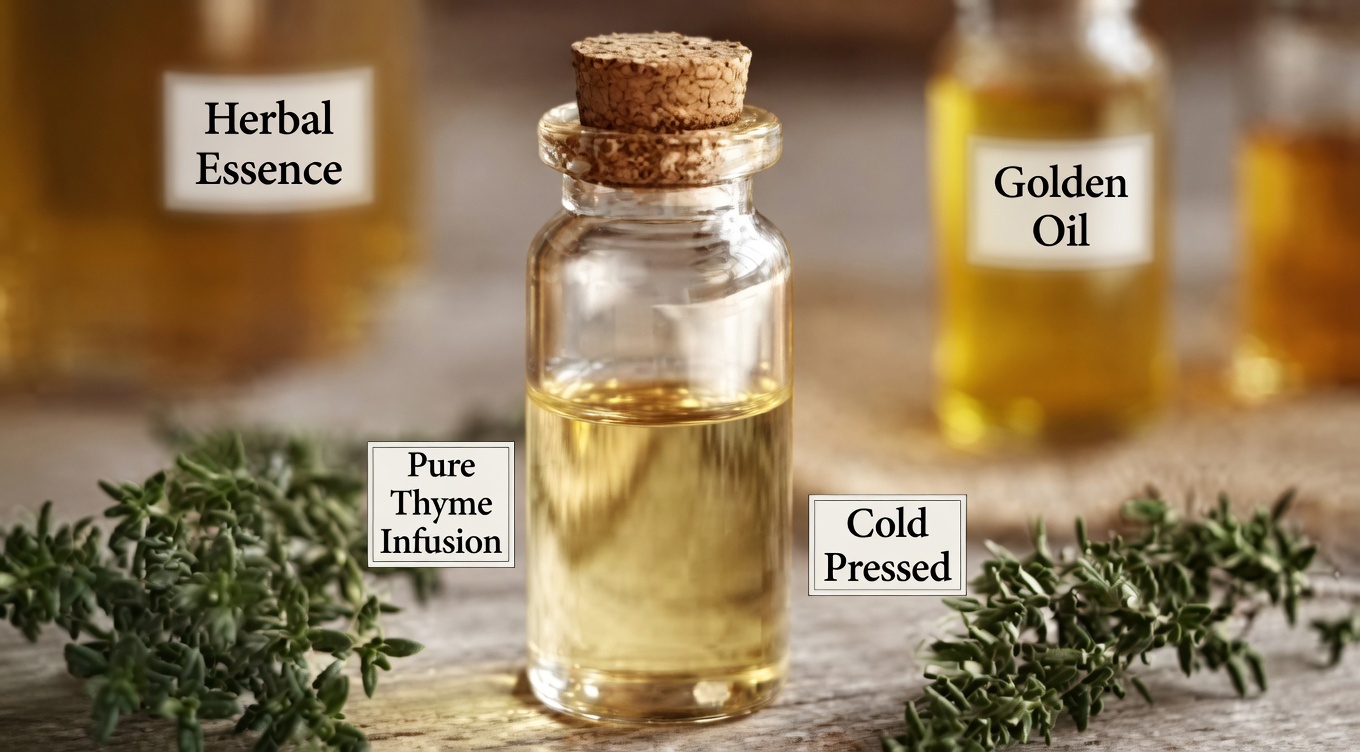
4. Thyme-Infused Oil for Muscle Comfort
A thyme-infused oil can be helpful for massage when muscles or joints feel tense.
How to make it:
- Fill a clean jar with dried thyme.
- Cover it completely with olive oil.
- Let it infuse in a dark place for 4 weeks.
- Strain into a bottle.
How to use it:
Massage onto the neck, chest, or joints twice daily as needed.
5. Medicinal Thyme Salt
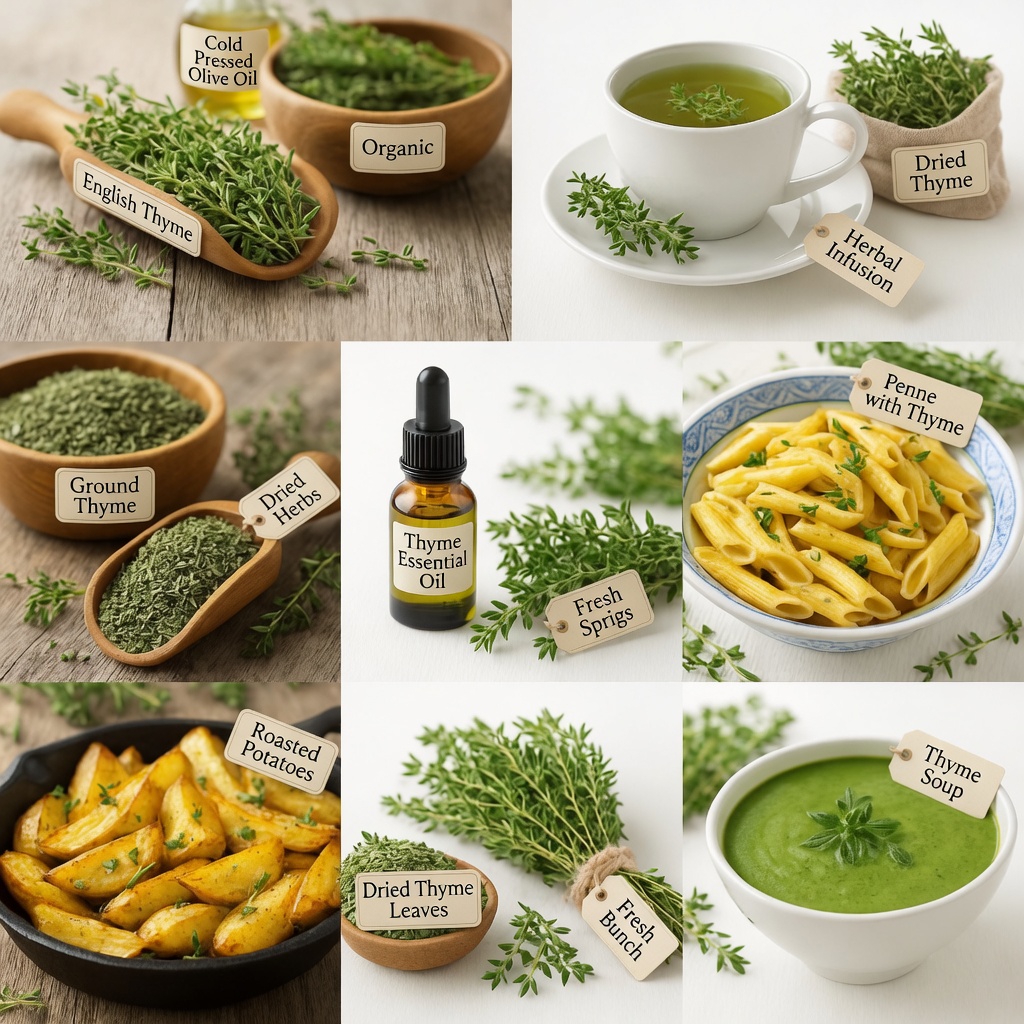
Thyme salt is an easy way to add both flavor and gentle herbal support to daily meals.
Ingredients:
- 3 tablespoons crushed dried thyme
- 1 tablespoon sea salt
How to make it:
- Mix the thyme and sea salt thoroughly.
- Store in a small airtight jar.
How to use it:
Use as an everyday seasoning to add flavor and subtly incorporate thyme into your routine.
6. Healing Thyme Vinegar
Thyme vinegar can be used both in food and as a diluted external rinse.
Ingredients:
- Fresh thyme
- Apple cider vinegar
How to make it:
- Fill a jar with fresh thyme.
- Cover it fully with apple cider vinegar.
- Let it infuse for 3 weeks.
- Strain before using.
How to use it:
- Add to salads as a flavorful dressing
- Dilute and use as a natural skin rinse for cleansing support
Why Thyme Deserves a Place in Your Routine
Thyme is more than a kitchen herb. It offers a wide range of traditional and research-supported wellness uses, from easing coughs and supporting digestion to helping with circulation, skin care, and daily vitality. Its greatest strength may be its simplicity: a tea, a steam, a syrup, or even a seasoned salt can turn an ordinary moment into a small act of care.
For anyone looking for practical, natural ways to support everyday well-being, thyme is an herb worth keeping close at hand.