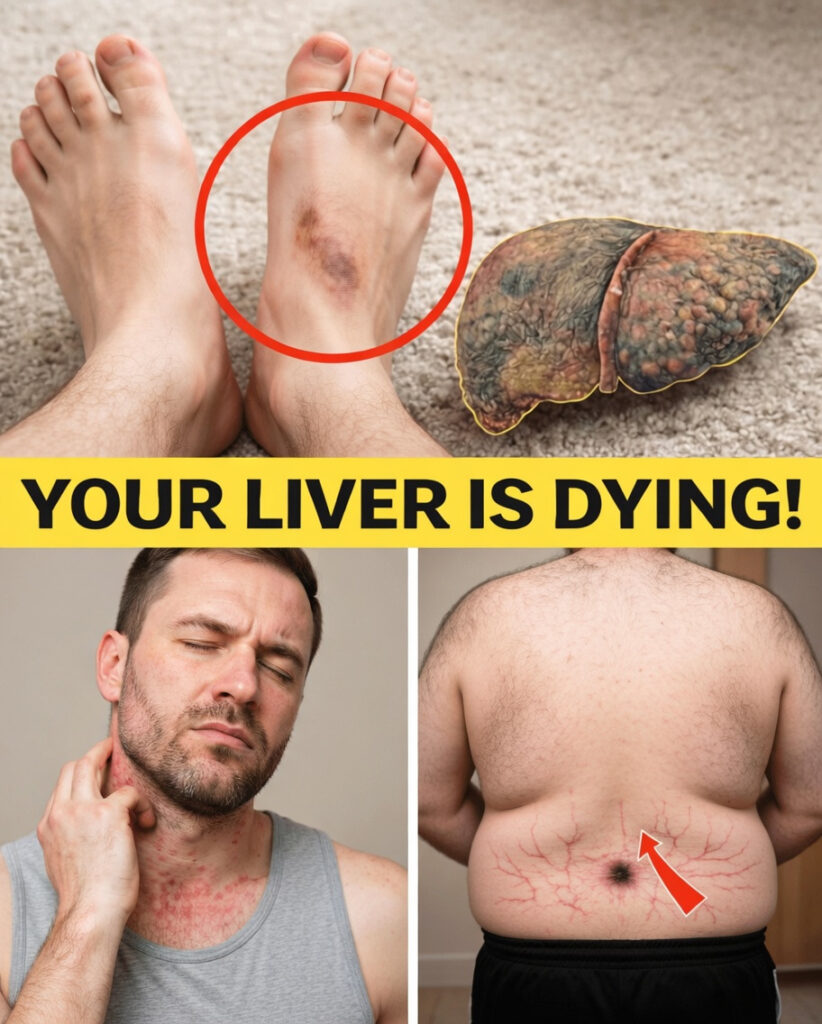
Subtle Foot and Skin Changes That May Point to Liver Health Issues
Many people experience heavy-feeling feet at the end of the day or notice their ankles looking swollen by evening. Others deal with sudden itchy areas on the skin that seem to appear for no clear reason. While these symptoms may seem minor at first, they can gradually become a source of daily discomfort, affecting your choice of shoes, sleep quality, energy, and even self-confidence.
The good news is that recognizing these signals early can help you take simple steps to support your body’s natural balance. One detail that often gets overlooked, however, is that changes in your feet may sometimes reflect something more significant involving liver health.
Why Your Feet Can Reveal Important Liver Clues
The liver performs hundreds of essential functions every day. It helps filter toxins, supports digestion, and produces proteins that help keep fluid inside the blood vessels where it belongs. When that balance shifts, excess fluid can move downward due to gravity and become noticeable first in the feet and ankles.
Health organizations such as the Mayo Clinic have noted that changes in circulation and protein levels may lead to visible symptoms in the lower body and on the skin. These signs are not always easy to connect to the liver, but they can serve as valuable early clues.
12 Common Signs That May Be Linked to Liver Health Concerns
Watching for small changes in your body can be empowering. These signs may appear alone or together, and while they do not confirm a liver problem on their own, they are worth discussing with a healthcare professional.
1. Swollen Feet and Ankles
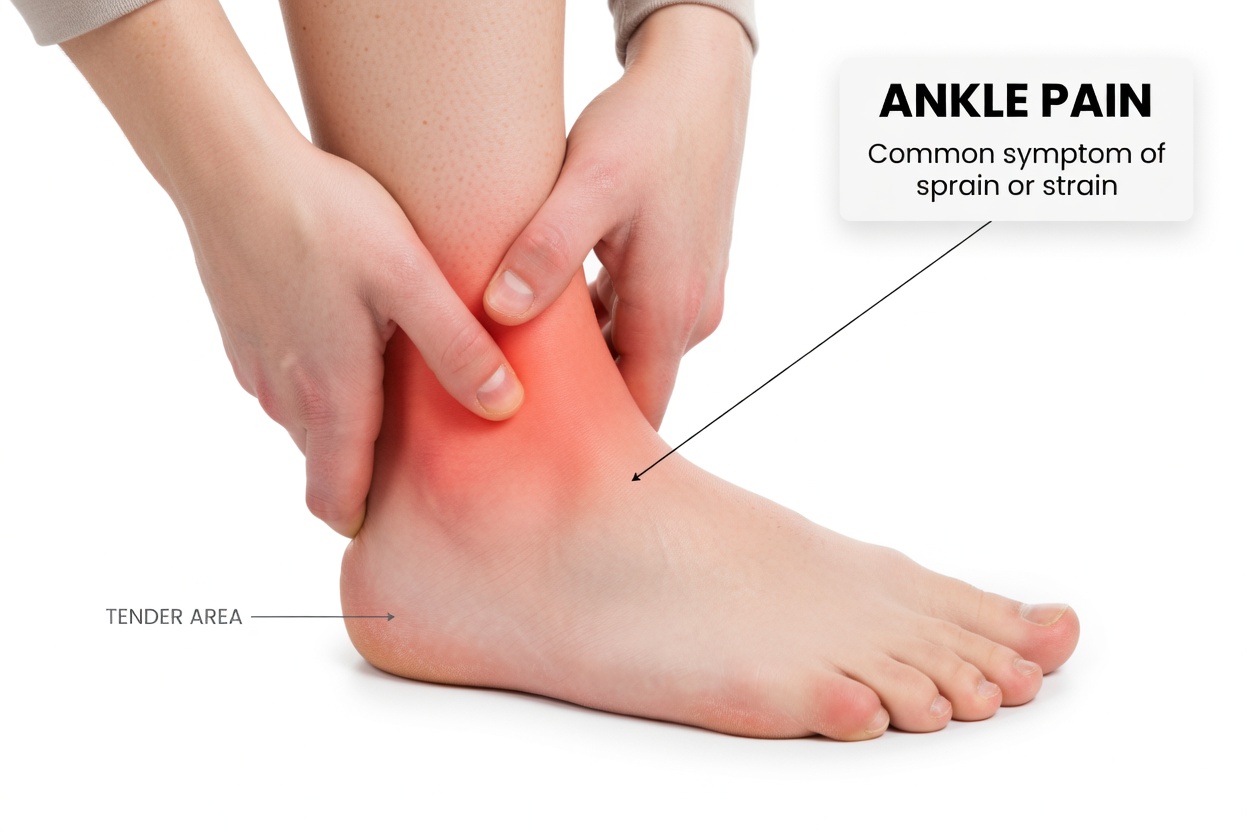
Fluid retention, also called edema, often appears in the feet and ankles first. Because the liver helps manage proteins that keep fluid inside the bloodstream, imbalances can lead to swelling. You may notice tight shoes, puffy ankles, or sock marks that remain on the skin.
2. Spider-Like Veins on the Legs or Feet
Small clusters of red or purple blood vessels under the skin, often called spider angiomas, may become more visible when hormone balance changes. Although they are not harmful by themselves, seeing multiple clusters in the lower body may deserve attention.
3. Redness on the Soles of the Feet
A reddish or flushed look on the bottoms of the feet can sometimes occur alongside changes in circulation. Similar redness may also appear on the palms. This may be related to how the liver processes certain substances in the body.
4. Itching Without a Clear Rash
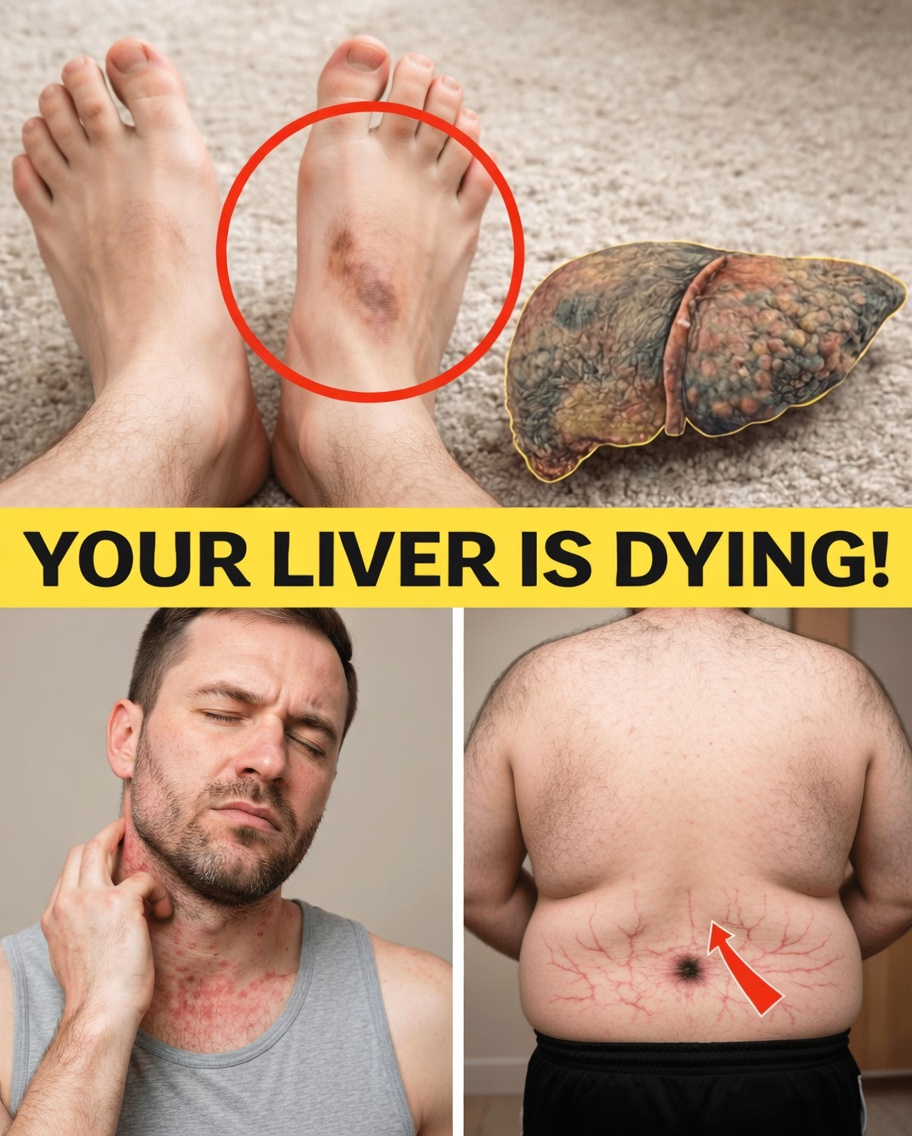
Ongoing itching, especially on the legs, torso, or neck, can sometimes be linked to bile buildup. This kind of itch may interfere with sleep and become frustrating over time, even when no obvious rash is present.
5. Dark Spots or Tiny Red Dots on the Lower Legs
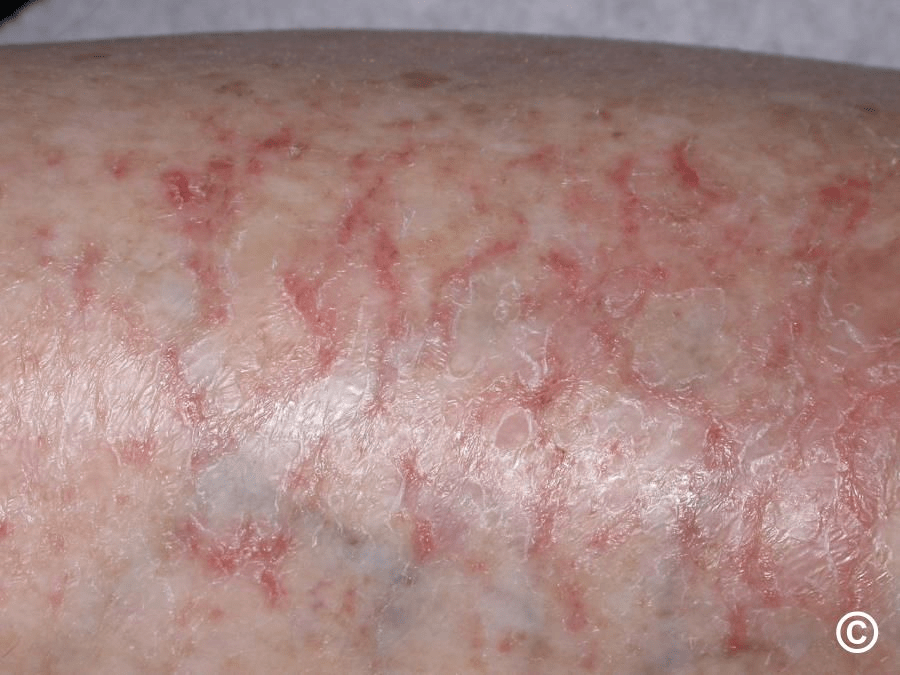
Brownish marks or red specks with a slightly shiny appearance may show up on the shins or feet. These skin changes can be related to circulation and may indicate that the body is under strain.
6. More Visible Veins on the Abdomen
When fluid builds up in the abdominal area, veins under the skin may appear more prominent. This can also make clothing feel tighter and lead to discomfort, especially after eating.
7. Bruising Easily or Bleeding More Than Usual
The liver is involved in producing clotting factors. When it is not functioning properly, even minor bumps may cause noticeable bruising. You might also find that cuts bleed longer than expected.
8. Changes in Urine or Stool Color
Darker urine or pale-colored stools can sometimes reflect how the liver is processing waste products. If these changes happen alongside swelling or other symptoms, they should not be ignored.
9. Lasting Fatigue
Persistent tiredness that does not improve with rest may be another clue. Because the liver contributes to many processes that affect energy, reduced function can lead to a gradual but noticeable sense of exhaustion.
10. Reduced Appetite or Mild Nausea
You may feel less interested in food or slightly nauseated after meals that normally would not bother you. Since the liver helps support digestion, these shifts can sometimes be connected to liver stress.
11. Yellowing of the Skin or Eyes
A faint yellow tint in the skin or the whites of the eyes may signal mild jaundice. This occurs when the body is not processing certain pigments efficiently and is one of the more recognizable liver-related signs.
12. Changes in Nails or Skin Texture
Nails may appear paler than usual or show white bands. Skin may also become drier or rougher. Although subtle, these changes can add useful context when seen together with swelling or fatigue.
It is important to remember that many of these symptoms can overlap with other common conditions. That is exactly why medical guidance is so important if several signs occur together.
How These Symptoms Can Affect Daily Life
The liver works silently in the background like the body’s built-in processing center. When it is under pressure, the effects may show up in places you notice every day, especially your feet and skin. Information from groups such as the American Liver Foundation highlights the value of early awareness. Catching patterns early can help you make informed, realistic choices before symptoms become more disruptive.
You do not need extreme changes to support your health. Often, steady and manageable daily habits make the biggest difference.
Simple Daily Habits to Support Liver Health Naturally
Small actions done consistently can have a meaningful impact. Here are a few practical habits to start with:
- Drink at least eight glasses of water a day to support the body’s natural cleansing processes.
- Stay active for around 30 minutes on most days. Walking is a great option and may help improve circulation.
- Reduce alcohol intake to lessen the liver’s workload.
- Aim for seven to nine hours of good-quality sleep each night so the body has time to recover.
Beyond these habits, your food choices can also play a supportive role. Research on Mediterranean-style eating patterns suggests that whole, nutrient-dense foods can benefit overall wellness, including liver health.
Liver-Friendly Foods to Include More Often
Try adding more of these ingredients to your meals:
- Turmeric root or turmeric powder
- Leafy greens such as spinach and kale
- Citrus fruits like lemons and oranges
- Fresh garlic
- Walnuts and flaxseeds
- Green tea
- Cruciferous vegetables such as broccoli and cauliflower
- Fatty fish or plant-based omega-3 sources a couple of times per week
You do not need to change everything at once. Start with two or three simple additions each day. Add lemon to your water, sprinkle walnuts on a salad, or stir turmeric into soups or warm dishes. These small upgrades are easy to maintain and can fit naturally into everyday meals.
When to See a Doctor
If several of these signs appear at the same time or continue for more than two weeks, it is a good idea to schedule a medical check-up. Blood tests and a physical exam can often provide clearer answers. Early evaluation may offer reassurance, identify the cause, and help you take the right next steps.
Final Thoughts: Pay Attention to What Your Body Is Telling You
Your skin and feet can offer meaningful insight into what is happening inside your body. By noticing these 12 possible signs and supporting your health with gentle daily habits, you are already moving in a positive direction. Over time, even small changes can lead to noticeable improvements in how you feel.
FAQ
What does foot swelling usually mean in relation to liver health?
Swelling may be connected to fluid balance, especially when the liver is not regulating proteins effectively. However, many other factors, such as standing too long or eating too much salt, can also contribute. A doctor can help determine the real cause.
Can food really help support liver function?
Yes. Nutrient-rich foods such as leafy greens, citrus fruits, and turmeric may help support liver health as part of a balanced lifestyle. They are most effective when combined with healthy daily habits rather than treated as quick fixes.
How often should I check my feet and skin for changes?
A quick weekly check is usually enough. You can do this while applying lotion, changing socks, or getting dressed. If you notice anything new or persistent, make a note of it and bring it up at your next appointment.
This article is for informational purposes only and does not replace professional medical advice. Always consult your healthcare provider for guidance tailored to your personal health situation.