How to Use Turmeric Smartly: Food Combinations to Avoid and What Actually Works
Many people add turmeric to teas, smoothies, and curries to support their health in a natural way. Yet some everyday food and supplement pairings can quietly reduce turmeric’s benefits—or put extra stress on your body. You might keep wondering why your energy feels low or why minor aches linger, even though you use turmeric regularly.
The key is understanding a few simple interactions most people never hear about. Once you know what to avoid and how to combine turmeric correctly, you can keep enjoying its benefits with confidence.

Turmeric and Iron-Rich Foods: When Good Ingredients Compete
Turmeric is widely valued for its antioxidant and anti-inflammatory properties. However, it can interfere with how your body absorbs iron, especially when eaten at the same time as iron-heavy foods.
Compounds in turmeric can bind to non-heme iron (the form found mainly in plant foods and some animal sources), making it harder for your body to absorb. Over time, this may matter if you already struggle with low iron.
You might notice:
- Persistent fatigue or low energy
- Difficulty focusing
- Pale or dull-looking skin
If you often combine turmeric with iron-rich ingredients, this habit might be one quiet factor behind those symptoms.
Common iron-rich foods where timing your turmeric intake makes the most difference include:
- Dark leafy greens such as spinach, kale, and Swiss chard
- Lentils, chickpeas, and other legumes
- Beans and iron-fortified breakfast cereals
- Red meat, liver, and other organ meats
This interaction is especially important for:
- Vegetarians and vegans
- Pregnant women
- Anyone with anemia or borderline iron levels
The solution is simple: separate iron-heavy meals and turmeric.
Example of better timing:
- Have your iron-focused meal (e.g., lentil soup, spinach salad, or steak) at lunch.
- Enjoy turmeric tea, a turmeric latte, or a turmeric-based snack a few hours later in the afternoon.
By spacing them out, you help your body make better use of both iron and turmeric instead of forcing them to compete.
Turmeric and Alcohol: Extra Work for Your Liver
Turmeric in normal culinary amounts is often praised for supporting liver health. But when large doses of turmeric or curcumin supplements are combined with alcohol, your liver has more to process at once.
Both alcohol and curcumin are metabolized in the liver. Taking a high-potency turmeric supplement close to drinking can:
- Add extra workload for your liver
- Increase the risk of mild digestive upset, such as bloating or discomfort
- Leave you feeling more tired or “off” than you expect
This issue is less about small amounts of turmeric in food and more about concentrated supplements that deliver far more curcumin than you would ever get from cooking.
To use turmeric safely alongside alcohol:
- Keep turmeric powder in food at normal culinary levels.
- Avoid taking high-dose turmeric or curcumin supplements right before or after drinking.
- Stay well hydrated to support detoxification and digestion.
Using turmeric primarily in meals—rather than heavy supplementation—tends to be gentler for most people who enjoy alcohol occasionally.
Turmeric With Blood-Thinning Foods or Supplements: When Effects Add Up
Curcumin, the active compound in turmeric, has mild natural blood-thinning properties. In everyday culinary amounts, this can be supportive for circulation. However, when combined with other blood-thinning substances, the overall effect can become stronger than intended.
Items that may amplify turmeric’s blood-thinning action include:
- Garlic supplements or concentrated garlic pills
- High-dose ginger extracts
- Fish oil or omega‑3 supplements
- Vitamin E in supplement form
If several of these are used alongside turmeric—especially in supplement form—the combined effect may increase your risk of bruising or bleeding.
Extra caution is important if you:
- Take prescription blood thinners (such as warfarin, apixaban, or similar medications)
- Have a bleeding disorder or clotting issue
- Are scheduled for any surgery or invasive procedure
Many healthcare providers recommend stopping turmeric or curcumin supplements around two weeks before surgery to reduce bleeding risks. Always talk with your doctor or pharmacist about your turmeric use if you are on medication or preparing for a procedure.
Common Turmeric Mistakes That Weaken Its Benefits
Turmeric is powerful, but it doesn’t work optimally if used in the wrong way. Some everyday habits can limit its effectiveness or cause minor discomfort:
-
Taking very high doses at once
- Large amounts, especially from supplements, can occasionally cause nausea, stomach upset, or loose stools in sensitive individuals.
-
Ignoring that turmeric is fat-soluble
- Curcumin absorbs poorly in water alone. If you don’t pair turmeric with some healthy fat, your body may not take up much of it.
-
Overlooking possible interactions with medications
- Turmeric can influence how certain drugs are processed, particularly blood thinners, diabetes medications, and some chemotherapy agents. Using supplements without checking first can lead to unexpected effects.
The Safest, Most Effective Way to Take Turmeric Daily
Turmeric shines when you use it regularly in food, in reasonable amounts, and with the right “helpers” for absorption.
A practical guideline for many adults is:
- Around ½ to 1 teaspoon of turmeric powder per day in cooking or drinks, unless your healthcare provider suggests otherwise.
To get more from each dose:
-
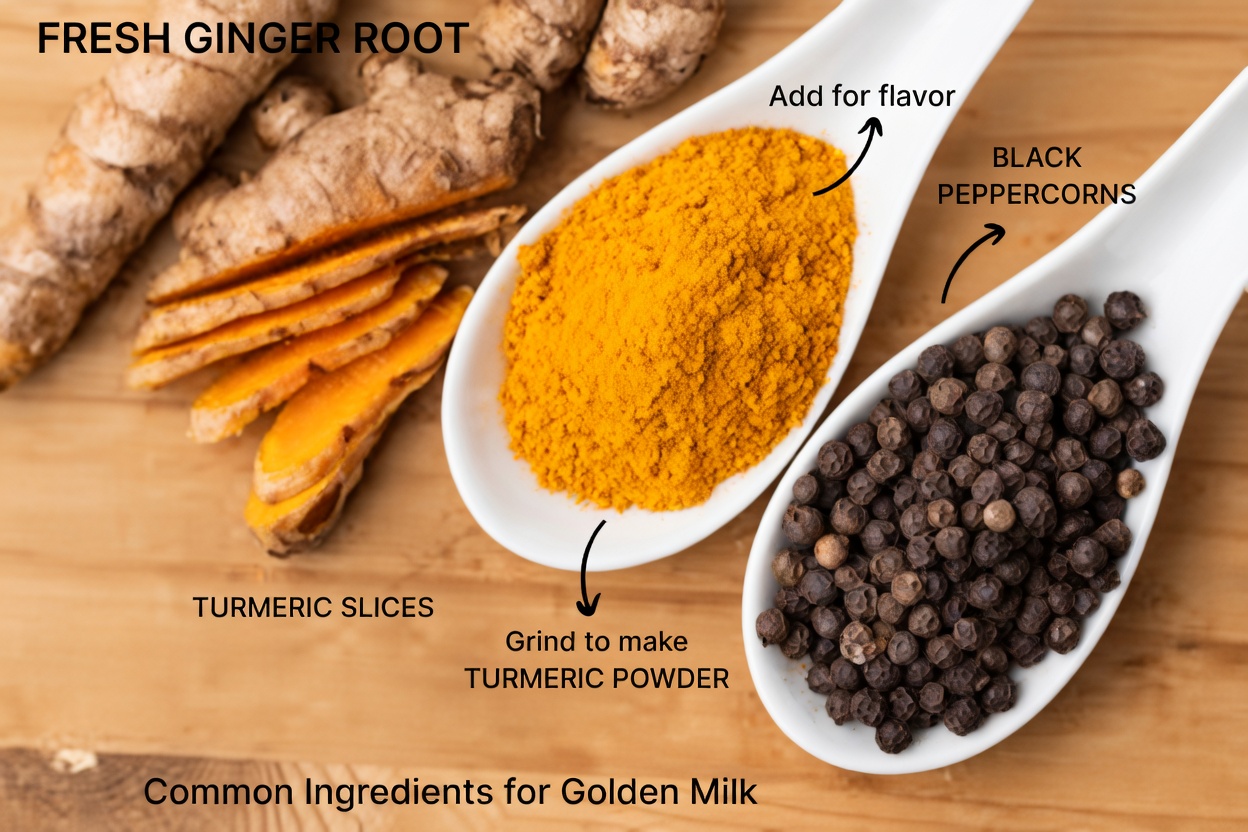
Include healthy fats.
Combine turmeric with sources like olive oil, avocado, ghee, nuts, or coconut milk. This helps your body absorb fat-soluble curcumin more efficiently. -
Add black pepper.
A small pinch of black pepper can significantly enhance curcumin absorption, thanks to the compound piperine.
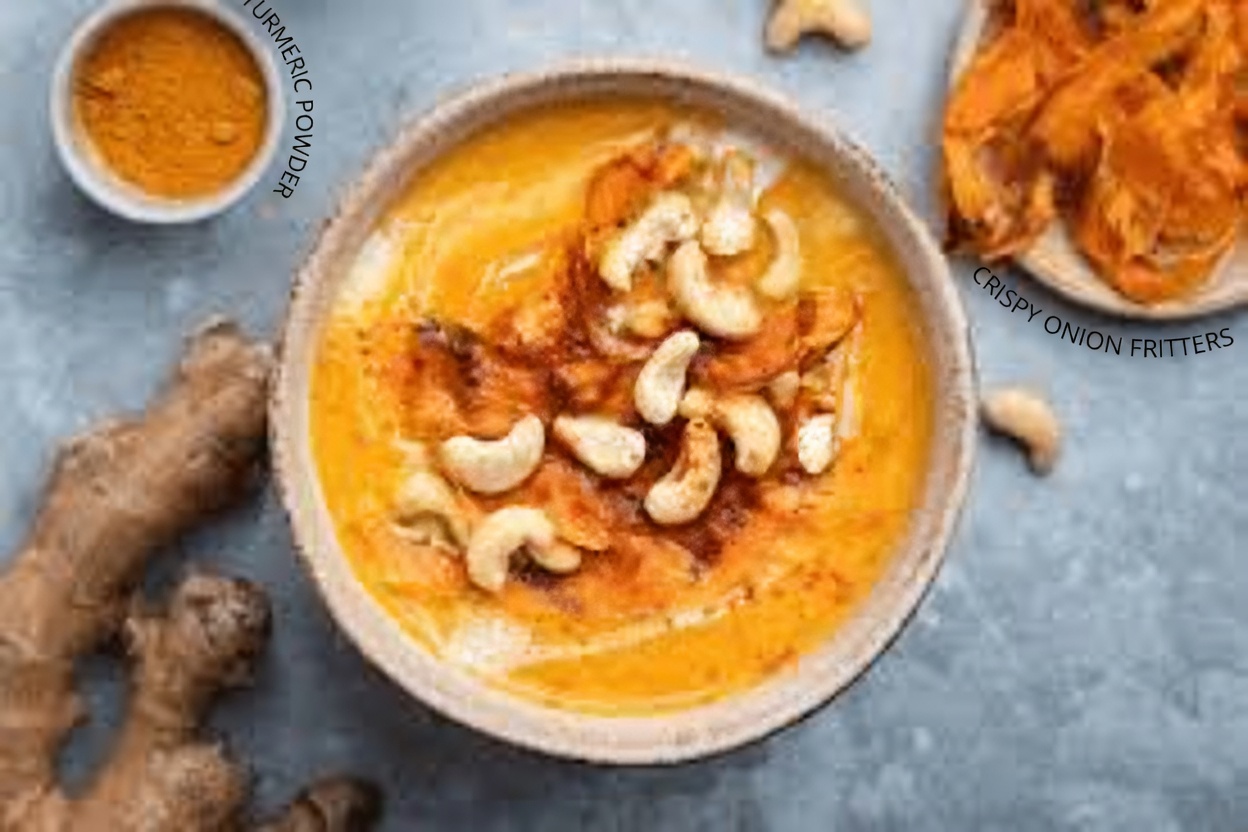
Together, healthy fats and black pepper make turmeric far more bioavailable, helping you feel its benefits from smaller amounts.
Simple Daily Plan to Maximize Turmeric Benefits
Here is a straightforward way to structure your day so you gain the most from turmeric while avoiding the main problematic combinations:
-
Morning
- Focus on iron-rich foods (like spinach, fortified cereals, or beans) without adding turmeric at the same time.
-
Midday
- Cook with turmeric plus a healthy fat (such as olive oil) and a sprinkle of black pepper in soups, stir-fries, curries, or roasted vegetables.
-
Evening
- If you use a turmeric or curcumin supplement, avoid drinking alcohol immediately before or after taking it.
-
Before any surgery or major medical procedure
- Stop high-dose turmeric or curcumin supplements roughly two weeks in advance, unless your doctor advises otherwise.
These small adjustments allow you to keep turmeric as a daily health ally—without the hidden drawbacks that many people overlook.
Final Thoughts: Smarter Turmeric Use for Long-Term Wellness
Turmeric remains one of the most versatile spices for everyday wellness, as long as you respect a few key guidelines:
- Don’t combine it closely with iron-rich meals if you’re concerned about iron levels.
- Be cautious mixing high-dose turmeric with alcohol.
- Pay attention when using turmeric alongside other blood-thinning supplements or medications.
When you get the timing right, pair turmeric with healthy fats, and add a bit of black pepper, you support better absorption and safer daily use. With these simple habits, turmeric can stay a reliable, enjoyable part of your routine for years.
FAQ About Turmeric Combinations
Can I drink turmeric tea every day?
Yes, most people can enjoy turmeric tea daily in moderate amounts, especially when it is used like a culinary spice. Just try to drink it at a different time than iron-heavy meals and away from alcohol if you are using high-dose supplements as well.
Does turmeric interact with all medications?
No, not all drugs are affected, but turmeric can interact with certain medications, particularly:
- Prescription blood thinners
- Some diabetes medicines
- Certain chemotherapy treatments
If you take regular medication, it is important to consult your healthcare provider before starting turmeric or curcumin supplements.
Is it safe to use turmeric supplements long-term?
Using turmeric as a spice in food is generally considered safe for long-term daily use for most healthy adults. High-dose turmeric or curcumin supplements, however, should be used more carefully—especially if you have existing health conditions, take medication, or are preparing for surgery. Your healthcare provider can help you decide on an appropriate dose and duration.