
Prostate Health Awareness: Why Early Attention Matters
Living with uncertainty about your health can feel exhausting. For many men, concerns about prostate changes become more common with age, especially when symptoms are mild or completely absent. That uncertainty often creates stress, because problems may develop quietly and only become obvious later, when they are more complicated to address.
The good news is that awareness, regular monitoring, and healthy daily habits can make a major difference. By understanding how prostate cancer develops, who may be at higher risk, and what steps support early detection, men can take a more confident and proactive role in their health.
Understanding the Basics of Prostate Cancer
The prostate is a small gland that is part of the male reproductive system. Its main function is to produce fluid that helps form semen. When cells in the prostate begin to grow in an abnormal and uncontrolled way, prostate cancer can develop.
According to major health organizations such as the American Cancer Society, prostate cancer is among the most frequently diagnosed cancers in men, especially after the age of 50. Learning the fundamentals helps reduce fear and confusion around the condition.
In many cases, prostate cancer develops slowly. Because of that, noticeable symptoms may not appear in the early stages. Many men first learn about changes in their prostate through routine screening rather than through physical discomfort.
Understanding what prostate cancer is can help men focus on prevention, informed screening decisions, and practical lifestyle choices.
How Prostate Cancer Begins and Progresses
Prostate cancer starts when cells in the gland undergo mutations and begin multiplying without normal control. A range of factors may influence this process, including inherited traits and environmental exposures.
Research suggests that early-stage prostate cancer often remains confined to the prostate for some time. This creates an important opportunity for observation, early detection, and timely medical guidance.
However, not all cases behave the same way. Some forms are more aggressive and may spread beyond the prostate. That is why education and regular health discussions are so important.

Why Early Detection Is So Important
Finding prostate changes early can create more options for monitoring and treatment. Since symptoms are often absent in the beginning, many men do not realize anything is wrong until the condition is more advanced.
Data from organizations such as the Prostate Cancer Foundation show that screening programs have been associated with improved outcomes in many population studies. Early awareness can support better planning, faster response, and more informed decisions.
Speaking with a doctor about prostate screening changes the approach from reactive to proactive. It is not only about testing. It is also about developing habits that place long-term health at the center of daily life.
Benefits of Routine Prostate Screening
Routine screening may help identify possible concerns before they become more serious. One of the most common tests is the PSA blood test, which measures prostate-specific antigen levels. Elevated PSA levels can signal prostate changes that may require further evaluation.
A review of several major trials, including one involving more than 70,000 participants, found that screening programs may help detect prostate-related issues earlier. Although screening is not perfect, it can provide reassurance, guide follow-up decisions, and encourage health-conscious lifestyle changes.
Common Risk Factors for Prostate Problems
Some men face a higher likelihood of prostate issues than others. Recognizing these risk factors can help shape a more personalized health strategy.
Age
Age is one of the strongest risk factors. The chance of developing prostate cancer rises significantly after age 50, as shown in many epidemiological studies.
Family History
A family history of prostate cancer can also increase risk. Men with a father, brother, or other close relative who has had the disease may benefit from discussing screening earlier with a healthcare professional.
Ethnic Background
Global health data indicate that incidence rates vary across populations. Some ethnic groups have a higher rate of prostate cancer, which may influence screening recommendations and risk discussions.
Lifestyle Habits
Diet, physical activity, body weight, smoking, and alcohol use can also affect overall prostate health. A routine built around whole foods and regular movement may offer long-term benefits.
Lifestyle Factors That May Influence Prostate Health
Several everyday habits may play a role in prostate wellness:
- Dietary patterns: High consumption of processed foods, red meat, and excessive dairy may be linked to poorer health outcomes in some nutritional studies.
- Physical activity: Sedentary living can negatively affect circulation and general health, while regular movement supports the body in many ways.
- Weight management: Maintaining a healthy weight through balanced nutrition and exercise is an important part of preventive care.
- Smoking and alcohol: Reducing or avoiding tobacco and limiting alcohol can improve overall health and may reduce certain long-term risks.
Even small adjustments in these areas can be meaningful over time.
Possible Warning Signs to Watch For
In the early stages, prostate cancer may not cause any obvious symptoms. As it progresses, some men may notice changes related to urination or discomfort in nearby areas.
Potential warning signs include:
- Needing to urinate more often, especially at night
- A weak or interrupted urine stream
- Difficulty starting or stopping urination
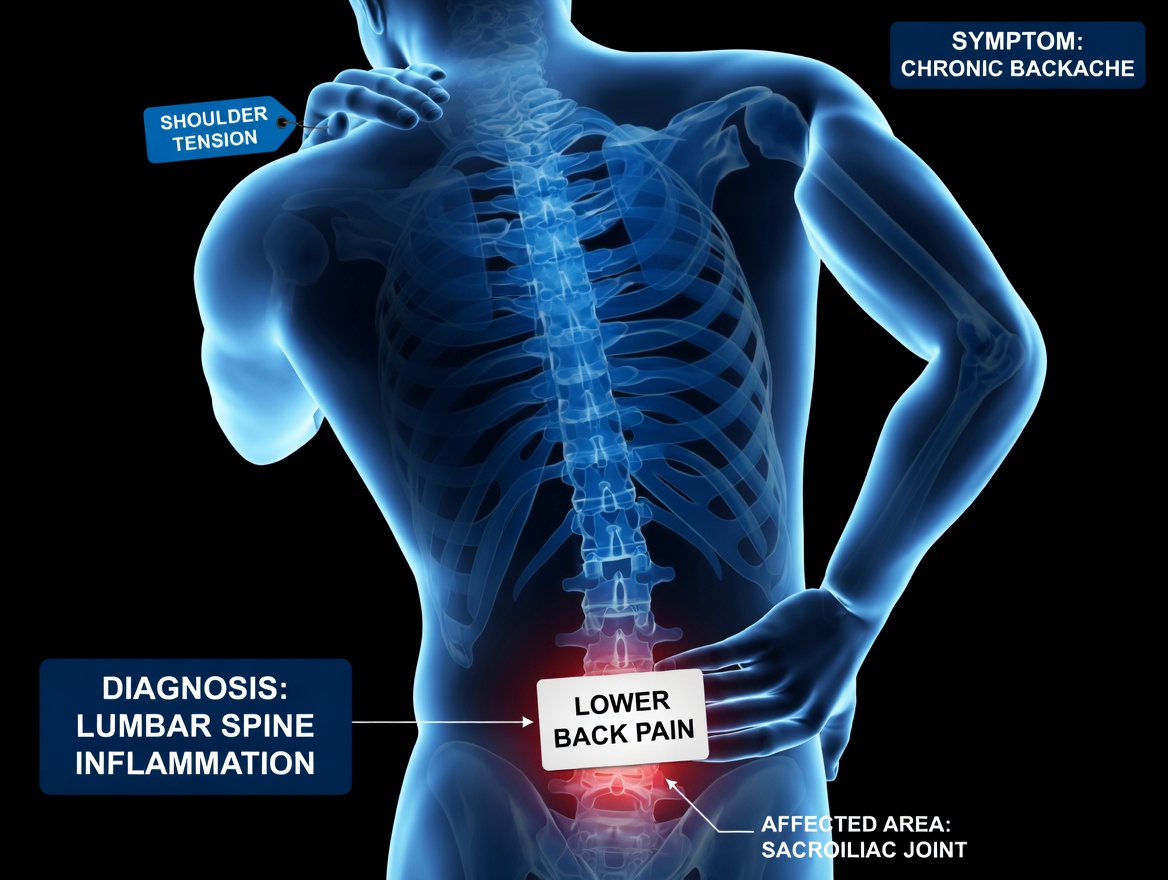
- Pain in the lower back, hips, or pelvic area
- Blood in urine
- Blood in semen
It is important to remember that these signs do not always mean cancer. They may also result from non-cancerous conditions such as an enlarged prostate or inflammation. Even so, any ongoing changes should be evaluated by a healthcare professional.
When to See a Doctor
If symptoms continue for several weeks or feel unusual for your normal health, it is wise to arrange a medical appointment. Subtle symptoms should not be dismissed, especially when they persist.
An early conversation with a doctor can help identify the cause, rule out serious concerns, and determine whether screening or additional tests are needed.
Methods Used to Detect Prostate Changes
Doctors may use several tools to check for possible prostate abnormalities.
PSA Blood Test
This test measures the level of prostate-specific antigen in the blood. Higher levels do not automatically mean cancer, but they may indicate a need for further examination.
Digital Rectal Exam (DRE)
During a DRE, a doctor manually checks the prostate for unusual size, shape, or texture. Although some men find it uncomfortable, it can provide useful clinical information.
MRI Imaging
Magnetic resonance imaging can offer a detailed view of the prostate and surrounding tissues. It is often used when a closer look is needed.
Biopsy
If testing suggests a suspicious abnormality, a biopsy may be performed. This involves taking a small tissue sample to confirm whether cancer cells are present.
Health authorities such as the USPSTF advise men, particularly between ages 55 and 69, to have individualized discussions with their doctors about the risks and benefits of screening.
How to Prepare for a Prostate Screening
Getting ready for screening is usually straightforward. The following steps can help:
- Learn the basics: Read about PSA testing and DRE from trusted health sources.
- Discuss personal risk: Tell your doctor about your family history, age, symptoms, and any concerns.
- Book the appointment: Choose a convenient time so you can attend without stress.
- Review the results carefully: Ask what the findings mean and whether follow-up is needed.
- Create a routine: If appropriate, repeat screening according to your doctor’s advice and your individual risk profile.
This process can help you stay informed and more in control of your health decisions.
Daily Habits That Support Prostate Wellness
Healthy routines may help support prostate function and overall well-being. A balanced lifestyle is not a guaranteed prevention strategy, but it can strengthen long-term health.
Focus on habits such as:
- Eating more antioxidant-rich foods like tomatoes, berries, and leafy vegetables
- Including more plant-based meals in your weekly routine
- Walking or exercising regularly, even for 30 minutes a day
- Drinking enough water throughout the day
- Managing stress through mindfulness, breathing exercises, or relaxation techniques
- Reducing late-evening caffeine and alcohol if urinary symptoms are a concern
Studies, including Harvard’s Health Professionals Follow-up Study, have suggested that diets rich in plant foods may support better prostate-related outcomes.
Simple Actions You Can Start Today
If you want practical ways to improve your health, start with these manageable steps:
- Plan meals in advance: Add vegetables such as broccoli, cabbage, or cauliflower to regular meals.
- Build an exercise habit: Aim for about 150 minutes of moderate activity each week, in line with public health guidance.
- Track your weight sensibly: Use a journal or app to stay aware without becoming overly focused.
- Hydrate consistently: Drink water during the day, but reduce intake close to bedtime if nighttime urination is an issue.
- Lower daily stress: Spend five minutes each day on deep breathing, stretching, or quiet reflection.
These small actions are often easier to maintain and can support health over time.
Comparing Common Prostate Screening Options
Below is a quick overview of the most common screening and diagnostic tools:
| Screening Method | Description | Advantages | Limitations |
|---|---|---|---|
| PSA Blood Test | Measures prostate-specific antigen in the blood | Quick, simple, non-invasive | Can produce false-positive results |
| Digital Rectal Exam (DRE) | Physical exam to assess the prostate | May detect texture or shape changes | Can feel uncomfortable |
| MRI Imaging | Detailed scan of the prostate region | Useful for identifying abnormalities with greater precision | More costly and time-intensive |
| Biopsy | Tissue sample taken for laboratory analysis | Confirms diagnosis | Invasive and may carry infection risk |
This comparison can help guide a more informed discussion with your healthcare provider.
Building Awareness in Families and Communities
Open conversations about men’s health remain essential. Many men delay screening or ignore symptoms because of fear, embarrassment, or social stigma.
Awareness campaigns such as Movember have helped normalize discussions around prostate health and other men’s health issues. Encouraging friends, relatives, and colleagues to speak openly can create a stronger culture of support and earlier action.
When communities talk more openly about prostate health, men may feel more comfortable seeking advice, getting screened, and making healthier choices.
Conclusion
Prostate health awareness and early detection can help men make informed, confident decisions about their well-being. By understanding how prostate cancer develops, knowing the major risk factors, recognizing possible warning signs, and adopting healthier routines, it becomes easier to take meaningful action.
Small steps taken today can lead to greater peace of mind and better health outcomes in the future.
Frequently Asked Questions
At what age should men start thinking about prostate screening?
Many health experts recommend starting the conversation around age 50. Men with higher risk factors, such as a family history or certain ethnic backgrounds, may need to discuss screening earlier.
Does prostate cancer always cause symptoms?
No. In many cases, especially early on, prostate cancer causes no obvious symptoms. That is one reason screening and routine checkups are so important.
Is a high PSA result proof of cancer?
No. A high PSA level does not automatically mean prostate cancer is present. It can also be linked to other prostate conditions, including enlargement or inflammation.
Can lifestyle changes reduce prostate health risks?
Healthy habits such as regular exercise, a balanced diet, maintaining a healthy weight, and avoiding smoking may support prostate health and improve overall wellness.
Should urinary symptoms always be checked?
Yes. While urinary changes can be caused by non-cancerous conditions, persistent symptoms should always be discussed with a healthcare professional.