Spinach and Blood Thinners: How Seniors Can Eat Greens Without Disrupting Warfarin
Many older adults choose spinach because it seems like an easy, natural way to support heart health and maintain energy. That bright green salad can feel like a smart daily habit—but if you take blood thinners such as warfarin, suddenly eating much more spinach than usual may quietly change how your medication performs. When that happens, it can trigger worries about clotting and stroke risk, turning a healthy meal into a source of stress.
The good news is that you don’t have to give up spinach. With a few practical, consistent habits, you can keep enjoying leafy greens while protecting the stability your medication is meant to provide.

Why Spinach Can Interfere With Warfarin
Spinach is packed with nutrients that support overall wellness, but it’s also very high in vitamin K—a nutrient directly involved in blood clotting.
Warfarin works by reducing the clotting effect of vitamin K in the body. If your vitamin K intake changes a lot from day to day (for example, no spinach for several days, then a large spinach-heavy meal), it can shift this balance. That may cause your blood to clot more easily than intended.
For seniors—who often have a higher baseline risk of stroke—this inconsistency can feel especially concerning. Research also suggests that fluctuating vitamin K intake from foods like spinach can affect INR, the lab value used to measure how long it takes your blood to clot in people taking warfarin.

Does Spinach Increase Stroke Risk?
Spinach does not cause stroke by itself. The concern is that large, irregular servings can reduce warfarin’s effectiveness, which may raise the chance of clot formation in some situations.
To understand why, consider portion size: one cup of raw spinach can provide more than 100% of the daily vitamin K needs for many adults. If you suddenly eat a lot more vitamin K than your routine—especially after a stretch of lower intake—your INR may drop quickly, meaning your blood may clot faster than desired.
Studies indicate that major swings in vitamin K from spinach and similar greens can increase clotting risk in some warfarin users. This is why even “healthy eating” can feel uneasy unless you build consistency.
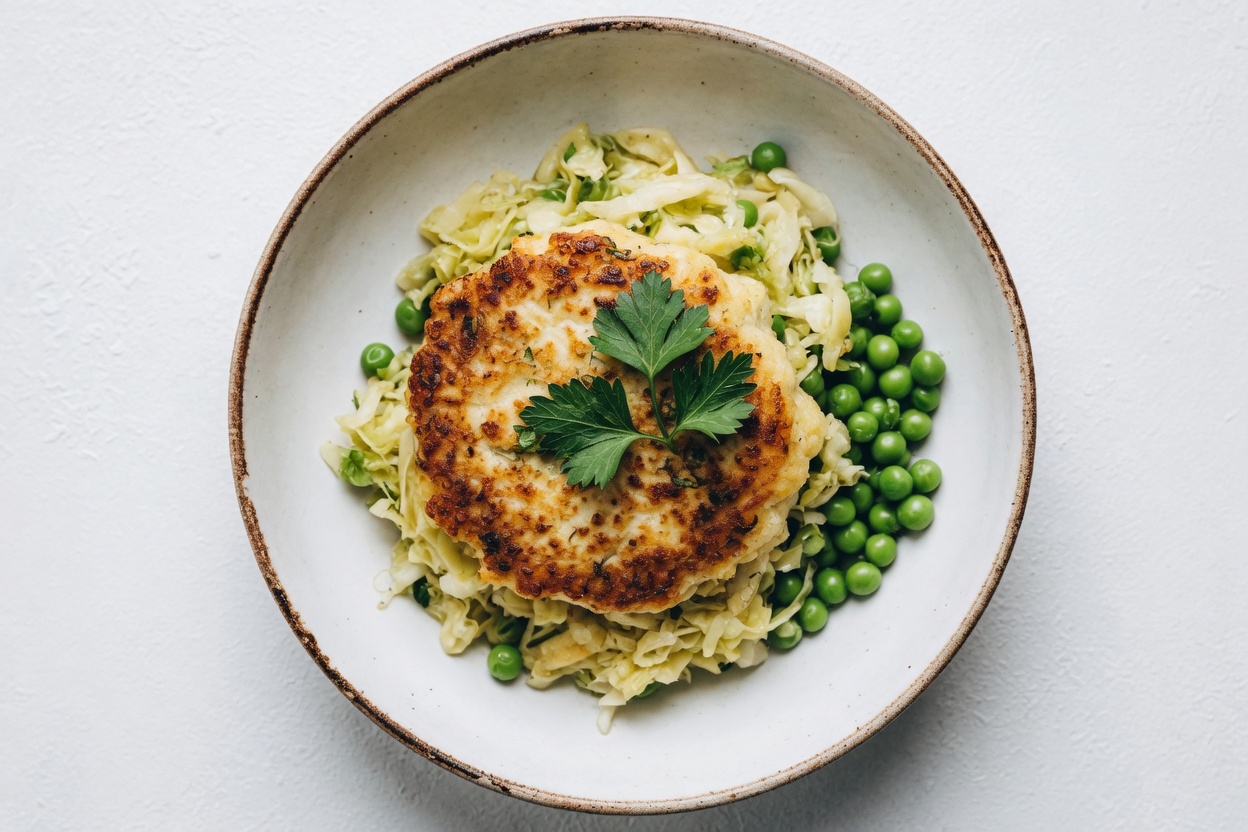
Vitamin K in Common Greens (How Spinach Compares)
Not every green affects warfarin the same way. Here’s a quick comparison of vitamin K levels in popular choices:

- Spinach: 145 mcg vitamin K per 1 cup raw (121% DV) — High; keep portions consistent
- Kale: 547 mcg vitamin K per 1 cup raw (456% DV) — Very high; monitor closely
- Collard greens: 418 mcg vitamin K per 1 cup raw (348% DV) — High; similar caution to spinach
- Romaine lettuce: 57 mcg vitamin K per 1 cup raw (48% DV) — Lower; often easier for daily routines
Choosing lower–vitamin K vegetables or maintaining a steady spinach portion helps reduce INR swings and supports more predictable medication performance.
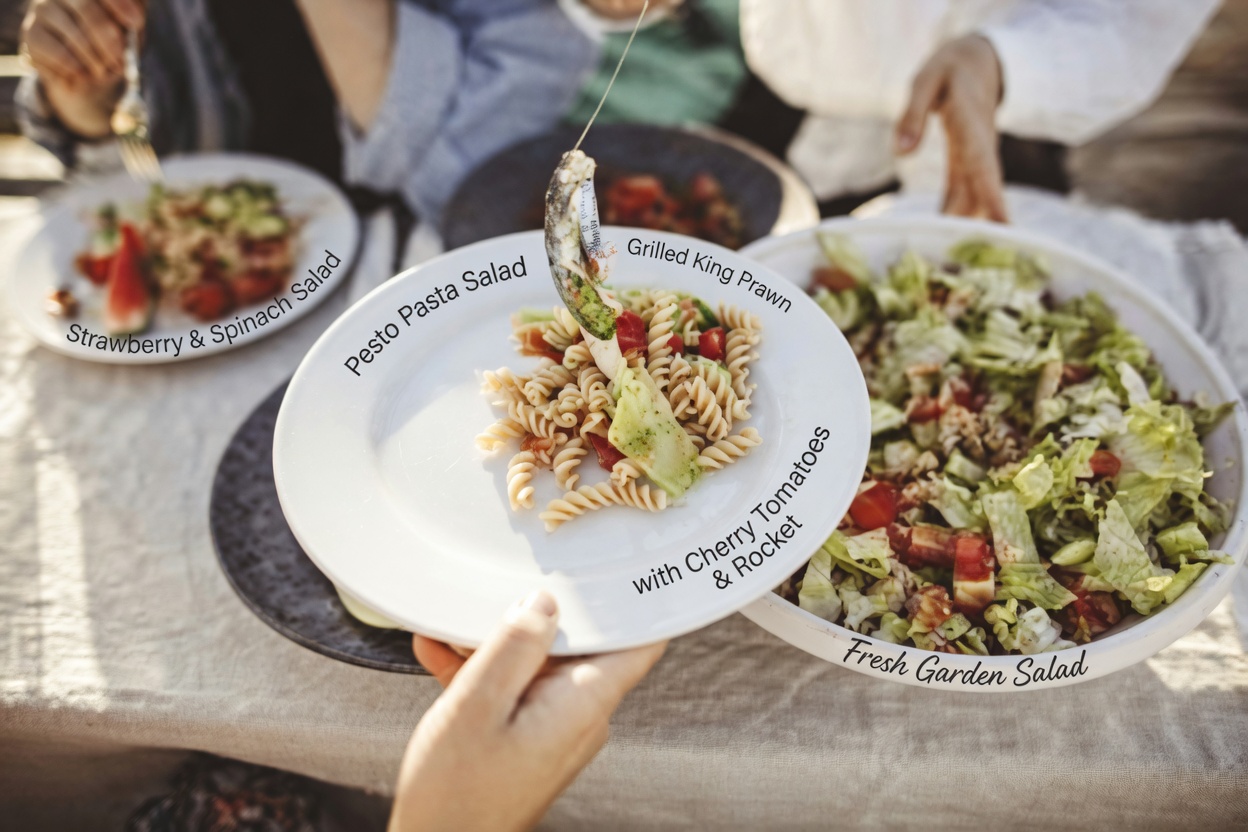
How to Eat Spinach Safely While Taking Blood Thinners
You can often keep spinach in your diet—what matters most is consistency and coordination with your healthcare provider. These simple strategies can help:
-
Keep your portion steady
Pick an amount you can maintain (for example, ½ cup most days) instead of rotating between “none” and “a lot.” -
Track your greens for a week
A short food log helps you notice patterns in spinach, kale, collards, and other high–vitamin K foods. -
Cook spinach when you can
Light cooking may slightly reduce the vitamin K impact while still keeping it flavorful and easy to eat. -
Balance your plate with lower–vitamin K foods
Pair spinach with options like cucumbers, carrots, or other lower–vitamin K vegetables so your overall intake stays more stable. -
Check INR as recommended
INR monitoring is especially useful when you’re establishing a new routine or changing how often you eat greens.
These small steps can help you enjoy spinach’s benefits without unwanted medication fluctuations.

Take Control of Your Plate—and Your Peace of Mind
Eating spinach while on warfarin doesn’t have to feel risky. When your vitamin K intake is consistent and your care team knows your routine, you can enjoy leafy greens with far more confidence. Often, the most effective approach is simply sticking to the same habits day after day.
Try one change today—such as measuring your usual spinach serving—and notice how much easier it feels to eat without the extra worry.
Frequently Asked Questions
1. Do I need to completely avoid spinach if I take blood thinners?
In many cases, no. Most guidance focuses on eating a consistent amount, not eliminating spinach entirely. Always confirm your plan with your clinician.
2. What greens are generally easier for seniors on warfarin?
Lower–vitamin K options such as romaine lettuce, green beans, and cucumbers typically have less impact than high–vitamin K greens like spinach or kale.
3. How often should INR be checked if I eat spinach regularly?
Your doctor will set the schedule, but more frequent INR checks are often helpful when you first establish a steady spinach routine or make dietary changes.
Medical disclaimer: This article is for informational purposes only and does not replace professional medical advice. Always speak with your healthcare provider before changing your diet while taking blood thinners.