
Spinach, Blood Thinners, and Peace of Mind
As you get older and rely on blood thinners to protect your heart, discovering that a favorite food like spinach might affect how your medication works can feel unsettling. Many people worry that simple changes in what they eat could disrupt blood levels, raise clotting risk, and even increase the chance of stroke. Instead of feeling good about healthy meals, they start to see them as a source of stress.
The good news: spinach is not the enemy. The real key is consistency. When you understand how spinach and vitamin K interact with blood thinners—and focus on steady habits rather than sudden changes—you can regain confidence and control over your daily meals. Keep reading to learn practical steps and hidden benefits that make managing spinach far easier than it seems.
How Spinach Fits into Daily Meals for People on Blood Thinners
Spinach shows up everywhere—salads, smoothies, omelets, soups—and for good reason. It is packed with nutrients. Yet for adults taking blood thinners, especially warfarin and similar medications, spinach’s vitamin K content can raise understandable concerns about stroke risk and medication stability.
Many seniors start to feel tense every time they add spinach to a meal, worried that irregular intake could throw off their blood thinner levels and trigger unexpected health changes. This constant second‑guessing can turn eating into a source of daily anxiety.
What often gets missed is this: the problem is not eating spinach itself, but changing your spinach intake sharply from day to day or week to week. Research shows that keeping vitamin K intake from foods like spinach relatively stable can help maintain consistent anticoagulation (measured by INR) and reduce the worry that every salad might be “too much.”

Why Spinach Deserves Special Attention with Blood Thinners
Spinach is rich in iron, fiber, and antioxidants that support overall health. However, it also contains a significant amount of vitamin K—about 145 micrograms per cup of raw leaves. For people on warfarin or other vitamin K–sensitive blood thinners, this nutrient needs to be handled thoughtfully.
Many older adults feel uneasy knowing that a large spinach-heavy meal after several low‑vitamin K days might influence their INR results. This can reignite fears about blood clots, stroke risk, or the need for more frequent dose adjustments.
Organizations such as the American Heart Association emphasize a key principle: aim for a consistent intake of vitamin K–rich foods like spinach, rather than cutting them out completely or eating them in large, unpredictable spikes. Regular, steady portions help your medication work more reliably and reduce the emotional burden of “good” and “bad” days.
Vitamin K in Common Vegetables: How Spinach Compares
To make informed choices about spinach and other vegetables while taking blood thinners, it helps to know roughly how much vitamin K you’re getting from typical servings.
Approximate Vitamin K Content per Cup
| Vegetable | Preparation | Vitamin K per Cup (mcg) | Potential Impact on Blood Thinners |
|---|---|---|---|
| Spinach | Raw | ~145 | High; keep portions consistent to avoid INR fluctuations |
| Kale | Raw | ~82 | Very high; monitor closely and keep intake steady |
| Broccoli | Cooked | ~110 | Moderate; can be balanced alongside spinach |
| Romaine lettuce | Raw | ~48 | Lower; useful when adjusting or varying spinach intake |
| Carrots | Raw | ~10 | Minimal; good low–vitamin K option with or instead of greens |
This comparison lets you enjoy spinach without eliminating other leafy vegetables. You can pair it intelligently with lower–vitamin K choices, easing the constant fear that every green vegetable automatically raises stroke risk.
8 Key Benefits of Managing Spinach Consistently
Imagine someone who used to dread eating spinach, worried that irregular portions might weaken their blood thinner’s effect and increase stroke risk. Once they learned to keep their spinach intake steady, they often saw more stable INR readings—and their daily anxiety began to ease.
Studies suggest that better control of vitamin K–rich foods can improve anticoagulation stability and may reduce hospital visits related to INR swings. For many adults over 45, that kind of predictability is priceless.
Here are some of the major benefits of consistent spinach management.
1. Less Day-to-Day Stress Around Meals
When spinach intake becomes predictable instead of sporadic, it stops feeling like a “danger food.” Many people report less worry about stroke risk once they understand that their blood thinners are designed to work with a stable level of vitamin K, not zero.
You can enjoy meals without constantly doing mental math over every forkful.
2. Stronger Confidence in Heart and Stroke Protection
Spinach can be part of a heart‑healthy diet even when you’re on blood thinners—as long as your portions are relatively consistent. That stability supports more reliable anticoagulation, strengthening your confidence that you’re lowering clot-related stroke risk day after day.
Small, steady choices add up to meaningful protection.
3. Clearer Thinking and Better Focus
Fluctuating blood thinner levels related to irregular vitamin K intake may influence circulation and leave some people feeling mentally “off” or foggy. When spinach and other greens are eaten more consistently, many experience steadier mental clarity.
You no longer have to wonder whether today’s salad will cause tomorrow’s uncertainty.
4. More Stable, Predictable Energy
Unexpected changes in medication effect can sap your energy and intensify fears about stroke or clotting problems. Managing spinach intake thoughtfully helps keep your energy more even, so you can stay active and engaged without worrying about hidden setbacks.
That dependable energy makes it easier to enjoy daily life.
5. Easier Social Eating and Family Gatherings
Concerns about “too much spinach” or “the wrong vegetables” can lead some seniors to avoid social meals entirely. Once you adopt consistent spinach habits, you can participate in family dinners, restaurant outings, and celebrations with greater ease.
Sharing food becomes enjoyable again instead of stressful.
6. Fewer Extra Medical Visits and Lower Costs
Unpredictable spinach intake can contribute to unstable INR results, which may lead to more frequent checkups, blood tests, and dose adjustments. Keeping your vitamin K intake steady may help reduce these fluctuations over time.
Fewer surprises can translate into fewer extra appointments and lower healthcare costs.
7. Greater Emotional Calm and Better Sleep
There is real peace of mind in knowing you are managing spinach and other vitamin K–rich foods deliberately. This sense of control often leads to better sleep and a calmer outlook, because you are no longer replaying stroke worries every night.
A more relaxed mind supports overall health.
8. Support for a More Active, Independent Future
Ultimately, consistent spinach management—combined with your blood thinner—can help you maintain more stable protection against clots and stroke. That stability supports your ability to stay active, independent, and engaged with the people and activities you love.
It’s a simple habit with long-term rewards.
Practical Steps to Manage Spinach Safely on Blood Thinners
Putting this knowledge into practice does not require a complicated diet. These straightforward steps can help you enjoy spinach safely while protecting your health:
- Track your intake: Use a simple notebook or app to record how often and how much spinach you eat. Aim for similar amounts from week to week.
- Consult your doctor before big changes: Talk with your healthcare provider before sharply increasing or cutting back on spinach or other leafy greens.
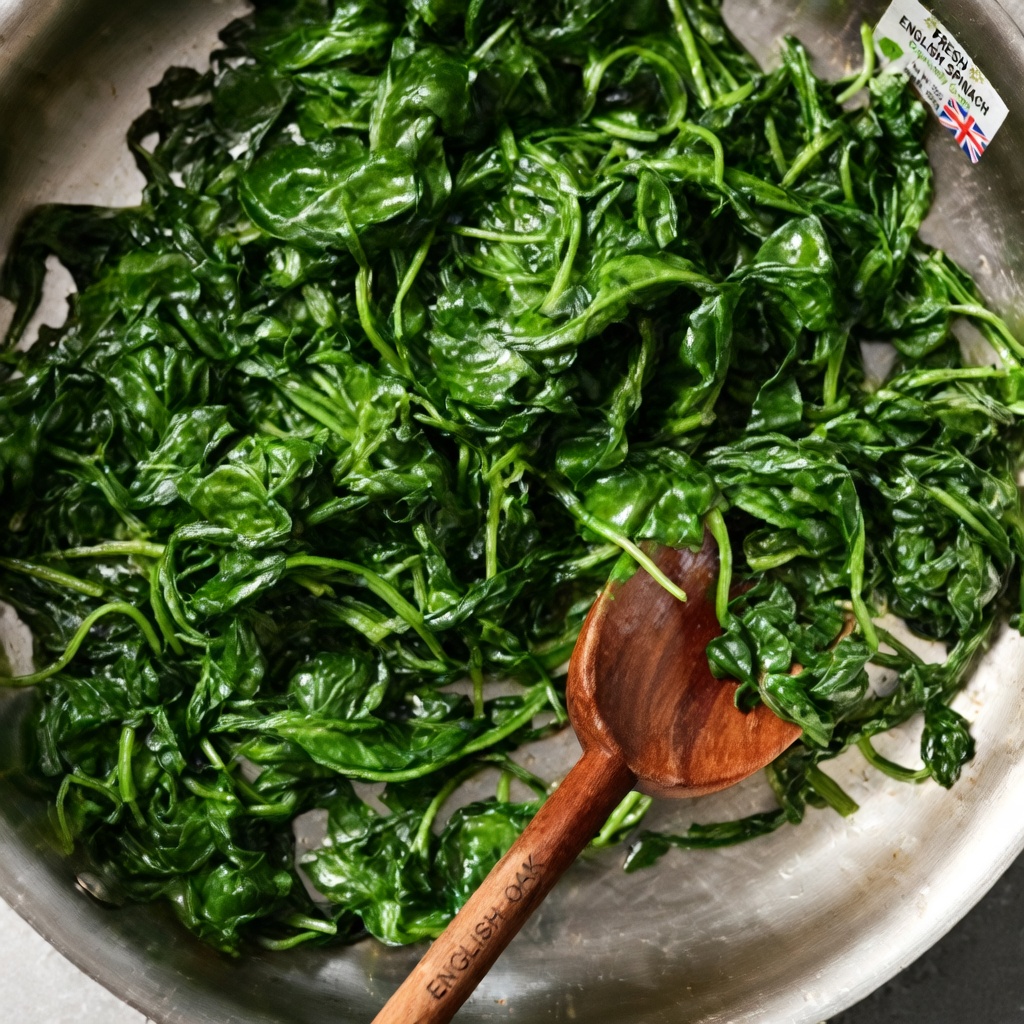
- Start with moderate portions: For many people, a small to moderate serving—such as about half a cup of cooked spinach or a cup of raw leaves a few times a week—can be a good baseline, if kept consistent.
- Balance with lower–vitamin K vegetables: Add options like carrots, tomatoes, zucchini, or romaine lettuce when you want variety without large swings in vitamin K.
- Watch for warning signs: Report unusual bruising, prolonged bleeding, extreme tiredness, or other new symptoms to your healthcare team promptly.
These steps are designed to give you control—not take away your favorite foods.
Everyday Ways to Make Spinach Work with Your Medications
Begin by reviewing your current medications and discussing spinach specifically with your healthcare provider or anticoagulation clinic. Many professionals now encourage a consistent, moderate intake of vitamin K–rich foods rather than strict avoidance.
Plenty of older adults once felt restricted by warnings about leafy greens. Over time, they discovered that balance—not elimination—offered the greatest freedom. By keeping spinach and other greens at a steady level, they maintain effective blood thinning while also gaining the nutritional benefits of a varied diet.
You can enjoy spinach, too. In many cases, regular, predictable consumption supports more stable medication responses than constantly changing your intake. Enhance your meals with low–vitamin K vegetables like zucchini, bell peppers, or tomatoes to keep flavors bright and your plate colorful.
Take Charge of Spinach and Your Health Today
When you understand how spinach fits into blood thinner management, everyday eating becomes less stressful and more satisfying. Consistent vitamin K intake, informed choices, and open communication with your healthcare provider all support steady protection against stroke while preserving your quality of life.
Consider scheduling a conversation with your doctor or pharmacist this week about how much spinach—and other greens—make sense for you. With a clear plan, mealtime can shift from worry to enjoyment.
P.S. Many people also notice that steady vegetable habits, including mindful spinach portions, can support better digestion—an added bonus on top of the heart and stroke protection.
Share this with a loved one who takes blood thinners and feels unsure about eating greens so they can approach spinach with confidence instead of fear.